
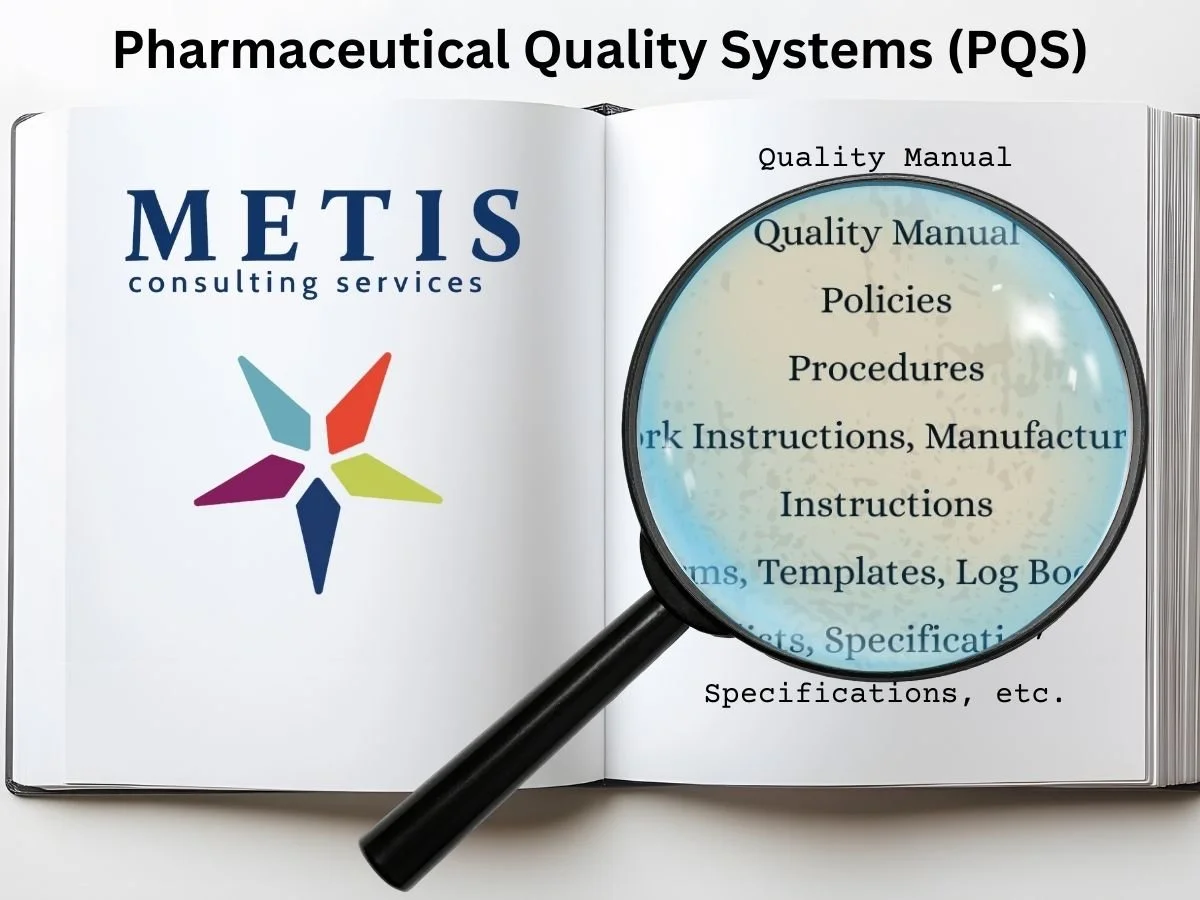
Are Your Quality Systems Inspection Ready?
An excellent and sustainable quality management system is the heartbeat of pharmaceutical safety and long-term compliance. This week in the Guardrail, we examine the shift from reactive audit preparation to a proactive culture of regulatory excellence.
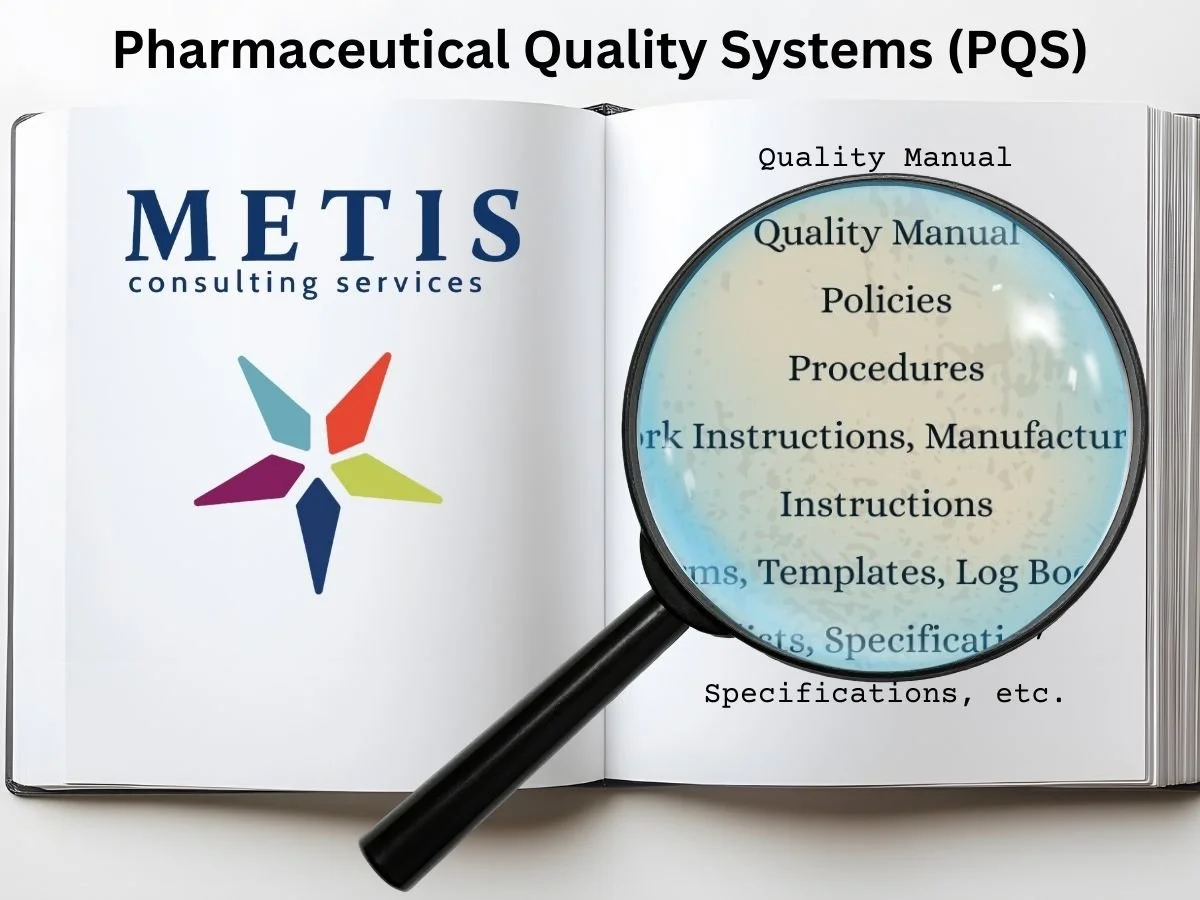
An excellent and sustainable quality management system is the heartbeat of pharmaceutical safety and long-term compliance. This week in the Guardrail, we examine the shift from reactive audit preparation to a proactive culture of regulatory excellence.
By Michael Bronfman, for Metis Consulting Services
January 26, 2026
Quality systems are essential for every pharmaceutical company. Quality Assurance and Quality Control ensure that drugs are developed, manufactured, and distributed safely and in compliance with regulations. Inspection readiness means more than just passing an FDA or EMA inspection; it involves building a culture of quality that supports compliance, efficiency, and public trust.
Regulators expect companies to have strong quality systems, and inspections test how well these systems work in practice. Companies that start preparing only after receiving an inspection notice run into problems that could have been avoided with earlier preparation.
Understanding Quality Systems
A quality system is a group of policies, procedures, and practices that help products consistently meet requirements. It includes document control, change management, handling deviations, corrective and preventive actions, audits, and training.
The FDA provides guidance on quality systems through regulations such as 21 CFR Parts 210 and 211 for pharmaceuticals and Part 820 for medical devices.
Information is available at https://www.fda.gov/industry.
The EMA also guides good manufacturing practice and quality system expectations at Good Manufacturing Practice | European Medicines Agency (EMA)
Understanding the regulatory framework is the first step toward being ready for inspections.
Inspection Readiness Is Continuous
Inspection readiness is not a one-time task; it is part of everyday work. Internal and external (consultants, contractors, and vendors) staff need training on procedures and are expected to understand how their work supports overall quality.
Key components of inspection readiness include:
Up-to-date documentation: Standard operating procedures, batch records, validation protocols, and training records should always be current and complete.
Traceability: Actions and decisions need documentation so any process can be followed from start to finish.
Accountability: Roles and responsibilities should be clear, and staff should be able to show they understand their tasks.
Continuous monitoring: Metrics and trends are expected to be reviewed regularly to identify potential issues before they worsen.
Conducting Self Assessments
Self-assessments, or internal audits, are one way to prepare for inspections. They help to identify gaps, verify compliance, and offer staff a chance to practice answering regulator questions.
To make self-assessments and process reviews effective, review each quality system process to ensure it complies with procedures and regulations. Audits of records include randomly selected records to check for accuracy, completeness, and timeliness, mock inspections, where a regulatory inspection is simulated, help train staff, and identify weak areas. Any issues identified during self-assessments are to be remedied through corrective and preventive actions. Taking this proactive approach reduces risk during an actual inspection.
Document Control and Data Integrity
Document control is central to every quality system. SOPs, training records, batch records, validation documents, and audit reports are always to be current, well-organized, and easy to access.
Data integrity is crucial. Regulators expect records to be accurate, complete, and protected from unauthorized changes.
FDA guidance on data integrity and compliance is available at https://www.fda.gov/inspections-compliance-enforcement-and-criminal-investigations
Maintaining strong document control and data integrity builds trust in the quality system and helps with inspection readiness.
Training and Competency
Staff training goes beyond completing courses. Employees should understand their roles, know the procedures, and demonstrate competency.
Training programs should include:
Initial onboarding on quality system expectations
Role-specific technical training
Refresher training for updates to procedures or regulations
Records demonstrating completion and comprehension
Skilled and confident staff play a significant role in successful inspections.
Corrective and Preventive Actions
No system is perfect, so deviations and nonconformities will happen. How a company responds shows the strength of its quality system. Active CAPA programs include:
Root cause analysis: Find the real reason for the issue, not just the symptom. Effective action: Address the specific issue promptly and completely
Preventive action: Make changes to stop the problem from happening again. Confirm that the CAPA has resolved the issue and improved the process.
Inspectors look closely at CAPA records. Well-documented CAPAs demonstrate that the company is proactive and compliant with regulations.
Audit Programs
Internal and external audits are essential for ongoing improvement. Regular internal audits help find gaps and improve processes. Vendor audits ensure suppliers meet quality standards and regulatory requirements.
Audits should include documented findings, follow-up actions, and checks to confirm that changes were effective. A robust audit program shows regulators that quality is actively managed.
Managing Regulatory Inspections
When an FDA or EMA inspection takes place, being prepared makes a big difference. Key steps include:
Leadership involvement: Make sure managers are visible and know what is going on.
Document accessibility: Keep records organized so they can be found quickly.
Staff readiness: Train staff to answer questions with facts and confidence.
Issue resolution: Set up a process to document follow-up and respond to any observations. Inspectors look at both compliance and the company’s culture of quality and ongoing improvement.
Leveraging Technology
Quality Systems are encouraged to use technology to work more efficiently and track progress. Electronic quality management systems (eQMS) help with document control, CAPA tracking, training management, and audit programs. Using technology properly improves traceability, reduces errors, and makes inspection preparation easier. It also helps monitor trends and risks.
Continuous Improvement
A quality system that is always ready for inspection is continuously evolving and improving. Continuous improvement helps processes develop, closes gaps, and uses lessons from audits, assessments, and daily work.
Reviewing metrics and trends, and comparing them to industry standards, helps maintain high performance. Companies that focus on continuous improvement are better prepared for inspections and achieve better quality results.
Looking Ahead
Inspection readiness is not just a checklist. It is an ongoing commitment to quality, compliance, and patient safety. Integrating training, documentation, monitoring, and continuous improvement into daily work, companies can reduce risk and demonstrate regulatory excellence, transparency, and accountability.
Organizations that embrace these expectations and maintain strong quality systems will be able to respond confidently to inspections, protect patients, and sustain long-term success.
Ready to transform your compliance strategy? Contact Metis Consulting Servicestoday to schedule a consultation with our team of experts.

Drug Development for Tiny Humans: What Makes Pediatrics Distinct in the Pharmaceutical Industry
Developing a pharmaceutical drug for children is more complex than simply scaling down the dose of an adult medicine. The world of pediatric research has particular challenges in multiple areas, including clinical data management, Pharmacovigilance, audits, and medical consulting.

For Metis Consulting Services
By Michael Bronfman
This week at The Guard Rail-Metis' weekly blog, we’re shining a light on a critical topic: Drug Development for Pediatric uses. Making a new drug safe and effective for a child is a complex job. The world of pediatric research is full of unique hurdles, especially when dealing with patient data, safety checks (Pharmacovigilance), quality reviews (audits), and expert guidance (medical consulting). Join us as author Michael Bronfman explains what makes this work unique, how drug companies manage the process, and why investing in quality is essential when children's health is at stake.
When people think about drug development, they often imagine treatments for adults. Yet children also face serious health needs that require safe and effective medicines. Developing a pharmaceutical drug for children is more complex than simply scaling down the dose of an adult medicine. The world of pediatric research has particular challenges in multiple areas, including clinical data management, Pharmacovigilance, audits, and medical consulting.
In this article, we will explore why pediatric drug development is unique, how pharmaceutical companies manage the process, and why investment in quality matters for the pharmaceutical industry.
Clinical Data Management in Pediatric Drug Development
Clinical data management is one of the foundations of safe pediatric research. Data must be carefully collected, reviewed, and stored. Pediatric patients are more vulnerable, and their responses to medicines can differ from those of adult patients.
If a pharma company uses weak systems for clinical data management, the results may be incomplete or misleading. Poor-quality data can delay trials and harm trust with regulators. For children, the stakes are even higher because their growth and development affect how medicines work. Strong pharma services in data management protect children and support sound science.
Why Audits Matter for Pharma Companies in Pediatric Studies
Audits are critical in the pharmaceutical industry. They confirm that studies meet ethical and legal standards. In pediatric trials, audits are especially important because children cannot provide full legal consent on their own.
A weak audit process may overlook problems in consent forms, dosing, or reporting. This puts patients and drug companies at risk. High-quality audits, delivered through expert pharma consulting companies, give parents, regulators, and pharmaceutical companies confidence in the process.
Pharmacovigilance in Pediatric Medicine
Pharmacovigilance plays a major role in monitoring the safety of medicines after they reach the market. In pediatrics, the job is even more complex. Children may respond differently to the same pharmaceutical drug. Side effects may appear only at certain stages of growth.
Low-cost providers may not accurately track pediatric cases. A pharmaceutical company that invests in strong pharma consulting services ensures that signals of risk are identified quickly. For children, this level of safety monitoring is non-negotiable.
Medical And Pharma Consulting for Pediatric Development
Medical consulting and pharma consulting provide expert guidance to pharmaceutical companies developing drugs for children. These services help companies design trials that are ethical, safe, and effective.
For example, a consultant may advise a drug company on dosing schedules that match a child’s metabolism or help design consent processes for parents and guardians. Choosing the lowest-cost consulting often means limited expertise. For pediatrics, where the margin for error is small, pharmaceutical service firms must deliver high-quality results.
Healthcare IT Consulting in Pediatric Trials
Technology is central to modern trials. Healthcare Information Technology (IT) supports the design of secure systems to protect sensitive data. Pediatric studies often require extra safeguards for privacy and informed consent.
Inexpensive systems may expose data to breaches or fail to comply with regulations. A strong pharmaceutical consulting team ensures that data management is safe and compliant. In pediatrics, data protection is both a legal and an ethical requirement.
Medical Devices in Pediatric Research
Drug development for children often overlaps with medical device use or development. Devices such as inhalers, pumps, or child-sized dosing tools must be tested in conjunction with the medicines.
If a pharma company selects the lowest-cost provider for device consulting, the result may be designs that are not safe for small hands or growing bodies. A quality pharmaceutical consulting service ensures that devices are tested correctly for pediatric use.
Why Pediatric Drug Development Costs More
Parents may wonder why there are fewer medicines designed just for children. One reason is cost. Pediatric trials require smaller populations, more safety checks, and longer-term follow-up. Pharmaceutical companies often need extra pharma services such as Pharmacovigilance, audits, and medical consulting.
While the cost is higher, the results are life-saving. A safe pediatric pharmaceutical drug can make a big difference for conditions that affect children uniquely, such as certain cancers or genetic disorders.
Ethical Artificial Intelligence (AI) and Ethics for AI in Pediatric Research
Today, ethical AI is a topic in every field, including pediatrics. Predictive systems may help identify side effects or adjust dosing for children. However, if a pharmaceutical company chooses the cheapest system, it may not adhere to adequate ethics for AI or best practices in AI ethical standards.
For children, bias or error in systems can cause serious harm. Trust in Healthcare IT requires investment in responsible systems and consulting that follow the best ethical practices in AI.
The Role of Consulting Services in Pediatric Pharma Development
Pharmaceutical consultants assist pharmaceutical companies in conducting trials, audits, and Pharmacovigilance Activities. For pediatric projects, their role is even more critical.
Children are not simply small adults. Their organs, immune systems, and metabolisms are still developing. A provider that cuts corners by offering the lowest price may miss these differences. For a pharma company, the choice of provider can mean the difference between safe medicine and failed research.
The Pharma Industry’s Responsibility in Pediatric Drug Development
The pharma industry holds a duty to protect its youngest patients. This includes investing in Quality through audits, medical consulting, healthcare IT consulting, and Pharmacovigilance.
When a drug company treats pediatric development as an area to cut costs, the risks multiply. Regulators, parents, and society expect the pharmaceutical industry to act with care and transparency. Pediatric drug development is not only a scientific process: it carries with it an implicit promise of protection for the most vulnerable.
Pediatric Pharmaceutical Development: You Get What You Pay For
Drug development for children is different from drug development for adults. It demands stronger clinical data management, better audits, more rigorous Pharmacovigilance, and more focused medical consultation. It also requires responsible use of ethical AI and consulting healthcare IT.
The lowest bid in these areas may save money at first, but in pediatric medicine, mistakes cost far more. Every pharmaceutical company that chooses to invest in quality over price demonstrates a genuine commitment to children and to the future of the pharmaceutical industry.
Safe pediatric drugs prove the truth. In the pharma industry, and especially in pediatrics, you get what you pay for.
Developing medicine for children is a delicate task that requires top-tier expertise. Don't risk patient safety or regulatory approval. At Metis Consulting Services, we provide the high-quality, specialized guidance your projects needs for data management, patient safety monitoring, quality auditing, and pharmacovigilance. We help you meet strict standards and, most importantly, protect the children in your care. To learn how our commitment to excellence can support your pediatric drug development, please visit us at metisconsultingservices.com or email our team at hello@metisconsultingservices.com today.