

The Green Tea Matrix: Evaluating Caffeine Concentration and Its Interactions
This week in the Guardrail, we explore the pharmacological profile of green tea, specifically examining how its modest caffeine content interacts with unique compounds like L-theanine. Read more for essential insights into the drink's distinctive stimulant effects and metabolic influence.

This week in the Guardrail, we explore the pharmacological profile of green tea, specifically examining how its modest caffeine content interacts with unique compounds like L-theanine. Read more for essential insights into the drink's distinctive stimulant effects and metabolic influence.
By Michael Bronfman, for Metis Consulting Services
March 16, 2026
Caffeine Content, Pharmacology, and Clinical Relevance
Green tea is one of the most widely consumed beverages in the world. It is often associated with cardiovascular health, metabolic support, and cognitive function. In pharmaceutical and nutritional research, green tea has also attracted attention because of its caffeine content and how caffeine interacts with other compounds found in tea leaves.
Understanding how much caffeine is present in green tea matters for clinicians, researchers, and consumers. Caffeine affects the central nervous system and can influence alertness, sleep, cardiovascular function, and drug metabolism. This article reviews how much caffeine is found in green tea, how it compares with other beverages, and why the pharmacological profile of green tea differs from other caffeine sources.
What Is Caffeine and How Does It Work
Caffeine is a naturally occurring chemical compound found in more than sixty plant species, including coffee beans, cacao, and tea leaves. It acts primarily as a central nervous system stimulant. After consumption, caffeine is rapidly absorbed through the gastrointestinal tract and reaches peak blood levels within about 30 to 60 minutes.
Caffeine works mainly by blocking adenosine receptors in the brain. Adenosine is a neurotransmitter that promotes sleep and relaxation as it builds up during waking hours. When caffeine blocks these receptors, the feeling of tiredness is reduced and alertness increases.
Caffeine has also been shown to increase dopamine signaling, which contributes to improved mood and attention. In addition, it can increase metabolic rate and enhance physical performance in some individuals.1
While caffeine is widely consumed and generally safe in moderate amounts, sensitivity varies between individuals. Body weight and other factors, including genetics, can influence how caffeine affects the body.
Average Caffeine Content in Green Tea
An eight-ounce cup of green tea typically contains between thirty and fifty milligrams of caffeine. This amount is considerably lower than the caffeine content of most coffee preparations but higher than that of many non-caffeinated beverages.
The caffeine content of green tea is not fixed. Several factors influence the final amount present in a cup. These include the variety of tea plant growing conditions, processing methods, and brewing techniques.
Tea made from younger leaves often contains more caffeine than tea made from older leaves. Processing methods also play a role because mechanical crushing of leaves increases caffeine extraction during brewing.
Bagged teas often contain smaller broken leaves, which can release caffeine more efficiently into hot water. Loose-leaf tea may contain slightly less caffeine depending on leaf size and brewing time. 2,3
Influence of Brewing Method and Preparation
Preparation methods significantly affect caffeine concentration in green tea. Water temperature, brewing time, and tea quantity all influence extraction.
Longer brewing times allow more caffeine to dissolve into the beverage. Higher water temperatures also increase extraction efficiency. For example, tea brewed for three to five minutes generally contains more caffeine than tea brewed briefly.
Powdered green tea preparations such as matcha contain higher levels of caffeine because the entire leaf is consumed rather than infused and discarded. Even though serving sizes are smaller, caffeine intake can approach levels comparable to those of strong brewed tea.
These variables explain why caffeine estimates are typically presented as ranges rather than exact values.
Comparison With Other Caffeinated Beverages
Green tea contains less caffeine than most commonly consumed caffeinated drinks. This difference is important when evaluating stimulant exposure in both clinical and lifestyle settings.
An eight-ounce serving of brewed coffee typically contains around one hundred milligrams of caffeine or more, depending on preparation. Espresso preparations may contain substantially higher concentrations in smaller volumes. Black tea generally contains more caffeine than green tea, while soft drinks and energy drinks vary widely based on formulation.
Because green tea delivers lower caffeine per serving, it is often recommended for individuals seeking mild stimulation without the stronger physiological effects associated with coffee.4
L-Theanine and the Unique Profile of Green Tea
One feature that distinguishes green tea from other caffeine sources is the presence of L-theanine. This amino acid occurs naturally in tea leaves and has been studied for its effects on relaxation and cognitive function.
L-theanine appears to promote alpha brain wave activity, which is associated with a calm but alert mental state. When combined with caffeine, it may reduce feelings of jitteriness that some individuals experience after consuming coffee.
Research suggests that the combination of caffeine and L theanine may improve attention switching accuracy and sustained focus. This interaction has attracted interest within cognitive and pharmaceutical research because it represents a naturally occurring example of synergistic activity between compounds.5
Pharmacokinetics and Individual Response
After ingestion, caffeine is metabolized primarily in the liver by the enzyme CYP1A2. The rate of metabolism varies significantly between individuals. Some people metabolize caffeine quickly, while others experience prolonged effects.
This variability has clinical relevance. Slow metabolizers may experience sleep disruption, anxiety or elevated heart rate at lower doses. Certain medications, including some antidepressants and antibiotics, can also affect caffeine metabolism.
Green tea’s lower caffeine content may reduce the likelihood of adverse effects compared with higher caffeine beverages. However, cumulative intake across multiple servings should still be considered.
Safety and Recommended Intake Levels
Regulatory and health authorities generally consider caffeine safe when consumed within recommended limits. For healthy adults, a total daily intake of up to 400 milligrams is commonly cited as a safe upper limit.
An eight-ounce serving of green tea containing 30 to 50 milligrams of caffeine represents a relatively small contribution to this total. Even several servings per day typically remain within recommended limits for most adults.
However, individuals who are pregnant, sensitive to stimulants, or managing cardiovascular conditions are often advised to monitor total caffeine intake more closely.6
Clinical and Research Implications
From a pharmaceutical perspective, green tea represents an interesting delivery system for low-dose caffeine combined with biologically active compounds. Unlike isolated caffeine products, green tea contains polyphenols, catechins, and amino acids that may modify physiological responses.
This complexity makes green tea relevant in studies examining mild cognitive enhancement, metabolic regulation, and cardiovascular outcomes. The lower caffeine exposure may also make green tea suitable for populations that cannot tolerate higher doses of stimulants.
Researchers continue to study whether long-term consumption influences neurodegenerative risk, metabolic disease, or cardiovascular health. While caffeine contributes to some observed effects, other components of green tea likely play important roles.
Is Caffeine in Green Tea a Concern
For most healthy adults, caffeine in green tea is not a major concern when consumed in moderation. The relatively low caffeine concentration reduces the risk of overstimulation compared with coffee or energy drinks.
Nevertheless, individual tolerance varies. Symptoms such as restlessness, insomnia or palpitations may occur in sensitive individuals or when caffeine intake accumulates from multiple sources throughout the day.
Spacing caffeine consumption and avoiding late-evening intake can help minimize sleep disruption.
Green tea contains a moderate amount of caffeine, typically ranging from 30 to 50 milligrams per 8-ounce serving. This level is lower than that of coffee and many other caffeinated beverages, while still providing measurable stimulant effects.
Caffeine in green tea acts through the same biological mechanisms as caffeine from other sources, but its effects may be moderated by compounds such as L-theanine. This results in a milder stimulation profile that has drawn interest in both nutrition and pharmaceutical research.
When consumed within recommended limits, green tea represents a low-risk source of caffeine for most adults. Its combination of modest caffeine exposure and additional bioactive compounds continues to make it a subject of ongoing clinical investigation.7
Sources:
Is Loose Tea Better Than Bagged?, Althea Chang-Cook, Consumer Reports 90, October 25, 2024
Dietary Supplement Fact Sheets, National Institutes of Health
Caffeine: How much is too much?, Mayo Clinic Staff, Mayo Clinic, February 21, 2025
The combined effects of L-theanine and caffeine on cognitive performance and mood, Nutr Neurosci, 2008 Aug., Randomized Controlled Trial
The Safety of Ingested Caffeine: A Comprehensive Review, Front Psychiatry, National Library of Medicine, May 2027
The safety of green tea and green tea extract consumption in adults - Results of a systematic review, Regulatory Toxicology and Pharmacology, Science Direct, June 2018
Is your organization navigating the complex intersection of botanical ingredients and shifting health regulations? Ensure your products meet the highest standards of safety and efficacy by partnering with the experts. Contact Metis Consulting Services today for Strategic Regulatory, Compliance, and Risk Mitigation Services to safeguard your brand and lead the market with confidence.
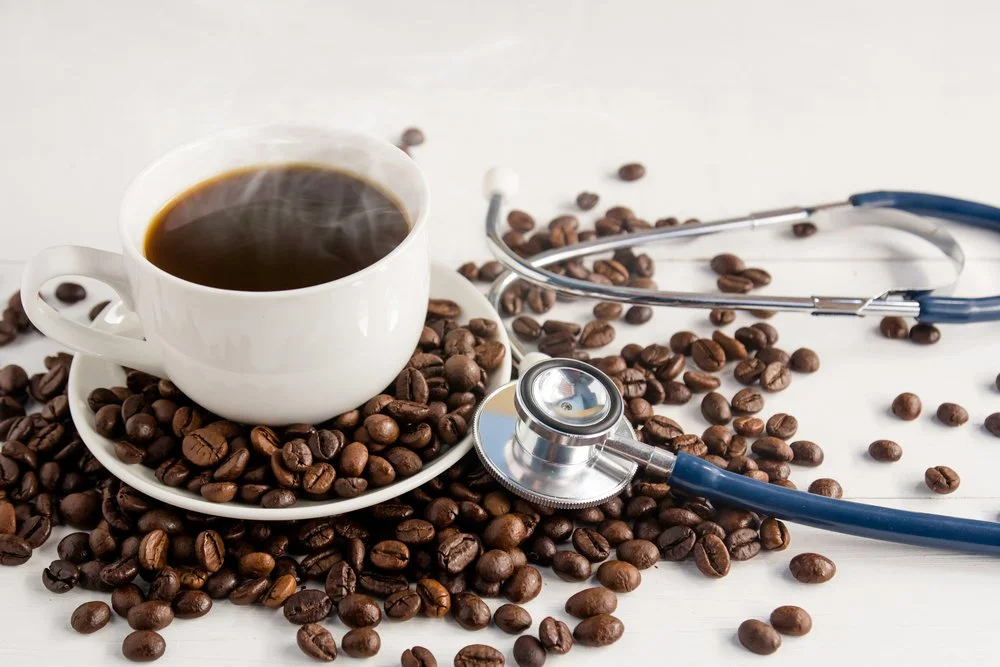
Does Coffee Have an Impact on Cholesterol
This article explores how coffee affects cholesterol levels, how different brewing methods change that effect, and what current research suggests is the healthiest way to brew coffee.
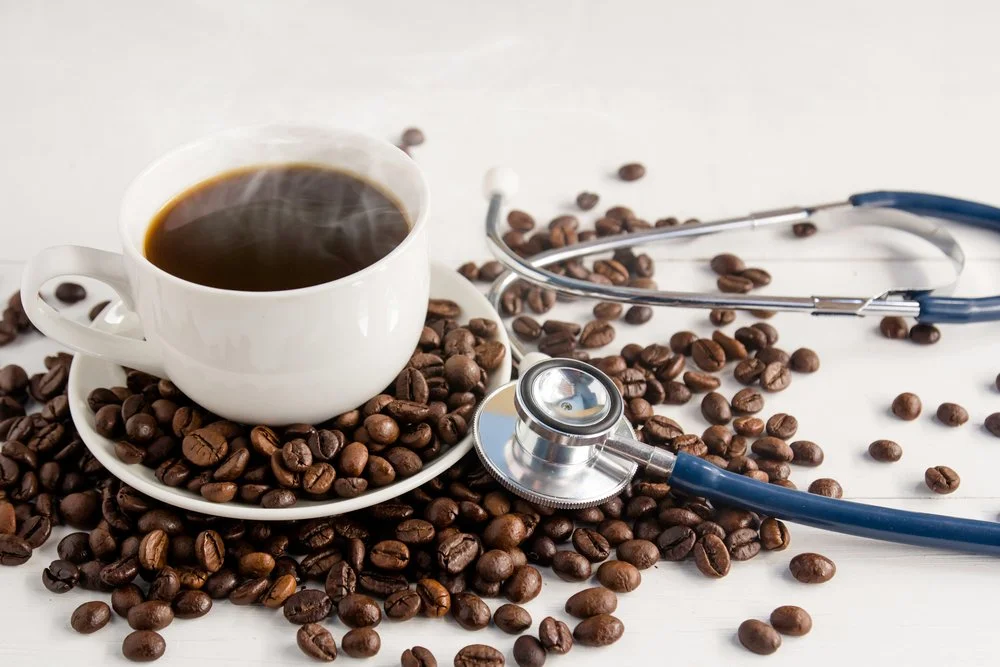
For Metis consulting services
By Michael Bronfman
We are looking at your favorite morning beverage again this week at The Guardrail, as we examine the link between coffee preparation methods and cholesterol levels, for heart-conscious consumers.
How Brewing Methods Shape Heart Health
Coffee is one of the most widely consumed beverages in the world. In the United States alone, millions of adults drink coffee every day. Coffee is often praised for its antioxidants and potential benefits for metabolism, brain health, and Type 2 diabetes risk. However, coffee also contains natural compounds that can influence cholesterol levels. Coffee brewing method plays a key role in whether those compounds reach the final cup.
This article explores how coffee affects cholesterol levels, how different brewing methods change that effect, and what current research suggests is the healthiest way to brew coffee.
Understanding Cholesterol and Heart Risk
Cholesterol is a waxy substance found in the blood. The body needs cholesterol to build cells and produce hormones, but too much can increase the risk of heart disease.
Low-density lipoprotein cholesterol is often called "bad cholesterol." High levels of LDL cholesterol can lead to plaque buildup in the arteries. High-density lipoprotein cholesterol, also known as "good cholesterol," helps remove LDL cholesterol from the bloodstream.
Diet plays a significant role in cholesterol levels. Saturated fat, trans fat, and certain food compounds can raise LDL cholesterol. Coffee contains specific compounds that fall into this category depending on its preparation.
Coffee Oils and Their Effect on Cholesterol
Coffee beans naturally contain oils. Two of the most studied compounds in these oils are cafestol and kahweol. These compounds belong to a group called diterpenes.
Research has shown that cafestol and kahweol can raise LDL cholesterol by disrupting the liver's regulation of cholesterol production and clearance. Cafestol in particular is considered one of the most potent cholesterol-raising compounds found in the human diet.
The key factor is whether these coffee oils make it into the cup. Brewing methods that allow oils to pass through result in higher diterpene intake. Brewing methods that remove oils through filtration reduce this effect.
Filtered Coffee and Cholesterol
Filtered coffee uses a paper filter to trap coffee grounds and oils. Common examples include drip coffee makers and pour-over methods that use paper filters.
Paper filters are effective at removing most cafestol and kahweol before the coffee reaches the cup. As a result, filtered coffee has little to no effect on LDL cholesterol for most people.
An extensive observational study published in the European Journal of Preventive Cardiology examined coffee consumption among more than 500,000 adults aged 18 or older. The study found that people who drank filtered coffee had lower rates of heart disease and lower overall mortality compared with those who drank unfiltered coffee.
The authors concluded that filtered coffee was the safest option for cardiovascular health.
https://academic.oup.com/eurjpc/article/27/18/1986/5909512
French Press Coffee and Cholesterol
French press coffee does not use a paper filter. Instead, coffee grounds steep directly in hot water, and a metal mesh plunger separates the liquid from the grounds. This method allows coffee oils to remain in the final beverage.
Studies have consistently shown that French press coffee contains higher levels of cafestol and kahweol. Regular consumption of French press coffee has been linked to increased LDL cholesterol levels, especially when consumed in large amounts.
An early controlled trial published in the New England Journal of Medicine found that drinking unfiltered coffee significantly raised cholesterol levels compared with filtered coffee.
For individuals with elevated cholesterol, heart disease, or a family history of cardiovascular risk, French press coffee may not be the best daily choice.
Espresso and Cholesterol
Espresso is often misunderstood when it comes to cholesterol. Espresso is brewed quickly under pressure and does not use a paper filter. This means coffee oils are present in the final shot.
However, serving size matters. A typical espresso shot is much smaller than a standard cup of drip coffee. As a result, total diterpene intake may be lower even though concentration is higher.
Research suggests that moderate espresso consumption may raise cholesterol slightly but less than larger volumes of unfiltered coffee, such as French press. Drinking several espresso-based drinks per day may still contribute to increased LDL cholesterol over time.
A review published in Current Atherosclerosis Reports noted that espresso contains diterpenes, but the overall impact depends on dose and frequency.
Turkish and Greek Coffee
Turkish and Greek coffee are brewed by boiling finely ground coffee directly in water. The grounds are not filtered out before drinking. This method results in very high diterpene content.
Studies have shown that boiled coffee can raise LDL cholesterol more than any other common brewing method. Regular intake has been associated with increased cholesterol and cardiovascular risk, especially in populations with high consumption.
The same Norwegian study that examined filtered coffee found that people who drank large amounts of unfiltered coffee had higher mortality rates compared with filtered coffee drinkers.
Cold Brew Coffee
Cold brew coffee is made by steeping coffee grounds in cold water for many hours. The grounds are usually removed with a filter or mesh.
Cold-brew prepared with paper filtration likely removes most diterpenes, as does hot filtered coffee. Cold brew made with metal filters may retain more oils.
There is limited research specifically on cold brew and cholesterol. However, experts generally agree that filtration matters more than temperature. Using a paper filter is the safest option for cholesterol control.
Does Coffee Raise or Lower Heart Disease Risk
Coffee contains many biologically active compounds beyond diterpenes. These include antioxidants, polyphenols, and caffeine. Some of these compounds may improve insulin sensitivity, reduce inflammation, and support blood vessel function.
Extensive population studies suggest that moderate coffee consumption is associated with a lower risk of heart disease, stroke, and overall mortality when consumed regularly and without excessive sugar or cream.
The American Heart Association states that moderate coffee intake does not appear to increase cardiovascular risk for most healthy adults. In the article, Is Coffee Good for You or Not?
The key distinction is brewing method. Filtered coffee appears to offer benefits without raising cholesterol, while unfiltered coffee may increase LDL cholesterol and offset potential benefits.
How Much Coffee Is Safe
Most dietary guidelines suggest that up to four hundred milligrams of caffeine per day is safe for healthy adults. This amount is roughly equal to three to five cups of brewed coffee.
People with high blood pressure, heart rhythm disorders, anxiety, or sleep issues may need to limit caffeine regardless of brewing method.
Consistency also matters. Drinking coffee regularly appears to be better tolerated than drinking it sporadically. Sudden intake can raise blood pressure in sensitive individuals.
The Healthiest Way to Brew Coffee
Based on current evidence, the healthiest way to brew coffee for cholesterol and heart health is to use a paper filter.
This method removes most cholesterol-raising compounds while preserving beneficial antioxidants. Drinking filtered coffee without added sugar, flavored syrups, or high-fat creamers further supports cardiovascular health.
For those who enjoy espresso or French press coffee, moderation is key. Limiting intake and balancing with filtered coffee may reduce cholesterol impact.
Individuals with high cholesterol or established heart disease should consider switching to filtered coffee as a simple lifestyle change that may improve lipid levels.
Practical Takeaways for Patients and Clinicians
Coffee can be part of a heart-healthy diet when prepared thoughtfully. Brewing method matters more than many people realize.
Filtered coffee is associated with lower cholesterol impact and reduced cardiovascular risk. Unfiltered coffee methods allow cholesterol-raising compounds to remain in the cup.
For patients concerned about cholesterol, simple changes such as switching brewing methods can support lipid management without eliminating coffee.
As research continues, coffee remains a complex beverage with both benefits and risks. Understanding preparation methods allows consumers and clinicians to make informed choices that support long-term health.
Coffee does affect cholesterol, but the impact depends mainly on brew method. Unfiltered coffee methods, such as French press, Turkish, and boiled coffee, allow compounds that raise LDL cholesterol to pass into the drink. Filtered coffee removes these compounds and is associated with better heart outcomes.
For most people, filtered coffee consumed in moderation is the healthiest choice. Those with elevated cholesterol should pay close attention to brewing method as part of a comprehensive approach to cardiovascular health.
Coffee is not just about taste or routine. It is also about chemistry and preparation. Small changes in coffee preparation can lead to meaningful differences in long-term health outcomes.
Employee wellness directly impacts productivity and long-term success; understanding the science behind daily habits is essential. Contact Metis Consulting Services today for more info: Hello@metisconsultingservices.com

Is Coffee Bad for the Heart? What a New Trial Says About Coffee and Atrial Fibrillation
For many years, people have heard that coffee is bad for the heart. Doctors often warn patients with heart rhythm problems to stay away from caffeine because it might trigger an irregular heartbeat. This belief has been part of common medical advice for decades. Coffee is one of the most popular drinks in the world, and many people depend on it to start their day. As a result, the question of whether coffee harms or benefits the heart has become very important for both patients and clinicians.

Written by Michael Bronfman, for Metis Consulting Services
December 1, 2025
If you have heart rhythm issues, ditch the caffeine, is good advice, right? Not necessarily. A groundbreaking new trial challenges that long-held belief with surprising evidence. Read the full article below in this week’s Guard Rail:” Your morning cup might be safe—and possibly even good for you and your heart.
Is Coffee Bad for Irregular Heartbeat?
For many years, people have heard that coffee is bad for the heart. Doctors often warn patients with heart rhythm problems to stay away from caffeine because it might trigger an irregular heartbeat. This belief has been part of common medical advice for decades. Coffee is one of the most popular drinks in the world, and many people depend on it to start their day. As a result, the question of whether coffee harms or benefits the heart has become very important for both patients and clinicians.
A new randomized clinical trial offers an answer to a question that has not been thoroughly studied before. The study asked a simple but essential question. Does drinking caffeinated coffee help, harm, or not affect the risk of having another episode of atrial fibrillation after a patient has been treated for it?
What is Atrial Fibrillation?
Atrial fibrillation is a common heart rhythm disorder. In atrial fibrillation, the top chambers of the heart beat in a fast and irregular way. This can cause symptoms such as shortness of breath or chest discomfort. It can also increase the risk of stroke. Many people who have atrial fibrillation undergo a procedure called cardioversion. This procedure uses controlled electrical energy to restore a normal heart rhythm. Cardioversion works for many patients, but the irregular rhythm often comes back because of that, doctors are always looking for ways to reduce the risk of another episode.
This new trial enrolled 200 adults with persistent atrial fibrillation. These adults came from five hospitals in the United States, Canada, and Australia. Every person in the study had a history of drinking coffee either currently or in the past five years. All patients were scheduled to undergo cardioversion, and the researchers wanted to know what would happen if some continued drinking coffee and others stopped completely.
The study design was simple. Half of the patients were asked to drink at least 1 cup of caffeinated coffee daily for 6 months after their cardioversion. The other half were asked to avoid all coffee and all products that contain caffeine. This included decaffeinated coffee because decaffeinated products still contain a small amount of caffeine.
The main question the researchers wanted to answer was whether there would be a difference in the number of patients who had another episode of atrial fibrillation during the six-month follow-up period. The study was open-label. This means both the patients and the researchers knew which group each patient was in. The random assignment helped ensure the groups were similar so that any difference in outcomes could be linked to the coffee exposure.
The average age of the people in the study was sixty-nine years. About seventy-one percent of the participants were men. Before the trial began, the typical patient in each group drank about seven cups of coffee per week. During the study, the coffee group continued to drink an average of seven cups a week. The abstinence group drank almost no coffee.
Results of the AFib and Coffee Trial
The results were surprising to many people who still believe that caffeine is dangerous for people with abnormal heart rhythms. Forty-seven percent of the people in the coffee group had another episode of atrial fibrillation or atrial flutter. That number is high, but it is expected because atrial fibrillation often returns even with good treatment. However, sixty-four percent of the abstinence group had another episode. This means the patients who drank coffee had a lower risk of having the rhythm problem return.
The researchers used a measurement called a hazard ratio to compare the two groups. A hazard ratio of one point zero would mean there is no difference. In this study, the hazard ratio was 0.61. This means the coffee group had a thirty-nine percent lower risk of a repeat episode than the group that did not drink coffee. The difference was strong enough that it was very unlikely to be due to chance.
There was another result that is important for patients and doctors. There was no difference in serious side effects between the two groups. This means that drinking coffee did not cause harm in this specific population of patients. There were no signals that coffee triggered dangerous events or led to worse outcomes.
This result challenges a long-standing belief. Many people assumed that caffeine would make atrial fibrillation more likely. The idea was based mostly on older theories and not on solid clinical data. Earlier observational research often found a neutral effect or even a small protective effect from coffee. However, observational research can be influenced by outside factors. That is why a randomized trial is important. A randomized trial is the strongest way to test cause and effect in medicine.
Coffee May Reduce the Risk of AFib Episodes
The results of this trial suggest that moderate consumption of caffeinated coffee may be safe for patients who have atrial fibrillation and who have recently undergone cardioversion. In fact, the results suggest that coffee may reduce the risk of having another episode. The study does not fully explain why this happens. There are several possible reasons.
Coffee beans contain many natural compounds beyond caffeine. Some of these compounds may reduce inflammation. Some may improve blood vessel function. Some may affect how electrical signals travel through the heart muscle. These effects might help protect the heart from irregular rhythms. It is also possible that regular coffee drinkers in the study had better health behaviors or routines that supported heart health. The randomized design helps limit this type of bias, but it cannot remove every possible factor.
The amount of coffee in the study is also important. The patients were encouraged to drink at least one cup of coffee a day. They did not drink extremely high amounts. Very high caffeine intake can cause problems such as anxiety and trouble sleeping. It can also lead to temporary increases in heart rate. The study did not test very high levels of caffeine intake. Therefore, the results apply only to moderate coffee intake.
The study also did not include people who have never consumed coffee. The results only apply to people who already drink coffee and have a history of tolerating it. Patients who feel unwell after drinking coffee or who have other medical issues may not respond the same way.
Doctors may need to rethink old advice about caffeine. Telling all patients with atrial fibrillation to avoid coffee may not be helpful, and in some cases, it may take away a drink that brings comfort and routine to their day. People often enjoy the taste and social experience of coffee. Removing it without strong evidence can reduce quality of life.
More Research is Needed
This trial is one piece of evidence. More research will be needed to understand how coffee affects different types of heart rhythm disorders. It is possible that the benefit seen in this group would not apply to other cardiac conditions. It will be important to study patients with very high caffeine intake and patients with severe structural heart disease. It will also be important to understand how other caffeinated products, such as tea or energy drinks, compare to regular coffee.
For now, the results of this study offer reassurance. Patients who enjoy coffee may be able to continue drinking it after cardioversion. They should always talk with their cardiologist because each patient is different. This study gives patients and clinicians useful evidence to guide those conversations.
For the pharmaceutical and medical community, this trial also reminds us why randomized research remains essential. Many assumptions in medicine come from a long tradition or theories that were never tested. When a question is tested directly, sometimes the answer surprises us. That is what happened here.
The key message is simple. For patients with atrial fibrillation who have undergone cardioversion and who already drink coffee, moderate caffeinated coffee intake may reduce the risk of another episode. It also appears to be safe in this context. This allows clinicians to give more balanced advice and to reduce unnecessary restrictions on patients' lives.
Coffee has always been more than a drink. It is part of daily rituals, cultures, and routines. For many patients, it brings comfort during stressful periods of illness. It is helpful to know that for many people with atrial fibrillation, one cup a day may be both safe and possibly even helpful.
Does your organization operate on long-standing assumptions that haven't been rigorously tested? At Metis Consulting Services, we specialize in evidence-based strategy, helping you move beyond conventional wisdom Contact us today to ensure your decisions are grounded in the strongest current evidence. hello@metisconsultingservices.com .
Sources
Clinical Trial Registration NCT05121519 https://www.clinicaltrials.gov/study/NCT05121519
Journal article summary from JAMA Network: https://jamanetwork.com/journals/jama/fullarticle/2822040