
High Cholesterol Gone with One Treatment?
Base editing technology is moving beyond rare diseases to potentially eliminate high cholesterol with a single, highly precise genetic intervention. A profound paradigm shift from lifelong daily disease management to permanent, proactive prevention. Read about it this week in the Guardrail, The Power of Gene Editing
By Michael Bronfman
September 14, 2026
Imagine going to the clinic for a single shot and fixing your high cholesterol for the rest of your life. For millions of people worldwide, this sounds almost like magic. However, new medical progress is turning this dream into real science.
In mid 2025, A major pharmaceutical company bought out a smaller biotechnology company called Verve Therapeutics. In order to gain control of some advanced genetic tools. The main focus of this effort is a new experimental drug called VERVE 102.1.1
This drug uses a super precise technology called base editing. Unlike older ways of fixing genes, base editing acts like a tiny spell checker for your DNA. Instead of cutting the DNA strand completely, it neatly changes one single genetic letter. VERVE 102 targets a specific liver gene called PCSK9. By turning off this single gene, the body can clear bad cholesterol from the blood much faster.
As Phase 2 clinical trials expand, scientists and doctors are closely examining how this technology works. They are looking at what makes it safe and how it could completely change how we treat common long-term health conditions.
Understanding the Danger of High Cholesterol
To see why this new treatment is such a big deal, we first need to understand how cholesterol harms the human body.
Your body needs some cholesterol to build healthy cells. But too much of one specific type, called low-density lipoprotein (LDL) cholesterol, creates serious trouble. People often call LDL “bad cholesterol.” When you have high levels of LDL floating through your bloodstream for many years, it builds up inside the walls of your arteries. This buildup turns into hard spots called plaque.
Over time, plaque narrows and stiffens your blood vessels. This condition is known as atherosclerosis. When arteries get clogged, blood cannot flow easily to vital organs. If a piece of plaque breaks open, a blood clot can form quickly. This blockage can cause a sudden heart attack or a stroke. Cardiovascular disease remains the number one cause of death worldwide.
Many people try to lower their bad cholesterol by eating healthy food and exercising regularly. While lifestyle changes are important, they are often not enough. Many people have genes that make their bodies produce far too much cholesterol, no matter what they eat.
For decades, doctors have relied on daily pills called statins. Statins work well for millions of people, but only if they take them every single day. Many patients struggle to take a pill every day for the rest of their lives. Some people experience muscle pain or other side effects from statins. Others take their daily medication, but their bad cholesterol still stays at dangerous levels.
This gap in results is why scientists have been searching for a better, longer-lasting solution.
How PCSK9 Controls Your Cholesterol
To lower cholesterol permanently, scientists had to find the biological switch that controls it in the liver. They found that switch in a protein named PCSK9.
Your liver cells have small receptors on their surface that act like tiny nets. These receptors catch bad LDL cholesterol as it flows through the blood and pull it inside the liver cell to be broken down. After dropping off the cholesterol, the receptor returns to the cell surface to catch more. This recycling system keeps your blood clean.
This is where the PCSK9 protein comes in. PCSK9 binds to those cholesterol receptors and stops them from recycling. Instead of sending the receptor back to the surface, PCSK9 causes the cell to destroy the receptor inside.
When your body makes a lot of PCSK9, you have fewer receptors on your liver cells. Fewer receptors mean bad cholesterol stays in your blood longer.
When your body makes very little PCSK9, your liver cells recycle their receptors over and over again. This pulls huge amounts of bad cholesterol out of your bloodstream.
Years ago, researchers made a surprising discovery while studying people with rare genetic mutations. They found individuals who were born with a broken PCSK9 gene. These people naturally made almost no PCSK9 protein. Surprisingly, they were completely healthy, had extremely low bad cholesterol levels, and almost never developed heart disease.
This discovery proved that humans do not need active PCSK9 to live a healthy life. It gave scientists a clear goal. If they could turn off the PCSK9 gene in adults, they could permanently protect them from heart attacks.
The Evolution of Gene Editing: From Scissors to Spell Checkers
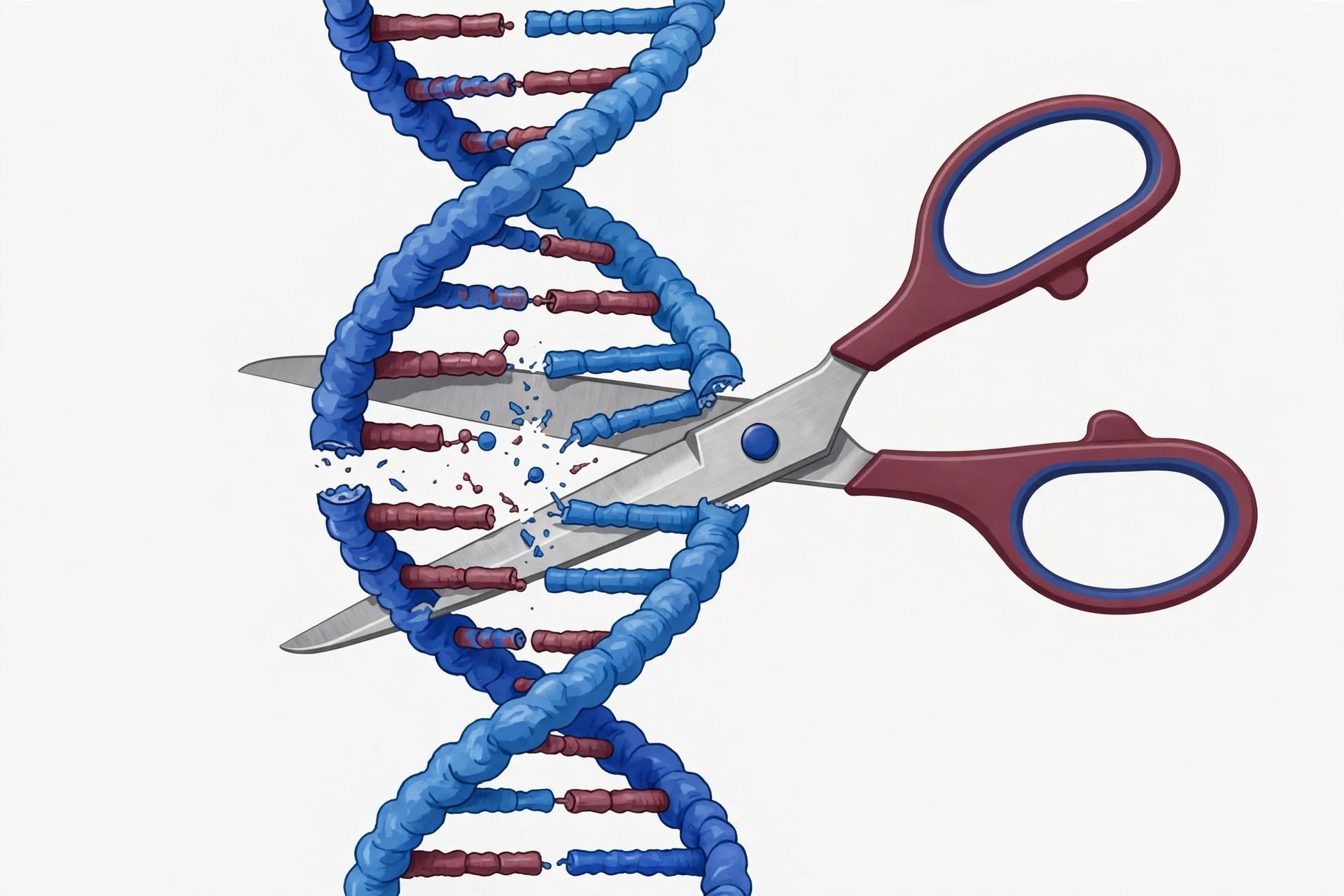
Early attempts to edit human genes used a famous tool called CRISPR-Cas9. Think of original CRISPR as a pair of molecular scissors. It finds a specific spot in your DNA and cuts clear through both strands of the double helix.
While cutting DNA can turn off a faulty gene, “double-strand breaks” bring some risks. When a cell tries to glue the two cut ends of DNA back together, it can sometimes make mistakes. It might accidentally delete a small section of DNA or rearrange pieces erroneously. When treating millions of people for a common illness, doctors need tools that are as safe and precise as possible.
This need for safety led to the innovation of base editing. Developed by researchers like David Liu at Harvard University, base editing is a major leap forward in genetic medicine.2
This need for safety led to the innovation of base editing. Developed by researchers like David Liu at Harvard University, base editing is a major leap forward in genetic medicine.2
Instead of cutting the DNA completely, a base editor works like a pencil and eraser. DNA is made of four chemical bases represented by the letters A, C, G, and T. A base editor travels to a specific spot in the DNA, opens the double strand gently without breaking it, and chemically changes one letter into another.
In VERVE 102, the base editor targets the PCSK9 gene in liver cells. It changes a single A letter to a G letter. This tiny, single-letter change alters the biological instructions just enough to stop the liver cell from producing the PCSK9 protein entirely. Because there are no double-strand cuts, the risk of accidental genetic damage drops significantly.
Inside the Treatment: Delivery via Lipid Nanoparticles
Having a clever genetic editor in a test tube is only half the battle. The biggest challenge in genetic medicine has always been delivery. How do you get the base editor inside millions of liver cells inside a living human body without causing harm?
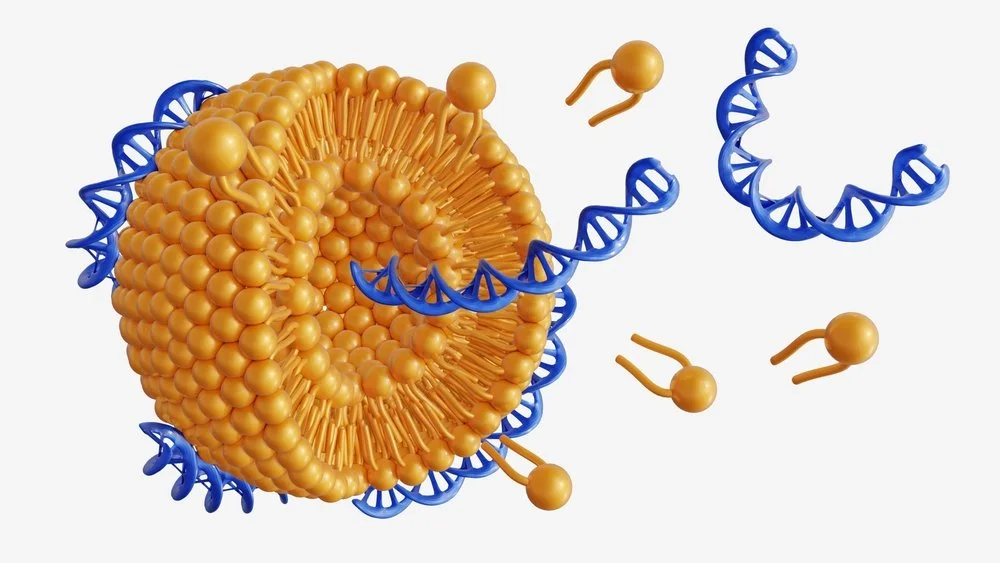
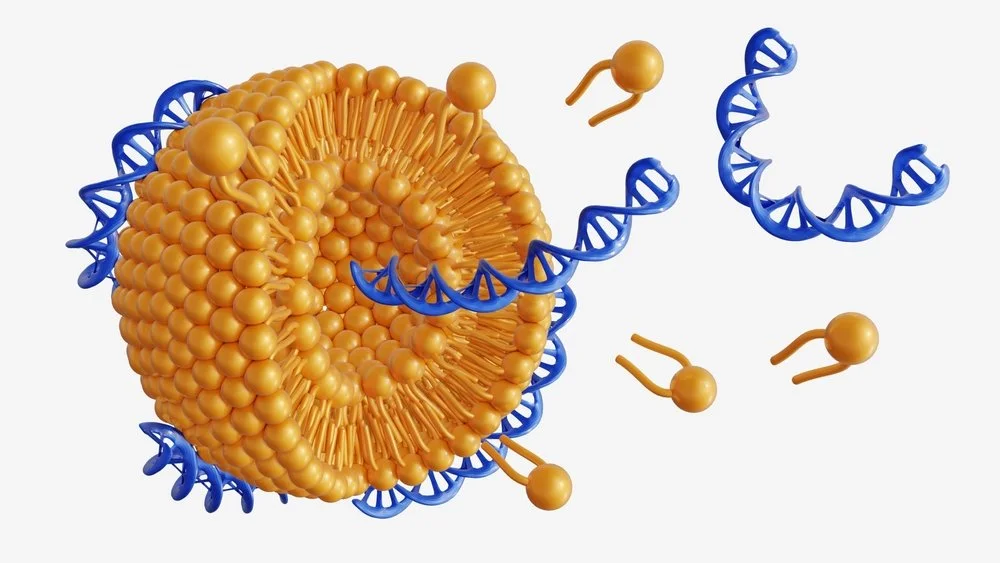
They are solving this by using tiny spheres of fat called lipid nanoparticles, or LNPs. If you received an mRNA vaccine for COVID-19, you are already familiar with lipid nanoparticles. They act like microscopic protective bubbles that carry fragile genetic instructions safely through the bloodstream.
Here is how the treatment works step by step:
- The Dose Preparation: The treatment contains two main components packaged inside the lipid nanoparticle. The first is messenger RNA that tells the cell how to build the base editing protein. The second is a guide RNA that acts like a GPS map, showing the protein exactly where to find the PCSK9 gene. 2.** Simple Infusion:** The patient receives the drug through a simple intravenous, or IV, line in their arm during a standard clinic visit. No surgery, bone marrow removal, or complex hospital stays are required.
- Liver Targeting: The lipid nanoparticles are specially designed with surface molecules that naturally attract them to liver cells. Once injected, they travel through the blood straight to the liver.
- Cell Entry: The liver cells absorb the lipid nanoparticles. Inside the cell, the lipid bubble dissolves, releasing the genetic instructions.
- The Edit: The liver cell uses the mRNA to build the base editor protein. Guided by the guide RNA, the editor enters the cell nucleus, finds the PCSK9 gene, and makes the single-letter change.
- Clean Departure: Once the edit is made, the editor protein and the lipid nanoparticle naturally break down and disappear from the body within a few days. But the change to the DNA remains permanent. Whenever that liver cell divides, its daughter cells inherit the edited, non-working version of the PCSK9 gene.3
Clinical Trial Results and What the Science Shows
The excitement surrounding VERVE 102 comes directly from real clinical data collected in human trials.
Earlier clinical studies testing the first version of this concept showed that base editing could dramatically lower PCSK9 protein levels in humans. However, early delivery methods caused temporary side effects, leading researchers to refine the lipid nanoparticle shell. The updated formulation, VERVE 102, was designed to be gentler on the body while delivering the same powerful genetic edit.
Recent clinical updates show impressive outcomes:
Dramatic Cholesterol Drop: Patients receiving a single high dose of VERVE 102 saw their bad LDL cholesterol levels fall by over 50 to 60 percent.
PCSK9 Shutdown: Measurement of the PCSK9 protein in the blood showed a drop of up to 88 percent, showing that the base editor successfully turned off the targeted gene in most liver cells.
Durable Impact: Follow-up data showed that the reduction in bad cholesterol remained steady over time. Because the edit is made directly to the cell's DNA, the liver continues to produce low cholesterol levels month after month without needing additional doses.
Shifting from Acute Care to Chronic Prevention
For decades, the standard model of medicine has been reactive care. We wait until a person develops high cholesterol or suffers a minor heart event, and then we prescribe a daily pill that they must take for thirty or forty years.
This model has major flaws. First, human behavior is imperfect. Studies show that within one year of being prescribed a daily statin, up to half of all patients stop taking their medication regularly. Life gets busy, prescriptions expire, pills are expensive, and side effects cause people to quit. Every day a patient skips their medication, their risk of a heart attack creeps back up.
Second, chronic care costs healthcare systems a lot. Decades of doctor visits, blood tests, and daily drug refills cost insurance companies, governments, and patients thousands of dollars per year.
Base editing introduces a completely new way of thinking about chronic disease. Scientists call it the "one and done" paradigm. Instead of managing a disease over a lifetime with thousands of pills, a patient receives a single therapeutic intervention that fixes the root cause forever.
If successful in broader Phase 2 and eventual Phase 3 trials, VERVE 102 could transform cardiovascular care from a lifelong burden into a single, proactive medical visit.
Safety and Regulatory Considerations
While the promise of base editing is huge, safety remains the top concern for doctors and regulators alike. When you take a daily pill, you can stop taking it if you experience bad side effects. But when you edit a person's DNA, you cannot hit an undo button. The change is permanent.
Because of this, researchers monitor clinical trial participants very closely for two primary risks:
Off-target Editing
An off-target edit happens if the guide RNA accidentally directs the base editor to the wrong spot in the genome. If the tool alters a healthy, important gene elsewhere in the cell, it could lead to unexpected health problems, including cancer. To prevent this, scientists use advanced computer modeling and deep sequencing to test millions of DNA sites, ensuring the guide RNA only binds to the target gene.
Liver Health and Inflammation
Because the drug delivers lipid nanoparticles directly to the liver, doctors must monitor patients for liver inflammation or temporary spikes in liver enzymes. Clinical trials track blood tests closely after the infusion to verify that the liver remains healthy and functions normally.
Regulatory bodies like the FDA require gene editing candidates to undergo years of careful tracking. Patients in early trials are followed for up to fifteen years to confirm that the editing remains safe and effective over long periods.
Expanding Beyond Cholesterol
Big pharmaceutical companies believe gene editing is ready for common conditions.
In the past, gene therapy was reserved almost exclusively for rare, deadly genetic conditions like sickle cell disease or spinal muscular atrophy. These conditions affect small numbers of people who have no other treatment options. Because the conditions are severe, regulators and patients are willing to accept higher costs and risks. Eli Lilly's acquisition of Verve Therapeutics in mid-2025 signals a major shift away from that model.
High cholesterol affects tens of millions of adults worldwide. By bringing base editing to hyperlipidemia, they are testing whether genetic medicine can scale up to treat common public health problems.
If base editing works safely for high cholesterol, the same platform can be adapted to treat many other long-term health issues:
- High Triglycerides: Editing genes like ANGPTL3 to lower dangerous blood fats.
- Hypertension: Targeting genes involved in blood pressure regulation to permanently lower high blood pressure.
- Type 2 Diabetes: Editing specific liver or pancreas pathways to improve how the body responds to insulin.
- Liver Disease: Turning off genes that cause fat accumulation or scarring in the liver. 4
The Path Ahead
The journey of VERVE 102 through clinical trials is one of the most exciting stories in modern medicine. It represents a shift in how humanity approaches human health. We are moving away from treating symptoms with daily chemicals and moving toward fixing the underlying source code of human disease.
Important questions remain to be answered over the coming years. Will insurance companies cover the upfront cost of a one-time gene editing treatment? How long will the cholesterol-lowering effect last in humans over twenty or thirty years? Will broader trials confirm that side effects remain minimal?
As Phase 2 trials continue to gather data, the scientific world is watching closely. If the results hold true, we may be standing at the beginning of an era where heart attacks become a preventable worry of the past, defeated by a single, precise genetic edit.
Navigating complex regulatory expectations, quality systems, and clinical trial oversight is vital, as gene therapies and advanced precision technologies scale toward mass markets. Contact Metis Consulting Services
Footnotes:
You can read more about how lipid nanoparticles deliver therapies by visiting the National Institutes of Health website.
To explore ongoing research in genetic science and biotechnology, you can visit the World Health Organization website.
To learn more about how clinical trials are designed and monitored for safety, check out the educational resources on the US Food and Drug Administration website.
Prime Editing: Changing How We Fix Broken Genes
This week in the Guardrail, we explore how next-generation gene editing is moving beyond rougher cellular cuts toward surgical precision.
By Michael Bronfman
September 7, 2026
Think of it like a search-and-replace tool for human DNA.
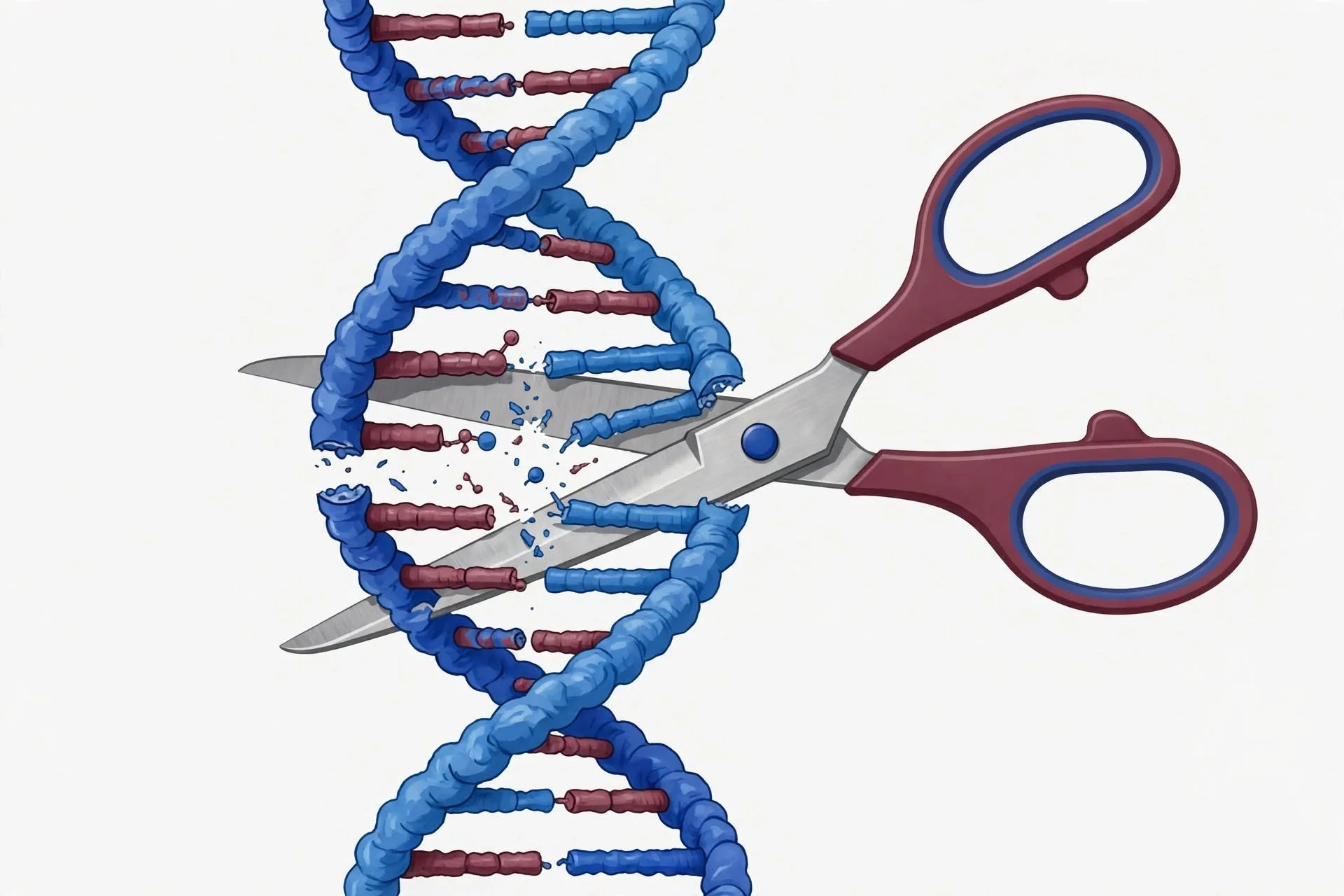
For years, genetic medicine relied on older CRISPR tools. Older CRISPR works like molecular scissors. It cuts both strands of human DNA at a specific spot. Then, the cell tries to patch the broken DNA back together. This process can create mistakes. It can cause unwanted cuts in other parts of the genome. These mistakes are called off-target effects.
Prime editing is different. It does not cut both strands of the DNA double helix. Instead, it cuts only one single strand. This makes the editing process much safer and more precise.
Right now, prime editing is moving into a major human testing phase. Researchers are running clinical trials to see how well it works inside the human body. Early trial data focuses on diseases that affect the liver and the lungs.
How Prime Editing Works
To understand prime editing, it helps to review the main parts of the cell system.
The Target Site
Every cell carries DNA. DNA holds the instructions for life. These instructions are written in four chemical letters. They are A, T, C, and G. Sometimes, a single letter is wrong. That small error can cause a severe genetic disease.
The Search Tool
Prime editing uses a modified protein to find the exact location of the error. The system includes a custom guide sequence. This guide moves through the cell and locks onto the matching spot in the genome.
The Replace Tool
Once the tool finds the target, an enzyme goes to work. This enzyme is a reverse transcriptase. It reads new genetic instructions carried by the prime editing guide. Then, it writes those new letters directly into the target single strand of DNA. The cell integrates this corrected sequence, fixing the original error.
What is the Difference between Prime Editing and Older CRISPR Tools?
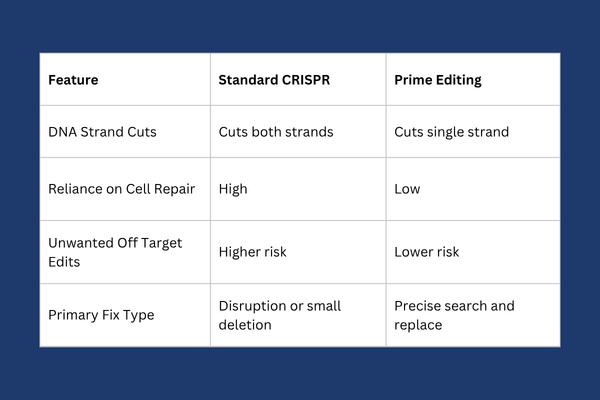
Standard CRISPR acts like a rough-cut tool. It is great for breaking a target gene so it stops working. However, standard CRISPR is less effective at making tiny, precise repairs.
Prime editing acts more like a word processor. It allows scientists to insert new DNA sequences, delete bad sequences, or swap individual chemical letters without causing double-strand breaks.
Key Medical Applications
Scientists are testing prime editing across several major therapeutic areas.
Liver Diseases
The liver is an ideal target for initial genetic treatments. Liver cells readily take up therapeutic delivery vehicles like lipid nanoparticles. Conditions such as alpha-1 antitrypsin deficiency cause toxic proteins to build up in liver cells. Prime editing can target the exact point mutation that causes the bad protein. By correcting the single-letter mistake, liver cells can start making normal, healthy proteins.
Lung Diseases
Lung tissue presents distinct challenges, but new delivery tools are making progress possible. Conditions like cystic fibrosis stem from errors in specific genes that regulate salt and fluid balance in lung tissue. Prime editing can swap out these faulty genetic sequences in lung stem cells. This can restore normal mucus flow and clear airway pathways.
Blood Disorders
Sickle cell disease and beta thalassemia stem from single-letter errors in the hemoglobin gene. Prime editing can rewrite those specific letters back to their healthy form. Because this fix avoids double-strand DNA breaks, it reduces the risk of dangerous chromosome rewiring in blood stem cells.
The Path Through Clinical Trials
Taking a new genetic therapy from the lab to patients requires careful clinical evaluation.
Preclinical Testing: Scientists test the editor in human cells grown in dishes and in animal models. They measure editing efficiency and check for off-target cuts across the whole genome.
Phase 1 Human Trials: A small group of patients receives the treatment. The main goal here is safety. Doctors monitor patients closely to ensure the immune system does not overreact to the editing tools.
Phase 2 Human Trials: Researchers test the therapy in a larger group of patients. They measure efficacy. For liver and lung diseases, doctors test if the organ begins functioning normally and if disease symptoms improve.
Phase 3 Human Trials: Large trials compare the new prime editing therapy against current standards of care. If successful, the therapy moves toward regulatory approval.
Challenges to Overcome
While prime editing holds enormous promise, several technical hurdles remain.
Delivery Mechanisms
Getting the prime editing tools inside the correct human cells remains a key challenge. Researchers use lipid nanoparticles or modified viral vectors to transport the editors. Ensuring these delivery systems reach the lung or liver without causing unwanted inflammation is a major focus of ongoing trials.
Editor Size
Prime editing systems are larger than basic CRISPR systems. The combined molecular machinery includes the nickase protein, the reverse transcriptase enzyme, and the extended guide RNA strand. Packing all these components into a single delivery vector requires advanced engineering.
Editing Efficiency
In some cell types, prime editing works with high efficiency. In non-dividing cells, the efficiency rates can drop. Researchers are tweaking the guide RNA structures and protein enzymes to boost edit success rates across all human tissue types.
Prime editing expands the capabilities of modern genetic medicine by refining how scientists interact with the human genome. Traditional gene editing frameworks often rely on creating double-strand breaks in the DNA backbone. While these early methods successfully disrupt harmful genetic pathways, they rely heavily on unpredictable cellular repair mechanisms that can introduce unwanted insertions, deletions, or structural chromosomal rearrangements. Prime editing avoids these outcomes by acting as a targeted search-and-replace system.
The architecture of a prime editor combines a modified Cas9 protein with a reverse transcriptase enzyme and a custom prime editing guide RNA. The modified Cas9, known as a nickase, cuts only a single strand of the target DNA helix rather than severing both strands completely. The engineered guide RNA performs two vital roles simultaneously: it directs the protein complex to a specific sequence within the genome and provides the fresh template sequence for the repair. Once the guide locates its matching target site and the single strand is nicked, the attached reverse transcriptase reads the new instructions written on the guide RNA and directly synthesizes the corrected DNA strand at the target site. The cell then incorporates this pristine sequence while replacing the original erroneous sequence, correcting single-letter mutations, small deletions, or precise insertions without relying on random cellular repair pathways.
Moving this technology into human clinical applications requires addressing significant biological and engineering demands, particularly surrounding delivery and tissue specificity. In vivo applications depend on delivering large molecular machinery into non-dividing or specialized adult cells. For targeted therapies focusing on the liver and lungs, researchers utilize lipid nanoparticles and viral vectors designed to protect the fragile RNA components until they cross the cellular membrane. Once inside the cytoplasm, the machinery translates into functional proteins, enters the nucleus, and executes the precise rewrite. Clinical studies monitor therapeutic efficacy alongside off-target activity across non-target tissues, ensuring that the prime editor operates solely within designated cellular populations.
Beyond single-organ applications, the broader potential of prime editing includes complex hematologic conditions, muscular dystrophies, and neurodegenerative disorders. Many human genetic diseases stem from point mutations—single nucleotide changes within a sequence of billions of base pairs. Traditional editing methods struggled to repair these point mutations cleanly without leaving behind unwanted genomic scars. By offering pinpoint accuracy, prime editing establishes a foundation for curative therapies that correct root causes rather than managing lifelong symptoms. Ongoing advancements in protein engineering continue to shrink the physical size of the reverse transcriptase domain, improve editing efficiency in quiescent cell types, and optimize guide RNA stability, bringing precise genome surgery closer to standard clinical practice.
For comprehensive background on genome editing protocols and clinical developments, explore research resources available through the National Institutes of Health at https://www.nih.gov.
Looking Ahead
Prime editing represents a major leap forward for genetic medicine. By avoiding double-strand cuts and offering true “search and replace” capability, it opens the door to treating thousands of inherited genetic conditions.
Over the next few years, clinical data from ongoing liver and lung trials will show how safely and effectively this tool operates in humans. If these trials succeed, prime editing could become the new gold standard for precise genomic medicine.
Prime editing is changing how scientists fix broken genes. For years, genetic medicine relied on older CRISPR tools. These older tools work like molecular scissors. Older CRISPR cuts both strands of human DNA at a specific spot. Then, the cell tries to patch the broken DNA back together. This process can create mistakes. It can cause unwanted cuts in other parts of the genome. These mistakes are called off-target effects.
Prime editing is different. It does not cut both strands of the DNA double helix. Instead, it cuts only one single strand. This makes the editing process much safer and more precise.
Right now, prime editing is moving into a major human testing phase. Researchers are running clinical trials to see how well it works inside the human body. Early trial data focuses on diseases affecting the liver and lungs.
Streamline your clinical development, navigate regulatory hurdles, and bring groundbreaking therapies from the lab to the clinic faster. Contact Metis Consulting Services now.
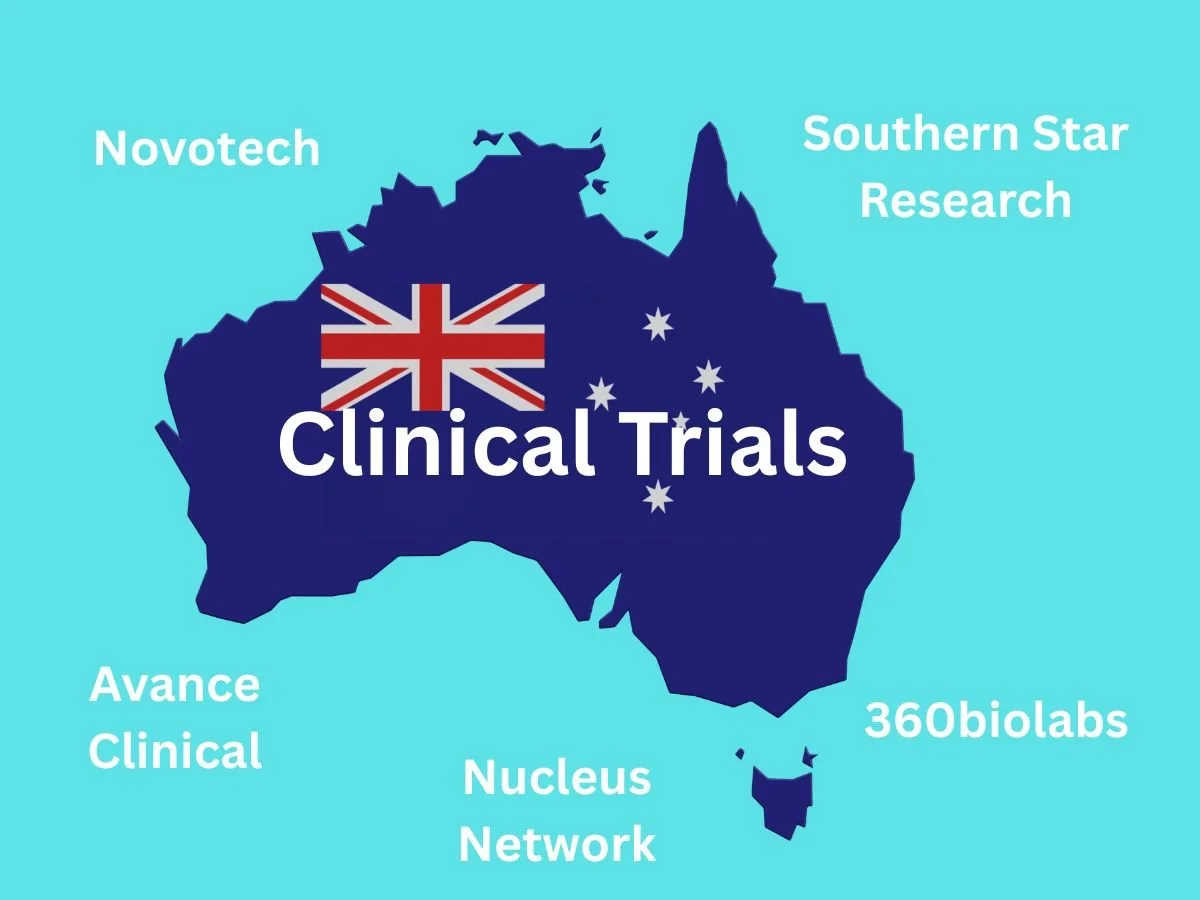
The Australian Advantage in Early Stage Clinical Trials
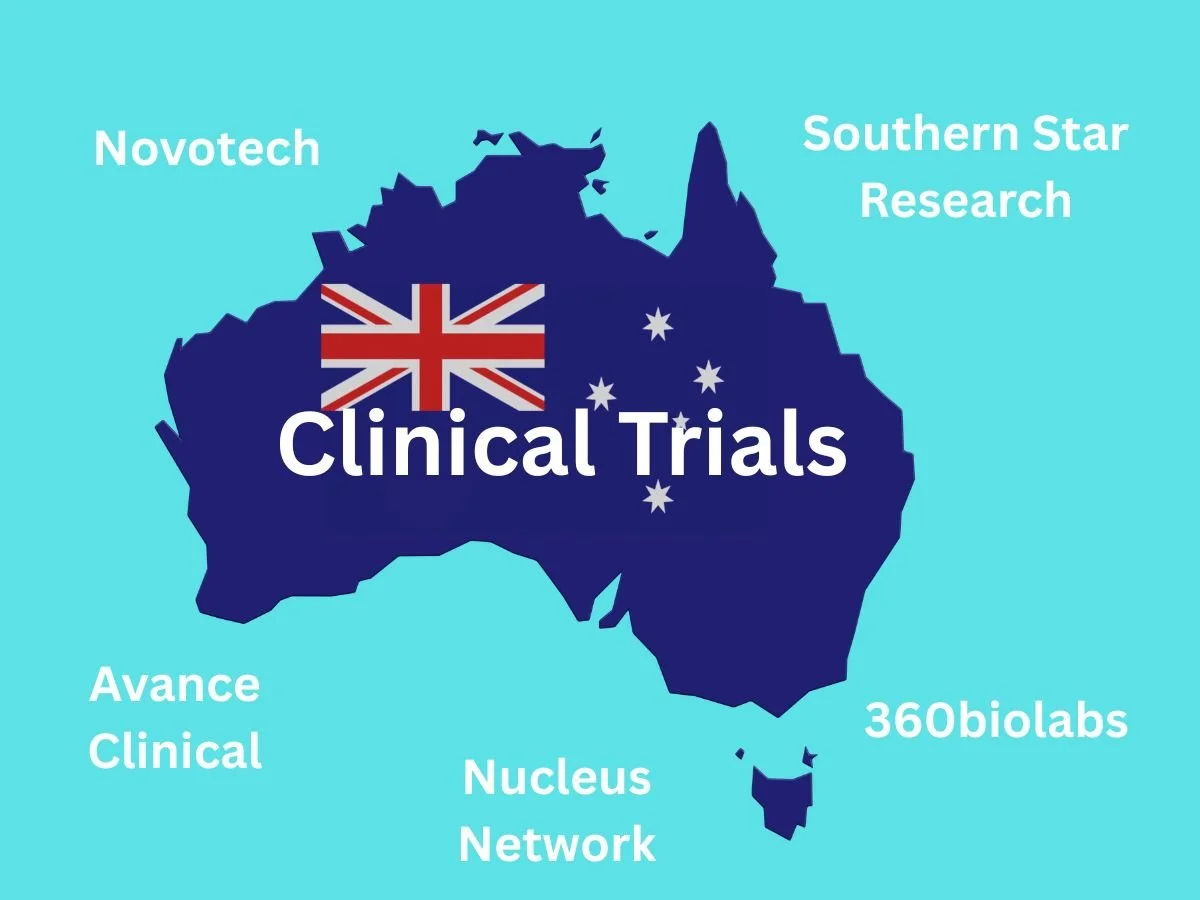
This week in the Guardrail, we explore how the Aussie Advantage-how Australia has leveraged rapid regulatory timelines and aggressive financial incentives to solidify its position as the premier global destination for Phase 1 clinical trials.
By Michael Bronfman
March 30, 2026
When a pharmaceutical company creates a new medicine, the most exciting and scary step is the first time it is given to a human. This is called a “First in Human” or Phase 1 trial. For decades, many companies sent their studies to the United States or Europe. Today, the world is looking at Australia. This country has become a global leader for early-stage clinical trials. In 2026, the "Australian Advantage" is a major topic in the medical world. Here is why so many biotech companies are heading down under to start their research.
Speed Is the Greatest Tool
In the world of medicine, time is everything. If a company can start a trial faster, it can help patients sooner. Australia has a very special system for approving trials that is much faster than that in the United States. In the US, companies must wait months for the Food and Drug Administration to review their plans. In Australia, the process is streamlined.
The Australian system uses a scheme called the Clinical Trial Notification (CTN) scheme. Instead of a long government review, the trial is reviewed by a local ethics committee at a hospital or research center. Once the committee says the trial is safe, the company simply notifies the government. This allows trials to start in just five or six weeks. This speed helps companies save money and move their science forward without waiting for paperwork. You can see how this process works on the Therapeutic Goods Administration website.
A Massive Financial Incentive
Running a clinical trial is very expensive. It can cost millions of dollars to test a new drug. The Australian government wants to help companies do this work in their country. To do this, they offer one of the best tax breaks in the world.
Small and medium companies can get a cash refund of 43.5 percent for every dollar they spend on research in Australia. This means if a company spends one million dollars on a trial, the government gives them back over four hundred thousand dollars in cash. This is not just a tax credit for the future. It is real money that companies can use to fund more research right away. This financial help makes Australia about 60 percent cheaper than the United States for early-stage studies. Many companies use this to stretch their budget and test more ideas.
World Class Quality and Data
Speed and money are important, but they do not matter if the data is not good. Australia is famous for having some of the best doctors and hospitals in the world. The scientists there follow the highest international rules for research. These rules are called Good Clinical Practice.
Because the quality is so high, the data from Australian trials is accepted by major health groups like the US Food and Drug Administration and the European Medicines Agency. A company can conduct its initial tests in Australia and then use the same data to apply for a license in the US or Europe. They do not have to repeat the work. This makes Australia a perfect "launchpad" for global medical development.
A Diverse and Willing Population
For a clinical trial to work, you need people to participate. Australia is a very multicultural country. It has people from many different backgrounds and ethnicities. This is important because medicines can affect different people in different ways. Researchers need a diverse group of people to make sure a drug is safe for everyone.
Australians are also known for being very supportive of medical research. Many people are excited to join trials to help find cures for diseases like cancer or Alzheimer's. There are even special networks, such as the NSW Early Phase Clinical Trials Alliance, that help connect patients with new trials across the country. This makes it much easier for companies to find the volunteers they need.
Advanced Technology and Innovation
In 2026, Australia is at the cutting edge of new medical technologies. They are leaders in areas like gene editing and cell therapy. The labs in cities like Sydney and Melbourne have the latest equipment to study how new drugs work at a microscopic level.
Australian companies and researchers are also using artificial intelligence to help design better trials. This technology helps them predict which patients will respond best to a new treatment. By using the best technology, Australia ensures that every trial is as smart and efficient as possible. Organizations like Novotech help companies from all over the world navigate this high-tech environment.
Seasonal Advantages for Research
One unique advantage of Australia is its location in the Southern Hemisphere. When it is winter in the US and Europe, it is summer in Australia. This is very helpful for testing medicines for seasonal issues like the flu or allergies. Researchers can follow the seasons around the world to keep their studies going year-round. Instead of waiting for next winter in the North, they can simply move their study to the South. This "seasonal bridge" is a clever way to save time in the drug development process.
Strong Protection for Ideas
Companies spend a lot of time and money creating new medicines. They want to be sure that their ideas are safe. Australia has very strong laws to protect intellectual property. This means that when a company brings a new discovery to Australia, they own it completely. They do not have to worry about someone else stealing their hard work. This safety gives business leaders the confidence to bring their most important projects to Australian soil.
The Future of Global Medicine
As we look at the future of public health, Australia will continue to play a big role. The country is not just a place for early tests anymore. It is becoming a hub where the next generation of life-saving cures is born. By making trials faster, cheaper, and higher-quality, Australia is helping the whole world access better medical care.
For a young scientist or a biotech founder, Australia is the place to be in 2026. The combination of government support and scientific excellence is hard to find anywhere else. As more companies realize this, the Australian biotech sector will only continue to grow. BioPharma APAC keeps track of the latest news in the region.
The Australian Advantage is real, and it is growing. By focusing on speed and quality, Australia has made itself the top choice for “first in human” trials. Whether it is the 43.5 percent tax refund or the fast five-week startup time, the benefits are clear. Most importantly, this system helps get new medicines to the people who need them faster than ever before. Australia is proving that you do not have to be the biggest country to be a leader in the world of medicine.
Australia’s Leading Partners for First in Human Clinical Trials
When a biotech company decides to use the Australian Advantage, they usually hire a local expert called a Contract Research Organization ( CRO). These groups handle all the paperwork and find the best hospitals for the study.
Here is a list of the top partners in Australia for early-stage trials in 2026.
1. Novotech
Novotech is the largest independent CRO in the Asia Pacific region. They are experts at helping companies from the United States and Europe move their trials to Australia. They focus on fast startup times and high-quality data.
Specialty: Biotechnology and oncology (cancer) research.
Website: Novotech Health
2. Avance Clinical
Avance Clinical is known for being very agile. They specialize in Phase 1 trials and have a very high success rate with the Australian government’s 43.5 percent tax incentive. They often work with small companies that need to move quickly.
Specialty: Rare diseases and early-stage vaccines.
Website: Avance Clinical
3. Nucleus Network
This group is unique because they have their own dedicated clinics in Melbourne and Brisbane. They have over 150 beds specifically for people participating in First-in-Human trials. This means they do not have to wait for space at a public hospital.
Specialty: Complex Phase 1 studies and healthy volunteer trials.
Website: Nucleus Network
4. Southern Star Research
Southern Star is a boutique CRO based in Sydney. They offer a very personal service for international clients. They are experts in the Clinical Trial Notification (CTN) scheme which allows for that famous five-week trial startup time.
Specialty: Medical devices and respiratory medicine.
Website: Southern Star Research
5. 360biolabs
While the other groups manage the trials, 360biolabs is the leading laboratory in Australia. They test the blood and tissue samples from the trials to see exactly how the new medicine is working. Their data is world-class and accepted by every major global health agency.
Specialty: Specialty laboratory services and virology.
Website: 360biolabs
How to Choose an Australian Partner
Choosing the right partner is the most important decision for a new medical project. Here are three things to look for when researching these groups.
Look for Local Knowledge
A good partner should know the Australian tax system inside and out. They should be able to tell you exactly how to get your 43.5 percent cash refund from the Australian Tax Office. If they cannot explain the finances clearly, they might not be the right fit.
Check Their Track Record
Ask the CRO how many First in Human trials they have managed in the last three years. Speed only matters if the trial is done correctly. You can verify their experience by checking the public database of every trial happening in the region. The Australian New Zealand Clinical Trials Registry.
Verify Their Global Status
Ensure that the CRO has experience working with the US FDA. Since most companies eventually want to sell their medicine in the United States, the Australian data must be perfect. A partner that understands global rules will save you a lot of time later on.
Maximizing the Aussie Advantage requires a global perspective and sophisticated tactical execution. Metis Consulting Services combines deep-seated technical expertise with the strategic capabilities necessary to help you bridge the gap between Australian early-stage success and global regulatory approval.
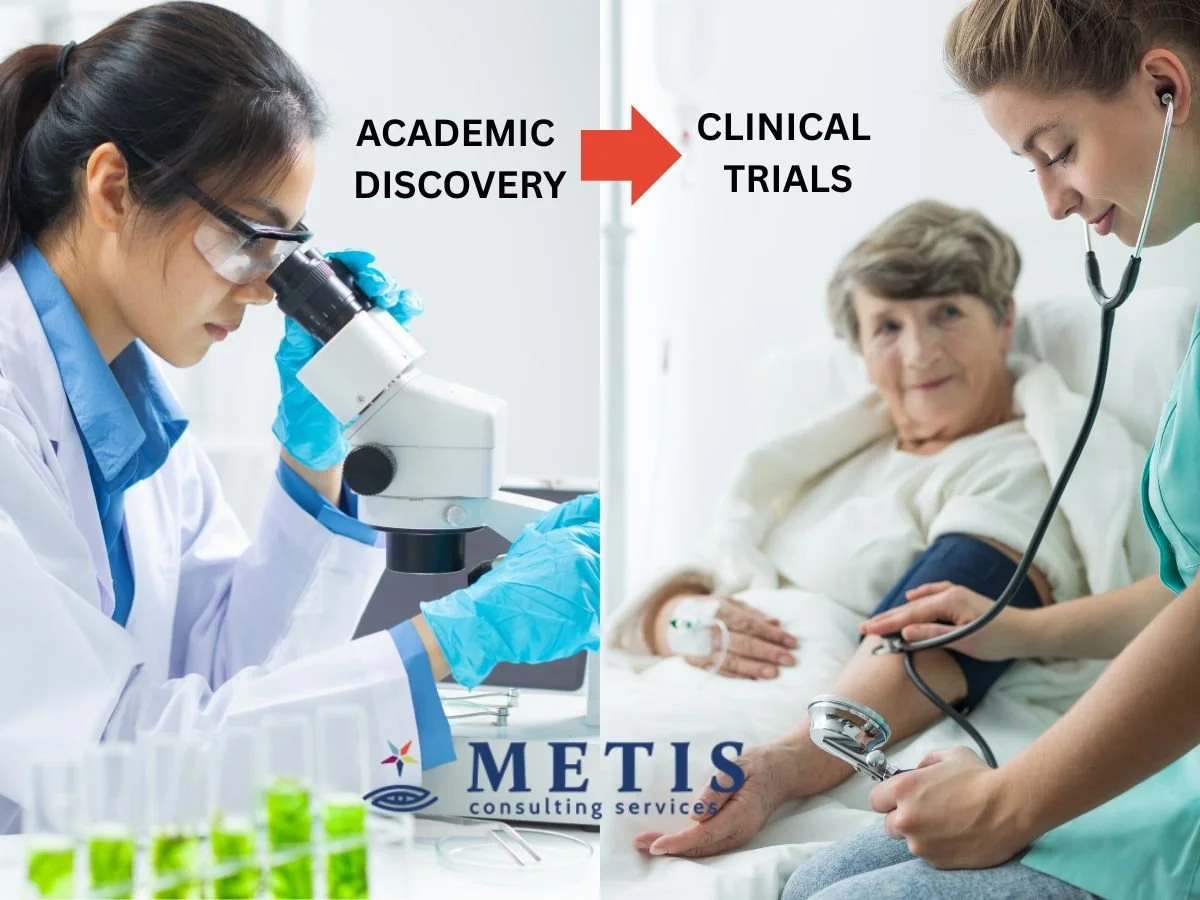
From Academic Discovery to Clinical Trials: Transitional Priorities
Moving a drug from academic discovery to clinical trials is one of the most critical phases in pharmaceutical development. Academic research often focuses on understanding disease mechanisms and identifying potential targets
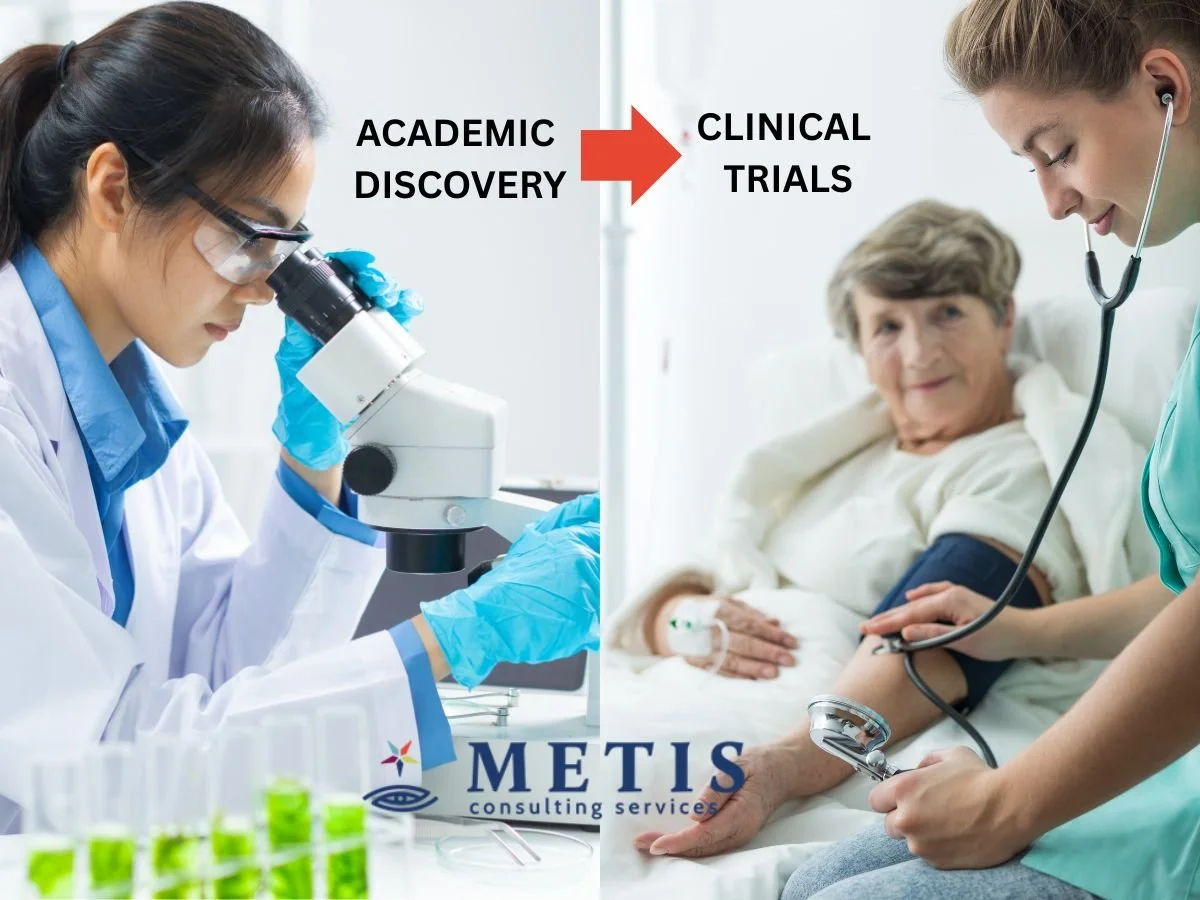
This week in the Guardrail, we explore the rigorous journey between bench-side innovation and bedside application. Read the article for the essential regulatory and manufacturing milestones necessary to successfully transition a drug from academic discovery into human clinical trials
By Michael Bronfman
March 9, 2026
Moving a drug from academic discovery to clinical trials is one of the most critical phases in pharmaceutical development. Academic research often focuses on understanding disease mechanisms and identifying potential targets. Translating those discoveries into therapies that can be tested in humans requires careful planning, rigorous validation, and a strong focus on regulatory and operational priorities.
The transition from academic discovery to clinical development is not automatic. Many promising compounds fail to progress because key priorities are overlooked. Companies that understand these priorities can increase the likelihood of successful trials and regulatory approval.
Understanding the Gap Between Discovery and Development
Academic labs are excellent at generating novel ideas and identifying biological targets. However, academic research is usually exploratory. Experiments may be small-scale, conditions controlled, and outcomes focused on understanding mechanisms rather than therapeutic benefit.
Clinical development requires a shift. Compounds must be reproducible, manufacturable, and safe for human testing. Regulatory requirements for documentation, quality, and ethics become central.
Filling this gap requires early planning for pharmacology, toxicology, and chemistry manufacturing and controls, known as CMC.
Establishing a Strong Preclinical Package
Before a drug can enter clinical trials, an extensive preclinical package is essential. Preclinical studies show safety and provide dosing guidance for first-in-human studies.
Key areas include:
Pharmacokinetics and pharmacodynamics, understanding how the drug behaves in the body and its mechanism of action
Toxicology, assessing possible harmful effects in relevant animal models
Formulation and stability, guaranteeing the drug can be reliably manufactured and stored
The FDA provides guidance on preclinical safety evaluation at https://www.fda.gov/regulatory-information/search-fda-guidance-documents/s6r1-preclinical-safety-evaluation-biotechnology-derived-pharmaceuticals
A strong preclinical package increases confidence for regulatory submission and trial planning.
Regulatory Engagement Early and Often
Early engagement with regulators is critical. Discussions with the FDA or EMA can clarify what data is needed to move into clinical trials.
Pre-IND (pre-Investigational New Drug (pre-IND) meetings or Scientific Advice meetings with EMA allow sponsors to present plans and receive feedback. This reduces the risk of surprises during submission review.
Regulatory guidance and meeting information can be found at:
Translating Academic Findings Into Clinical Protocols
Academic studies often use models that may not fully reflect human disease. Translating findings into a clinical protocol calls for careful consideration.
Clinical trial design must define endpoints, patient populations, and dosage regimens. Safety monitoring must be rigorous. Feasibility and patient recruitment plans should be realistic.
Collaboration between discovery scientists, clinical experts, and regulatory professionals ensures that the transition maintains scientific integrity while meeting clinical standards.
Manufacturing and Quality Considerations
Academic labs rarely operate under Good Manufacturing Practice (GMP) standards. Moving into clinical trials requires that compounds be manufactured under controlled conditions.
GMP ensures consistency, purity, and traceability. Sponsors must validate manufacturing processes, control raw materials, and document production.
FDA guidance on GMP requirements is available at
Early attention to manufacturing reduces delays and supports regulatory confidence.
Intellectual Property and Commercial Considerations
Transitioning a compound to clinical trials also demands focus on intellectual property. Patents protect innovations and support investment in development.
Sponsors must assess freedom-to-operate, patent coverage, and potential competitor activity. These considerations impact strategy and partnerships.
Establishing Risk Management Plans
Clinical development entails inherent risk. Safety, efficacy, and operational risks must be identified and mitigated.
Developing a risk management plan includes monitoring safety signals, contingency planning, and guaranteeing compliance with regulatory requirements.
This proactive method supports smooth trial conduct and regulatory inspection readiness.
Building Cross-Functional Teams
Successful transition entails collaboration across multiple disciplines. Discovery scientists, clinical operations, regulatory affairs, quality, and commercial teams must work together.
Effective coordination and mutual objectives avoid misalignment and accelerate progress.
Training and clear role definitions are essential to uphold compliance and accountability.
Patient Considerations and Ethics
Moving from discovery to human trials introduces ethical obligations. Patients must be protected via informed consent, risk minimization, and oversight by institutional review boards or ethics committees.
Clinical study protocols must clearly define inclusion and exclusion criteria, monitoring procedures, and termination rules.
Ethical conduct is mandatory and foundational to regulatory approval.
Timeline Planning and Milestones
Transition planning includes realistic timelines and milestones. From preclinical studies to IND submission and first patient dosing, each stage has dependencies.
Delays frequently occur due to insufficient data, regulatory questions, or manufacturing issues. Detailed planning helps teams foresee obstacles and allocate resources optimally.
Project management tools, milestone tracking, and clear communication reduce bottlenecks and improve efficiency.
Documentation and Data Validity
Data from discovery and preclinical studies must be well documented. Traceability from raw data to reports supports regulatory review and internal decision-making.
Audit-ready records, standardized reporting, and quality checks guarantee that evidence can be defended during inspections.
FDA guidance on data validity can be found at https://www.fda.gov/inspections-compliance-enforcement-and-criminal-investigations
Partnerships and External Expertise
Many organizations rely on external partners to support the transition. Contract research organizations, academic collaborators, and consultants bring specialized expertise.
Sponsors must manage these relationships carefully. Contracts, oversight, and communication plans ensure that responsibilities are clear and quality standards are met.
Glancing Ahead
The transition from academic discovery to clinical trials is a defining phase in drug development. Attention to preclinical data, regulatory engagement, manufacturing, risk management, and team alignment sets the stage for successful clinical programs.
Organizations that plan deliberately, execute rigorously, and sustain compliance are more likely to advance therapies safely and efficiently to patients.
The transition from discovery to development is fraught with complexity, but you don’t have to navigate it alone. Contact Metis Consulting Services today to leverage our deep regulatory expertise and strategic oversight, ensuring your breakthrough therapy moves from the lab to the clinic with precision, speed, and total compliance.

How AI Is Reducing Drug Development Timelines From Years to Months
Today, artificial intelligence (AI) is changing this story. With the help of AI, scientists and companies are finding ways to shrink drug development timelines from years to months. Reshaping the pharmaceutical industry can accelerate drug development, improve efficiency, and potentially increase the success of projects.

The traditional path to bringing life-saving medicine to market is a marathon that often spans over a decade. This week in the Guardrail, we explore how artificial intelligence is shattering these timelines, transforming a process that once took years into one that takes mere months
Written by Michael Bronfman for Metis Consulting Services
December 29, 2025
Developing new medicines has long been one of the slowest processes in science. In the traditional system, creating a new drug from the first idea to a product patients can use often takes ten to fifteen years, costs billions of dollars, and succeeds less than one in ten times. This long and expensive process leaves many patients waiting while the disease continues to cause suffering.
Today, artificial intelligence (AI) is changing this story. With the help of AI, scientists and companies are finding ways to shrink drug development timelines from years to months. Reshaping the pharmaceutical industry can accelerate drug development, improve efficiency, and potentially increase the success of projects.
In this article, we explain how AI is speeding up drug development, which stages of the process are changing most, and what this means for patients, scientists, and the future of medicine.
The Drug Development Timeline:
Before we explore AI, it is essential to understand the historical pathway of drug development. The process has multiple stages:
Target Identification: a molecule or biological process that is modifiable to treat a disease is identified by researchers.
Drug Discovery: Scientists design or find chemical compounds to interact with the target.
Preclinical Testing: To assess safety and efficacy, compounds are evaluated in cell and animal models.
Clinical Trials: If a compound is promising, it proceeds to human trials in three phases to assess safety and efficacy.
Regulatory Approval: Health authorities, such as the EMA and the FDA, review all data before approving a drug.
Each step can take years, especially clinical trials. Even after all this work, most drug candidates fail before approval. The combined effect is slow progress for patients and high costs for companies.
AI is now being used to transform nearly every stage of this timeline, thereby accelerating drug development and making it more predictable.
How AI Speeds Up Drug Development
Target Identification in Months Instead of Years
Target identification was once a lengthy, manual process involving laboratory experiments and trial-and-error. AI now allows researchers to analyze millions of data points from genetics, proteomics, and clinical records in hours or days rather than years. Machine learning models can identify potential biological targets much more quickly¹.
These advanced algorithms process data far faster than humans can and find connections that might be invisible in traditional research. Scientists can then decide which targets are worth pursuing months earlier than before, reducing the earliest phase of drug discovery from years to months².
AI Accelerates Lead Optimization
Once researchers have a target, the next step is to find compounds that interact with that target effectively and safely. In the past, this involved testing thousands of molecules in the lab. Now, AI can simulate molecule interactions in a computer, significantly shrinking the time needed for lead optimization³.
AI models can predict how changes to a molecule’s structure will affect its performance. These predictions reduce the amount of physical laboratory work required and help scientists focus on the most promising candidates first³. This step, which once took several years, can now be completed in a handful of months in some cases¹.
Predicting Outcomes Before Lab Tests Begin
AI can also forecast how a potential drug might behave in real biological systems. This capability enables researchers to assess toxicity, absorption, metabolism, and possible side effects in advance².
For example, deep AI models can now simulate aspects of human biology that once required years of animal testing or early human trials². These predictions help researchers avoid investing time in compounds likely to fail later. When AI rules out unworkable options early, it saves years of work and millions of dollars³.
Generative AI Is Designing Drug Candidates
Generative AI is a subset of Artificial Intelligence designed to create new molecules. This technology can generate tens of thousands of potential drug structures within hours, narrowing them down to the most promising options⁴.
Some of these AI-designed molecules are entering clinical trials much faster than traditional drug candidates. In one example, an AI platform developed a candidate and reached preclinical testing in 13 to 18 months, rather than the typical 2.5 to 4 years⁴.
Improving Success Rates in Early Trials
Traditional methods often yield a high failure rate before human testing begins. However, AI-assisted drug candidates exhibit substantially higher success rates in early clinical phases than conventional compounds⁵.
Industry studies report that AI-discovered candidates achieve Phase I success rates of 80–90%, compared with the industry average of 40–65%¹. These rates mean fewer setbacks and less time.
Faster Clinical Trial Design and Enrollment
AI is transforming clinical trials, which are among the most protracted and most expensive phases of development. By analyzing patient data, AI can more quickly identify the most suitable participants for a study⁶, thereby accelerating enrollment and increasing the likelihood that trials will yield meaningful results.
Other AI tools monitor patient data in real time and predict how participants may respond⁶. These tools can help researchers quickly adjust trial protocols, reducing months or even years from the clinical trial timeline⁶.
Real-World Examples of AI Cutting Timelines
AI Platforms Reducing Drug Development to Months
Some companies are already using AI to compress timelines dramatically. For example, a biotechnology firm developed a system that could shorten the stages of small-molecule drug development from months to two weeks for certain tasks⁷. That same system is projected to save one to one-and-a-half years before clinical trials start⁷.
Collaborations Between AI Firms and Big Pharma
Major pharmaceutical companies are partnering with AI startups to accelerate drug design. One collaboration between a U.S. biotech and a global pharmaceutical firm uses AI to produce drug candidates in three to four weeks from design to lab testing⁸.
These partnerships demonstrate that well-established pharmaceutical companies are adopting AI technologies to remain competitive and bring therapies to patients more quickly.
Why This Matters for Patients and Society
Faster drug development enables life-changing therapies to reach patients sooner. For patients with rare diseases or conditions for which there are no effective treatments, time saved in development is time saved from suffering. It also means that health systems could respond more rapidly to emerging disease threats, such as outbreaks or rising rates of chronic illness.
Accelerated development may reduce costs. When early failure is avoided and fewer resources are spent on unpromising candidates, resources are freed for investment in further research and development. These cost savings may eventually lower prices for patients, although this effect may depend on regulation and market forces.
Finally, increased efficiency may encourage greater investment in areas once considered too risky or too slow, such as treatments for neurological diseases or complex cancers.
Challenges and Realities
While AI is transforming drug development, we must remain grounded in reality. AI does not eliminate the need for human creativity, rigorous scientific validation, safety testing, or regulatory review. Human oversight remains essential in laboratory work, clinical trials, and data interpretation.
The future will involve proper regulation of AI tools to ensure they are safe, ethical, and transparent. But even with these limitations, the transformation AI brings is real and growing⁶.
Artificial intelligence is reshaping drug development in profound ways. From speeding target identification to optimizing molecules in silico, designing novel compounds with generative algorithms, and improving clinical trial outcomes, AI is making drug discovery faster, more innovative, and more efficient.
Instead of taking ten to fifteen years, new medicines are developed in a few years or even months. AI is not replacing scientists. Instead, it is amplifying their abilities, allowing them to focus on high-impact decisions while machines handle routine, data-intensive tasks. This partnership promises a future where better medicines reach patients sooner, with greater success, and at lower cost.
The era of AI-powered drug development has begun, and it will transform how medicines are developed for decades to come.
Ready to accelerate your innovation? The future of pharmaceutical efficiency isn’t just about better data—it’s about better strategy. Discover how our expertise can help your organization lead the next generation of medical breakthroughs. Contact us today hello@metisconsultingservices.com
Footnotes
All About AI – AI in Drug Development Statistics 2025
https://www.allaboutai.com/resources/ai-statistics/drug-development/World Health AI – Drug Discovery Accelerates Development
https://www.worldhealth.ai/insights/drug-discoverySimbo AI – The Future of Drug Discovery
https://www.simbo.ai/blog/the-future-of-drug-discovery-how-ai-is-accelerating-development-timelines-and-improving-efficiency-in-pharmaceutical-research-467406/