
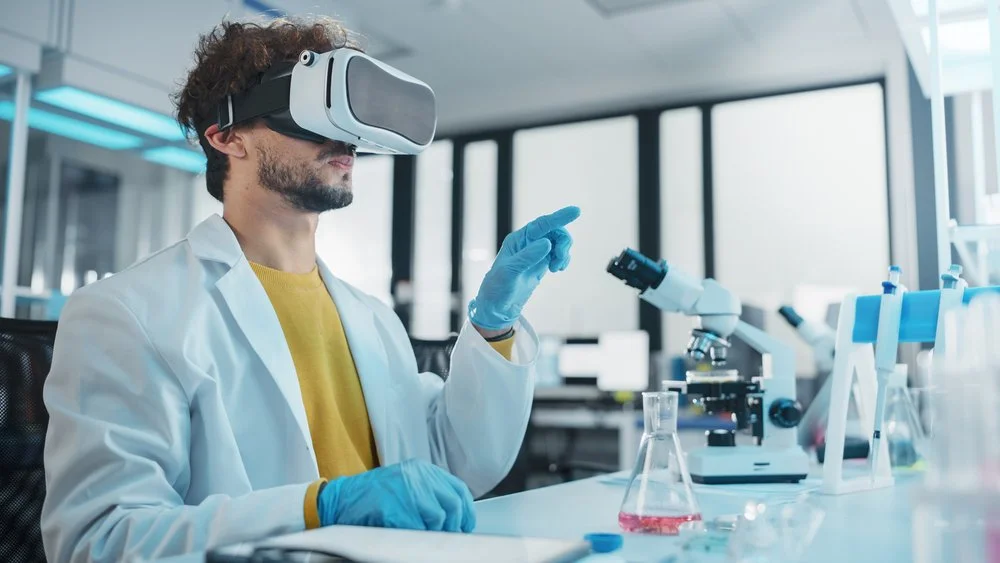
Innovation in Biotech Requires a First Leap
Real innovation requires a first leap. It requires someone to move beyond accepted limits and step into unexplored territory. If no person takes that first leap, then the field does not truly move forward.
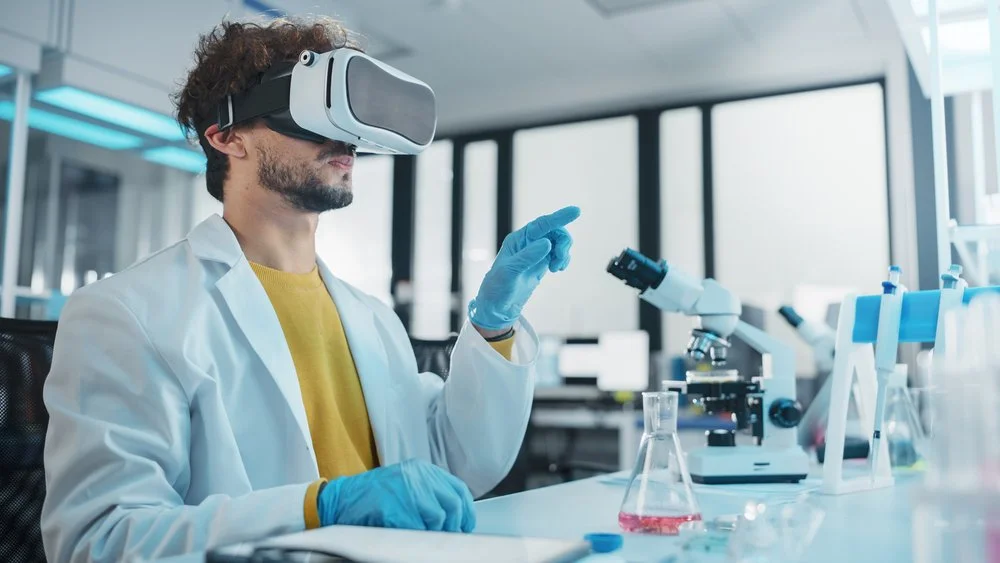
This week in the Guardrail, Michael Bronfman challenges the overuse of the term "innovation" in the biotechnology sector. Do you agree that true progress requires companies to take a significant risk? Read on.
Written by Michael Bronfman for Metis Consulting Services
December 15, 2025
The word innovation appears everywhere in biotechnology today. Companies use it in marketing materials. Research groups use it when they release early results. Investors use it when they promote new ideas in drug development. The word has become so common that it often loses its meaning. Many groups say they are innovators even when they are doing the same activities that others have done for years. In many cases, the only new thing is the vocabulary used to describe very familiar work.
Real innovation is very different. Real innovation requires a first leap. It requires someone to move beyond accepted limits and step into unexplored territory. If no person takes that first leap, then the field does not truly move forward. The community may dress up the same ideas and processes with new names, but the science itself does not change. This essay explains what innovation really means in biotechnology, why the first leap matters, and how the field can support the people who are willing to make that leap.
The Difference Between Real Innovation and Repackaged Activity
Biotechnology makes remarkable progress each year. Research tools become more precise. Computers help scientists examine very large amounts of data. Genetic engineering methods continue to improve. These developments are important, but they are not always examples of innovation by themselves. Real innovation creates something new and useful that did not exist before. It changes what is possible.
Many companies say they have created new systems, but sometimes they simply adjust existing methods. For example, a therapy may use the same basic drug delivery approach that another team used five years earlier. A device may improve an older design that still relies on the same core principles. These advances are valuable, but they are not always true innovation. The field sometimes accepts small changes as major progress because it is easy and safe to support what is already known.
The United States National Science Foundation defines innovation as the introduction of a new idea, method, or device that provides clear value beyond what existed before. The agency explains that innovation requires both novelty and usefulness. The key point is that novelty must come from a true departure from previous work.
If no one takes the risk of asking new questions or using unfamiliar methods, then biotechnology stays in place. The field becomes comfortable with repetition. The work looks busy, but it does not lead to discovery.
Why the First Leap Matters
The first leap is the moment when a scientist or a company tries something truly new. It might be a new way to design a drug. It might be a new way to understand disease biology. It might be a new way to use data or engineering to solve a human problem. This leap is often difficult because it carries risk. The idea might not work. The experiment might fail. Supporters might lose confidence.
However, without this leap, no society advances. Every major change in biotechnology began with someone who accepted the risk. Messenger RNA vaccines did not begin as a guaranteed success. For many years scientists struggled to build a stable messenger RNA platform. They faced rejection and delays. The work only succeeded because a few researchers continued to push forward despite setbacks. A history of messenger RNA vaccine development is described by the United States National Institutes of Health, which can be found here.
The development of immunotherapy for cancer also shows the importance of the first leap. Early researchers who studied how the immune system could fight tumors were told that their ideas were unrealistic. Over time their early leaps created a new field and new cancer treatments. The National Cancer Institute provides a summary of this history.
These examples show that progress happens because the first leap becomes a path for others. After the first group steps forward, others follow. New fields appear. New treatments are designed. New companies form. However, this path does not exist until someone is willing to cross the boundary of what is known.
The Problem of Calling Old Ideas New
Many groups in biotechnology use the language of innovation even when they are not advancing anything new. This habit leads to confusion. If every idea is called innovative, then the word loses value. Policymakers, investors, and the public may start to feel that the field has promised more than it delivers. The gap between language and reality can create mistrust.
There are several reasons why older ideas are often described as new:
Marketing pressure
Companies want to stand out. They believe the word innovation will attract partners and customers. This can create a cycle where language becomes more important than substance.Investment expectations
Investors often want to see rapid progress. Teams may use strong promotional language to secure funding even when the science is in early stages.Fear of risk
True innovation takes time and may fail. Some organizations prefer safe activities that appear productive. They may present these small changes as larger breakthroughs.Limited public knowledge
Many people outside the field do not know the details of biotechnology. It is easier for groups to claim innovation without being challenged.
This pattern does not help the field. It creates a situation where real innovative work competes with many inflated claims. It also makes it more difficult to explain why true breakthroughs require time, resources, and patience.
How Biotech Can Support True Innovation
The biotechnology sector can support real innovation by creating an environment where people are encouraged to take the first leap. Several strategies can help.
Support for High Risk Early Research
Many major discoveries begin with ideas that have no guarantee of success. Funding agencies and private investors often hesitate to support early high-risk work. However, this stage is where the first leap usually happens. Some programs recognize this need. For example, the National Institutes of Health supports early-stage high-risk research through its High Risk High Reward Research Program.
More programs like this could help researchers take the leap without fear of losing support.
Clear Language and Honest Assessment
Biotechnology organizations can help the field by describing their work accurately. If a method is an improvement instead of a breakthrough, it should be described as such. Honest language builds trust. It also helps highlight the work that truly pushes boundaries.
Cross Field Collaboration
Some breakthroughs come from combining ideas from different scientific areas. When biology, chemistry, engineering, and data science connect, new ideas become possible. Collaboration creates more opportunities for first leaps because researchers see problems from new angles.
Training for Young Scientists
Young researchers can be encouraged to think creatively. Education programs can teach them how to ask new questions instead of repeating older projects. When young scientists learn that discovery requires courage, the field becomes stronger.
Stable Funding for Long Term Work
Many innovations require years of study. Sudden changes in research funding can slow or stop progress. Stable investment allows teams to take risks because they do not fear immediate loss of resources. This stability also encourages long term thinking, which is essential for real discovery.
Innovation and Public Health
Innovation in biotechnology is not only about new products. It is also about improving public health. New ideas can reduce the cost of care, shorten the time needed to diagnose disease, and create new therapies for conditions that currently have no treatment. For example, gene editing technology has opened the door to new treatments for inherited diseases. The United States Food and Drug Administration provides information about the first approved gene editing therapy here.
This approval happened because researchers made several early leaps. They explored a new method to change genes, even when the outcome was uncertain. Over time their work moved from theory to practice. The result is a therapy that would not exist without those initial leaps.
The Responsibility to Move Beyond Repetition
The biotechnology community must recognize that progress requires more than small adjustments. If the field only repeats earlier work with updated language, then society loses opportunities for meaningful advancement. Real innovation requires bold thinking. It requires the courage to test ideas that may fail. It requires the willingness to challenge accepted limits.
Innovation is not a slogan. It is a responsibility. When scientists and companies use the word innovation, they should honor the weight of that responsibility. They should demonstrate that they are pushing the field into new territory.
Someone Must Be First
Innovation in biotechnology begins when someone takes the first leap. Without that leap, the field repeats older ideas and gives them new names. Real progress stops. Society loses new therapies, new tools, and new knowledge.
Biotechnology must support those willing to take that first step. These individuals create the breakthroughs that shape the future of medicine and science. When the field honors true innovation and recognizes the courage behind it, then society benefits from discovery that is truly new and meaningful.
The future depends on the willingness to leap.
To ensure your organization takes the high-impact first leap that defines true innovation, contact Metis Consulting Services today and let us partner with you to turn bold vision into tangible scientific progress.

What We Lose by Cutting Research Funding in the U.S.A.
For decades, the United States has led the world in biomedical innovation, powered by long-term investment in public research infrastructure. Institutions like the NIH, NSF, and CDC have been cornerstones of medical progress and global health preparedness. But that leadership is slipping. Research budgets are flattening or declining in real dollars, while political instability further threatens their continuity.
By Michael Bronfman, June 10, 2025
Author assisted by AI

This week, The Guard Rail is proud to feature a crucial topic impacting the very foundation of innovation in the pharmaceutical and life sciences industries. This comes on the heels of ongoing discussions about the importance of sustained investment in research and development. Our latest post, "What We Lose by Cutting Research Funding in the U.S.A.," delves into the far-reaching consequences of diminishing public funding for scientific endeavors. Please let us know what you think.
Science isn’t self-sustaining. It needs fuel, and that fuel is funding.
For decades, the United States has led the world in biomedical innovation, powered by long-term investment in public research infrastructure. Institutions like the NIH, NSF, and CDC have been cornerstones of medical progress and global health preparedness. But that leadership is slipping. Research budgets are flattening or declining in real dollars, while political instability further threatens their continuity.
In biopharma, where product pipelines rely on early-stage discovery science, this isn’t just a government problem. It’s an industry crisis in the making.
Slower Drug Discovery and Development
Fact: Every one of the 210 new drugs approved by the FDA between 2010 and 2016 was linked to publicly funded research. Biopharma companies rely on foundational science to guide their pipelines, but they rarely fund that science directly. The risk is too high and the payoff too far off. It’s public institutions that decode disease mechanisms, identify new drug targets, and lay the groundwork for innovative therapies.1
Cuts to NIH funding don’t just slow university research—they erode the pipeline feeding the next generation of breakthrough medicines.
Weakened Global Competitiveness
STAT: China now leads the world in total scientific publications and is rapidly closing the gap in high-impact research.(Source: Nature Index, 2023)2 While U.S. funding stagnates, China and the EU are aggressively investing in research. China, in particular, has made biomedical innovation a national priority, pouring billions into AI in drug discovery, gene editing, and translational medicine. As funding dries up at home, U.S. scientists—especially early-career researchers—are lured by more stable prospects abroad. That includes faculty appointments, lab funding, and full-stack innovation ecosystems. Innovation is global. If the U.S. doesn’t lead, someone else will.
Loss of Talent and the “Leaky Pipeline”
STAT: Less than 17% of U.S. biomedical PhDs secure tenure-track positions.(Source: NIH Biomedical Workforce Report, 2021)
“Nowadays, less than 17% of new PhDs in science, engineering and health-related fields find tenure-track positions within 3 years after graduation (National Science Foundation, 2012; Chapter 3). Many PhDs who do not find tenure-track positions turn to positions outside academia. Others who think that they will have better future opportunities accept relatively low-paying academic jobs such as postdoctoral positions and stay in the market for a prolonged period (Ghaffarzadegan et al., 2013). Many engineering PhDs go the entrepreneurial route and become involved in startups or work in national research labs or commercial R&D centres. But our focus is academia.”
Science takes a long time. Researchers spend over a decade training before leading independent labs. But the bottleneck isn’t talent—it’s funding.
When grant paylines fall and budgets shrink, postdocs and junior faculty face fewer opportunities. Many leave academia entirely. Others go overseas. This brain drain disproportionately impacts women and underrepresented minorities, who face systemic disadvantages and less funding security.
Losing these scientists means losing not just skill, but diversity of thought—and long-term industry innovation.
Fewer Breakthroughs in Rare and Neglected Diseases
STAT: 50% of rare disease research projects rely heavily on NIH funding. (Source: NIH Office of Rare Diseases Research)3 Pharma’s ROI models don’t always support research in areas with small patient populations. Rare diseases, neglected tropical illnesses, and pediatric cancers often fall outside commercial viability. Public funding fills this gap—fueling the early science, infrastructure, and data that eventually enable therapies. The first gene therapies, mRNA vaccines, and targeted oncology platforms were born out of public research on “unprofitable” conditions. Cutting funding abandons these patients—and the innovation that often follows from solving hard, overlooked problems.
Delayed Preparedness for Future Pandemics
STAT*: NIH invested over $700M in coronavirus research before COVID-19 emerged.(Source: Congressional Research Service, 2021)4 The rapid development of COVID-19 vaccines didn’t happen overnight. It was built on decades of NIH-funded virology, structural biology, and RNA delivery research. Agencies like BARDA and DARPA took the financial and technological risks long before private companies stepped in. The Moderna and Pfizer-BioNTech vaccines succeeded because the science—and the funding—was ready. Cutting infectious disease research now will leave us vulnerable to the next pandemic. Public health readiness can’t be “turned on” in a crisis—it must be sustained year-round.
A Fragile Clinical Trial Ecosystem
STAT: Over 40% of U.S. clinical trials are led or supported by NIH, VA, or academic medical centers.(Source: ClinicalTrials.gov data analysis, 2023)
“The claim that over 40% of U.S. clinical trials are led or supported by the NIH, VA, or academic medical centers is supported by multiple sources.
NIH's Role in Clinical Trials
The National Institutes of Health (NIH) is the largest funder of biomedical research in the United States. In 2024, more than 80% of its $47 billion budget was allocated to support research, including clinical trials, at over 2,500 scientific institutions. Notably, 60% of this extramural research occurred at academic medical center campuses. (ncbi.nlm.nih.gov, aamc.org)
VA's Contribution to Clinical Trials
The Veterans Health Administration (VHA) also plays a significant role in clinical research. Through its Office of Research and Development, the VA supports numerous clinical trials. As of November 2023, approximately 932,000 veterans were enrolled or expected to be enrolled in studies funded by the VA. (en.wikipedia.org, congress.gov)
Academic Medical Centers and Clinical Trials
Academic medical centers are integral to the U.S. clinical trial landscape. Institutions like Massachusetts General Hospital and Stanford University collaborate with the VA and NIH, contributing to a substantial number of clinical trials. (journals.lww.com)”
Private pharma drives large-scale, late-phase trials. But early-phase, rare disease, and non-commercial trials rely heavily on public funding and academic infrastructure.
From the Cancer Moonshot to the All of Us initiative, federal investment creates platforms and protocols that benefit the entire ecosystem. Without that scaffolding, trials become slower, more expensive, and riskier for sponsors.
When government funding falters, it’s not just public labs that lose—it’s the entire translational pipeline.
Reduced Return on Public Investment
STAT: Every $1 of NIH funding generates over $8.38 in economic activity.(Source: United for Medical Research, 2020)6 Research isn’t charity, it’s investment. From university spinouts to biotech accelerators, public science creates real economic value. This includes IP generation, job creation, tax revenue, and long-term cost savings in healthcare.
Cutting research funding doesn’t save money—it sacrifices return. And once lost, scientific momentum is hard to regain. Labs close. Talent relocates. Innovation stalls.
We’re not just undermining future therapies—we’re eroding the base of an entire innovation economy.
Erosion of Scientific Literacy and Trust
STAT: Public trust in science has dropped by 10+ points since 2020, especially among younger (U.S.) Americans.(Source: Pew Research, 2023)7
Public research supports more than lab benches—it funds data-sharing, transparency, education, and outreach. From open-access journals to science museums and K–12 programs, public science is a social good.
Without investment, we lose more than knowledge. We lose shared understanding. That void gets filled by misinformation, distrust, and anti-scientific sentiment—especially in an era of rapid technological change.
A well-funded, transparent research ecosystem builds trust, and trust saves lives
Final Thoughts: Innovation Requires Stability
Cutting research funding may seem like a short-term budget fix. But the long-term cost is far higher.
We lose:
Therapies that never make it to trials.
Scientists who leave the field.
Competitive edge in a global biotech arms race.
Preparedness for emerging diseases.
Public trust in health science.
The U.S. has always been a leader because it invested in being one. That’s not guaranteed. Leadership in science is a choice—a policy decision. One that affects every sector of pharma, from discovery to market.
If you’re in biopharma, policy, or research, your voice matters.
Support stable, bipartisan investment in:
NIH, NSF, and BARDA budgets
Early-career research funding
Open science infrastructure
Translational and rare disease initiatives
Let’s ensure the U.S. remains a place where great science thrives—and where public funding continues to fuel private innovation for decades to come.
Let’s continue the conversation.
What impact have you seen from federal research funding in your work? What do we risk losing? Drop a comment or share this post to keep science at the center of policy.
1. PNAS study on NIH-funded research and drug approvals(Source: Cleary et al., PNAS, 2018)
2 https://www.nature.com/articles/d41586-023-01867-4
3. https://hr.nih.gov/sites/default/files/public/documents/2022-07/ohr-annual-report-2021.pdf
5. https://pmc.ncbi.nlm.nih.gov/articles/PMC9975718/
6. https://www.nih.gov/about-nih/what-we-do/budget https://unitedformedicalresearch.org/annual-economic-report/