

How AI Is Reducing Drug Development Timelines From Years to Months
Today, artificial intelligence (AI) is changing this story. With the help of AI, scientists and companies are finding ways to shrink drug development timelines from years to months. Reshaping the pharmaceutical industry can accelerate drug development, improve efficiency, and potentially increase the success of projects.

The traditional path to bringing life-saving medicine to market is a marathon that often spans over a decade. This week in the Guardrail, we explore how artificial intelligence is shattering these timelines, transforming a process that once took years into one that takes mere months
Written by Michael Bronfman for Metis Consulting Services
December 29, 2025
Developing new medicines has long been one of the slowest processes in science. In the traditional system, creating a new drug from the first idea to a product patients can use often takes ten to fifteen years, costs billions of dollars, and succeeds less than one in ten times. This long and expensive process leaves many patients waiting while the disease continues to cause suffering.
Today, artificial intelligence (AI) is changing this story. With the help of AI, scientists and companies are finding ways to shrink drug development timelines from years to months. Reshaping the pharmaceutical industry can accelerate drug development, improve efficiency, and potentially increase the success of projects.
In this article, we explain how AI is speeding up drug development, which stages of the process are changing most, and what this means for patients, scientists, and the future of medicine.
The Drug Development Timeline:
Before we explore AI, it is essential to understand the historical pathway of drug development. The process has multiple stages:
Target Identification: a molecule or biological process that is modifiable to treat a disease is identified by researchers.
Drug Discovery: Scientists design or find chemical compounds to interact with the target.
Preclinical Testing: To assess safety and efficacy, compounds are evaluated in cell and animal models.
Clinical Trials: If a compound is promising, it proceeds to human trials in three phases to assess safety and efficacy.
Regulatory Approval: Health authorities, such as the EMA and the FDA, review all data before approving a drug.
Each step can take years, especially clinical trials. Even after all this work, most drug candidates fail before approval. The combined effect is slow progress for patients and high costs for companies.
AI is now being used to transform nearly every stage of this timeline, thereby accelerating drug development and making it more predictable.
How AI Speeds Up Drug Development
Target Identification in Months Instead of Years
Target identification was once a lengthy, manual process involving laboratory experiments and trial-and-error. AI now allows researchers to analyze millions of data points from genetics, proteomics, and clinical records in hours or days rather than years. Machine learning models can identify potential biological targets much more quickly¹.
These advanced algorithms process data far faster than humans can and find connections that might be invisible in traditional research. Scientists can then decide which targets are worth pursuing months earlier than before, reducing the earliest phase of drug discovery from years to months².
AI Accelerates Lead Optimization
Once researchers have a target, the next step is to find compounds that interact with that target effectively and safely. In the past, this involved testing thousands of molecules in the lab. Now, AI can simulate molecule interactions in a computer, significantly shrinking the time needed for lead optimization³.
AI models can predict how changes to a molecule’s structure will affect its performance. These predictions reduce the amount of physical laboratory work required and help scientists focus on the most promising candidates first³. This step, which once took several years, can now be completed in a handful of months in some cases¹.
Predicting Outcomes Before Lab Tests Begin
AI can also forecast how a potential drug might behave in real biological systems. This capability enables researchers to assess toxicity, absorption, metabolism, and possible side effects in advance².
For example, deep AI models can now simulate aspects of human biology that once required years of animal testing or early human trials². These predictions help researchers avoid investing time in compounds likely to fail later. When AI rules out unworkable options early, it saves years of work and millions of dollars³.
Generative AI Is Designing Drug Candidates
Generative AI is a subset of Artificial Intelligence designed to create new molecules. This technology can generate tens of thousands of potential drug structures within hours, narrowing them down to the most promising options⁴.
Some of these AI-designed molecules are entering clinical trials much faster than traditional drug candidates. In one example, an AI platform developed a candidate and reached preclinical testing in 13 to 18 months, rather than the typical 2.5 to 4 years⁴.
Improving Success Rates in Early Trials
Traditional methods often yield a high failure rate before human testing begins. However, AI-assisted drug candidates exhibit substantially higher success rates in early clinical phases than conventional compounds⁵.
Industry studies report that AI-discovered candidates achieve Phase I success rates of 80–90%, compared with the industry average of 40–65%¹. These rates mean fewer setbacks and less time.
Faster Clinical Trial Design and Enrollment
AI is transforming clinical trials, which are among the most protracted and most expensive phases of development. By analyzing patient data, AI can more quickly identify the most suitable participants for a study⁶, thereby accelerating enrollment and increasing the likelihood that trials will yield meaningful results.
Other AI tools monitor patient data in real time and predict how participants may respond⁶. These tools can help researchers quickly adjust trial protocols, reducing months or even years from the clinical trial timeline⁶.
Real-World Examples of AI Cutting Timelines
AI Platforms Reducing Drug Development to Months
Some companies are already using AI to compress timelines dramatically. For example, a biotechnology firm developed a system that could shorten the stages of small-molecule drug development from months to two weeks for certain tasks⁷. That same system is projected to save one to one-and-a-half years before clinical trials start⁷.
Collaborations Between AI Firms and Big Pharma
Major pharmaceutical companies are partnering with AI startups to accelerate drug design. One collaboration between a U.S. biotech and a global pharmaceutical firm uses AI to produce drug candidates in three to four weeks from design to lab testing⁸.
These partnerships demonstrate that well-established pharmaceutical companies are adopting AI technologies to remain competitive and bring therapies to patients more quickly.
Why This Matters for Patients and Society
Faster drug development enables life-changing therapies to reach patients sooner. For patients with rare diseases or conditions for which there are no effective treatments, time saved in development is time saved from suffering. It also means that health systems could respond more rapidly to emerging disease threats, such as outbreaks or rising rates of chronic illness.
Accelerated development may reduce costs. When early failure is avoided and fewer resources are spent on unpromising candidates, resources are freed for investment in further research and development. These cost savings may eventually lower prices for patients, although this effect may depend on regulation and market forces.
Finally, increased efficiency may encourage greater investment in areas once considered too risky or too slow, such as treatments for neurological diseases or complex cancers.
Challenges and Realities
While AI is transforming drug development, we must remain grounded in reality. AI does not eliminate the need for human creativity, rigorous scientific validation, safety testing, or regulatory review. Human oversight remains essential in laboratory work, clinical trials, and data interpretation.
The future will involve proper regulation of AI tools to ensure they are safe, ethical, and transparent. But even with these limitations, the transformation AI brings is real and growing⁶.
Artificial intelligence is reshaping drug development in profound ways. From speeding target identification to optimizing molecules in silico, designing novel compounds with generative algorithms, and improving clinical trial outcomes, AI is making drug discovery faster, more innovative, and more efficient.
Instead of taking ten to fifteen years, new medicines are developed in a few years or even months. AI is not replacing scientists. Instead, it is amplifying their abilities, allowing them to focus on high-impact decisions while machines handle routine, data-intensive tasks. This partnership promises a future where better medicines reach patients sooner, with greater success, and at lower cost.
The era of AI-powered drug development has begun, and it will transform how medicines are developed for decades to come.
Ready to accelerate your innovation? The future of pharmaceutical efficiency isn’t just about better data—it’s about better strategy. Discover how our expertise can help your organization lead the next generation of medical breakthroughs. Contact us today hello@metisconsultingservices.com
Footnotes
All About AI – AI in Drug Development Statistics 2025
https://www.allaboutai.com/resources/ai-statistics/drug-development/World Health AI – Drug Discovery Accelerates Development
https://www.worldhealth.ai/insights/drug-discoverySimbo AI – The Future of Drug Discovery
https://www.simbo.ai/blog/the-future-of-drug-discovery-how-ai-is-accelerating-development-timelines-and-improving-efficiency-in-pharmaceutical-research-467406/
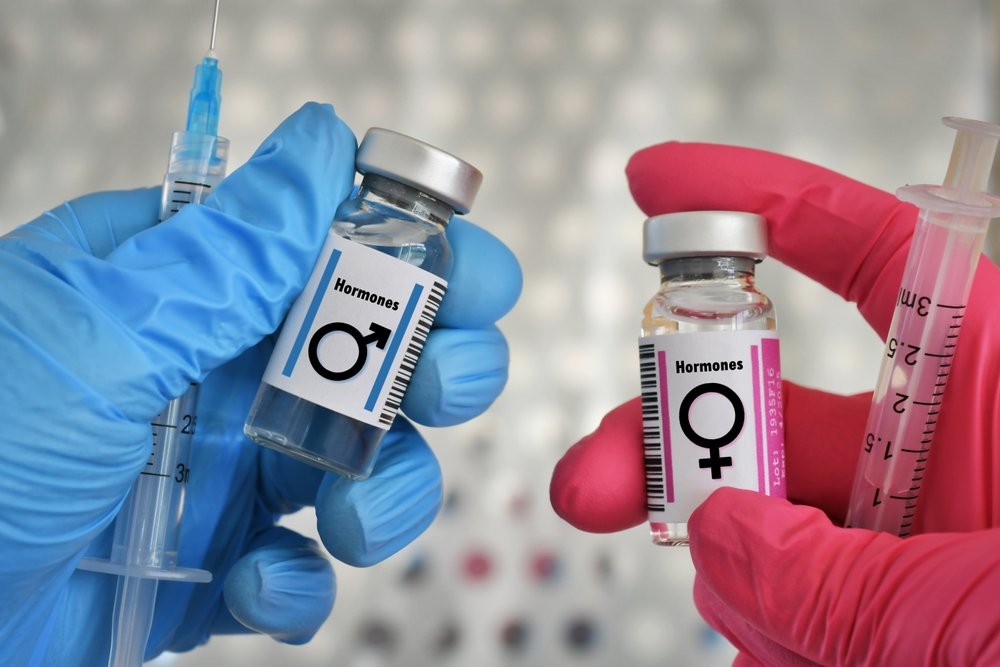
Transgender Representation in Biotech: Why It Matters for Science and Patients
Transgender people are part of every community, including biotech. Representation means that transgender scientists, clinicians, engineers, and staff are visible, heard, and included. When biotech companies and research teams include transgender people, scientific outcomes improve.
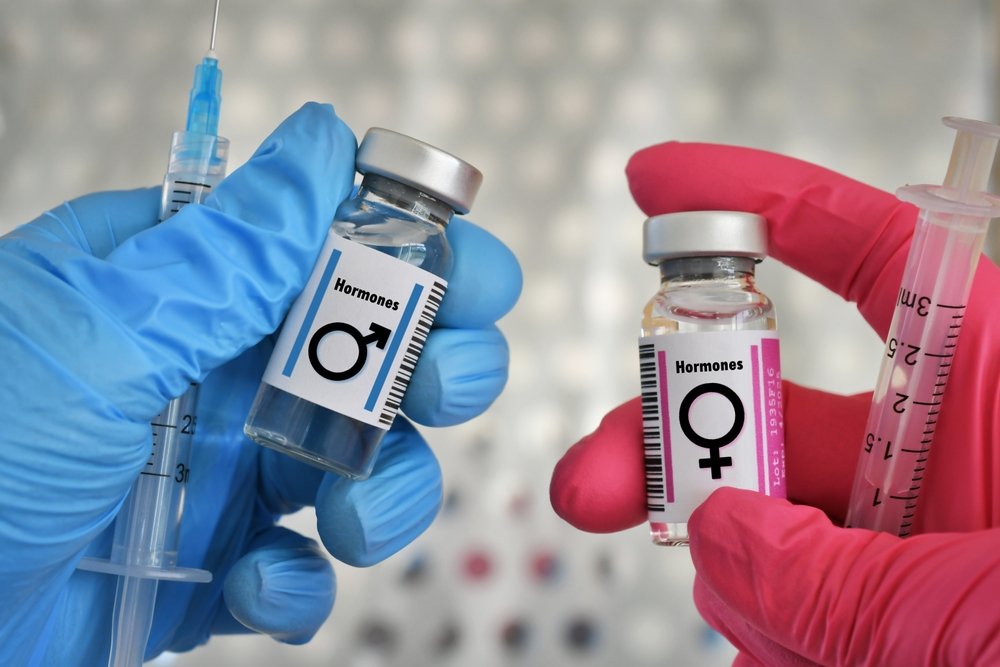
This week in the Guardrail, the biotech sector faces an urgent mandate to strengthen its scientific rigor and social equity by fully incorporating transgender perspectives and talents across its workforce.
Written by Michael Bronfman for Metis Consulting Services
December 22, 2025
Transgender people are part of every community, including biotech. Representation means that transgender scientists, clinicians, engineers, and staff are visible, heard, and included. When biotech companies and research teams include transgender people, scientific outcomes improve. When transgender people are excluded or invisible, both the workplace and the patients who depend on new medicines lose essential perspectives.
Why representation matters
Representation matters for several practical reasons. Diverse teams produce better science. People with different life experiences notice different problems and ask other questions. That variety of viewpoints leads to new ideas and better solutions. Companies that include transgender employees are more likely to design studies and clinical trials that consider the needs of transgender patients. That attention can improve the safety and the relevance of treatments for many people. Third, representation builds trust. If patients see themselves reflected among researchers and company leaders, they are more likely to enroll in studies and to believe that the research will respect their needs.
Evidence that transgender and LGBTQ people face barriers
Research shows that LGBTQ people, including transgender people, face more career barriers in science and technology fields than their non LGBTQ peers. A well-documented study found that LGBTQ professionals in STEM experienced higher rates of harassment, professional devaluation, and career limits. These negative experiences make it harder for LGBTQ people to advance and stay in STEM careers.
Due to fear of negative consequences, people who identify as LGBTQ are not open at work about their identities in separate surveys and reports. In some fields, as many as four in ten LGBTQ workers reported hiding their identity from colleagues. That lack of openness reduces honest discussion about how research design or healthcare policy affects transgender people.
What the biotech industry currently looks like
According to some industry reports, there is some progress in gender balance overall, and the data on transgender workers is still sparse. Biotech trade groups and extensive surveys track gender and race, and do not collect detailed data on gender identity beyond male or female. The gap makes it hard to measure the number of transgender employees or to track experiences over time. The BIO industry diversity report found gains in overall gender representation and noted persistent gaps in leadership roles. Improved data collection is needed to demonstrate how transgender people are faring in biotech.
Corporate Policies and Benefits Matter
Several large companies have adopted policies that protect gender identity and sexual orientation. The Human Rights Campaign (HRC) Corporate Equality Index tracks workplace protections and benefits for LGBTQ employees. Participation in the HRC index has increased, and more companies now report transgender-inclusive policies and health benefits. For example, the HRC tracks whether employers offer gender identity nondiscrimination protections and provide transgender-inclusive health insurance. These policies can reduce barriers to hiring and retention.
Why company culture must go beyond policy
Policies and benefits matter. However, policies alone are not enough. Transgender employees need an everyday workplace culture that respects their identities. This includes the use of chosen names and pronouns, private and safe restrooms and changing facilities, transparent processes for name changes in payroll and HR systems, and training for managers. Employee resource groups and leadership commitment help, but they must be integral to the organization rather than symbolic gestures.
Why better representation improves research quality
Biotech aims to develop medicines that work for many kinds of people. Transgender people have health needs that are sometimes unique or are affected by hormone therapy and by social determinants of health. If transgender people are not included among study teams and investigators, essential variables may be overlooked, and assumptions that exclude transgender participants may be made, or relevant data about gender identity may fail to be collected. This can lead to incomplete safety profiles or treatments that are less effective for specific groups.
For example, clinical trial forms and electronic health records that limit gender options to man or woman will miss information about patients who are transgender or nonbinary. That missing data prevents accurate analysis of outcomes by gender identity. Companies who have expanded how they collect gender identity information and train staff to ask respectful questions are better positioned to produce inclusive science. The Human Rights Campaign (HRC) and other groups provide practical guidance on offering transgender-inclusive health benefits and workplace practices.
Patient trust and trial recruitment
Trust matters for clinical trials. Historically marginalized groups are less likely to enroll in research when they do not trust that the research team will respect them. Transgender people have been subject to discrimination in healthcare settings, and that history affects decisions about research participation. When biotech companies recruit transgender staff, they signal a commitment to inclusion and can demonstrate to potential participants that the research team understands their needs. This can improve recruitment, retention, and the overall quality of the data.
Policy shifts and uncertainty
Corporate support for transgender inclusion has been expanding, but political and legal changes can create uncertainty. Some companies have adjusted their diversity goals or benefit offerings in response to new regulations and executive actions. That shifting landscape can make long-term planning difficult for companies and can create anxiety among transgender employees. It is essential for leaders in biotech to explain their decisions clearly and to retain core protections that support scientific integrity and patient safety. Recent reports indicate that some pharmaceutical companies have paused or altered diversity targets in response to legal and policy changes. Readers should follow industry news closely to see how these trends evolve.
Immediate Concrete Steps for Biotech Companies
The following steps are practical actions biotech companies can take to improve transgender representation and inclusion. Each step is feasible and tied to measurable goals.
Measure gender identity with care.
Add options for gender identity on HR forms and in research data collection. Use separate fields for sex assigned at birth and current gender identity where clinically relevant. Ensure that privacy protections are strong and that employees and participants understand how their data will be used.
Offer transgender inclusive health benefits.
Cover medically necessary care related to gender affirming treatments. Ensure that benefits administrators and human resources teams understand how to process claims and support name changes. The Human Rights Campaign provides a benchmarking index and detailed guidance on best practices.
Train managers and staff
Provide regular, practical training on gender identity, pronouns, and respectful workplace behaviors. Training should be scenario-based and reflect fundamental workplace interactions. Training improves day-to-day inclusion far more than a single annual session.
Make recruitment inclusive
Work with universities and professional groups that support transgender students and professionals. Include transgender people in candidate slates and use inclusive language in job postings. Track hiring outcomes to inform adjustments to recruiting efforts.
Support employee resource groups and mentorships.
Employee groups for LGBTQ staff can provide community and advise leadership. Mentorship programs that match transgender employees with sponsors and leaders help career growth.
Include transgender perspectives in research design.
Invite transgender community advisors to review the study design and consent language. Adjust eligibility criteria and safety monitoring plans when hormone therapy or gender specific conditions matter for outcomes.
Report progress publicly
Publish annual metrics that show progress on hiring, promotion, and retention. Transparency increases accountability and builds trust with patients and the public.
Science, Ethics, and Responsibility
Biotech operates at the interface of science and patient care. The ethical duty not to harm extends to how companies design research, hire staff, and treat colleagues. Transgender representation is not a political slogan. It is a scientific and ethical necessity. When research teams are inclusive, the science benefits and patients receive treatments that better reflect real-world needs.
Improving transgender representation in biotechnology is a long-term endeavor that requires both policy changes and sustained cultural shifts. The industry must collect better data, adopt inclusive benefits and practices, and listen to transgender people when designing research. Doing so will improve science, protect patients, and make biotech a stronger place to work for everyone.
Stop merely reacting to policy shifts and waiting for industry data. The future of inclusive science and drug development starts with decisive action today. Contact Metis Consulting Services: hello@metisconsultingservices.com
Useful Links And Resources
Human Rights Campaign Corporate Equality Index. https://reports.hrc.org/corporate-equality-index.
Science Advances study on LGBTQ professionals in STEM. https://www.science.org/doi/10.1126/sciadv.abe0933.
BIO report Measuring Diversity in the Biotech Industry. https://www.bio.org/sites/default/files/2022-06/261734_BIO_22_DEI_Report_P4.pdf.
Recent survey of LGBTQ climate in biology (pre-print). https://www.biorxiv.org/content/10.1101/2025.01.24.634486v1.full.
Nature commentary on diversity and representation in science. https://www.nature.com/articles/s44259-025-00101-7.

Innovation in Biotech Requires a First Leap
Real innovation requires a first leap. It requires someone to move beyond accepted limits and step into unexplored territory. If no person takes that first leap, then the field does not truly move forward.

This week in the Guardrail, Michael Bronfman challenges the overuse of the term "innovation" in the biotechnology sector. Do you agree that true progress requires companies to take a significant risk? Read on.
Written by Michael Bronfman for Metis Consulting Services
December 15, 2025
The word innovation appears everywhere in biotechnology today. Companies use it in marketing materials. Research groups use it when they release early results. Investors use it when they promote new ideas in drug development. The word has become so common that it often loses its meaning. Many groups say they are innovators even when they are doing the same activities that others have done for years. In many cases, the only new thing is the vocabulary used to describe very familiar work.
Real innovation is very different. Real innovation requires a first leap. It requires someone to move beyond accepted limits and step into unexplored territory. If no person takes that first leap, then the field does not truly move forward. The community may dress up the same ideas and processes with new names, but the science itself does not change. This essay explains what innovation really means in biotechnology, why the first leap matters, and how the field can support the people who are willing to make that leap.
The Difference Between Real Innovation and Repackaged Activity
Biotechnology makes remarkable progress each year. Research tools become more precise. Computers help scientists examine very large amounts of data. Genetic engineering methods continue to improve. These developments are important, but they are not always examples of innovation by themselves. Real innovation creates something new and useful that did not exist before. It changes what is possible.
Many companies say they have created new systems, but sometimes they simply adjust existing methods. For example, a therapy may use the same basic drug delivery approach that another team used five years earlier. A device may improve an older design that still relies on the same core principles. These advances are valuable, but they are not always true innovation. The field sometimes accepts small changes as major progress because it is easy and safe to support what is already known.
The United States National Science Foundation defines innovation as the introduction of a new idea, method, or device that provides clear value beyond what existed before. The agency explains that innovation requires both novelty and usefulness. The key point is that novelty must come from a true departure from previous work.
If no one takes the risk of asking new questions or using unfamiliar methods, then biotechnology stays in place. The field becomes comfortable with repetition. The work looks busy, but it does not lead to discovery.
Why the First Leap Matters
The first leap is the moment when a scientist or a company tries something truly new. It might be a new way to design a drug. It might be a new way to understand disease biology. It might be a new way to use data or engineering to solve a human problem. This leap is often difficult because it carries risk. The idea might not work. The experiment might fail. Supporters might lose confidence.
However, without this leap, no society advances. Every major change in biotechnology began with someone who accepted the risk. Messenger RNA vaccines did not begin as a guaranteed success. For many years scientists struggled to build a stable messenger RNA platform. They faced rejection and delays. The work only succeeded because a few researchers continued to push forward despite setbacks. A history of messenger RNA vaccine development is described by the United States National Institutes of Health, which can be found here.
The development of immunotherapy for cancer also shows the importance of the first leap. Early researchers who studied how the immune system could fight tumors were told that their ideas were unrealistic. Over time their early leaps created a new field and new cancer treatments. The National Cancer Institute provides a summary of this history.
These examples show that progress happens because the first leap becomes a path for others. After the first group steps forward, others follow. New fields appear. New treatments are designed. New companies form. However, this path does not exist until someone is willing to cross the boundary of what is known.
The Problem of Calling Old Ideas New
Many groups in biotechnology use the language of innovation even when they are not advancing anything new. This habit leads to confusion. If every idea is called innovative, then the word loses value. Policymakers, investors, and the public may start to feel that the field has promised more than it delivers. The gap between language and reality can create mistrust.
There are several reasons why older ideas are often described as new:
Marketing pressure
Companies want to stand out. They believe the word innovation will attract partners and customers. This can create a cycle where language becomes more important than substance.Investment expectations
Investors often want to see rapid progress. Teams may use strong promotional language to secure funding even when the science is in early stages.Fear of risk
True innovation takes time and may fail. Some organizations prefer safe activities that appear productive. They may present these small changes as larger breakthroughs.Limited public knowledge
Many people outside the field do not know the details of biotechnology. It is easier for groups to claim innovation without being challenged.
This pattern does not help the field. It creates a situation where real innovative work competes with many inflated claims. It also makes it more difficult to explain why true breakthroughs require time, resources, and patience.
How Biotech Can Support True Innovation
The biotechnology sector can support real innovation by creating an environment where people are encouraged to take the first leap. Several strategies can help.
Support for High Risk Early Research
Many major discoveries begin with ideas that have no guarantee of success. Funding agencies and private investors often hesitate to support early high-risk work. However, this stage is where the first leap usually happens. Some programs recognize this need. For example, the National Institutes of Health supports early-stage high-risk research through its High Risk High Reward Research Program.
More programs like this could help researchers take the leap without fear of losing support.
Clear Language and Honest Assessment
Biotechnology organizations can help the field by describing their work accurately. If a method is an improvement instead of a breakthrough, it should be described as such. Honest language builds trust. It also helps highlight the work that truly pushes boundaries.
Cross Field Collaboration
Some breakthroughs come from combining ideas from different scientific areas. When biology, chemistry, engineering, and data science connect, new ideas become possible. Collaboration creates more opportunities for first leaps because researchers see problems from new angles.
Training for Young Scientists
Young researchers can be encouraged to think creatively. Education programs can teach them how to ask new questions instead of repeating older projects. When young scientists learn that discovery requires courage, the field becomes stronger.
Stable Funding for Long Term Work
Many innovations require years of study. Sudden changes in research funding can slow or stop progress. Stable investment allows teams to take risks because they do not fear immediate loss of resources. This stability also encourages long term thinking, which is essential for real discovery.
Innovation and Public Health
Innovation in biotechnology is not only about new products. It is also about improving public health. New ideas can reduce the cost of care, shorten the time needed to diagnose disease, and create new therapies for conditions that currently have no treatment. For example, gene editing technology has opened the door to new treatments for inherited diseases. The United States Food and Drug Administration provides information about the first approved gene editing therapy here.
This approval happened because researchers made several early leaps. They explored a new method to change genes, even when the outcome was uncertain. Over time their work moved from theory to practice. The result is a therapy that would not exist without those initial leaps.
The Responsibility to Move Beyond Repetition
The biotechnology community must recognize that progress requires more than small adjustments. If the field only repeats earlier work with updated language, then society loses opportunities for meaningful advancement. Real innovation requires bold thinking. It requires the courage to test ideas that may fail. It requires the willingness to challenge accepted limits.
Innovation is not a slogan. It is a responsibility. When scientists and companies use the word innovation, they should honor the weight of that responsibility. They should demonstrate that they are pushing the field into new territory.
Someone Must Be First
Innovation in biotechnology begins when someone takes the first leap. Without that leap, the field repeats older ideas and gives them new names. Real progress stops. Society loses new therapies, new tools, and new knowledge.
Biotechnology must support those willing to take that first step. These individuals create the breakthroughs that shape the future of medicine and science. When the field honors true innovation and recognizes the courage behind it, then society benefits from discovery that is truly new and meaningful.
The future depends on the willingness to leap.
To ensure your organization takes the high-impact first leap that defines true innovation, contact Metis Consulting Services today and let us partner with you to turn bold vision into tangible scientific progress.

Pharma's Future: Addressing Political Challenges to DEI
As national debates over diversity, equity, and inclusion (DEI) continue to intensify, these conflicts are beginning to shape biomedical policy, clinical research, workforce development, and the long-term direction of American innovation.

This week in the Guardrail, Michael Bronfman analyzes the intensifying national debate surrounding diversity, equity, and inclusion (DEI) and how the rejection of these ideas by certain political movements is beginning to reshape biomedical policy, clinical research, and the pharmaceutical sector.
Written by Michael Bronf, for Metis Consulting Services
December 8, 2025
The pharmaceutical sector does not exist in isolation. It depends on public trust, scientific talent, federal research funding, and a stable regulatory environment. It also depends on a workforce that understands the needs of patients from many backgrounds. As national debates over diversity, equity, and inclusion continue to intensify, these conflicts are beginning to shape biomedical policy, clinical research, workforce development, and the long-term direction of American innovation.
Much of the current cultural debate centers on disagreement over who benefits from DEI programs. These frameworks often support groups that have historically faced barriers in education, employment, and health care. This list is wide because real patient populations are wide. It includes women, pregnant women, non binary people, transgender people, the LGBTQ+ community, young people, older adults, Black people, Indigenous people, Latinos, Asian Americans, Pacific Islanders, Middle Eastern communities, North African communities, mixed race individuals, people with disabilities, neurodivergent individuals, people with chronic illnesses, people with mental health conditions, military veterans, active duty service members, military spouses, military families, first generation college students, low income individuals, people from rural communities, formerly incarcerated individuals, people experiencing homelessness, religious minorities, Muslims, Jews, Sikhs, atheists, secular individuals, refugees, immigrants, working parents, caregivers, union workers, gig workers, and freelancers.
Critics argue that supporting such a broad list transforms DEI into an ideological system. Supporters argue that these are simply the people that the health care system already serves. These disagreements form the foundation of a cultural conflict that increasingly influences life sciences policy.
The Rise of Organized Opposition to DEI
DEI programs expanded across universities, hospitals, national laboratories, and scientific training programs over the past two decades. Supporters inside the biomedical and pharmaceutical sectors argue that these programs improve representation in clinical trials, strengthen the science workforce, and help reduce disparities in health outcomes. The National Institutes of Health has long published guidance supporting diverse enrollment to produce more reliable trial results.
Opponents offer a different view. Many state lawmakers and national political figures argue that DEI encourages selection based on identity rather than scientific merit. They say that these programs add unnecessary bureaucracy, restrict academic freedom, and fail to improve overall performance. A growing number of states, including Florida, Texas, and several Midwestern states, have passed laws that restrict or remove DEI policies from public universities and state agencies.
These policies now influence medical schools, residency training, and state research funding. Over time, they will affect the talent pathways that feed into pharmaceutical innovation.
How Opposition to DEI Connects to the Term Woke
The term “woke” has become a broad label for progressive cultural ideas, such as awareness of racial disparities, gender inclusion, and the ongoing effects of historical discrimination. Supporters argue that these concepts help organizations understand how policies may affect different communities. Critics argue that the term describes a rigid belief system that demands compliance and discourages open debate.
Several political commentators and media influencers have built large audiences by claiming that woke culture shapes hiring, education, and scientific research in ways that limit open inquiry. They argue that institutions should avoid cultural messaging and instead emphasize neutrality and performance.
The pharmaceutical sector now operates at the center of this conflict. Large companies depend on diverse global talent and international regulatory systems. However, many lawmakers want to limit or remove DEI practices from government agencies, universities, and medical systems. This tension will influence the scientific workforce for years to come.
Why Some Conservative Figures Criticize Senators Who Support DEI or Moderate Positions
Although many conservative senators strongly oppose DEI, others take more balanced positions or support limited forms of diversity programming. This has created friction within political movements that want a total removal of DEI from public institutions.
During election cycles, these disputes become more visible. Commentators often accuse moderate senators of being too close to universities, technology companies, or multinational corporations. They argue that these institutions promote cultural values that weaken national identity. They also say that these lawmakers fail to confront DEI programs inside medical research, federal grants, or regulatory agencies.
These disagreements matter for the pharmaceutical sector because the Senate controls agency confirmations, federal budgets, and the long-term direction of the National Institutes of Health and the Food and Drug Administration.
How Opposition to DEI May Affect Medical Research
Clinical trials offer the clearest example. Trial accuracy depends on participants who reflect real patient populations. Without broad enrollment, trial outcomes may not predict how a drug performs once it reaches the market. The Food and Drug Administration has reported that many trials still lack representation from Black, Latino, Indigenous, and rural populations.
Supporters of DEI programs argue that inclusive enrollment strategies protect public safety. Critics argue that these requirements slow development and add burdens to research sponsors. They also say that clinical trial design should focus on speed rather than representativeness.
This disagreement matters because the United States faces rising rates of heart disease, diabetes, cancer, autoimmune disorders, and neurodegenerative conditions. These conditions affect communities differently. If trial enrollment becomes less diverse, the accuracy of safety and efficacy data may weaken.
How DEI Shapes the Talent Pipeline
The life sciences sector faces a growing shortage of skilled workers in biomanufacturing, regulatory affairs, clinical operations, and data science. Many industry leaders argue that expanding opportunities for students from underrepresented backgrounds strengthens the long-term workforce.
Opponents of DEI argue that mentorship and training programs for specific groups create unfair advantages. They say that evaluation should occur without any consideration of identity. They also claim that DEI statements in hiring reduce open expression in academic and industrial settings.
If political pressure eliminates programs that support early interest in science and medicine, then the life sciences sector may face a long term talent shortage. Companies may struggle to hire clinical researchers, regulatory specialists, and biomanufacturing staff. This would slow the development of new therapies and increase costs.
How Cultural Conflict Shapes Public Trust
Public trust in health agencies has declined in recent years. Critics blame this decline on cultural conflict. They argue that agencies have adopted ideological messages that distract from their core mission. They claim that DEI training and cultural outreach weaken neutrality.
Supporters argue the opposite. They say that respectful communication builds trust, especially among communities that have experienced unequal treatment in the health system. A well-known example is the communication strategy used during the national COVID-19 vaccination campaign.
Pharmaceutical companies will need to understand how these debates influence risk perception, trial participation, and treatment acceptance.
The Objectives of the Anti-DEI Movement and Why They Matter to Pharma
Opponents of DEI describe three main goals.
Removal of identity-based programs from public institutions
Reduction of ideological influence in science and education
A shift toward what they call merit-based evaluation
If this movement succeeds, the pharmaceutical sector will see meaningful changes. Medical schools may cut DEI offices. Universities may remove diversity training from research programs. Federal agencies may reduce or eliminate expectations for inclusive clinical trial enrollment.
A deeper objective also exists. Many DEI critics want to move public institutions away from international collaboration and toward a nationalist approach to science in scientific research.
A nationalist model would limit the exchange of international talent, weaken cross-border research partnerships, and increase regulatory variability. All of these changes could raise development costs and slow progress toward new therapies.
What the Pharmaceutical Sector Should Watch in the Next Five Years
Several trends deserve close attention.
More states may restrict DEI in universities, teaching hospitals, and public research centers.
Congressional debates may influence whether the National Institutes of Health continues to fund diversity-based training grants.
The Food and Drug Administration may face political pressure to revise its trial diversity expectations.
Universities may adjust hiring practices due to legal challenges, reducing the academic pipeline that feeds industry research.
Cultural conflict may influence how patients interpret scientific guidance, which will affect enrollment, adherence, and overall health outcomes.
The debate over DEI and woke culture is more than a political argument. It is a policy struggle that directly affects pharmaceutical innovation, clinical research, workforce development, and public trust. Some political movements see DEI as a threat to fairness and national identity. They want to remove it from government, education, and scientific institutions. Their efforts are already reshaping state laws, federal debates, and the future of medical research.
The pharmaceutical sector depends on broad research diversity, a strong and reliable talent pipeline, and stable levels of public trust. As political movements push for major changes in DEI policy, industry leaders will need to understand these forces and adapt strategies to protect innovation and patient safety.
These are complex and evolving policy waters. To get the best data and maintain public trust, it's important to develop an adaptable strategy proactively—contact Metis Consulting Services today to ensure your company is prepared for the future, and keep the patient as the priority. Email: hello@metisconsultingservices.com or stop by our website metisconsultingservices.com

Is Coffee Bad for the Heart? What a New Trial Says About Coffee and Atrial Fibrillation
For many years, people have heard that coffee is bad for the heart. Doctors often warn patients with heart rhythm problems to stay away from caffeine because it might trigger an irregular heartbeat. This belief has been part of common medical advice for decades. Coffee is one of the most popular drinks in the world, and many people depend on it to start their day. As a result, the question of whether coffee harms or benefits the heart has become very important for both patients and clinicians.

Written by Michael Bronfman, for Metis Consulting Services
December 1, 2025
If you have heart rhythm issues, ditch the caffeine, is good advice, right? Not necessarily. A groundbreaking new trial challenges that long-held belief with surprising evidence. Read the full article below in this week’s Guard Rail:” Your morning cup might be safe—and possibly even good for you and your heart.
Is Coffee Bad for Irregular Heartbeat?
For many years, people have heard that coffee is bad for the heart. Doctors often warn patients with heart rhythm problems to stay away from caffeine because it might trigger an irregular heartbeat. This belief has been part of common medical advice for decades. Coffee is one of the most popular drinks in the world, and many people depend on it to start their day. As a result, the question of whether coffee harms or benefits the heart has become very important for both patients and clinicians.
A new randomized clinical trial offers an answer to a question that has not been thoroughly studied before. The study asked a simple but essential question. Does drinking caffeinated coffee help, harm, or not affect the risk of having another episode of atrial fibrillation after a patient has been treated for it?
What is Atrial Fibrillation?
Atrial fibrillation is a common heart rhythm disorder. In atrial fibrillation, the top chambers of the heart beat in a fast and irregular way. This can cause symptoms such as shortness of breath or chest discomfort. It can also increase the risk of stroke. Many people who have atrial fibrillation undergo a procedure called cardioversion. This procedure uses controlled electrical energy to restore a normal heart rhythm. Cardioversion works for many patients, but the irregular rhythm often comes back because of that, doctors are always looking for ways to reduce the risk of another episode.
This new trial enrolled 200 adults with persistent atrial fibrillation. These adults came from five hospitals in the United States, Canada, and Australia. Every person in the study had a history of drinking coffee either currently or in the past five years. All patients were scheduled to undergo cardioversion, and the researchers wanted to know what would happen if some continued drinking coffee and others stopped completely.
The study design was simple. Half of the patients were asked to drink at least 1 cup of caffeinated coffee daily for 6 months after their cardioversion. The other half were asked to avoid all coffee and all products that contain caffeine. This included decaffeinated coffee because decaffeinated products still contain a small amount of caffeine.
The main question the researchers wanted to answer was whether there would be a difference in the number of patients who had another episode of atrial fibrillation during the six-month follow-up period. The study was open-label. This means both the patients and the researchers knew which group each patient was in. The random assignment helped ensure the groups were similar so that any difference in outcomes could be linked to the coffee exposure.
The average age of the people in the study was sixty-nine years. About seventy-one percent of the participants were men. Before the trial began, the typical patient in each group drank about seven cups of coffee per week. During the study, the coffee group continued to drink an average of seven cups a week. The abstinence group drank almost no coffee.
Results of the AFib and Coffee Trial
The results were surprising to many people who still believe that caffeine is dangerous for people with abnormal heart rhythms. Forty-seven percent of the people in the coffee group had another episode of atrial fibrillation or atrial flutter. That number is high, but it is expected because atrial fibrillation often returns even with good treatment. However, sixty-four percent of the abstinence group had another episode. This means the patients who drank coffee had a lower risk of having the rhythm problem return.
The researchers used a measurement called a hazard ratio to compare the two groups. A hazard ratio of one point zero would mean there is no difference. In this study, the hazard ratio was 0.61. This means the coffee group had a thirty-nine percent lower risk of a repeat episode than the group that did not drink coffee. The difference was strong enough that it was very unlikely to be due to chance.
There was another result that is important for patients and doctors. There was no difference in serious side effects between the two groups. This means that drinking coffee did not cause harm in this specific population of patients. There were no signals that coffee triggered dangerous events or led to worse outcomes.
This result challenges a long-standing belief. Many people assumed that caffeine would make atrial fibrillation more likely. The idea was based mostly on older theories and not on solid clinical data. Earlier observational research often found a neutral effect or even a small protective effect from coffee. However, observational research can be influenced by outside factors. That is why a randomized trial is important. A randomized trial is the strongest way to test cause and effect in medicine.
Coffee May Reduce the Risk of AFib Episodes
The results of this trial suggest that moderate consumption of caffeinated coffee may be safe for patients who have atrial fibrillation and who have recently undergone cardioversion. In fact, the results suggest that coffee may reduce the risk of having another episode. The study does not fully explain why this happens. There are several possible reasons.
Coffee beans contain many natural compounds beyond caffeine. Some of these compounds may reduce inflammation. Some may improve blood vessel function. Some may affect how electrical signals travel through the heart muscle. These effects might help protect the heart from irregular rhythms. It is also possible that regular coffee drinkers in the study had better health behaviors or routines that supported heart health. The randomized design helps limit this type of bias, but it cannot remove every possible factor.
The amount of coffee in the study is also important. The patients were encouraged to drink at least one cup of coffee a day. They did not drink extremely high amounts. Very high caffeine intake can cause problems such as anxiety and trouble sleeping. It can also lead to temporary increases in heart rate. The study did not test very high levels of caffeine intake. Therefore, the results apply only to moderate coffee intake.
The study also did not include people who have never consumed coffee. The results only apply to people who already drink coffee and have a history of tolerating it. Patients who feel unwell after drinking coffee or who have other medical issues may not respond the same way.
Doctors may need to rethink old advice about caffeine. Telling all patients with atrial fibrillation to avoid coffee may not be helpful, and in some cases, it may take away a drink that brings comfort and routine to their day. People often enjoy the taste and social experience of coffee. Removing it without strong evidence can reduce quality of life.
More Research is Needed
This trial is one piece of evidence. More research will be needed to understand how coffee affects different types of heart rhythm disorders. It is possible that the benefit seen in this group would not apply to other cardiac conditions. It will be important to study patients with very high caffeine intake and patients with severe structural heart disease. It will also be important to understand how other caffeinated products, such as tea or energy drinks, compare to regular coffee.
For now, the results of this study offer reassurance. Patients who enjoy coffee may be able to continue drinking it after cardioversion. They should always talk with their cardiologist because each patient is different. This study gives patients and clinicians useful evidence to guide those conversations.
For the pharmaceutical and medical community, this trial also reminds us why randomized research remains essential. Many assumptions in medicine come from a long tradition or theories that were never tested. When a question is tested directly, sometimes the answer surprises us. That is what happened here.
The key message is simple. For patients with atrial fibrillation who have undergone cardioversion and who already drink coffee, moderate caffeinated coffee intake may reduce the risk of another episode. It also appears to be safe in this context. This allows clinicians to give more balanced advice and to reduce unnecessary restrictions on patients' lives.
Coffee has always been more than a drink. It is part of daily rituals, cultures, and routines. For many patients, it brings comfort during stressful periods of illness. It is helpful to know that for many people with atrial fibrillation, one cup a day may be both safe and possibly even helpful.
Does your organization operate on long-standing assumptions that haven't been rigorously tested? At Metis Consulting Services, we specialize in evidence-based strategy, helping you move beyond conventional wisdom Contact us today to ensure your decisions are grounded in the strongest current evidence. hello@metisconsultingservices.com .
Sources
Clinical Trial Registration NCT05121519 https://www.clinicaltrials.gov/study/NCT05121519
Journal article summary from JAMA Network: https://jamanetwork.com/journals/jama/fullarticle/2822040