
How to Seamlessly Plan and Launch Your Personalized Marketing Strategy
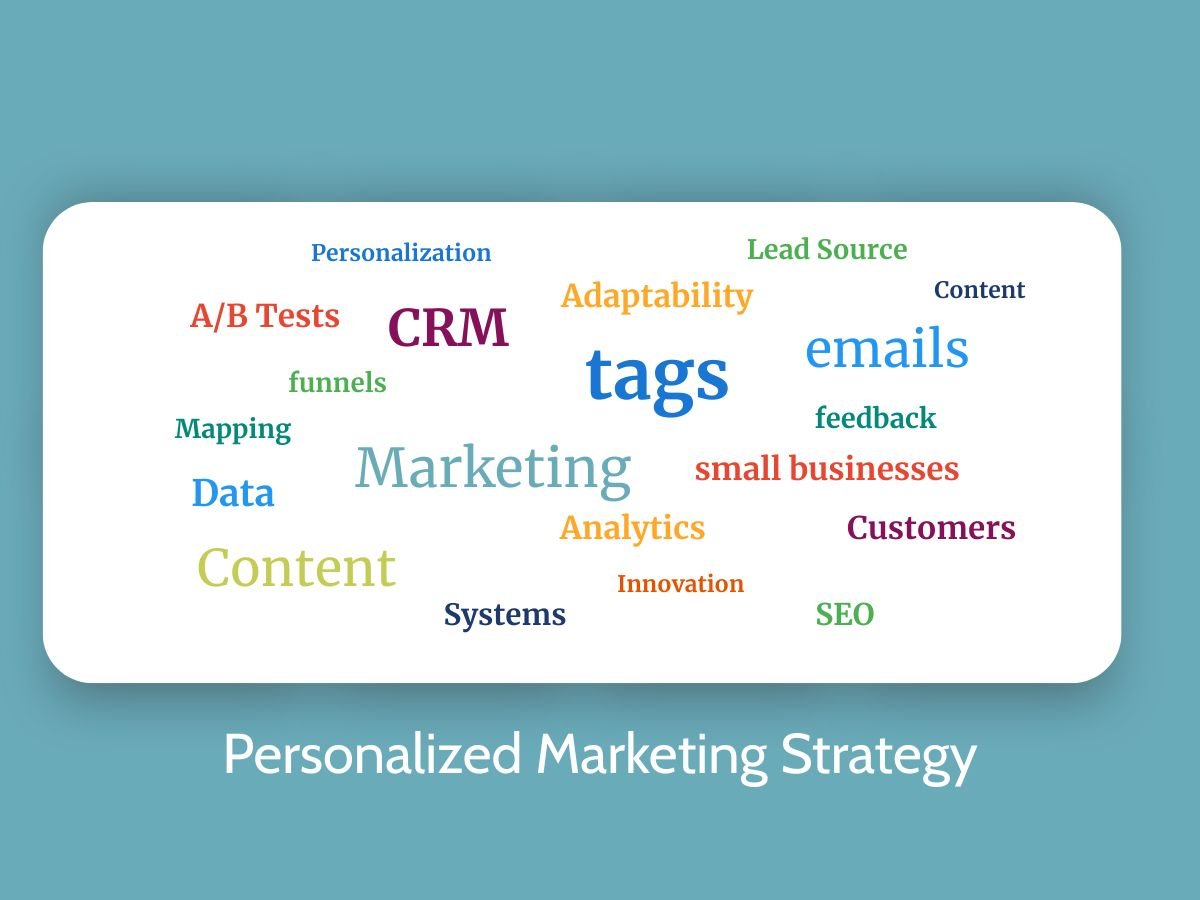
This week, guest Blogger Lance Cody-Valdez discusses a practical framework for small businesses looking to seamlessly plan, test, and scale a content personalization strategy without overwhelming their marketing stack. By taking a phased, data-driven approach, companies can turn complex integrations into a predictable, high-impact engine for growth.
By Lance Cody-Valdez
August 10, 2026
For small business owners, a personalized marketing strategy often sounds simple until content personalization integration starts tugging on every part of the marketing stack. The core challenge is that personalization touches data, tools, and day-to-day workflows at the same time, so quick add-ons can create messy handoffs and inconsistent customer experiences. With a clear project planning approach, personalization becomes a coordinated rollout instead of a patchwork of fixes. The payoff is marketing that feels relevant and stays manageable.
Quick Summary: Planning Content Personalization
● Define clear content personalization goals that align with business outcomes and audience needs.
● Audit your technology stack to confirm data sources, integrations, and delivery capabilities.
● Segment audiences thoughtfully and prioritize data security and privacy from the start.
● Launch in phases with cross-departmental collaboration to reduce risk and improve adoption.
● Track performance metrics consistently to validate impact and guide ongoing optimization.
Where Personalization Fits in Your Marketing Tools
Start with the bigger picture.
Content personalization tools are not a standalone magic button. They sit between the systems that store customer details (your CRM), send messages (email and automation), measure behavior (analytics), and sometimes even trigger offers after a purchase (payments). The core idea is mapping what you already use, then checking what data can actually flow between tools, and which foundational systems matter most for revenue and growth, as outlined in essential small business technology.
This matters because most small businesses have tools, but not a clean system. When only 18 percent of SMBs feel “very confident” in marketing effectiveness, gaps often come from disconnected data and unclear ownership. A simple inventory helps you fix the right problem first.
Think of it like a kitchen setup. You can buy a blender, but you still need ingredients, a power outlet, and a recipe. Your reference list is the checklist: CRM fields, email list source, tracking tags, and purchase history access.
With your stack mapped, you can set goals and confirm compatibility before building personas and pilots.
Build a Simple Personalization Launch Plan
This process helps you turn “we want personalization” into a practical project plan you can actually run. You will define what success looks like, confirm your tools can support it, and launch a small pilot without creating data or ownership headaches.
1. Step 1: Set one clear personalization objective
Start with a single outcome tied to a business goal, like increasing email clicks on a key offer or improving repeat purchases from recent buyers. Define one primary metric and one timeframe so you can tell if personalization worked without debate. This keeps your first rollout focused and easier to resource.
2. Step 2: Confirm tech compatibility and data access
Review which system will be your “source of truth” for customer details, and list the exact fields you need (for example: product category purchased, lead source, last visit date). Then check whether those fields can reliably flow into the channels you will personalize, even if it is a basic import or a simple integration. If the data cannot move cleanly, adjust the objective or simplify the audience rules.
3. Step 3: Build 2 to 3 actionable personas from real signals
Choose segments you can identify with data you already have, such as first-time buyers, high-intent browsers, or loyal repeat customers. For each persona, write: the trigger you will use, the message they should see, and the next action you want them to take. Keep it measurable, since personas are only useful if you can target them consistently.
4. Step 4: Check consent, privacy, and basic data hygiene
Document what data you will use, where it came from, and who can access it, then confirm it aligns with your email and cookie consent practices. Clean up the minimum fields required (naming conventions, missing values, duplicates), so your targeting rules do not misfire. This step prevents “creepy” personalization and reduces broken experiences.
5. Step 5: Run a small pilot and align stakeholders on ownership
Pick one channel and one use case, then run an A/B test or a holdout comparison long enough to see a stable signal. Assign a small working group with clear roles, and select representatives with the ability and willingness to represent stakeholder groups so decisions do not stall across teams. Capture results, feedback, and a short list of fixes, then convert them into your rollout checklist.
Plan → Pilot → Learn → Scale
This rhythm turns personalization into a steady integration workflow instead of a one-time campaign push. It keeps your implementation timeline moving, makes coordination predictable, and builds in pilot testing feedback so improvements happen before you scale. It also reduces avoidable failure points since one in three software projects fail to reach completion.
These stages loop on purpose: each pilot produces learnings, and each learning tightens your next run. Strong communication and collaboration keep handoffs clean as you expand to more channels.

Build Reliable Personalization Through Planning, Alignment, and Monthly Learning
Content personalization can feel overwhelming when data, tools, and stakeholders all move at different speeds. The steady way through is the plan → pilot → learn → scale mindset, using project planning benefits like clear ownership, fewer surprises, and a timeline the whole team can follow. When that approach is paired with personalization success factors, data-driven marketing, team alignment importance, and continuous optimization, results become more consistent and easier to defend. Personalization works best when small experiments turn into a repeatable, measured process. Choose one next step: pick a single audience segment and commit to a simple monthly review so improvements stay manageable and build implementation confidence. That cadence turns personalization from a risky launch into a dependable growth habit.
Don't let disconnected tools hold back your growth. You can align your technology stack, structure high-impact strategies, and build a scalable engine tailored to your goals. Contact Metis Consulting Services to get started.
