
How to Start a Medical Equipment Manufacturing Business: Practical Guidance for Entrepreneurs
By Guest Blogger Lance Cody-Valdez
August 10, 2026
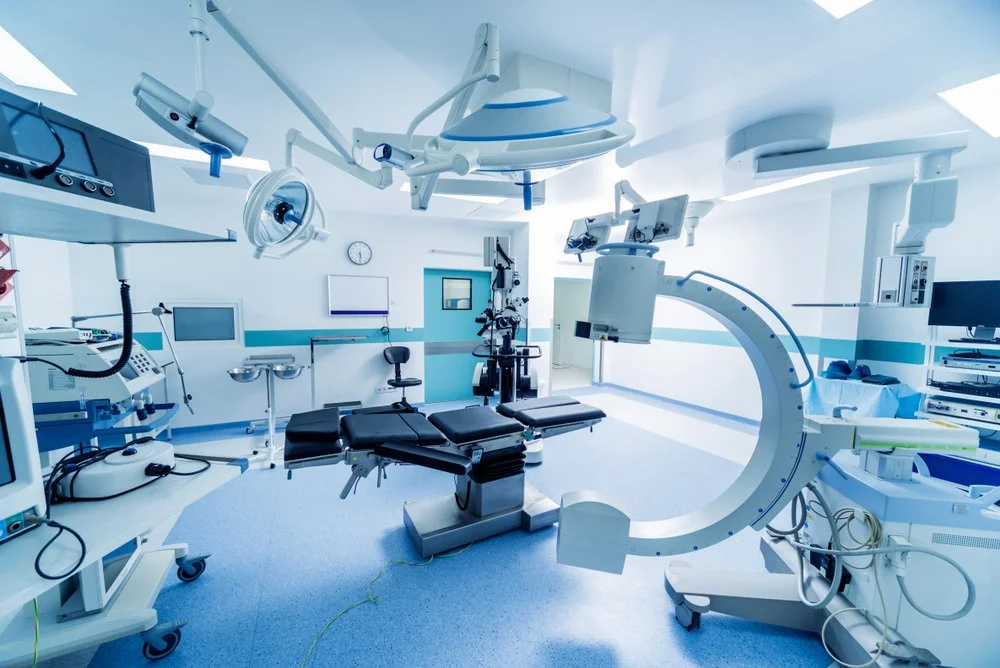
Medical equipment manufacturing is the business of designing, producing, and distributing devices used in healthcare settings—from surgical tools and hospital beds to diagnostic devices and patient monitoring systems. For entrepreneurs, it offers meaningful impact and strong market demand—but it also comes with regulatory scrutiny, operational complexity, and capital intensity.
Starting well means understanding the risks, the rules, and the realities before you invest heavily.
What Matters Most Before You Begin
Medical equipment is not just another product category. You’re entering a regulated industry where safety, documentation, and quality systems are foundational—not optional.
Here’s the big picture:
You must comply with federal regulations (in the U.S., the FDA oversees medical devices).
Quality management systems are often expected by buyers and partners.
Product classification determines your approval pathway and timeline.
Hospitals and distributors care deeply about reliability, documentation, and after-sales support.
Cash flow can be tight early due to tooling, certification, and inventory costs.
If you treat compliance and quality as core design features—not administrative tasks—you dramatically increase your odds of long-term success.
Choosing the Right Product Category
Not all medical devices are equal in complexity or risk.
Below is a simplified comparison to help frame your strategic choice:
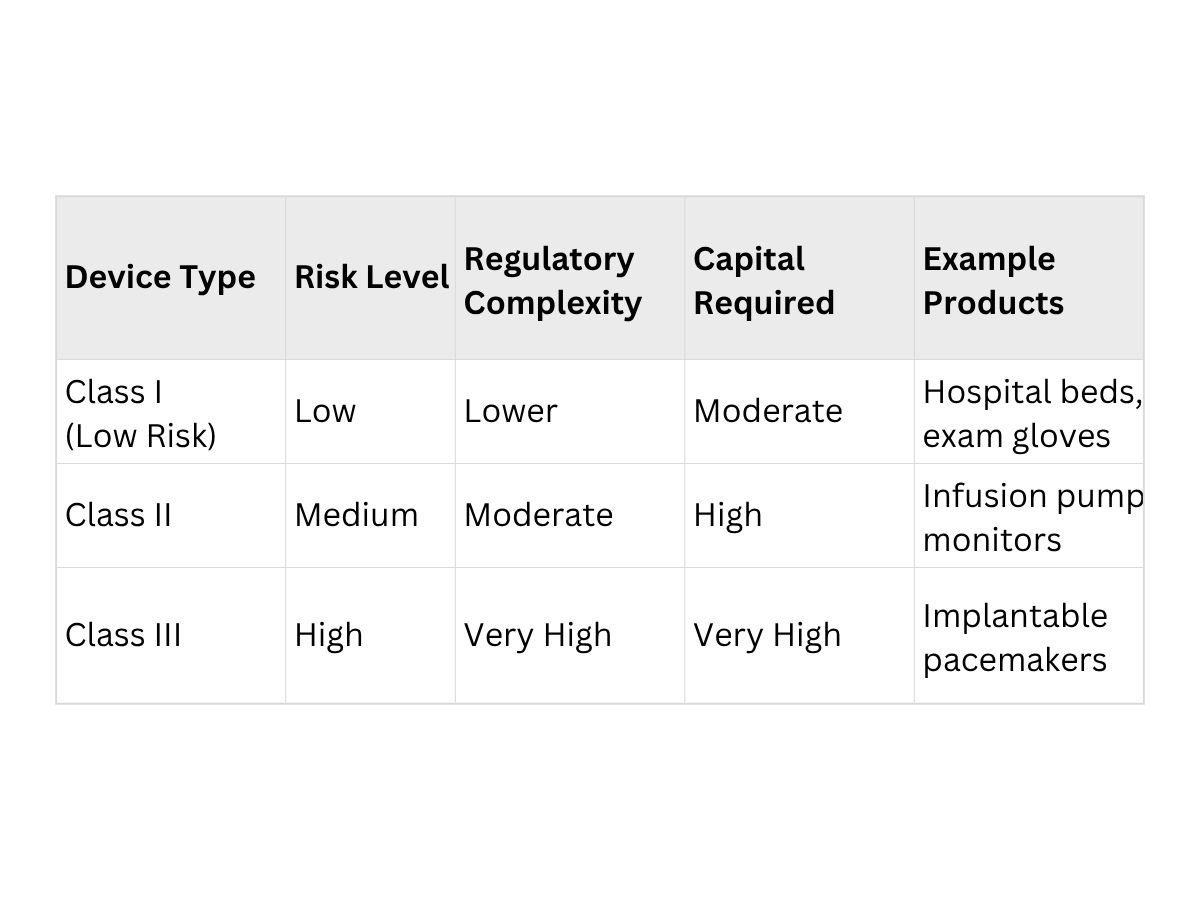
If you’re a first-time entrepreneur in this space, starting with lower-risk devices can reduce time to market and regulatory burden.
Building a Strong Foundation: Legal Structure
Forming a legal entity protects your personal assets and signals credibility to investors, partners, and regulators. Many entrepreneurs choose to register as a limited liability company (LLC) because it separates personal and business liability while maintaining operational flexibility.
Registering as an LLC can also simplify tax treatment and ownership structures, especially if you plan to bring on investors. You can reduce registration costs by self-filing with your state or using an online formation service. If you’re launching operations in California, you can explore options for setting up your LLC in California with ZenBusiness, which compares formation services and filing approaches.
The key is to formalize early. Manufacturers handling medical products should not operate informally.
A Practical Setup Checklist
Before you begin production, walk through this operational checklist:
1. Regulatory Planning
Determine device classification.
Identify required approvals or registrations.
2. Quality System Design
Implement documented manufacturing procedures.
Create traceability systems for materials and batches.
Train staff in quality control protocols.
3. Supplier Vetting
Audit suppliers for reliability and compliance.
Establish written quality agreements.
Avoid single-source dependency where possible.
4. Facility & Equipment
Ensure your manufacturing space meets safety and cleanliness standards.
Calibrate and validate production equipment.
5. Insurance Coverage
Secure product liability insurance.
Consider errors and omissions coverage if applicable.
Skipping any of these steps can create delays—or worse, product recalls.
Financing the Operation
Medical manufacturing often requires significant upfront investment. Tooling, molds, testing, and certifications are expensive.
Consider:
SBA loans or equipment financing.
Strategic partnerships with established distributors.
Angel or seed investment if developing innovative devices.
Pre-orders or pilot programs with local clinics.
Cash management matters more than flashy growth. Plan for longer sales cycles, especially when targeting hospitals.
Marketing & Distribution Strategy
Hospitals and clinics are cautious buyers. Trust is earned through:
Certifications and documented compliance.
Demonstrated product reliability.
Clear training materials and service agreements.
Responsive post-sale support.
Build relationships with:
Group purchasing organizations (GPOs).
Regional distributors.
Procurement officers in healthcare networks.
Reputation spreads quickly in healthcare—both good and bad.
Frequently Asked Questions
Do I need FDA approval for all medical devices?
Not always. Some low-risk devices require only registration and compliance with general controls, while others require premarket notification or approval. Classification determines the pathway.
How long does it take to launch?
For lower-risk devices, timelines may range from several months to over a year. Higher-risk devices can take multiple years due to testing and approval processes.
Is ISO certification mandatory?
Not always legally required, but many buyers expect compliance with recognized quality standards like ISO 13485.
Can I outsource manufacturing?
Yes, but you remain responsible for regulatory compliance and quality control. Oversight is critical.
A Helpful Industry Resource
For deeper insight into regulatory pathways and device classification, visit the U.S. Food and Drug Administration’s official medical device page. This resource provides up-to-date guidance on device categories, compliance expectations, and approval pathways. Always rely on official regulatory sources when making compliance decisions.
Common Early Mistakes to Avoid
Underestimating regulatory timelines
Neglecting documentation
Overbuilding before validating market demand
Choosing complex, high-risk products too early
Ignoring post-sale service planning
Entrepreneurs who thrive in this space treat quality, compliance, and customer trust as strategic assets—not overhead.
Starting a medical equipment manufacturing business requires discipline, capital, and patience. The opportunity is real—but so is the responsibility. Build slowly, document everything, and prioritize quality from day one. If you respect the regulatory environment and design your operations around compliance and reliability, you position your company for sustainable growth in a mission-critical industry.
Navigating regulatory hurdles, quality management, and market entry shouldn't hold back your medical innovation. Contact Metis Consulting Services to turn your healthcare vision into commercial reality.
