
FDA Under DOGE: What Workforce Reductions Mean for the Pharmaceutical Industry
FDA Under DOGE: What Workforce Reductions Mean for the Pharmaceutical Industry
There are seismic shifts occurring within the FDA as DOGE-led workforce reductions redefine the boundaries of regulatory oversight. It is a new era where the burden of pharmaceutical safety is shifting from the government to the private sector.
By Michael Bronfman
May 18, 2026
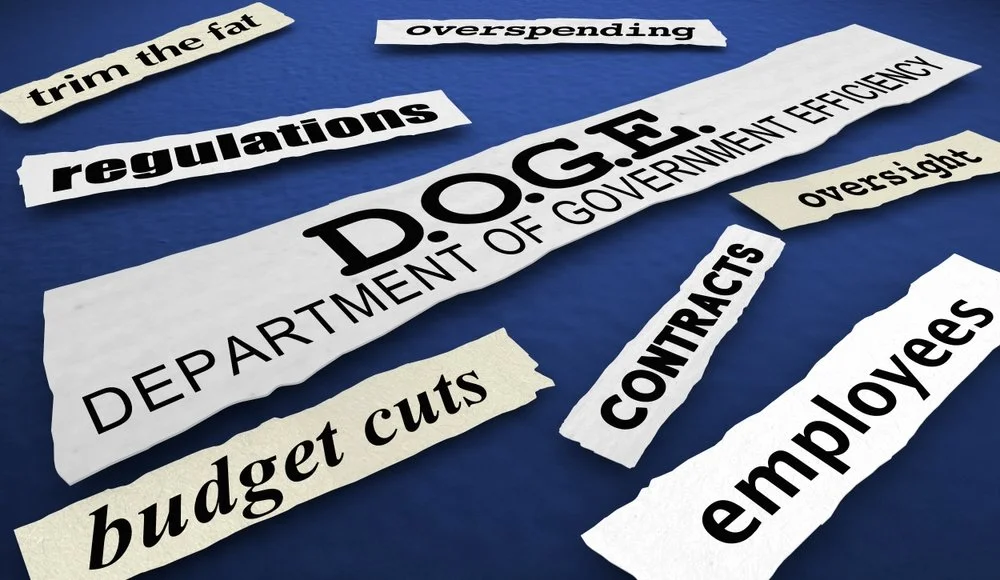
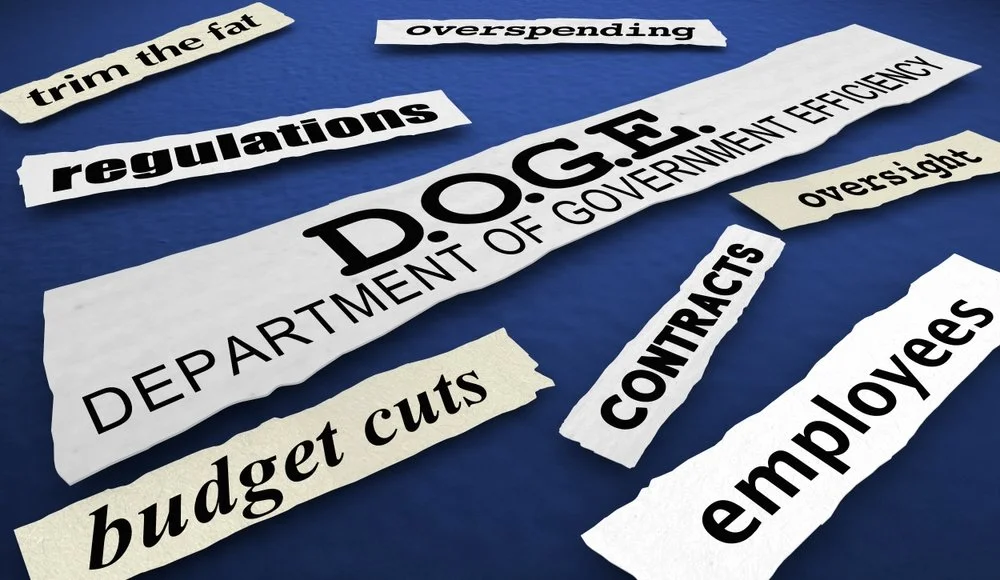
American healthcare is undergoing a massive shift in 2026. Under the new Department of Government Efficiency (DOGE), the Food and Drug Administration (FDA) has faced a notable transformation. More than 3,500 employees have been let go. These aren't just office workers; they are the scientists, inspectors, and experts who make sure the medicine in your cabinet is safe.
For people working in the pharmaceutical industry, this is a "mission-critical" moment. When the government agency that watches over you loses a large chunk of its workforce, the rules of the game change. You have to understand what a "leaner FDA" means for your daily job and for the patients who count on your products.
The Scale of the Change
To understand the impact, we have to look at who is gone. The cuts have hit almost every part of the agency. We are seeing fewer people in charge of:
Approving drug labels: Making sure the instructions on a bottle are correct and easy to read.
Posting recall notices: Getting the word out quickly when a dangerous product is found.
Testing samples: Actually looking at the chemicals in a lab to verify they match the given recipe.
According to Healthgrades reports, these cuts are already being felt on the ground. When you lose that many people, the wait time for everything starts to grow.
The Ripple Effect on Inspections
In the past, pharmaceutical companies expected regular visits from FDA inspectors. These visits kept everybody on their toes. With a smaller workforce, the FDA cannot be everywhere at once. Currently proposed is a “one-day inspection,” which may not be sufficient time for a regulatory body to carry out a thorough inspection of patient-facing treatment.
Legal experts at Ropes & Gray LLP have noted that workforce reductions will likely lead to longer investigative timelines. If there is a problem at a facility, it might take much longer for the agency to find it, or to clear a company that has resolved an issue. This creates significant uncertainty for sponsor organizations.
The Impact on Global Trade
The FDA doesn't just watch over US manufacturing sites. They also inspect sites globally, including in India and China, that export medicine to the United States.
International Inspections
Travel is expensive and time-consuming. With fewer inspectors, the number of overseas visits has dropped sharply. This creates a risk. If an overseas plant knows it won't be inspected for 5 years, it might get lax about its standards.
Smart companies are now performing their own "Supply Chain Audits." They are sending their own teams to visit their partners worldwide to ensure that every ingredient is pure. You cannot afford to have a partner who cuts corners.
Navigating Internal Reorganizations
The FDA is also being reorganized. Offices are merging, and departments are being renamed. For a pharma company, this means your "point of contact" might change every month.
Tips for Staying Connected
Document Everything: Keep a clear trail of every email and phone call with the agency.
Be Clear and Concise: Since FDA staff are overwhelmed, make your letters easy to read. Use bullet points and put the most important info first.
Monitor the Federal Register: Stay updated on new rules being issued to address the smaller workforce.
The Economic Reality
DOGE’s goal was to save taxpayers' money. While the government is spending less on salaries, the pharma industry might end up spending more.
The industry is learning that "less government" doesn't always mean "less work." It often means the work stops in the approval pathway.
Looking Ahead: The Future of the FDA
The year 2026 will be remembered as a turning point. We are moving toward a model in which the government sets the high-level rules, while companies are expected to police themselves much more strictly.
A New Partnership
The relationship between the FDA and pharma companies used to be like a teacher and a student. The teacher (FDA) would grade the student’s (Pharma) work and tell them how to fix it.
Now, the relationship is more like a judge and a citizen. The judge doesn't have time to teach you. They only have time to show up when something goes wrong and hand out a punishment.
Practical Compliance Steps for 2026
If you want to survive and thrive in this new environment, your team should focus on these three pillars:
1. Data Integrity
Every number in your report must be perfect. Since the FDA will be doing fewer "random checks," they will likely be much harsher when they find a data error. They will assume that if you made one mistake, you are hiding others.
2. Supply Chain Transparency
Know exactly where your Active Pharmaceutical Ingredients (APIs) come from. If your supplier in another country hasn't seen an FDA inspector in three years, you need to be the one to inspect them.
3. Rapid Response Teams
Have a plan ready for when something goes wrong. If you find a safety signal, you need to know exactly how to handle a recall without waiting for the FDA to hold your hand through the process.
The New Mission
The workforce reductions at the FDA are a challenge, but they are also an opportunity. Companies that prove they can maintain high standards without constant government supervision will win the trust of doctors and patients.
For pharmaceutical professionals in quality and regulatory , the mission is the same, but the pressure has increased. You are now the primary protectors of public health. By staying informed through resources like Healthgrades and keeping an eye on legal shifts at sites like Ropes & Gray LLP, you can navigate this leaner landscape more confidently.
The FDA might have fewer people, but the patients still expect the same level of safety. It is up to us to deliver it.
Is your organization ready for a one-day inspection or a supply chain failure? Discover the gaps in your compliance strategy; contact Metis Consulting Services today to fortify your quality systems and navigate the leaner regulatory landscape of 2026 with confidence.
Key Takeaways
The FDA is smaller now. Over 3,500 people lost their jobs, meaning the government has fewer experts to monitor the Pharma field
Wait times are longer. With fewer workers, the FDA may take longer to approve new drugs or investigate safety issues.
Companies have to watch themselves. Since our "government watchdog" is busy, drug companies must hire their own experts to ensure their medicines are safe.
Quality is more important than ever. If a company makes a mistake, it might have to handle cleanup on its own, with little help from the government.
Safety is still the goal. Even with a smaller FDA, making sure patients are safe is the main goal.