
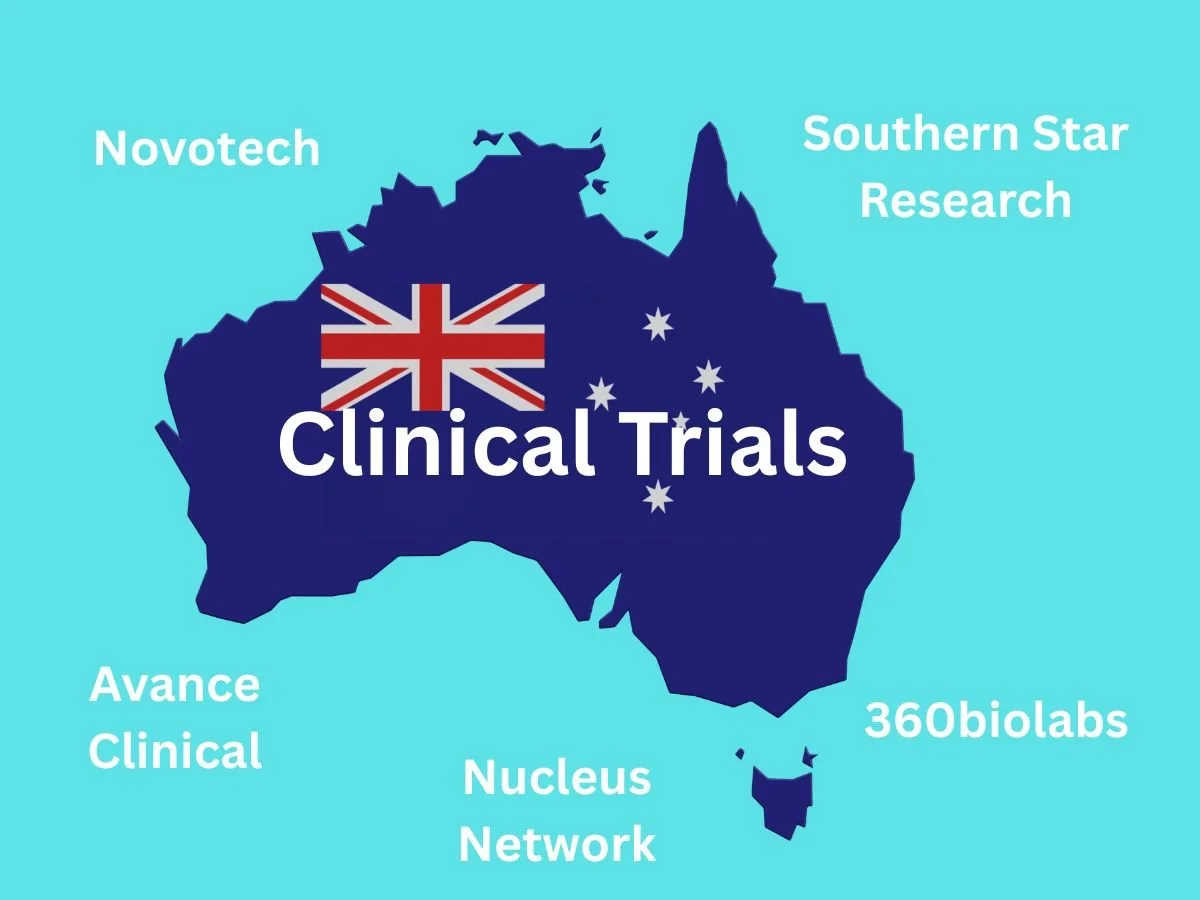
The Australian Advantage in Early Stage Clinical Trials
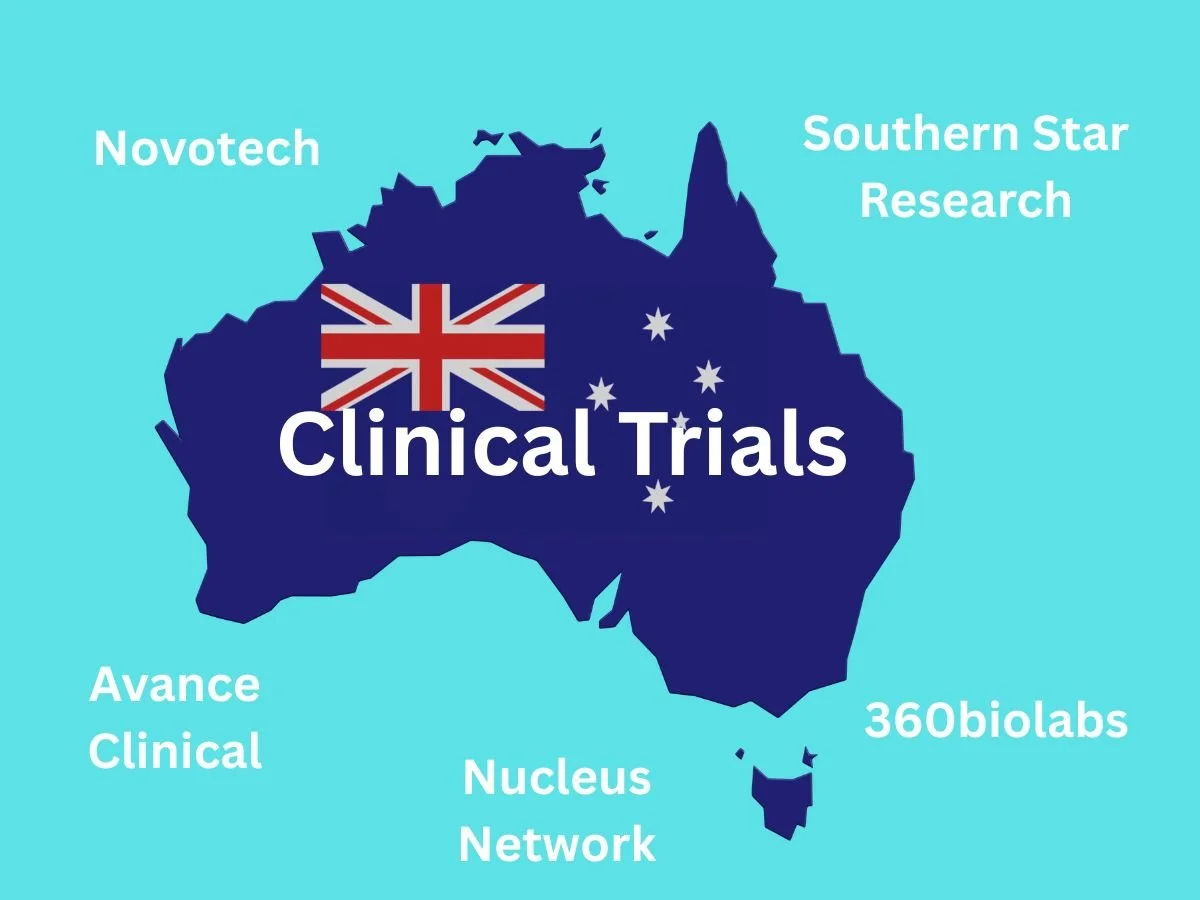
This week in the Guardrail, we explore how the Aussie Advantage-how Australia has leveraged rapid regulatory timelines and aggressive financial incentives to solidify its position as the premier global destination for Phase 1 clinical trials.
By Michael Bronfman
March 30, 2026
When a pharmaceutical company creates a new medicine, the most exciting and scary step is the first time it is given to a human. This is called a “First in Human” or Phase 1 trial. For decades, many companies sent their studies to the United States or Europe. Today, the world is looking at Australia. This country has become a global leader for early-stage clinical trials. In 2026, the "Australian Advantage" is a major topic in the medical world. Here is why so many biotech companies are heading down under to start their research.
Speed Is the Greatest Tool
In the world of medicine, time is everything. If a company can start a trial faster, it can help patients sooner. Australia has a very special system for approving trials that is much faster than that in the United States. In the US, companies must wait months for the Food and Drug Administration to review their plans. In Australia, the process is streamlined.
The Australian system uses a scheme called the Clinical Trial Notification (CTN) scheme. Instead of a long government review, the trial is reviewed by a local ethics committee at a hospital or research center. Once the committee says the trial is safe, the company simply notifies the government. This allows trials to start in just five or six weeks. This speed helps companies save money and move their science forward without waiting for paperwork. You can see how this process works on the Therapeutic Goods Administration website.
A Massive Financial Incentive
Running a clinical trial is very expensive. It can cost millions of dollars to test a new drug. The Australian government wants to help companies do this work in their country. To do this, they offer one of the best tax breaks in the world.
Small and medium companies can get a cash refund of 43.5 percent for every dollar they spend on research in Australia. This means if a company spends one million dollars on a trial, the government gives them back over four hundred thousand dollars in cash. This is not just a tax credit for the future. It is real money that companies can use to fund more research right away. This financial help makes Australia about 60 percent cheaper than the United States for early-stage studies. Many companies use this to stretch their budget and test more ideas.
World Class Quality and Data
Speed and money are important, but they do not matter if the data is not good. Australia is famous for having some of the best doctors and hospitals in the world. The scientists there follow the highest international rules for research. These rules are called Good Clinical Practice.
Because the quality is so high, the data from Australian trials is accepted by major health groups like the US Food and Drug Administration and the European Medicines Agency. A company can conduct its initial tests in Australia and then use the same data to apply for a license in the US or Europe. They do not have to repeat the work. This makes Australia a perfect "launchpad" for global medical development.
A Diverse and Willing Population
For a clinical trial to work, you need people to participate. Australia is a very multicultural country. It has people from many different backgrounds and ethnicities. This is important because medicines can affect different people in different ways. Researchers need a diverse group of people to make sure a drug is safe for everyone.
Australians are also known for being very supportive of medical research. Many people are excited to join trials to help find cures for diseases like cancer or Alzheimer's. There are even special networks, such as the NSW Early Phase Clinical Trials Alliance, that help connect patients with new trials across the country. This makes it much easier for companies to find the volunteers they need.
Advanced Technology and Innovation
In 2026, Australia is at the cutting edge of new medical technologies. They are leaders in areas like gene editing and cell therapy. The labs in cities like Sydney and Melbourne have the latest equipment to study how new drugs work at a microscopic level.
Australian companies and researchers are also using artificial intelligence to help design better trials. This technology helps them predict which patients will respond best to a new treatment. By using the best technology, Australia ensures that every trial is as smart and efficient as possible. Organizations like Novotech help companies from all over the world navigate this high-tech environment.
Seasonal Advantages for Research
One unique advantage of Australia is its location in the Southern Hemisphere. When it is winter in the US and Europe, it is summer in Australia. This is very helpful for testing medicines for seasonal issues like the flu or allergies. Researchers can follow the seasons around the world to keep their studies going year-round. Instead of waiting for next winter in the North, they can simply move their study to the South. This "seasonal bridge" is a clever way to save time in the drug development process.
Strong Protection for Ideas
Companies spend a lot of time and money creating new medicines. They want to be sure that their ideas are safe. Australia has very strong laws to protect intellectual property. This means that when a company brings a new discovery to Australia, they own it completely. They do not have to worry about someone else stealing their hard work. This safety gives business leaders the confidence to bring their most important projects to Australian soil.
The Future of Global Medicine
As we look at the future of public health, Australia will continue to play a big role. The country is not just a place for early tests anymore. It is becoming a hub where the next generation of life-saving cures is born. By making trials faster, cheaper, and higher-quality, Australia is helping the whole world access better medical care.
For a young scientist or a biotech founder, Australia is the place to be in 2026. The combination of government support and scientific excellence is hard to find anywhere else. As more companies realize this, the Australian biotech sector will only continue to grow. BioPharma APAC keeps track of the latest news in the region.
The Australian Advantage is real, and it is growing. By focusing on speed and quality, Australia has made itself the top choice for “first in human” trials. Whether it is the 43.5 percent tax refund or the fast five-week startup time, the benefits are clear. Most importantly, this system helps get new medicines to the people who need them faster than ever before. Australia is proving that you do not have to be the biggest country to be a leader in the world of medicine.
Australia’s Leading Partners for First in Human Clinical Trials
When a biotech company decides to use the Australian Advantage, they usually hire a local expert called a Contract Research Organization ( CRO). These groups handle all the paperwork and find the best hospitals for the study.
Here is a list of the top partners in Australia for early-stage trials in 2026.
1. Novotech
Novotech is the largest independent CRO in the Asia Pacific region. They are experts at helping companies from the United States and Europe move their trials to Australia. They focus on fast startup times and high-quality data.
Specialty: Biotechnology and oncology (cancer) research.
Website: Novotech Health
2. Avance Clinical
Avance Clinical is known for being very agile. They specialize in Phase 1 trials and have a very high success rate with the Australian government’s 43.5 percent tax incentive. They often work with small companies that need to move quickly.
Specialty: Rare diseases and early-stage vaccines.
Website: Avance Clinical
3. Nucleus Network
This group is unique because they have their own dedicated clinics in Melbourne and Brisbane. They have over 150 beds specifically for people participating in First-in-Human trials. This means they do not have to wait for space at a public hospital.
Specialty: Complex Phase 1 studies and healthy volunteer trials.
Website: Nucleus Network
4. Southern Star Research
Southern Star is a boutique CRO based in Sydney. They offer a very personal service for international clients. They are experts in the Clinical Trial Notification (CTN) scheme which allows for that famous five-week trial startup time.
Specialty: Medical devices and respiratory medicine.
Website: Southern Star Research
5. 360biolabs
While the other groups manage the trials, 360biolabs is the leading laboratory in Australia. They test the blood and tissue samples from the trials to see exactly how the new medicine is working. Their data is world-class and accepted by every major global health agency.
Specialty: Specialty laboratory services and virology.
Website: 360biolabs
How to Choose an Australian Partner
Choosing the right partner is the most important decision for a new medical project. Here are three things to look for when researching these groups.
Look for Local Knowledge
A good partner should know the Australian tax system inside and out. They should be able to tell you exactly how to get your 43.5 percent cash refund from the Australian Tax Office. If they cannot explain the finances clearly, they might not be the right fit.
Check Their Track Record
Ask the CRO how many First in Human trials they have managed in the last three years. Speed only matters if the trial is done correctly. You can verify their experience by checking the public database of every trial happening in the region. The Australian New Zealand Clinical Trials Registry.
Verify Their Global Status
Ensure that the CRO has experience working with the US FDA. Since most companies eventually want to sell their medicine in the United States, the Australian data must be perfect. A partner that understands global rules will save you a lot of time later on.
Maximizing the Aussie Advantage requires a global perspective and sophisticated tactical execution. Metis Consulting Services combines deep-seated technical expertise with the strategic capabilities necessary to help you bridge the gap between Australian early-stage success and global regulatory approval.
Why the US Leaving the World Health Organization is Short-Sighted
On 22 January 2026, the United States announced that it was formally withdrawing from the World Health Organization. Public health experts, analysts, scientists, and those of us who work in the field find this a dangerous decision that will jeopardize national and global security and is scientifically reckless.
This week in the Guardrail, what it looks like when a major player walks away from a seat at the global health table and what that power vacuum actually means for the pharmaceutical industry's bottom line. Especially for businesses trying to stay competitive in a connected world.
By Michelleanne Bradley and Michael Bronfman, Metis Consulting Services
February, 2, 2026
On 22 January 2026, the United States announced that it was formally withdrawing from the World Health Organization. Public health experts, analysts, scientists, and those of us who work in the field find this a dangerous decision that will jeopardize national and global security and is scientifically reckless.
Leaving the World Health Organization is more than a political decision. The consequences are practical, measurable, and deeply connected to health, safety, and a stable economy. This decision weakens disease surveillance, slows drug development, raises health risks, and reduces US influence at a time when worldwide cooperation is imperative.
What the World Health Organization Does
The World Health Organization coordinates global public health efforts. It tracks infectious diseases, sets international health standards, supports vaccination programs, and helps countries respond to emergencies, including pandemics, natural disasters, and outbreaks of emerging diseases.
The WHO's role in medicine, quality, and safety is significant. It runs global systems that monitor drug shortages, counterfeit medication, and adverse drug reactions. These systems support regulators like the US Food and Drug Administration and help pharmaceutical companies operate safely across borders.
The mission of the WHO is to promote health, keep the world safe, and serve the vulnerable.
The US needs the WHO as much as the WHO needs the US.
How WHO Membership Protects the US
Many in the US assume that global health work benefits only other countries. In reality, WHO programs are a first line of defense for the United States.
Disease outbreaks do not respect borders. Viruses travel by plane faster than governments can react. The WHO operates a global disease surveillance network that alerts countries to new threats early, giving US health agencies and pharmaceutical companies time to prepare diagnostics and treatments. Without direct access and influence, the United States risks slower warnings and less reliable information.
During outbreaks such as Ebola, Zika, and COVID-19, WHO data-informed US public health decisions and supported early research efforts.
Currently, US companies are world leaders in medical research and diagnostics, and the WHO is a massive buyer of those goods. In 2023 alone, the WHO purchased over $600 million in US products. When the US is an active member of WHO, contributing to the stability of the global health market, we help prevent mass economic shutdowns. Interruptions to the supply chain, like those that cost the US trillions of dollars during the COVID-19 pandemic, are a concern. Withdrawal from the WHO creates a leadership vacuum that our rivals will fill. With the US involved, we can be sure that global health standards, norms, and research agendas will be consistent with our national interests.
Historically, the US has provided expertise in eliminating diseases worldwide, including smallpox, and has brought polio to the brink of eradication. U.S.-funded programs targeting HIV/AIDS (PEPFAR), tuberculosis, and malaria rely on the WHO’s coordination to be effective. By disengaging from these efforts, we risk collapsing the infrastructure we have built. This can lead to a resurgence of diseases we have spent decades and billions of dollars fighting to suppress.
Impact on Pharmaceutical Research and Drug Development
The pharmaceutical industry depends on worldwide coordination of clinical trials. Regulatory standards rely on shared frameworks. Safety signals are detected through international data sharing.
The WHO supports the development of harmonized guidelines for clinical research, manufacturing quality, and pharmacovigilance. These guidelines reduce duplication, lower costs, and speed patient access to new therapies.
When the US withdrew, companies lost a seat at the table where these standards are shaped. Other countries will still move forward, led by Europe or China, and US firms will then face rules they did not help design. Agencies, including the CDC and NIH, have been instructed to halt official collaboration with the WHO, including co-authoring technical papers and participating in coordinated clinical trials, which previously helped US scientists quickly test treatments in diverse populations. This will create friction in drug development, increase compliance costs, and delay product launches.
Effects on Drug Safety and Quality
The WHO estimates that one in ten medical products in low and middle-income countries is falsified or substandard. These products do not stay overseas. Global supply chains mean unsafe medicines can enter the US market through imports, online pharmacies, or contaminated raw materials.
The WHO helps countries detect and stop these products before they spread. The WHO shares alerts with national regulators, including the FDA. Leaving the WHO weakens the safety net, putting US patients at greater risk of receiving ineffective or dangerous medicines.
Pandemic Preparedness and National Security
The US government has repeatedly recognized pandemics as serious threats to the economy and defense.
The WHO coordinates pandemic preparedness plans, emergency stockpiles, and rapid response teams. It helps countries share virus samples and critical research data for vaccine development. During COVID-19, early sharing of genetic sequences allowed US companies to begin vaccine development within days. That speed saved innumerable lives. Walking away from the WHO does not make the United States more independent. It makes it more isolated at precisely when cooperation matters most.
On 23 January 2026, California became the first US state to join a WHO-coordinated international network independently. California has joined the Global Outbreak Alert and Response Network (GOARN). California accessed international expertise and data for disease monitoring, allowing the state to stay connected to global health security and utilize early warning systems.
Loss of Leadership
For decades, the United States has helped shape global health policy through the WHO. This influence helped to align global health goals with values such as integrity, transparency, and accountability. The US's leaving does not eliminate the WHO; it creates a leadership vacuum. Other nations step in and shape priorities in their stead.
Without US participation, our perspectives on data sharing, regulatory science, and ethical research lose impact. This shift affects everything from outbreak reporting to drug approval standards.
Economic Consequences for the United States
Global health stability supports global economic balance. Outbreaks play havoc with supply chains, reduce workforce productivity, and slow trade. The World Bank estimates that pandemics can cost the global economy trillions of dollars. When the US invests in global disease prevention through organizations like the WHO, it reduces the risk of expensive disruptions that negatively impact businesses and workers.
Future of Global Health
Globally, health challenges are becoming more complex. Climate change is expanding the range of infectious diseases. Antibiotic resistance is rising. New viruses continue to emerge.
No single country can manage these risks alone. The WHO remains the only organization with the reach and mandate to coordinate a global response.
Renewing trust and reforming international institutions are difficult, and abandoning them is not a solution. Active participation allowed the United States to push for transparency and efficiency from within.
Leaving the World Health Organization is a mistake with real consequences. It weakens disease surveillance, slows pharmaceutical innovation, increases safety risks, and reduces US leadership worldwide.
For patients, it means greater exposure to health threats and fewer protections. For the pharmaceutical industry, it means higher uncertainty and reduced influence. For the world, it means a less coordinated response to crises that affect everyone.
Global health cooperation is not a favor to other countries. It is an investment in safety, prosperity, and leadership. Walking away from the WHO does not make the United States stronger. It makes the world, including the US, more vulnerable.
While the current administration maintains that leaving the WHO restores accountability for US taxpayers and allows more autonomous health policy, this is actually a penny-wise, billion-dollar-foolish move, leaving the US more vulnerable to the inevitable return of transnational health threats.
Connect with Metis Consulting Services today to keep your business steady while the global stage shifts. hello@meticconsultingservices.com