
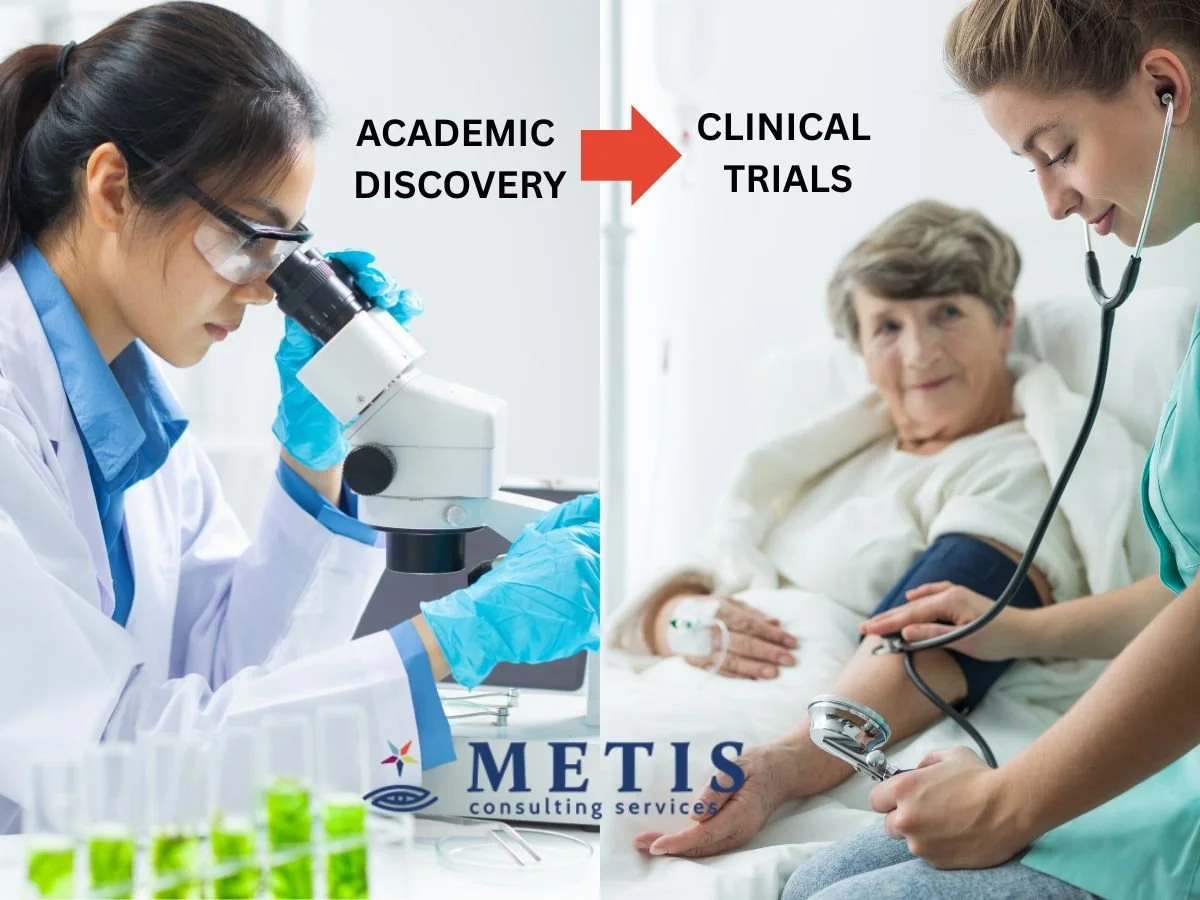
From Academic Discovery to Clinical Trials: Transitional Priorities
Moving a drug from academic discovery to clinical trials is one of the most critical phases in pharmaceutical development. Academic research often focuses on understanding disease mechanisms and identifying potential targets
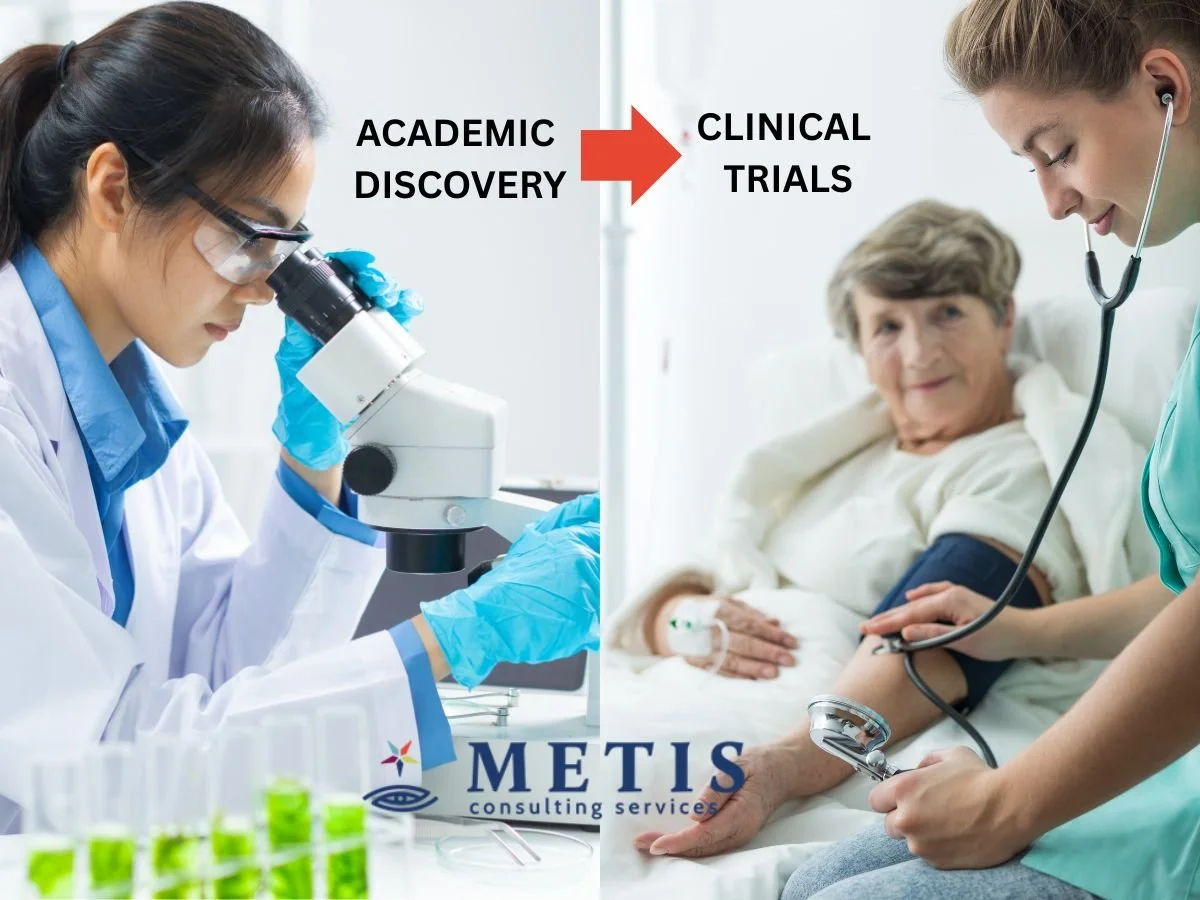
This week in the Guardrail, we explore the rigorous journey between bench-side innovation and bedside application. Read the article for the essential regulatory and manufacturing milestones necessary to successfully transition a drug from academic discovery into human clinical trials
By Michael Bronfman
March 9, 2026
Moving a drug from academic discovery to clinical trials is one of the most critical phases in pharmaceutical development. Academic research often focuses on understanding disease mechanisms and identifying potential targets. Translating those discoveries into therapies that can be tested in humans requires careful planning, rigorous validation, and a strong focus on regulatory and operational priorities.
The transition from academic discovery to clinical development is not automatic. Many promising compounds fail to progress because key priorities are overlooked. Companies that understand these priorities can increase the likelihood of successful trials and regulatory approval.
Understanding the Gap Between Discovery and Development
Academic labs are excellent at generating novel ideas and identifying biological targets. However, academic research is usually exploratory. Experiments may be small-scale, conditions controlled, and outcomes focused on understanding mechanisms rather than therapeutic benefit.
Clinical development requires a shift. Compounds must be reproducible, manufacturable, and safe for human testing. Regulatory requirements for documentation, quality, and ethics become central.
Filling this gap requires early planning for pharmacology, toxicology, and chemistry manufacturing and controls, known as CMC.
Establishing a Strong Preclinical Package
Before a drug can enter clinical trials, an extensive preclinical package is essential. Preclinical studies show safety and provide dosing guidance for first-in-human studies.
Key areas include:
Pharmacokinetics and pharmacodynamics, understanding how the drug behaves in the body and its mechanism of action
Toxicology, assessing possible harmful effects in relevant animal models
Formulation and stability, guaranteeing the drug can be reliably manufactured and stored
The FDA provides guidance on preclinical safety evaluation at https://www.fda.gov/regulatory-information/search-fda-guidance-documents/s6r1-preclinical-safety-evaluation-biotechnology-derived-pharmaceuticals
A strong preclinical package increases confidence for regulatory submission and trial planning.
Regulatory Engagement Early and Often
Early engagement with regulators is critical. Discussions with the FDA or EMA can clarify what data is needed to move into clinical trials.
Pre-IND (pre-Investigational New Drug (pre-IND) meetings or Scientific Advice meetings with EMA allow sponsors to present plans and receive feedback. This reduces the risk of surprises during submission review.
Regulatory guidance and meeting information can be found at:
Translating Academic Findings Into Clinical Protocols
Academic studies often use models that may not fully reflect human disease. Translating findings into a clinical protocol calls for careful consideration.
Clinical trial design must define endpoints, patient populations, and dosage regimens. Safety monitoring must be rigorous. Feasibility and patient recruitment plans should be realistic.
Collaboration between discovery scientists, clinical experts, and regulatory professionals ensures that the transition maintains scientific integrity while meeting clinical standards.
Manufacturing and Quality Considerations
Academic labs rarely operate under Good Manufacturing Practice (GMP) standards. Moving into clinical trials requires that compounds be manufactured under controlled conditions.
GMP ensures consistency, purity, and traceability. Sponsors must validate manufacturing processes, control raw materials, and document production.
FDA guidance on GMP requirements is available at
Early attention to manufacturing reduces delays and supports regulatory confidence.
Intellectual Property and Commercial Considerations
Transitioning a compound to clinical trials also demands focus on intellectual property. Patents protect innovations and support investment in development.
Sponsors must assess freedom-to-operate, patent coverage, and potential competitor activity. These considerations impact strategy and partnerships.
Establishing Risk Management Plans
Clinical development entails inherent risk. Safety, efficacy, and operational risks must be identified and mitigated.
Developing a risk management plan includes monitoring safety signals, contingency planning, and guaranteeing compliance with regulatory requirements.
This proactive method supports smooth trial conduct and regulatory inspection readiness.
Building Cross-Functional Teams
Successful transition entails collaboration across multiple disciplines. Discovery scientists, clinical operations, regulatory affairs, quality, and commercial teams must work together.
Effective coordination and mutual objectives avoid misalignment and accelerate progress.
Training and clear role definitions are essential to uphold compliance and accountability.
Patient Considerations and Ethics
Moving from discovery to human trials introduces ethical obligations. Patients must be protected via informed consent, risk minimization, and oversight by institutional review boards or ethics committees.
Clinical study protocols must clearly define inclusion and exclusion criteria, monitoring procedures, and termination rules.
Ethical conduct is mandatory and foundational to regulatory approval.
Timeline Planning and Milestones
Transition planning includes realistic timelines and milestones. From preclinical studies to IND submission and first patient dosing, each stage has dependencies.
Delays frequently occur due to insufficient data, regulatory questions, or manufacturing issues. Detailed planning helps teams foresee obstacles and allocate resources optimally.
Project management tools, milestone tracking, and clear communication reduce bottlenecks and improve efficiency.
Documentation and Data Validity
Data from discovery and preclinical studies must be well documented. Traceability from raw data to reports supports regulatory review and internal decision-making.
Audit-ready records, standardized reporting, and quality checks guarantee that evidence can be defended during inspections.
FDA guidance on data validity can be found at https://www.fda.gov/inspections-compliance-enforcement-and-criminal-investigations
Partnerships and External Expertise
Many organizations rely on external partners to support the transition. Contract research organizations, academic collaborators, and consultants bring specialized expertise.
Sponsors must manage these relationships carefully. Contracts, oversight, and communication plans ensure that responsibilities are clear and quality standards are met.
Glancing Ahead
The transition from academic discovery to clinical trials is a defining phase in drug development. Attention to preclinical data, regulatory engagement, manufacturing, risk management, and team alignment sets the stage for successful clinical programs.
Organizations that plan deliberately, execute rigorously, and sustain compliance are more likely to advance therapies safely and efficiently to patients.
The transition from discovery to development is fraught with complexity, but you don’t have to navigate it alone. Contact Metis Consulting Services today to leverage our deep regulatory expertise and strategic oversight, ensuring your breakthrough therapy moves from the lab to the clinic with precision, speed, and total compliance.