
The Rise of Computer-Designed Antibodies and What It Means for Therapeutics
Recently, researchers have developed advanced computational tools to design antibodies in ways previously considered unattainable. This development could accelerate the discovery of new treatments and expand the range of treatable diseases.

As the field of drug discovery undergoes a monumental shift toward computational efficiency, staying ahead of regulatory and quality benchmarks is essential for success. This week in the Guardrail, we examine how the rise of computer-designed antibodies is redefining what is possible for modern therapeutics
By Michael Bronfman for Metis Consulting Services
January 12, 2026
Life sciences are undergoing a significant shift in drug discovery. Historical methods depend on animal testing, extensive molecular libraries, and lengthy trial-and-error cycles. Recently, researchers have developed advanced computational tools to design antibodies in ways previously considered unattainable. This development could accelerate the discovery of new treatments and expand the range of treatable diseases.
An antibody is a type of protein that your immune system makes to recognize and bind to substances such as viruses or bacteria. Because antibodies can bind very specifically to targets, they make excellent therapeutic drugs. There are already many antibody medicines on the market for cancer, autoimmune diseases, and infectious diseases. But creating new antibody drugs with traditional methods is slow, costly, and often unpredictable. Researchers now use advanced computer models to guide antibody design. These models “learn” from large-scale biological datasets to propose new proteins that bind targets with high precision and affinity.
Learn more at the PubMed review on antibody design advances.
In this article, we will explore why computer-designed antibodies are now possible, how they may improve treatments, and what challenges remain.
What Are Antibodies and Why Are They Important
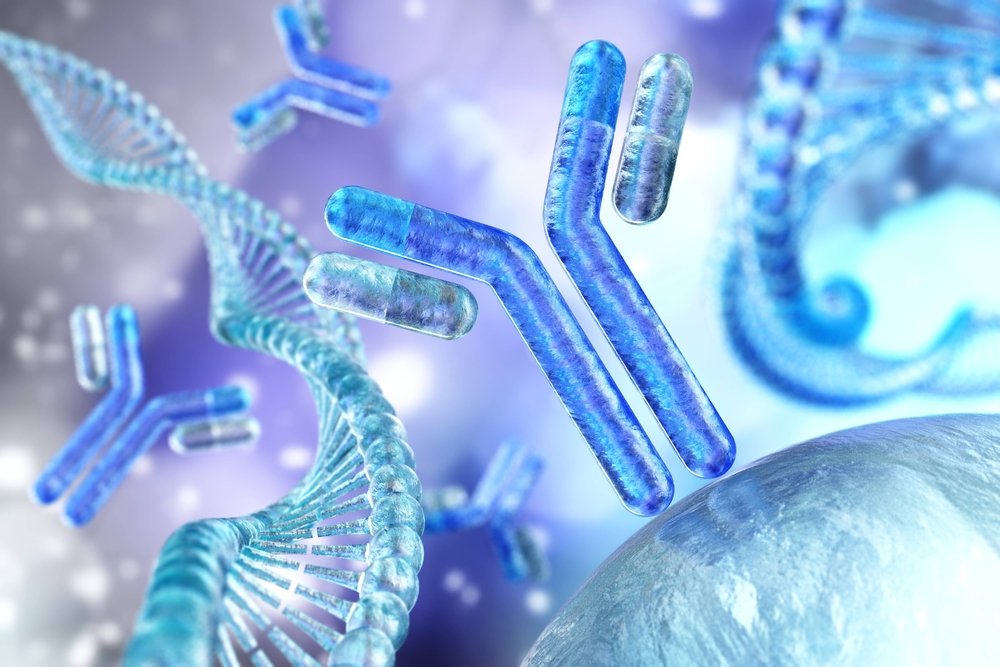
Antibodies are proteins produced by the immune system to recognize and attach to antigens. They look like a “Y” shape with two arms that grab the target. The part of the target that binds the ligand is called the binding region. This region can be fine-tuned to stick firmly to one specific target protein. Many modern drugs are antibodies because they can block harmful proteins without interfering with normal body functions.
More than one hundred therapeutic antibodies have been approved for use in humans. Some of these work by blocking signals that promote cancer-cell growth. Others mark infected cells so the immune system can destroy them. Because these drugs are specific, they often cause fewer side effects than traditional small-molecule drugs. But making new antibody drugs requires many months of lab work. Traditional methods involve immunizing animals or screening large collections of molecules to identify rare, suitable candidates. These processes are expensive and sometimes fail to find suitable matches for challenging targets.
How Computers Can Help Design Antibodies
Computational design changes this process by using large datasets and predictive models to propose antibody candidates before they are made in the lab. These tools examine protein shapes and their interactions. They can then suggest novel antibody sequences that should fold into shapes that bind strongly to a chosen target.
One significant advance came when research groups taught computers to build antibodies from scratch. At the University of Washington, scientists created complete antibodies entirely on computers. They controlled where the antibody would bind and then tested the designs in the lab. Many of these computer designs folded and bound targets as expected. The result suggests computers can help design new antibody drugs much faster than traditional methods.
In addition to full antibody design, other computational tools can optimize specific antibody regions. For example, they can predict how changes in amino acid sequence might increase binding strength or reduce unwanted interactions. The combination of prediction and testing accelerates the full path from idea to experimental candidate.
Examples of Progress in Therapeutic Antibody Design
A recent milestone in this field is Imneskibart (AU-007). This is the first fully computer-designed antibody to enter clinical trials. It was created to bind a specific part of the immune system and modulate immune responses in cancer without causing the common toxic side effects seen with older therapies. The fact that this medicine has reached clinical testing is significant proof of concept for computational design methods.
Another example is in the Reuter’s report on industry partnerships between a U.S. biotech company and a global pharmaceutical firm. They expanded their research collaboration to focus on protein and antibody design using advanced computational platforms. These platforms can propose designs and move them to initial laboratory testing in only a few weeks, compared to months or years with older methods.
Alongside specific antibody drugs, research groups worldwide are using technology to tackle challenging disease targets. That includes chronic infections, rapidly mutating cancer antigens, and proteins previously considered undruggable. These new tools give scientists more control over the design process and reduce reliance on random screening as shown in the Pharmaceutical Journal on the future of antibody drugs.
Benefits of Computer-Designed Antibodies
There are several essential benefits to designing antibodies with computational methods:
1. Speed: Historical discovery can take years. Computational design can quickly narrow down promising candidates and may cut months from early phases of drug discovery.
2. Precision: Computers can predict the exact spot, or epitope, on a target protein where an antibody will bind. This precision helps create drugs that block specific functions without interfering with other parts of the body.
3. Better screening: Instead of testing millions of random molecules, researchers can use computational filters to test just a few dozen promising candidates in the lab. This reduces cost and waste.
4. Hard targets: Some disease targets are very difficult to bind with traditional methods. Computational design can explore new molecular shapes that might succeed where older methods fail.
5. Reduced side effects: By designing antibodies that bind only to intended targets, there is a potential for fewer off-target interactions that cause adverse effects.
In many ways, these new computer-guided tools behave like powerful microscopes. They allow scientists to see and test possibilities that were once invisible or unreachable with older methods.
Learn more at the University of Washington’s report on computer-designed antibodies in nature.
Challenges and Limitations
Even though these new design methods are powerful, they are not yet perfect. A central challenge is validation. Computers can propose many candidate molecules, but only some of these actually fold and bind as predicted in real lab conditions. Researchers still need to test candidates experimentally before they become drug candidates.
Another challenge is that the design models depend on large datasets of known protein structures. If a target is very different from anything in the datasets, the design models may not make accurate predictions. Scientists are working to expand these training sets and improve model performance.
There are also development hurdles. Even after a good candidate is found, it must be manufactured reliably and safely. The pathway from an early design to an approved drug includes multiple steps, including tissue testing, toxicology studies, and clinical trials, which remain costly and time-consuming.
Finally, there is the question of accessibility. Currently, many of the most advanced design tools are available only to large companies or research institutions with significant computing resources. Making these tools more widely available could help smaller organizations contribute to discovery and innovation.
What This Means for Future Medicines
The rise of computer-designed antibodies may change what is possible in medicine. Because these tools speed up early discovery, they could bring new treatments to patients faster than ever before. This could be valuable for diseases that have no good treatments today.
For example, researchers are using computational design to pursue cancer targets that mutate rapidly and immune molecules with complex structures. These targets were once considered too difficult for standard methods. If computers can identify stable designs for these targets, new therapies could reach patients in need.
In addition, the improved precision may lead to safer medicines. With a better understanding of how an antibody binds its target, scientists can avoid unintended effects that cause harm. As computational tools improve and large datasets grow, the accuracy of these predictions will also increase.
Because of the faster pace of design, new antibody treatments could be developed for emerging infectious diseases. During a pandemic or outbreak, the ability to rapidly design antibodies that neutralize a threat could save many lives.
Overall, we are nearing a time when computers are normal parts of the drug discovery toolkit. They do not replace human scientists but give them powerful new tools to explore possibilities that would be very hard to test with old methods.
The growth of computer-designed antibodies shows how technology can reshape life sciences. These tools bring speed, precision, and new possibilities to therapeutic discovery. While challenges remain, the progress so far suggests a future where new treatments can be developed more rapidly and more safely. For patients with unmet medical needs, this change could be life-changing.
The promise of these methods comes from their ability to transform what used to be guesswork into guided design. As computational capabilities continue to improve and merge with experimental science, the pace of discovery will only increase. The future of therapeutics will include more medicines that were first conceived on a computer screen and then tested and refined in the lab.
As your organization adopts cutting-edge technologies like computational antibody design, Accelerate Innovation with Metis Consulting Services. Navigating the complexities of quality, regulatory strategy, and data management is more challenging than ever. We provide the expert guidance you need to transform these technological breakthroughs into safe, market-ready therapies. Contact Metis Consulting Services today to schedule a consultation and ensure your pipeline is built on a foundation of wisdom and precision. hello@metsconsultingservices