

Clinical Trial Optimization
Clinical trials are the backbone of drug development. They provide the evidence needed to show that a product is safe and effective. They also represent one of the largest investments a pharmaceutical company will make

This week in the Guardrail, we dig deeper into clinical trial optimization. This article breaks down the essential strategies—from patient-centric design to proactive compliance—required to navigate the high-stakes journey from protocol to regulatory approval.
By Michael Bronfman for Metis Consulting Services
February 9, 2026
Clinical trials are the backbone of drug development. They provide the evidence needed to show that a product is safe and effective. They also represent one of the largest investments a pharmaceutical company will make. As development costs rise and competition intensifies, optimizing clinical trials is no longer just a nice-to-have or a good idea; it is essential.
Clinical trial optimization means designing and running studies in a way that protects patients, meets regulatory criteria, controls cost, and delivers clear answers. It is about working smarter, not cutting corners.
Why Optimization Matters More Than Ever
Clinical trials take time. Phase 2 and 3 trials may last several years from the first patient enrolled to the final data analysis. Delays are common and expensive. Missed enrollment targets, protocol amendments, and site performance issues can add months or even years to a program.
Each delay raises cost and reduces the effective patent life of a product. In competitive markets, delays can also mean losing the first-mover advantage. Optimization helps reduce these threats by improving planning, execution, and oversight.
Regulators expect sponsors to design trials that are scientifically sound and ethical. Poorly designed trials waste time and expose patients to unnecessary risk. Optimized trials support both business targets and regulatory compliance.
Strong Protocol Design Is the Foundation
Every optimized trial begins with a strong protocol. The protocol defines the study objectives, endpoints, population, and procedures. Weak protocols are one of the most common causes of trial failure.
Common protocol issues include excessively complex procedures, unclear endpoints, and overly restrictive eligibility criteria. These problems slow enrollment and increase protocol deviations.
Sponsors who involve cross-functional teams early have a higher success rate. Ideally, clinical, pharmacovigilance, regulatory, biostatistics, operations, and quality would all review protocol drafts. Early feedback identifies risks before the trial begins.
The FDA provides guidance on clinical trial design and conduct.
Patient Centric Design Improves Performance
Patients are at the center of clinical research, yet many trials are designed with little consideration for patient burden. Long visit schedules, frequent procedures, and complex instructions can discourage participation.
Optimized trials consider the patient experience. Simplifying visit schedules, decreasing unnecessary procedures, and using explicit communication improve enrollment and retention.
Patient-focused drug development initiatives encourage sponsors to incorporate patient perspectives.
FDA resources on this topic are available here
When patients stay engaged, data quality improves, and timelines are more predictable.
Site Selection and Support Are Critical
Clinical sites play a major role in trial success. Selecting sites based only on past performance or relationships may lead to poor results. Sponsors who use objective criteria such as patient population, access, staffing levels, and infrastructure are more likely to succeed.
Once sites are selected, how is ongoing support managed? Clear training, attentive communication, and realistic expectations help sites perform well.
High-performing sites reduce protocol deviations and data queries. This lowers the monitoring burden and improves inspection readiness.
Enrollment Planning Requires Realism
Enrollment challenges are one of the leading causes of trial delays. Overly optimistic enrollment projections often fail to account for competing trials, complex eligibility criteria, and patient availability.
Optimized enrollment planning uses real-world data where possible. This includes understanding disease prevalence, standard of care, and referral patterns.
Sponsors should also plan for contingencies. Backup sites, flexible enrollment strategies, and regular performance reviews help keep trials on track.
Data Quality Must Not Be an Afterthought
High-quality data is necessary for regulatory approval. Data errors, missing data, and inconsistencies can delay submissions and trigger regulatory questions.
Optimization includes building data quality into trial processes. Clear case report forms, standardized procedures, and timely data review help prevent issues.
Risk-based monitoring approaches focus attention on the most critical data and processes. The FDA provides guidance on monitoring clinical investigations.
These approaches support efficiency while continuing compliance.
Compliance Coordination From the Start
Optimized trials are designed with regulatory expectations in mind. This includes alignment on endpoints, comparators, and statistical analysis plans.
Early interaction with regulators can help clarify expectations and reduce surprises later. Meetings such as pre-IND and end-of-Phase 2 discussions grant valuable feedback.
FDA meeting guidance is also available.
Coordination with European regulators is also important for global programs. EMA guidance on clinical trials is found here.
Designing trials that meet multiple agency expectations lowers the need for additional studies.
Managing Protocol Amendments
Protocol amendments are common but costly. Each amendment adds time, cost, and operational complexity. Frequent amendments may also raise questions during inspections.
Optimized programs focus on reducing avoidable amendments. This starts with a thorough protocol review and feasibility assessment before trial launch.
When amendments are necessary, clear documentation and training are critical. Regulators expect sponsors to understand why changes were made and how they were implemented.
Vendor Supervision and Responsibility
Most clinical trials rely on vendors such as contract research organizations, laboratories, and data management providers.
While vendors perform key tasks, sponsors remain accountable.
Optimization includes strong vendor selection and oversight.
Clear contracts, defined roles, and success indicators help manage expectations.
FDA gives guidance on sponsor responsibilities. Regular oversight meetings and issue tracking help resolve problems early. Inspectors often review vendor oversight during inspections, making this a vital area of focus.
Inspection Readiness Starts During the Trial
Clinical trial optimization supports inspection readiness. Regulators may inspect sites, sponsors, or vendors during or after a trial.
Optimized trials maintain complete and accurate documentation. Training records, monitoring reports, and issue resolution logs should be readily available.
A culture of quality helps teams respond confidently to inspections. Waiting until a submission is filed to prepare for inspection is too late.
Using Lessons Learned Across Programs
Each trial generates valuable lessons. Optimized organizations capture and apply these understandings across programs.
Post-trial reviews can identify what worked and what did not; these insights may advance future protocol design, site selection, and operational planning.
Continuous improvement helps organizations remain competitive in a challenging environment.
Gazing Forward
Clinical trial optimization is an ongoing effort. As expectations evolve and pressures increase, sponsors must persist in refining their plans.
Well-optimized trials protect patients, support regulatory success, and control cost. They also help organizations deliver therapies to patients faster and with greater confidence.
In a market where delays are costly and scrutiny is high, optimization is far more than a best practice. It is a necessity.
Don’t let trial complexities stall your breakthrough. In an industry where every day counts, Metis Consulting Services can help you get to a streamlined, successful clinical program. Contact Metis Consulting Services today to optimize your path to approval and bring life-changing therapies to market faster.
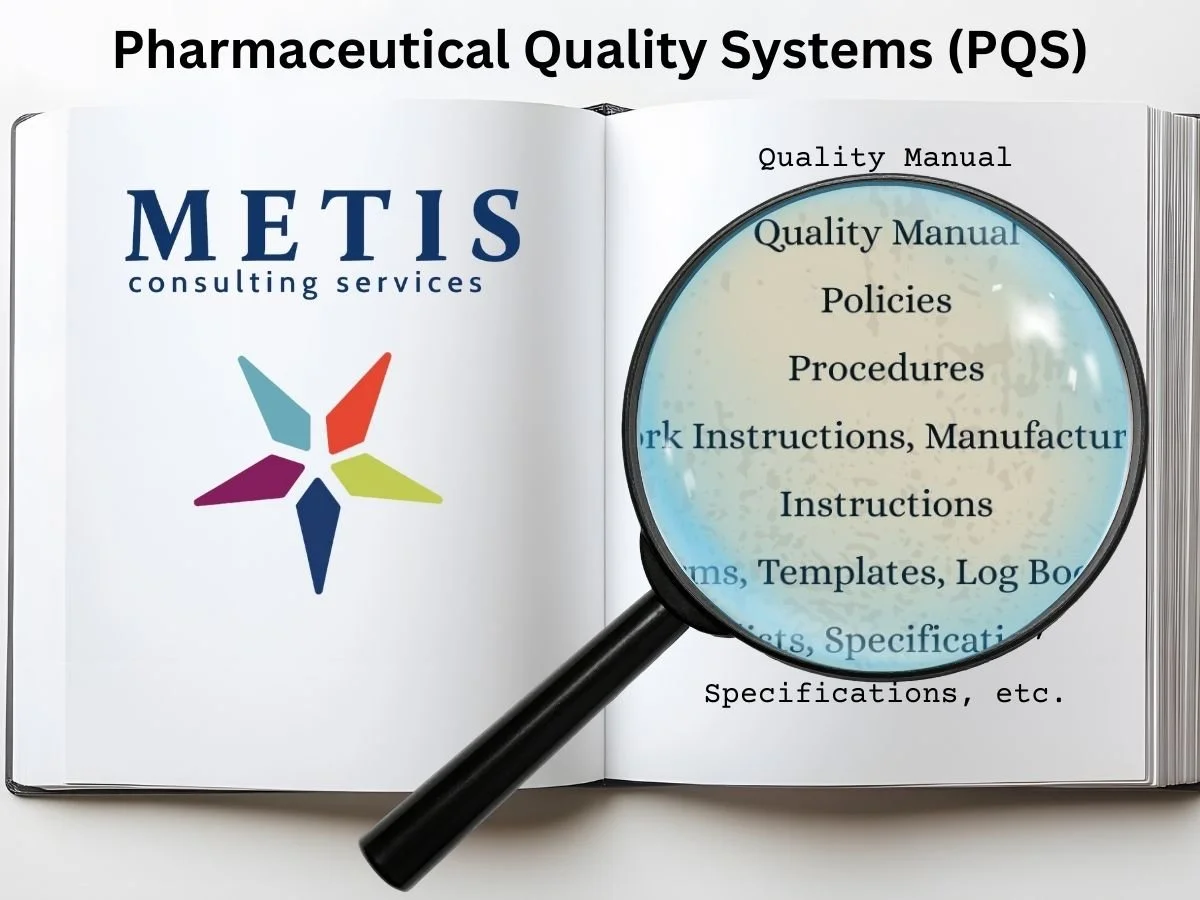
Are Your Quality Systems Inspection Ready?
An excellent and sustainable quality management system is the heartbeat of pharmaceutical safety and long-term compliance. This week in the Guardrail, we examine the shift from reactive audit preparation to a proactive culture of regulatory excellence.
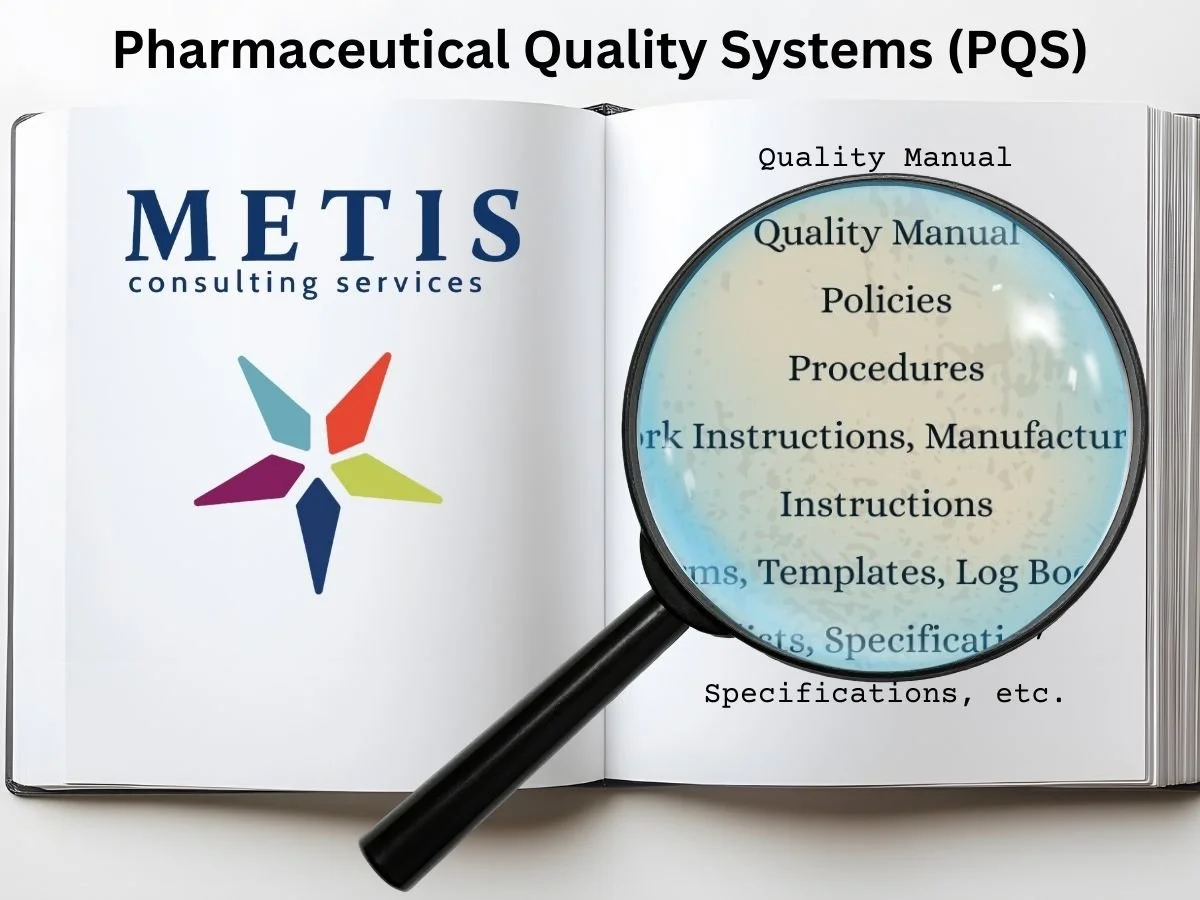
An excellent and sustainable quality management system is the heartbeat of pharmaceutical safety and long-term compliance. This week in the Guardrail, we examine the shift from reactive audit preparation to a proactive culture of regulatory excellence.
By Michael Bronfman, for Metis Consulting Services
January 26, 2026
Quality systems are essential for every pharmaceutical company. Quality Assurance and Quality Control ensure that drugs are developed, manufactured, and distributed safely and in compliance with regulations. Inspection readiness means more than just passing an FDA or EMA inspection; it involves building a culture of quality that supports compliance, efficiency, and public trust.
Regulators expect companies to have strong quality systems, and inspections test how well these systems work in practice. Companies that start preparing only after receiving an inspection notice run into problems that could have been avoided with earlier preparation.
Understanding Quality Systems
A quality system is a group of policies, procedures, and practices that help products consistently meet requirements. It includes document control, change management, handling deviations, corrective and preventive actions, audits, and training.
The FDA provides guidance on quality systems through regulations such as 21 CFR Parts 210 and 211 for pharmaceuticals and Part 820 for medical devices.
Information is available at https://www.fda.gov/industry.
The EMA also guides good manufacturing practice and quality system expectations at Good Manufacturing Practice | European Medicines Agency (EMA)
Understanding the regulatory framework is the first step toward being ready for inspections.
Inspection Readiness Is Continuous
Inspection readiness is not a one-time task; it is part of everyday work. Internal and external (consultants, contractors, and vendors) staff need training on procedures and are expected to understand how their work supports overall quality.
Key components of inspection readiness include:
Up-to-date documentation: Standard operating procedures, batch records, validation protocols, and training records should always be current and complete.
Traceability: Actions and decisions need documentation so any process can be followed from start to finish.
Accountability: Roles and responsibilities should be clear, and staff should be able to show they understand their tasks.
Continuous monitoring: Metrics and trends are expected to be reviewed regularly to identify potential issues before they worsen.
Conducting Self Assessments
Self-assessments, or internal audits, are one way to prepare for inspections. They help to identify gaps, verify compliance, and offer staff a chance to practice answering regulator questions.
To make self-assessments and process reviews effective, review each quality system process to ensure it complies with procedures and regulations. Audits of records include randomly selected records to check for accuracy, completeness, and timeliness, mock inspections, where a regulatory inspection is simulated, help train staff, and identify weak areas. Any issues identified during self-assessments are to be remedied through corrective and preventive actions. Taking this proactive approach reduces risk during an actual inspection.
Document Control and Data Integrity
Document control is central to every quality system. SOPs, training records, batch records, validation documents, and audit reports are always to be current, well-organized, and easy to access.
Data integrity is crucial. Regulators expect records to be accurate, complete, and protected from unauthorized changes.
FDA guidance on data integrity and compliance is available at https://www.fda.gov/inspections-compliance-enforcement-and-criminal-investigations
Maintaining strong document control and data integrity builds trust in the quality system and helps with inspection readiness.
Training and Competency
Staff training goes beyond completing courses. Employees should understand their roles, know the procedures, and demonstrate competency.
Training programs should include:
Initial onboarding on quality system expectations
Role-specific technical training
Refresher training for updates to procedures or regulations
Records demonstrating completion and comprehension
Skilled and confident staff play a significant role in successful inspections.
Corrective and Preventive Actions
No system is perfect, so deviations and nonconformities will happen. How a company responds shows the strength of its quality system. Active CAPA programs include:
Root cause analysis: Find the real reason for the issue, not just the symptom. Effective action: Address the specific issue promptly and completely
Preventive action: Make changes to stop the problem from happening again. Confirm that the CAPA has resolved the issue and improved the process.
Inspectors look closely at CAPA records. Well-documented CAPAs demonstrate that the company is proactive and compliant with regulations.
Audit Programs
Internal and external audits are essential for ongoing improvement. Regular internal audits help find gaps and improve processes. Vendor audits ensure suppliers meet quality standards and regulatory requirements.
Audits should include documented findings, follow-up actions, and checks to confirm that changes were effective. A robust audit program shows regulators that quality is actively managed.
Managing Regulatory Inspections
When an FDA or EMA inspection takes place, being prepared makes a big difference. Key steps include:
Leadership involvement: Make sure managers are visible and know what is going on.
Document accessibility: Keep records organized so they can be found quickly.
Staff readiness: Train staff to answer questions with facts and confidence.
Issue resolution: Set up a process to document follow-up and respond to any observations. Inspectors look at both compliance and the company’s culture of quality and ongoing improvement.
Leveraging Technology
Quality Systems are encouraged to use technology to work more efficiently and track progress. Electronic quality management systems (eQMS) help with document control, CAPA tracking, training management, and audit programs. Using technology properly improves traceability, reduces errors, and makes inspection preparation easier. It also helps monitor trends and risks.
Continuous Improvement
A quality system that is always ready for inspection is continuously evolving and improving. Continuous improvement helps processes develop, closes gaps, and uses lessons from audits, assessments, and daily work.
Reviewing metrics and trends, and comparing them to industry standards, helps maintain high performance. Companies that focus on continuous improvement are better prepared for inspections and achieve better quality results.
Looking Ahead
Inspection readiness is not just a checklist. It is an ongoing commitment to quality, compliance, and patient safety. Integrating training, documentation, monitoring, and continuous improvement into daily work, companies can reduce risk and demonstrate regulatory excellence, transparency, and accountability.
Organizations that embrace these expectations and maintain strong quality systems will be able to respond confidently to inspections, protect patients, and sustain long-term success.
Ready to transform your compliance strategy? Contact Metis Consulting Servicestoday to schedule a consultation with our team of experts.