
The Way We Fight the Flu is Changing: New Developments in Flu Vaccines
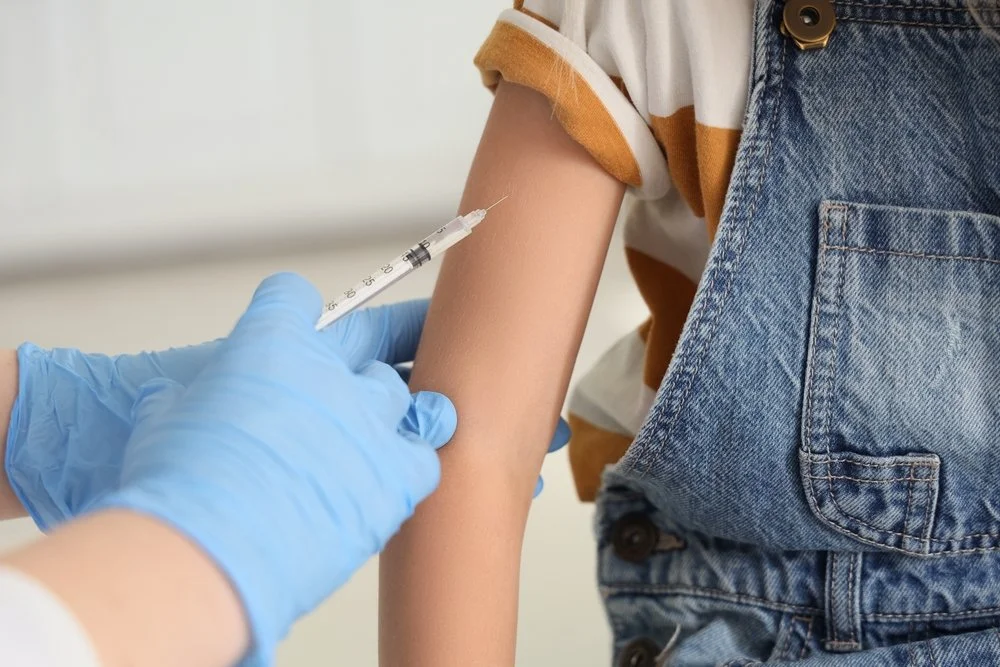
This week in the Guardrail: How the 2025–2026 flu season is being defined by a transition to a trivalent flu vaccine. Read about the high-stakes logistics of the medical cold chain. From the rise of self-administered nasal sprays to the shift toward mRNA technology, the landscape of preventative healthcare is evolving to meet the challenges of a more mobile and diverse population
By Michael Bronfman for Metis Consulting Services
March 23, 2026
The way we fight the flu is changing. For a long time, the process was the same every year: scientists would guess which flu strains would be popular, factories would make millions of shots using chicken eggs, and people would head to the doctor in October to get their jab. But in 2026, the story of the flu vaccine is about more than just a shot in the arm. It is about a massive, invisible network called the supply chain and a new push to make sure everyone, no matter where they live, can get the protection they need.
The Invisible Journey of a Flu Shot Vaccine
Most of us only think about the flu vaccine when we see the "Get Your Flu Shot Here" signs at the pharmacy. We do not often see the incredible journey that little glass vial took to get there. This journey is what experts call the supply chain.
For the 2025–2026 season, companies are supplying about 154 million doses for the United States alone. That is a lot of medicine to move, and it has to stay cold the entire time. If a flu shot gets too warm or even accidentally freezes, it can lose its power to protect you. This is why the "cold chain" is so important. Special trucks with built-in refrigerators carry the vaccines from the factory to big warehouses, then to local hospitals and drugstores.
One big change this year is that all flu vaccines in the U.S. are now trivalent. This means they protect against three different types of flu. In the past, they protected against four, but scientists realized one of those flu types had actually disappeared from the world. By focusing on three, they can make the vaccines more efficiently.1,2
The Rural Gap: Why Location Matters
Even though there are millions of doses available, not everyone finds it easy to get one. If you live in a big city, there is a pharmacy on almost every corner. But if you live in a rural area, the nearest clinic might be a thirty-minute drive away.
For many families in small towns, "Supply Chain" issues are not about trucks on the highway; they are about access. Recent studies show that people in rural areas are much less likely to get vaccinated than people in cities. There are a few reasons for this:
Distance: When the doctor is far away, it is hard to find time to go, especially for people who work long hours.
Storage: Small country clinics sometimes struggle to keep expensive medical fridges running or do not have enough space to store a large supply of shots.
Trust: In many small communities, people prefer to get health advice from someone they know personally. If the local pharmacy closes down, that trusted connection is lost.
To fix this, some groups are using mobile units. These are basically doctors' offices on wheels that drive directly to farms, schools, and community centers. It brings the supply chain right to the person's front door. 3
Expanding the Study: Inclusion in Research
Another way we are improving the flu vaccine is by changing how we study it. Before a vaccine is allowed to be sold, it goes through "clinical trials" to make sure it is safe and works well. In the past, these studies often happened in big university hospitals. This meant most of the people in the studies were from the same types of backgrounds.
But the flu affects everyone differently. A 70-year-old person’s body reacts to the flu differently than a 10-year-old’s. Someone living in a crowded city might have different risks than someone on a quiet ranch.
In 2026, researchers are working harder to include underrepresented groups in their studies. This includes people of different races, ages, and health backgrounds. By expanding who gets to be in the study, scientists can make sure the vaccine works for everybody.
Did You Know?
Some new studies are testing "self-administered" vaccines. For the 2025–2026 season, the FDA has approved the first nasal spray flu vaccine that can be given by a person at home or by a caregiver! 4
Challenges on the Horizon
Even with all this progress, the 2025–2026 season has some hurdles. A new version of the flu, called "Subclade K," started showing up recently. Because vaccines take months to make, they were already finished before this new version became common. This is a classic supply chain problem: the "product" (the vaccine) has to be designed so far in advance that the "market" (the flu virus) has time to change.
To solve this, scientists are looking into mRNA technology. You might remember this from the COVID-19 vaccines. mRNA vaccines can be made much faster than the old egg-based ones. If a new flu strain pops up, factories could potentially pivot and make a new batch in weeks instead of months.5
What Can You Do?
The supply chain and the scientific studies are huge projects, but the final step is up to the individual. Whether it is through a mobile clinic in a rural town or a quick trip to a local pharmacy, getting vaccinated is the best way to keep the community safe.
When more people get vaccinated, the virus has fewer places to go. This "community immunity" protects the people who are too young or too sick to get a shot themselves.
A list of the specific flu strains included in this year's trivalent vaccine
For the 2025–2026 season, all flu vaccines in the United States are trivalent. This means they protect against three specific strains of the virus. Scientists chose these three because they are the most likely to spread based on global health data.
Because there are two different ways to make vaccines, the specific "look-alike" virus used in your shot might vary slightly depending on whether it was made using eggs or through a cell-based process.
Strains for Egg-Based Vaccines
These are the traditional shots most people receive.
A/Victoria/4897/2022 (H1N1)pdm09-like virus
A/Croatia/10136RV/2023 (H3N2)-like virus
B/Austria/1359417/2021 (B/Victoria lineage)-like virus
Strains for Cell or Recombinant Vaccines
These are often used for people with egg allergies or in newer production facilities.
A/Wisconsin/67/2022 (H1N1)pdm09-like virus
A/District of Columbia/27/2023 (H3N2)-like virus
B/Austria/1359417/2021 (B/Victoria lineage)-like virus
Why the Change?
You might notice that the B/Yamagata strain is missing. This strain has not been seen in the world since March 2020. Because it seems to have disappeared, health experts at the FDA and WHO decided to remove it to make the vaccine more efficient. This allows manufacturers to focus all their resources on the three strains that are actually still a threat.6,7
A Note on Subclade K
While these three strains were chosen carefully, nature always moves fast. A new version of the H3N2 virus called Subclade K started spreading after these vaccines were already being manufactured.
Even though it is not a perfect match, doctors still recommend the current vaccine. Early data from the 2025–2026 season suggests that the vaccine still provides a "cross-protection" effect, which can keep you out of the hospital even if you do catch the new variant.
1. CDC: Seasonal Influenza Vaccine Supply FAQ
2. FDA: 2025–2026 Influenza Vaccine Composition
3. Study: Determinants of Influenza Vaccine Uptake Among Rural Populations
4. NIH: Universal Influenza Vaccine Research
5. CDC: FluMist for Self or Caregiver Administration
6. FDA: Influenza Vaccine Composition 2025–2026
7. Trivalent Influenza Vaccines | Influenza (Flu) | CDC
Optimize Your Impact with Metis
The complexities of the 2026 flu season prove that a robust supply chain and inclusive outreach are not just logistics—they are lifelines. Your organization needs someone who understands the intersection of data and human health. Contact Metis Consulting Services today
