
The Green Tea Matrix: Evaluating Caffeine Concentration and Its Interactions
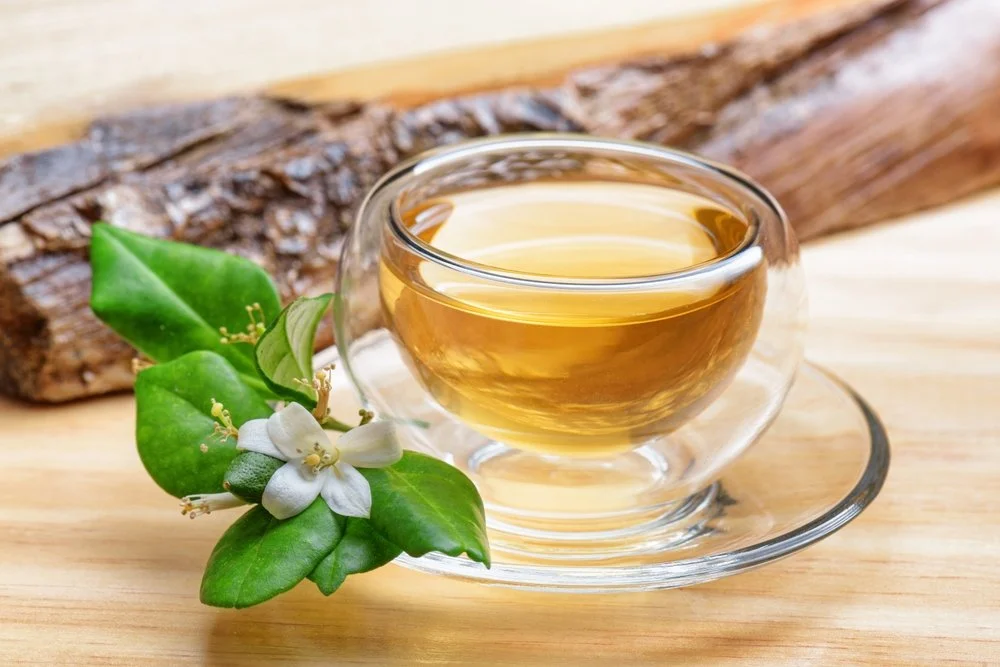
This week in the Guardrail, we explore the pharmacological profile of green tea, specifically examining how its modest caffeine content interacts with unique compounds like L-theanine. Read more for essential insights into the drink's distinctive stimulant effects and metabolic influence.
By Michael Bronfman, for Metis Consulting Services
March 16, 2026
Caffeine Content, Pharmacology, and Clinical Relevance
Green tea is one of the most widely consumed beverages in the world. It is often associated with cardiovascular health, metabolic support, and cognitive function. In pharmaceutical and nutritional research, green tea has also attracted attention because of its caffeine content and how caffeine interacts with other compounds found in tea leaves.
Understanding how much caffeine is present in green tea matters for clinicians, researchers, and consumers. Caffeine affects the central nervous system and can influence alertness, sleep, cardiovascular function, and drug metabolism. This article reviews how much caffeine is found in green tea, how it compares with other beverages, and why the pharmacological profile of green tea differs from other caffeine sources.
What Is Caffeine and How Does It Work
Caffeine is a naturally occurring chemical compound found in more than sixty plant species, including coffee beans, cacao, and tea leaves. It acts primarily as a central nervous system stimulant. After consumption, caffeine is rapidly absorbed through the gastrointestinal tract and reaches peak blood levels within about 30 to 60 minutes.
Caffeine works mainly by blocking adenosine receptors in the brain. Adenosine is a neurotransmitter that promotes sleep and relaxation as it builds up during waking hours. When caffeine blocks these receptors, the feeling of tiredness is reduced and alertness increases.
Caffeine has also been shown to increase dopamine signaling, which contributes to improved mood and attention. In addition, it can increase metabolic rate and enhance physical performance in some individuals.1
While caffeine is widely consumed and generally safe in moderate amounts, sensitivity varies between individuals. Body weight and other factors, including genetics, can influence how caffeine affects the body.
Average Caffeine Content in Green Tea
An eight-ounce cup of green tea typically contains between thirty and fifty milligrams of caffeine. This amount is considerably lower than the caffeine content of most coffee preparations but higher than that of many non-caffeinated beverages.
The caffeine content of green tea is not fixed. Several factors influence the final amount present in a cup. These include the variety of tea plant growing conditions, processing methods, and brewing techniques.
Tea made from younger leaves often contains more caffeine than tea made from older leaves. Processing methods also play a role because mechanical crushing of leaves increases caffeine extraction during brewing.
Bagged teas often contain smaller broken leaves, which can release caffeine more efficiently into hot water. Loose-leaf tea may contain slightly less caffeine depending on leaf size and brewing time. 2,3
Influence of Brewing Method and Preparation
Preparation methods significantly affect caffeine concentration in green tea. Water temperature, brewing time, and tea quantity all influence extraction.
Longer brewing times allow more caffeine to dissolve into the beverage. Higher water temperatures also increase extraction efficiency. For example, tea brewed for three to five minutes generally contains more caffeine than tea brewed briefly.
Powdered green tea preparations such as matcha contain higher levels of caffeine because the entire leaf is consumed rather than infused and discarded. Even though serving sizes are smaller, caffeine intake can approach levels comparable to those of strong brewed tea.
These variables explain why caffeine estimates are typically presented as ranges rather than exact values.
Comparison With Other Caffeinated Beverages
Green tea contains less caffeine than most commonly consumed caffeinated drinks. This difference is important when evaluating stimulant exposure in both clinical and lifestyle settings.
An eight-ounce serving of brewed coffee typically contains around one hundred milligrams of caffeine or more, depending on preparation. Espresso preparations may contain substantially higher concentrations in smaller volumes. Black tea generally contains more caffeine than green tea, while soft drinks and energy drinks vary widely based on formulation.
Because green tea delivers lower caffeine per serving, it is often recommended for individuals seeking mild stimulation without the stronger physiological effects associated with coffee.4
L-Theanine and the Unique Profile of Green Tea
One feature that distinguishes green tea from other caffeine sources is the presence of L-theanine. This amino acid occurs naturally in tea leaves and has been studied for its effects on relaxation and cognitive function.
L-theanine appears to promote alpha brain wave activity, which is associated with a calm but alert mental state. When combined with caffeine, it may reduce feelings of jitteriness that some individuals experience after consuming coffee.
Research suggests that the combination of caffeine and L theanine may improve attention switching accuracy and sustained focus. This interaction has attracted interest within cognitive and pharmaceutical research because it represents a naturally occurring example of synergistic activity between compounds.5
Pharmacokinetics and Individual Response
After ingestion, caffeine is metabolized primarily in the liver by the enzyme CYP1A2. The rate of metabolism varies significantly between individuals. Some people metabolize caffeine quickly, while others experience prolonged effects.
This variability has clinical relevance. Slow metabolizers may experience sleep disruption, anxiety or elevated heart rate at lower doses. Certain medications, including some antidepressants and antibiotics, can also affect caffeine metabolism.
Green tea’s lower caffeine content may reduce the likelihood of adverse effects compared with higher caffeine beverages. However, cumulative intake across multiple servings should still be considered.
Safety and Recommended Intake Levels
Regulatory and health authorities generally consider caffeine safe when consumed within recommended limits. For healthy adults, a total daily intake of up to 400 milligrams is commonly cited as a safe upper limit.
An eight-ounce serving of green tea containing 30 to 50 milligrams of caffeine represents a relatively small contribution to this total. Even several servings per day typically remain within recommended limits for most adults.
However, individuals who are pregnant, sensitive to stimulants, or managing cardiovascular conditions are often advised to monitor total caffeine intake more closely.6
Clinical and Research Implications
From a pharmaceutical perspective, green tea represents an interesting delivery system for low-dose caffeine combined with biologically active compounds. Unlike isolated caffeine products, green tea contains polyphenols, catechins, and amino acids that may modify physiological responses.
This complexity makes green tea relevant in studies examining mild cognitive enhancement, metabolic regulation, and cardiovascular outcomes. The lower caffeine exposure may also make green tea suitable for populations that cannot tolerate higher doses of stimulants.
Researchers continue to study whether long-term consumption influences neurodegenerative risk, metabolic disease, or cardiovascular health. While caffeine contributes to some observed effects, other components of green tea likely play important roles.
Is Caffeine in Green Tea a Concern
For most healthy adults, caffeine in green tea is not a major concern when consumed in moderation. The relatively low caffeine concentration reduces the risk of overstimulation compared with coffee or energy drinks.
Nevertheless, individual tolerance varies. Symptoms such as restlessness, insomnia or palpitations may occur in sensitive individuals or when caffeine intake accumulates from multiple sources throughout the day.
Spacing caffeine consumption and avoiding late-evening intake can help minimize sleep disruption.
Green tea contains a moderate amount of caffeine, typically ranging from 30 to 50 milligrams per 8-ounce serving. This level is lower than that of coffee and many other caffeinated beverages, while still providing measurable stimulant effects.
Caffeine in green tea acts through the same biological mechanisms as caffeine from other sources, but its effects may be moderated by compounds such as L-theanine. This results in a milder stimulation profile that has drawn interest in both nutrition and pharmaceutical research.
When consumed within recommended limits, green tea represents a low-risk source of caffeine for most adults. Its combination of modest caffeine exposure and additional bioactive compounds continues to make it a subject of ongoing clinical investigation.7
Sources:
Is Loose Tea Better Than Bagged?, Althea Chang-Cook, Consumer Reports 90, October 25, 2024
Dietary Supplement Fact Sheets, National Institutes of Health
Caffeine: How much is too much?, Mayo Clinic Staff, Mayo Clinic, February 21, 2025
The combined effects of L-theanine and caffeine on cognitive performance and mood, Nutr Neurosci, 2008 Aug., Randomized Controlled Trial
The Safety of Ingested Caffeine: A Comprehensive Review, Front Psychiatry, National Library of Medicine, May 2027
The safety of green tea and green tea extract consumption in adults - Results of a systematic review, Regulatory Toxicology and Pharmacology, Science Direct, June 2018
Is your organization navigating the complex intersection of botanical ingredients and shifting health regulations? Ensure your products meet the highest standards of safety and efficacy by partnering with the experts. Contact Metis Consulting Services today for Strategic Regulatory, Compliance, and Risk Mitigation Services to safeguard your brand and lead the market with confidence.
