
The Real Stakes of Phase 2: You Cannot Afford to Wait
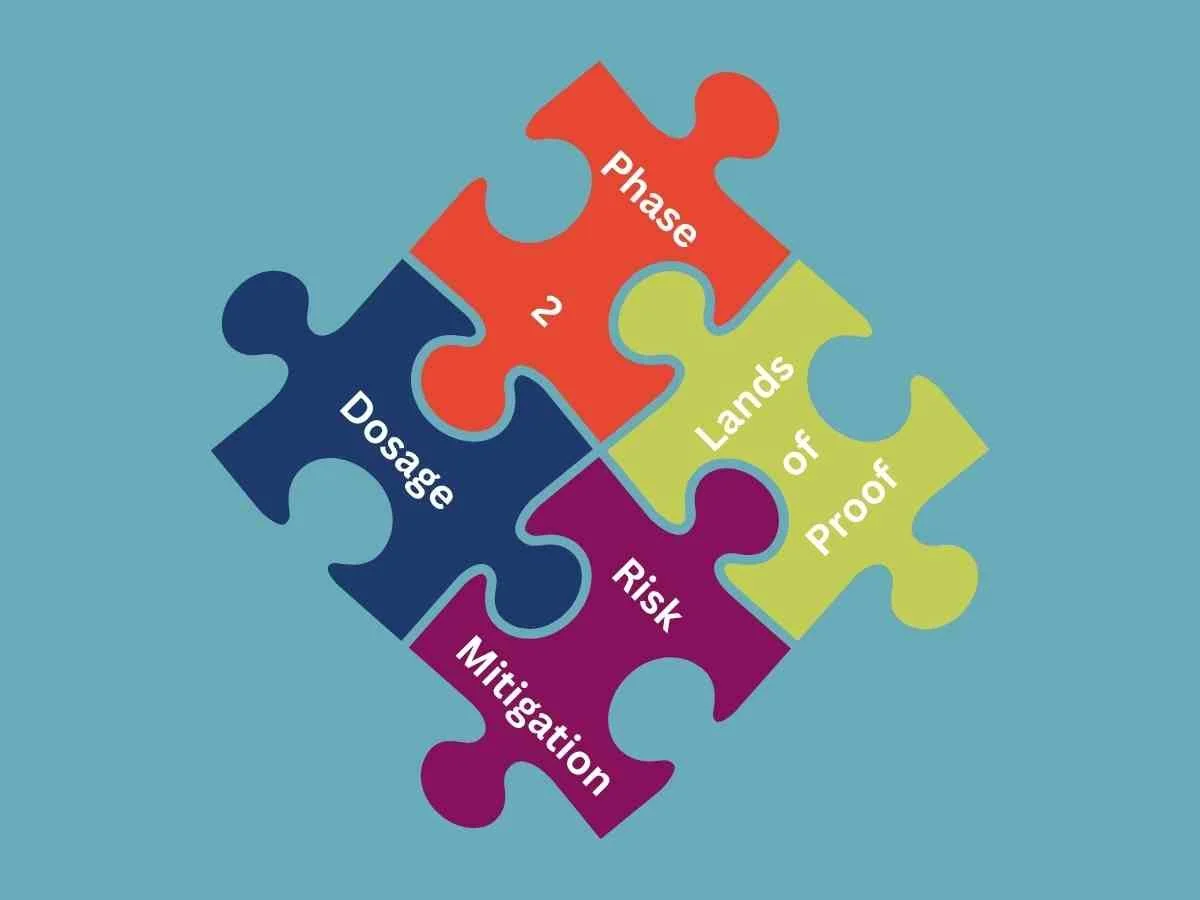
Phase 2 is the ultimate "make or break" moment for drug development and why cutting corners now leads to catastrophic failure later. This Guard Rail blog breaks down the essential risk-mitigation strategies needed to bridge the treacherous gap between initial proof of concept and a successful Phase 3 trial.
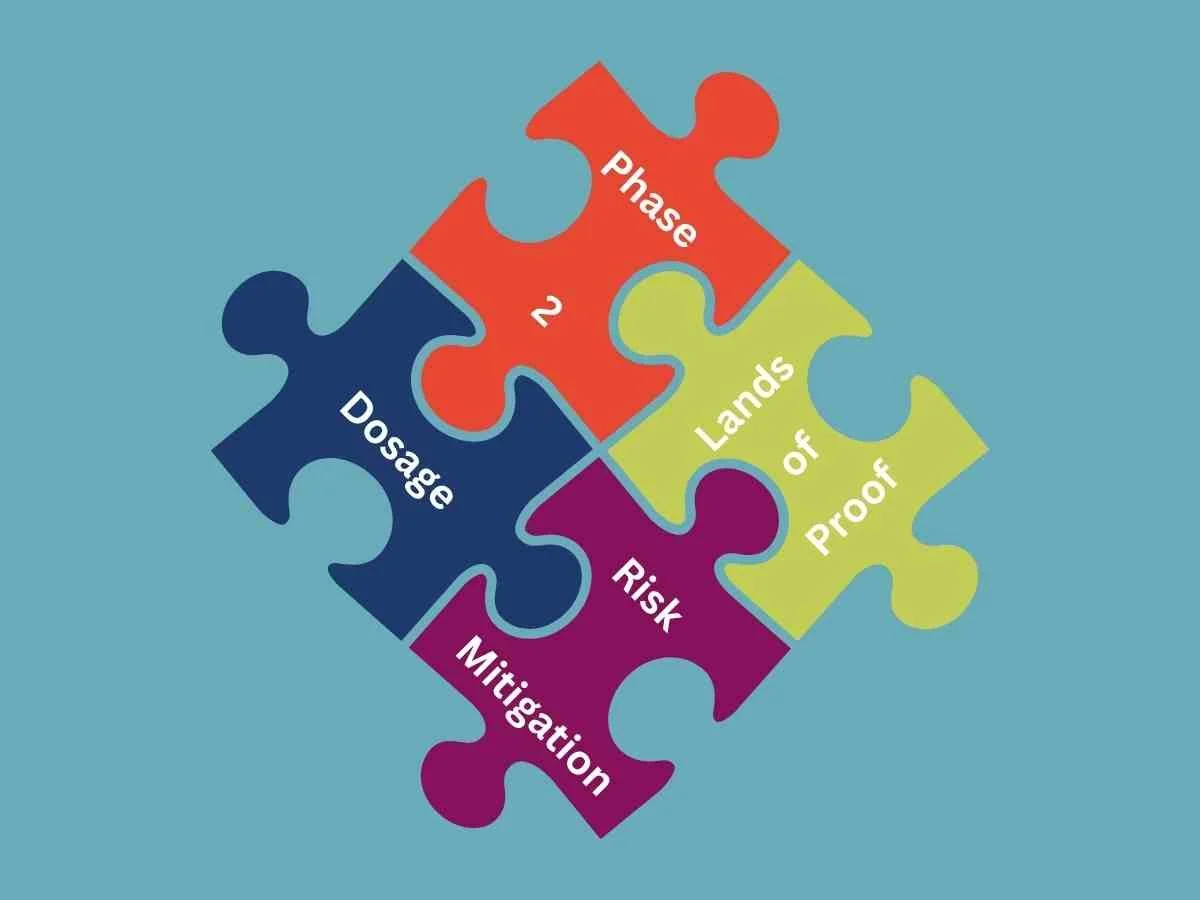
This week, we explore why Phase 2 is the ultimate "make or break" moment for drug development and why cutting corners now leads to catastrophic failure later. This Guard Rail blog breaks down the essential risk-mitigation strategies needed to bridge the treacherous gap between initial proof-of-concept and a successful Phase 3 trial.
By Michael Bronfman
In the world of drug development, Phase 2 is often called the "Lands of Proof." This is the moment when a company moves from testing safety in a few healthy people to seeing whether the drug actually works in patients with the disease. It is an exciting time, but it is also the most dangerous part of the journey.
Many teams make the mistake of thinking they can fix small problems later in Phase 3. They might say, "We will figure out the final dose later," or "We will refine the manufacturing process once we have more data." In the pharmaceutical industry, this "wait and see" approach is a recipe for disaster.
Risk mitigation must happen right now. If you do not resolve your biggest uncertainties during Phase 2, you are not just delaying a problem. You are risking billions of dollars and years of hard work.
The Massive Cost of Failure in Phase 3
The jump from Phase 2 to Phase 3 is a giant leap in terms of cost and complexity. While Phase 2 might involve a few hundred patients, Phase 3 often requires thousands.
If a drug fails in Phase 3 because of a risk that could have been identified earlier, the financial hit is devastating. According to reports from Deloitte, the cost to bring a single drug to market has climbed to over two billion dollars.
Most of that money is spent during the final stage. If you enter Phase 3 with a "weak" dose or a "fuzzy" understanding of which patients benefit most, you are gambling with the future of the company. Fixing a mistake in Phase 2 costs thousands. Fixing that same mistake in Phase 3 costs millions.
Solving the Dosage Puzzle
One of the biggest risks in Phase 2 is choosing the wrong dose. This is known as "dose finding."
If the dose is too low, the drug will not show enough benefit, and the trial will fail. If the dose is too high, the side effects might be too many for the government to approve it.
Many companies rush through this. They pick a dose that looks "good enough" so they can start the big trials faster. However, the Food and Drug Administration (FDA) has become much stricter about this. They want to see that you have tested several different doses to find the "sweet spot."
By spending the extra time in Phase 2 to run a robust dose-ranging study, you build a solid foundation. You go into Phase 3 with total confidence that you are giving patients the best possible chance of success.
Identifying the Right Patient Population
Not every patient with a specific disease reacts to a drug the same way. One of the best ways to mitigate risk is to figure out exactly who your "super responders" are.
During Phase 2, researchers look for biomarkers. These are biological signs in the blood or tissue that suggest a patient will respond well to the treatment.
If you ignore these signs and try to test the drug on everyone in Phase 3, your results might get "watered down." The drug might work great for 20 percent of people but not at all for the other 80 percent. If you mix them all together, the average result might look like the drug does not work.
By using Phase 2 to narrow down the target group, you make your Phase 3 trial much smaller, faster, and more likely to succeed. You can find more information on how patient selection impacts trials HERE.
Manufacturing and Supply Chain Hurdles
It is easy to make a small amount of a drug in a lab. It is very hard to make enough for ten thousand people while keeping the quality exactly the same every single time.
A major risk that teams "kick down the road" is the manufacturing process. They use a "Version 1" process for Phase 2 and plan to switch to a "Version 2" for Phase 3.
The problem is that the FDA considers the manufacturing process to be part of the drug itself. If you change how you make the drug, you have to prove that the "new" drug is the same as the "old" drug. This can lead to massive delays or even require you to redo your studies.
Addressing manufacturing risks during Phase 2 ensures that what you test in the final stages is exactly what will be sold in pharmacies. Consistency is the key to safety and approval.
The Regulatory Conversation
You should never treat the government regulators as a surprise at the end of the race. Risk mitigation involves talking to the FDA or the European Medicines Agency early and often.
Phase 2 is the perfect time for an "End of Phase 2" meeting. This is where you present your data and plan to the regulators for the big trial. If they have concerns about your safety data or your goals, you want to know that now.
Waiting until after Phase 3 to find out the FDA does not like your study design is a nightmare scenario. Early transparency reduces the risk of rejection and builds trust with the people who hold the keys to the market.
Protecting the Patients
Beyond the money and the business goals, the most important reason to mitigate risk is the people. Every person who signs up for a clinical trial is a volunteer who wants to help find a cure.
If we move into Phase 3 with known risks that we chose not to solve, we are putting those volunteers at unnecessary risk. We owe it to the patients to be as certain as possible about the safety and the logic behind the study before we ask thousands of people to participate.
High-quality science in Phase 2 leads to safer trials. When we prioritize risk management early, we protect the integrity of the medical profession and the lives of the people we serve.
Key Actions
To ensure a successful transition out of Phase 2, teams should focus on these three pillars:
Data Certainty: Do not settle for "maybe." Use Phase 2 to get clear answers on dose and efficacy.
Process Stability: Finalize how the drug is made and how it will be delivered before the big spend.
Open Dialogue: Work with regulators to make sure the finish line is clearly defined.
The motto for Phase 2 should always be: Fail fast or fix it now. Dealing with the hard truths today is the only way to ensure a breakthrough tomorrow. Waiting to resolve these issues later is not a strategy; it is a gamble that the industry simply cannot afford.
Don’t leave your clinical legacy to chance—master the "Lands of Proof" before the stakes become insurmountable. Contact Metis Consulting Services today to fortify your strategy, optimize your data, and turn your scientific vision into a regulatory reality.

The Green Tea Matrix: Evaluating Caffeine Concentration and Its Interactions
This week in the Guardrail, we explore the pharmacological profile of green tea, specifically examining how its modest caffeine content interacts with unique compounds like L-theanine. Read more for essential insights into the drink's distinctive stimulant effects and metabolic influence.

This week in the Guardrail, we explore the pharmacological profile of green tea, specifically examining how its modest caffeine content interacts with unique compounds like L-theanine. Read more for essential insights into the drink's distinctive stimulant effects and metabolic influence.
By Michael Bronfman, for Metis Consulting Services
March 16, 2026
Caffeine Content, Pharmacology, and Clinical Relevance
Green tea is one of the most widely consumed beverages in the world. It is often associated with cardiovascular health, metabolic support, and cognitive function. In pharmaceutical and nutritional research, green tea has also attracted attention because of its caffeine content and how caffeine interacts with other compounds found in tea leaves.
Understanding how much caffeine is present in green tea matters for clinicians, researchers, and consumers. Caffeine affects the central nervous system and can influence alertness, sleep, cardiovascular function, and drug metabolism. This article reviews how much caffeine is found in green tea, how it compares with other beverages, and why the pharmacological profile of green tea differs from other caffeine sources.
What Is Caffeine and How Does It Work
Caffeine is a naturally occurring chemical compound found in more than sixty plant species, including coffee beans, cacao, and tea leaves. It acts primarily as a central nervous system stimulant. After consumption, caffeine is rapidly absorbed through the gastrointestinal tract and reaches peak blood levels within about 30 to 60 minutes.
Caffeine works mainly by blocking adenosine receptors in the brain. Adenosine is a neurotransmitter that promotes sleep and relaxation as it builds up during waking hours. When caffeine blocks these receptors, the feeling of tiredness is reduced and alertness increases.
Caffeine has also been shown to increase dopamine signaling, which contributes to improved mood and attention. In addition, it can increase metabolic rate and enhance physical performance in some individuals.1
While caffeine is widely consumed and generally safe in moderate amounts, sensitivity varies between individuals. Body weight and other factors, including genetics, can influence how caffeine affects the body.
Average Caffeine Content in Green Tea
An eight-ounce cup of green tea typically contains between thirty and fifty milligrams of caffeine. This amount is considerably lower than the caffeine content of most coffee preparations but higher than that of many non-caffeinated beverages.
The caffeine content of green tea is not fixed. Several factors influence the final amount present in a cup. These include the variety of tea plant growing conditions, processing methods, and brewing techniques.
Tea made from younger leaves often contains more caffeine than tea made from older leaves. Processing methods also play a role because mechanical crushing of leaves increases caffeine extraction during brewing.
Bagged teas often contain smaller broken leaves, which can release caffeine more efficiently into hot water. Loose-leaf tea may contain slightly less caffeine depending on leaf size and brewing time. 2,3
Influence of Brewing Method and Preparation
Preparation methods significantly affect caffeine concentration in green tea. Water temperature, brewing time, and tea quantity all influence extraction.
Longer brewing times allow more caffeine to dissolve into the beverage. Higher water temperatures also increase extraction efficiency. For example, tea brewed for three to five minutes generally contains more caffeine than tea brewed briefly.
Powdered green tea preparations such as matcha contain higher levels of caffeine because the entire leaf is consumed rather than infused and discarded. Even though serving sizes are smaller, caffeine intake can approach levels comparable to those of strong brewed tea.
These variables explain why caffeine estimates are typically presented as ranges rather than exact values.
Comparison With Other Caffeinated Beverages
Green tea contains less caffeine than most commonly consumed caffeinated drinks. This difference is important when evaluating stimulant exposure in both clinical and lifestyle settings.
An eight-ounce serving of brewed coffee typically contains around one hundred milligrams of caffeine or more, depending on preparation. Espresso preparations may contain substantially higher concentrations in smaller volumes. Black tea generally contains more caffeine than green tea, while soft drinks and energy drinks vary widely based on formulation.
Because green tea delivers lower caffeine per serving, it is often recommended for individuals seeking mild stimulation without the stronger physiological effects associated with coffee.4
L-Theanine and the Unique Profile of Green Tea
One feature that distinguishes green tea from other caffeine sources is the presence of L-theanine. This amino acid occurs naturally in tea leaves and has been studied for its effects on relaxation and cognitive function.
L-theanine appears to promote alpha brain wave activity, which is associated with a calm but alert mental state. When combined with caffeine, it may reduce feelings of jitteriness that some individuals experience after consuming coffee.
Research suggests that the combination of caffeine and L theanine may improve attention switching accuracy and sustained focus. This interaction has attracted interest within cognitive and pharmaceutical research because it represents a naturally occurring example of synergistic activity between compounds.5
Pharmacokinetics and Individual Response
After ingestion, caffeine is metabolized primarily in the liver by the enzyme CYP1A2. The rate of metabolism varies significantly between individuals. Some people metabolize caffeine quickly, while others experience prolonged effects.
This variability has clinical relevance. Slow metabolizers may experience sleep disruption, anxiety or elevated heart rate at lower doses. Certain medications, including some antidepressants and antibiotics, can also affect caffeine metabolism.
Green tea’s lower caffeine content may reduce the likelihood of adverse effects compared with higher caffeine beverages. However, cumulative intake across multiple servings should still be considered.
Safety and Recommended Intake Levels
Regulatory and health authorities generally consider caffeine safe when consumed within recommended limits. For healthy adults, a total daily intake of up to 400 milligrams is commonly cited as a safe upper limit.
An eight-ounce serving of green tea containing 30 to 50 milligrams of caffeine represents a relatively small contribution to this total. Even several servings per day typically remain within recommended limits for most adults.
However, individuals who are pregnant, sensitive to stimulants, or managing cardiovascular conditions are often advised to monitor total caffeine intake more closely.6
Clinical and Research Implications
From a pharmaceutical perspective, green tea represents an interesting delivery system for low-dose caffeine combined with biologically active compounds. Unlike isolated caffeine products, green tea contains polyphenols, catechins, and amino acids that may modify physiological responses.
This complexity makes green tea relevant in studies examining mild cognitive enhancement, metabolic regulation, and cardiovascular outcomes. The lower caffeine exposure may also make green tea suitable for populations that cannot tolerate higher doses of stimulants.
Researchers continue to study whether long-term consumption influences neurodegenerative risk, metabolic disease, or cardiovascular health. While caffeine contributes to some observed effects, other components of green tea likely play important roles.
Is Caffeine in Green Tea a Concern
For most healthy adults, caffeine in green tea is not a major concern when consumed in moderation. The relatively low caffeine concentration reduces the risk of overstimulation compared with coffee or energy drinks.
Nevertheless, individual tolerance varies. Symptoms such as restlessness, insomnia or palpitations may occur in sensitive individuals or when caffeine intake accumulates from multiple sources throughout the day.
Spacing caffeine consumption and avoiding late-evening intake can help minimize sleep disruption.
Green tea contains a moderate amount of caffeine, typically ranging from 30 to 50 milligrams per 8-ounce serving. This level is lower than that of coffee and many other caffeinated beverages, while still providing measurable stimulant effects.
Caffeine in green tea acts through the same biological mechanisms as caffeine from other sources, but its effects may be moderated by compounds such as L-theanine. This results in a milder stimulation profile that has drawn interest in both nutrition and pharmaceutical research.
When consumed within recommended limits, green tea represents a low-risk source of caffeine for most adults. Its combination of modest caffeine exposure and additional bioactive compounds continues to make it a subject of ongoing clinical investigation.7
Sources:
Is Loose Tea Better Than Bagged?, Althea Chang-Cook, Consumer Reports 90, October 25, 2024
Dietary Supplement Fact Sheets, National Institutes of Health
Caffeine: How much is too much?, Mayo Clinic Staff, Mayo Clinic, February 21, 2025
The combined effects of L-theanine and caffeine on cognitive performance and mood, Nutr Neurosci, 2008 Aug., Randomized Controlled Trial
The Safety of Ingested Caffeine: A Comprehensive Review, Front Psychiatry, National Library of Medicine, May 2027
The safety of green tea and green tea extract consumption in adults - Results of a systematic review, Regulatory Toxicology and Pharmacology, Science Direct, June 2018
Is your organization navigating the complex intersection of botanical ingredients and shifting health regulations? Ensure your products meet the highest standards of safety and efficacy by partnering with the experts. Contact Metis Consulting Services today for Strategic Regulatory, Compliance, and Risk Mitigation Services to safeguard your brand and lead the market with confidence.
Clinical Trial Optimization
Clinical trials are the backbone of drug development. They provide the evidence needed to show that a product is safe and effective. They also represent one of the largest investments a pharmaceutical company will make
This week in the Guardrail, we dig deeper into clinical trial optimization. This article breaks down the essential strategies—from patient-centric design to proactive compliance—required to navigate the high-stakes journey from protocol to regulatory approval.
By Michael Bronfman for Metis Consulting Services
February 9, 2026
Clinical trials are the backbone of drug development. They provide the evidence needed to show that a product is safe and effective. They also represent one of the largest investments a pharmaceutical company will make. As development costs rise and competition intensifies, optimizing clinical trials is no longer just a nice-to-have or a good idea; it is essential.
Clinical trial optimization means designing and running studies in a way that protects patients, meets regulatory criteria, controls cost, and delivers clear answers. It is about working smarter, not cutting corners.
Why Optimization Matters More Than Ever
Clinical trials take time. Phase 2 and 3 trials may last several years from the first patient enrolled to the final data analysis. Delays are common and expensive. Missed enrollment targets, protocol amendments, and site performance issues can add months or even years to a program.
Each delay raises cost and reduces the effective patent life of a product. In competitive markets, delays can also mean losing the first-mover advantage. Optimization helps reduce these threats by improving planning, execution, and oversight.
Regulators expect sponsors to design trials that are scientifically sound and ethical. Poorly designed trials waste time and expose patients to unnecessary risk. Optimized trials support both business targets and regulatory compliance.
Strong Protocol Design Is the Foundation
Every optimized trial begins with a strong protocol. The protocol defines the study objectives, endpoints, population, and procedures. Weak protocols are one of the most common causes of trial failure.
Common protocol issues include excessively complex procedures, unclear endpoints, and overly restrictive eligibility criteria. These problems slow enrollment and increase protocol deviations.
Sponsors who involve cross-functional teams early have a higher success rate. Ideally, clinical, pharmacovigilance, regulatory, biostatistics, operations, and quality would all review protocol drafts. Early feedback identifies risks before the trial begins.
The FDA provides guidance on clinical trial design and conduct.
Patient Centric Design Improves Performance
Patients are at the center of clinical research, yet many trials are designed with little consideration for patient burden. Long visit schedules, frequent procedures, and complex instructions can discourage participation.
Optimized trials consider the patient experience. Simplifying visit schedules, decreasing unnecessary procedures, and using explicit communication improve enrollment and retention.
Patient-focused drug development initiatives encourage sponsors to incorporate patient perspectives.
FDA resources on this topic are available here
When patients stay engaged, data quality improves, and timelines are more predictable.
Site Selection and Support Are Critical
Clinical sites play a major role in trial success. Selecting sites based only on past performance or relationships may lead to poor results. Sponsors who use objective criteria such as patient population, access, staffing levels, and infrastructure are more likely to succeed.
Once sites are selected, how is ongoing support managed? Clear training, attentive communication, and realistic expectations help sites perform well.
High-performing sites reduce protocol deviations and data queries. This lowers the monitoring burden and improves inspection readiness.
Enrollment Planning Requires Realism
Enrollment challenges are one of the leading causes of trial delays. Overly optimistic enrollment projections often fail to account for competing trials, complex eligibility criteria, and patient availability.
Optimized enrollment planning uses real-world data where possible. This includes understanding disease prevalence, standard of care, and referral patterns.
Sponsors should also plan for contingencies. Backup sites, flexible enrollment strategies, and regular performance reviews help keep trials on track.
Data Quality Must Not Be an Afterthought
High-quality data is necessary for regulatory approval. Data errors, missing data, and inconsistencies can delay submissions and trigger regulatory questions.
Optimization includes building data quality into trial processes. Clear case report forms, standardized procedures, and timely data review help prevent issues.
Risk-based monitoring approaches focus attention on the most critical data and processes. The FDA provides guidance on monitoring clinical investigations.
These approaches support efficiency while continuing compliance.
Compliance Coordination From the Start
Optimized trials are designed with regulatory expectations in mind. This includes alignment on endpoints, comparators, and statistical analysis plans.
Early interaction with regulators can help clarify expectations and reduce surprises later. Meetings such as pre-IND and end-of-Phase 2 discussions grant valuable feedback.
FDA meeting guidance is also available.
Coordination with European regulators is also important for global programs. EMA guidance on clinical trials is found here.
Designing trials that meet multiple agency expectations lowers the need for additional studies.
Managing Protocol Amendments
Protocol amendments are common but costly. Each amendment adds time, cost, and operational complexity. Frequent amendments may also raise questions during inspections.
Optimized programs focus on reducing avoidable amendments. This starts with a thorough protocol review and feasibility assessment before trial launch.
When amendments are necessary, clear documentation and training are critical. Regulators expect sponsors to understand why changes were made and how they were implemented.
Vendor Supervision and Responsibility
Most clinical trials rely on vendors such as contract research organizations, laboratories, and data management providers.
While vendors perform key tasks, sponsors remain accountable.
Optimization includes strong vendor selection and oversight.
Clear contracts, defined roles, and success indicators help manage expectations.
FDA gives guidance on sponsor responsibilities. Regular oversight meetings and issue tracking help resolve problems early. Inspectors often review vendor oversight during inspections, making this a vital area of focus.
Inspection Readiness Starts During the Trial
Clinical trial optimization supports inspection readiness. Regulators may inspect sites, sponsors, or vendors during or after a trial.
Optimized trials maintain complete and accurate documentation. Training records, monitoring reports, and issue resolution logs should be readily available.
A culture of quality helps teams respond confidently to inspections. Waiting until a submission is filed to prepare for inspection is too late.
Using Lessons Learned Across Programs
Each trial generates valuable lessons. Optimized organizations capture and apply these understandings across programs.
Post-trial reviews can identify what worked and what did not; these insights may advance future protocol design, site selection, and operational planning.
Continuous improvement helps organizations remain competitive in a challenging environment.
Gazing Forward
Clinical trial optimization is an ongoing effort. As expectations evolve and pressures increase, sponsors must persist in refining their plans.
Well-optimized trials protect patients, support regulatory success, and control cost. They also help organizations deliver therapies to patients faster and with greater confidence.
In a market where delays are costly and scrutiny is high, optimization is far more than a best practice. It is a necessity.
Don’t let trial complexities stall your breakthrough. In an industry where every day counts, Metis Consulting Services can help you get to a streamlined, successful clinical program. Contact Metis Consulting Services today to optimize your path to approval and bring life-changing therapies to market faster.