

The $1 Trillion Gender Gap in Medical Research
This week in the Guardrail, Michael Bronfman of Metis Consulting Services tackles the $1 Trillion Data Gender Gap in medical research, arguing that the persistent exclusion and merging of female data in R&D not only results in dangerous health outcomes but also represents the single largest untapped market opportunity for Pharma and MedTech

This week in the Guardrail, Michael Bronfman of Metis Consulting Services tackles the $1 Trillion Data Gap in healthcare, arguing that the persistent exclusion and merging of female data in R&D not only results in dangerous health outcomes but also represents the single largest untapped market opportunity for Pharma and MedTech.
By Michael Bronfman, for Metis Consulting Services
Monday, November 17, 2025
Introduction: The Default Patient Problem
Imagine a world where closing a major health gap could boost the global economy by as much as one trillion dollars by 2040. That is the magnitude of opportunity when we stop treating women as simply smaller men in healthcare research and innovation. The medical industry’s long-standing habit of assuming the default patient is male has created dangerous health outcomes for women and represents one of the largest untapped markets in healthcare R&D.
But this is not simply a matter of “including women” in trials; it is about systematically collecting and analysing sex-disaggregated data at every stage of development.
The Historical & Ongoing Disparity in Research
For decades, the underlying default in medical research was that “male = normal,” and women were treated as deviations from that norm. The origin of this exclusion lies in the 1977 guideline from the U.S. Food & Drug Administration (FDA), which excluded women of child-bearing potential from early-phase clinical trials, a policy born from fears following tragedies like Thalidomide.1 In 1993, the FDA reversed course and mandated inclusion of women in research unless scientifically justified otherwise.2 Yet more than 20 years later, women remain under-represented in trials for diseases that affect them most.3
A 2025 Nature commentary reported that fewer than 30 percent of early-phase trial participants are women, and most published studies still fail to analyse results by sex.3 Even when women are included, their data is often merged with men’s, concealing real biological differences. This persistent “female data gap” means we still lack a complete understanding of how women respond to drugs, devices, and diagnostic algorithms.1,2
Case Studies: The Human Cost of Data Blindness
A. Failure in Medical Devices: The Vaginal Mesh Scandal
Transvaginal mesh implants were once marketed as quick, minimally invasive fixes for stress urinary incontinence (SUI) and pelvic organ prolapse (POP). Yet many devices reached the market through the FDA’s 510(k) clearance pathway, which only requires proof of “substantial equivalence” to an existing product — not new clinical trials.4
Because early mesh devices were rarely tested specifically in women, thousands suffered devastating complications: organ perforation, mesh erosion, chronic pain, and sexual dysfunction. The FDA has since issued multiple warnings and product withdrawals.5 Investigations by the International Consortium of Investigative Journalists found that women were indeed more likely to experience harm because testing and reporting did not account for female anatomy and tissue response.6
This case shows how insufficient sex-specific data and fast-track approvals can combine into catastrophic outcomes avoidable with rigorous, sex-aware testing.
B. The Diagnostic Blind Spot: Cardiovascular Disease (CVD)
Cardiovascular disease is the leading cause of death among women.7 Yet for decades, public campaigns and medical education focused on “classic” male symptoms, crushing chest pain and left-arm discomfort, while overlooking the subtler signs common in women: nausea, jaw pain, shortness of breath, and fatigue.8
As a result, women are less likely to be correctly diagnosed or receive timely intervention. Fewer than half of women in the U.S. even recognise heart disease as their top health threat.9 The failure to design diagnostic criteria, awareness campaigns, and treatment pathways around female physiology has cost countless lives.
When clinical models, algorithms, and medical devices are trained on male data, women’s symptoms fall outside the expected range, leading to delayed care or misdiagnosis. This is not a small oversight; it is systemic data blindness.
The Opportunity: Leveraging Data for Innovation
If the problem is large, the opportunity is larger. Closing the women’s health data gap is both a moral and commercial imperative.
In the era of precision medicine, we understand that sex is a biological variable in every cell. Differences in hormones, metabolism (pharmacokinetics and pharmacodynamics), and organ size mean drugs and devices designed around men often behave differently in women. Accounting for these differences improves safety, efficacy, and patient trust.
1. Sex-Disaggregated R&D
Clinical trials should mandate sex-specific subgroup analysis from Phase I through Phase III.10 Protocols must recruit adequate numbers of women and predefine endpoints that reflect both male and female physiology. Even preclinical animal and cell research should include both sexes, as early exclusion compounds the downstream data gap.
2. Next-Generation Diagnostics & Analytics
Artificial intelligence and machine learning hold enormous potential, but only if trained on diverse, representative datasets. AI tools must be exposed to female-specific data for cardiovascular disease, autoimmune disorders, chronic pain, and menopausal transitions.10
Real-world data from wearables, telemedicine, and patient-reported outcomes can further reveal unique female health patterns. Building algorithms that “see” women accurately will save lives and reduce liability.
3. Underserved Markets: Female-Specific Conditions
Endometriosis, Polycystic Ovary Syndrome (PCOS), and menopause-related disorders have historically received a fraction of the research funding allocated to male-dominant conditions. McKinsey & Company estimates that endometriosis alone represents a $180–250 billion market in unmet medical need.10
Investing in women’s health is not a niche play, it is a high-growth sector that directly improves half the population’s quality of life while offering strong returns.
Beyond Equity to Economic Value
Closing the women’s health data gap is not only ethically right; it is economically smart.
When pharma and MedTech companies prioritise sex-disaggregated research, they reduce liability (as shown in the mesh crisis), improve outcomes (as in CVD awareness), and open vast new markets in female-specific conditions.
Executives and regulators should embed sex- and gender-based analysis into every layer of R&D governance. Success should be measured not just in total enrollment, but in how effectively male and female outcomes are understood and optimised.
Ethical innovation and commercial success are aligned. The future of precision medicine is sex-specific medicine, one that finally recognises that women are not smaller men.
Footnotes
Association of American Medical Colleges (AAMC) – “Why We Know So Little About Women’s Health,” 2025.
https://www.aamc.org/news/why-we-know-so-little-about-womens-healthUniversity of Utah Health – “Why We Know So Little About Women’s Health,” 2025.
https://uofuhealth.utah.edu/notes/2025/01/why-we-know-so-little-about-womens-healthNature – “Closing the Gender Data Gap in Clinical Research,” 2025.
https://www.nature.com/articles/d44151-025-00036-yCenter for Research on Women & Families – “FDA Lets Women Down,” 2024.
https://www.center4research.org/drugwatch-fda-lets-women-down/U.S. Food and Drug Administration (FDA) – “Surgical Mesh for Pelvic Organ Prolapse and Stress Urinary Incontinence,” 2024.
https://www.fda.gov/media/152350/downloadInternational Consortium of Investigative Journalists (ICIJ) – “Are Women More Likely to Be Harmed by Medical Device Failures?” 2023.
https://www.icij.org/investigations/implant-files/are-women-more-likely-to-be-harmed-by-medical-device-failures/Centers for Disease Control and Prevention (CDC) – “Women and Heart Disease,” 2024.
https://www.cdc.gov/heart-disease/about/women-and-heart-disease.htmlCleveland Clinic – “Women and Cardiovascular Disease,” 2024.
https://my.clevelandclinic.org/health/diseases/17645-women–cardiovascular-diseaseAmerican Heart Association (AHA) – “The Slowly Evolving Truth About Heart Disease and Women,” 2024.
https://www.heart.org/en/news/2024/02/09/the-slowly-evolving-truth-about-heart-disease-and-womenMcKinsey & Company – “Closing the Women’s Health Gap: Biopharma’s Untapped Opportunity,” 2024.
https://www.mckinsey.com/industries/life-sciences/our-insights/closing-the-womens-health-gap-biopharmas-untapped-opportunity.
Transform this ethical imperative into a commercial advantage. Your organization must operationalize sex-disaggregated data and AI readiness. Contact Metis Consulting Services today: hello@metisconsultingservices.com

Pharmaceutical Marketing Lessons Learned from the Crack Epidemic of the 80s
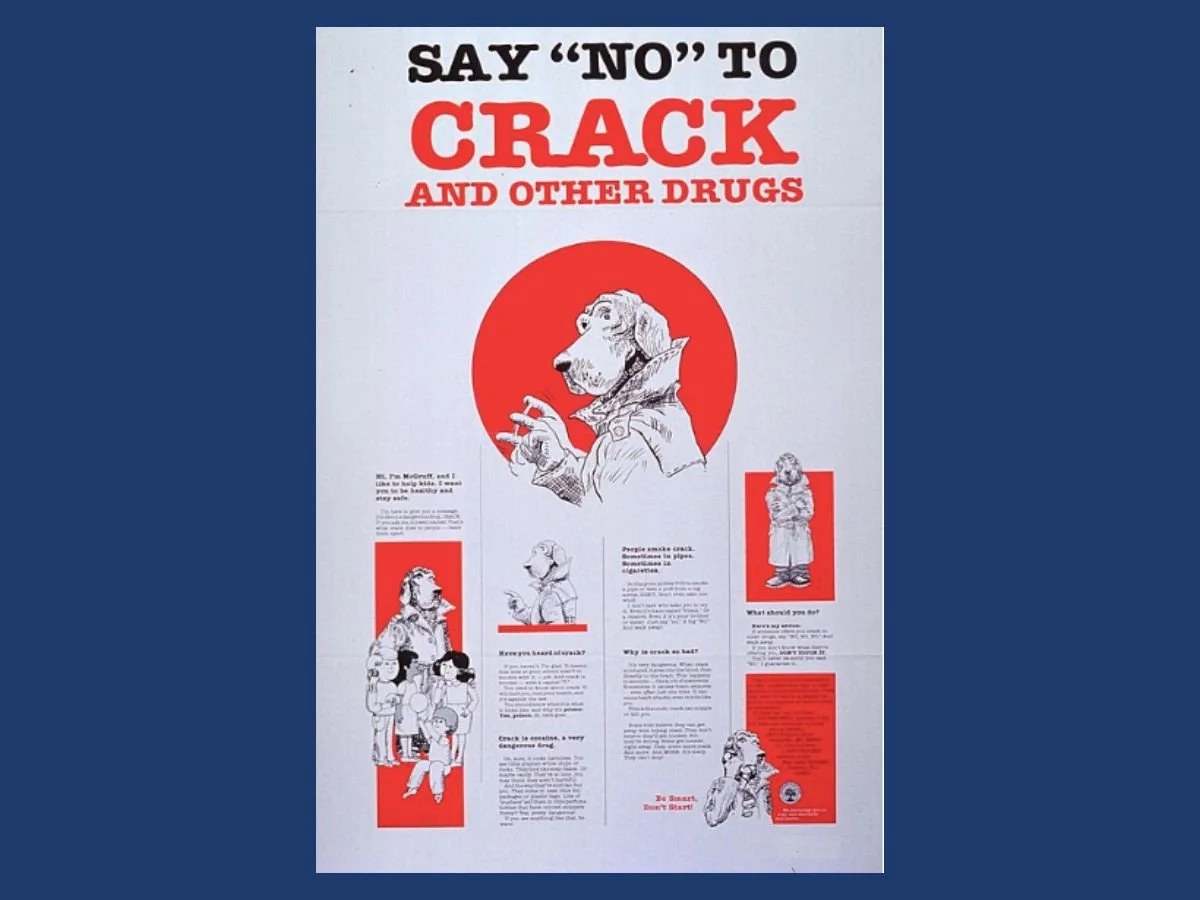
This week at The Guard Rail, we take a unique approach to marketing analysis. Instead of focusing on traditional advertising, we delve into a product that rapidly saturated the American market without a single paid ad campaign. By dissecting its distribution and cultural impact, we uncover how a dark chapter in U.S. history offers chilling lessons for modern public health and pharmaceutical strategy.
By Michael Bronfman, for Metis Consulting Services
Monday, November 10, 2025
When we think of marketing, we often picture glossy magazine ads, celebrity endorsements, or expensive television campaigns. But what happens when a product spreads nationwide without a single commercial, billboard, or corporate sponsor, yet still becomes one of the most recognized names in modern history? What can leaders in the pharmaceutical and public health fields learn from the story of crack cocaine? And how can what we learn be used to prevent harm?
In the 1980s and 1990s, crack reshaped American culture, fueled a violent underground economy, and led to some of the most severe drug laws ever enacted. Its rapid spread, dominance in the media, and creation of demand in communities that had never been affected by powdered cocaine all underscore the widespread impact of crack cocaine.
Was crack cocaine an example of the best marketing in modern history? And did the federal government, intentionally or not, help amplify its reach? To answer that, we need to look at what marketing truly means, how crack met every element of that formula, and what lessons the pharmaceutical and public health sectors can take from this dark and complex chapter.
What Marketing Really Means
At its foundation, marketing is more than advertising. It is described through the four Ps:
Product – What is sold
Price – How much does it cost?
Place – Where is it available?
Promotion – How people hear about it
A product does not need Madison Avenue to succeed. If it captures these four elements and meets real or perceived needs, it can spread rapidly. Crack cocaine, tragically, matched each of these elements with devastating accuracy.
The Product: Crack as a Chemical and Cultural Force
Powdered cocaine had long been associated with nightclubs, Wall Street, and Hollywood. It carried an image of wealth and status. Crack transformed that image by turning cocaine into a form that was accessible, powerful, and addictive.
By converting powdered cocaine into small smokeable rocks, dealers created a product with three dangerous traits:
Immediate effect – Smoking crack produced an intense, fast-acting high that snorting powder could not match.
Ease of use – The user required no syringes or complex preparation. A lighter and a simple pipe were enough.
Repeat demand – The short duration of the high created an immediate desire to use again.
From a product design perspective, crack was disturbingly effective. It was compact, easy to distribute, and designed to create repeat customers.
The Price: Cheap Enough for Everyone
Powdered cocaine was expensive, often costing hundreds of dollars for a night of use. Crack removed that barrier—a single hit costs as little as five or ten dollars.
This pricing model worked like a strategic plan, though one with deadly results:
Lowered entry cost – Anyone, regardless of income, could afford to try it.
Broadened customer base – People who could never access powdered cocaine suddenly had a stronger and cheaper alternative.
Created repeat buyers – The low price made it easy to return for more.
The price turned crack into a drug for the masses. Its accessibility was a key driver of its explosive growth.
The Place: Local and Immediate Availability
A product’s location determines how fast it spreads. Crack’s distribution model was direct, immediate, and local.
Street corners as retail space – Open-air markets made crack visible and convenient.
Apartments as distribution centers – Residential buildings became key supply points, embedding the trade within neighborhoods.
Constant supply – Users did not need to travel far or navigate formal systems; crack was always nearby.
This presence created an appearance of inevitability. In many cities, it became part of the urban landscape. From a marketing perspective, its availability strategy was flawless.
The Promotion: Media, Music, and Word of Mouth
Crack had no paid promotion, yet its visibility was unmatched. It spread through three dominant forces:
News coverage – Television news focused nightly on the so-called crack epidemic. Scenes of arrests, raids, and devastated families filled the screen. The constant exposure acted as free advertising, ensuring every household in America knew what crack was.
Music and culture – Hip hop in the 1980s and 1990s reflected the impact of crack on daily life. Artists spoke about the realities of addiction, poverty, and survival, unintentionally amplifying awareness.
Street communication – Word of mouth spread quickly. In many neighborhoods, everyone knew where to find crack and how powerful it was.
Promotion was viral long before digital media. Without spending a single dollar, crack became a national phenomenon.
The Federal Government’s Role
While dealers and users drove the market, the United States government also played a significant part in shaping the story. Some actions were deliberate, others unintentional, but together they magnified the attention crack received.
Harsh Sentencing Laws
In 1986, Congress enacted laws that punished crack possession one hundred times more severely than powdered cocaine. Five grams of crack carried the same penalty as five hundred grams of powder. These laws disproportionately impacted poor Black communities and reinforced crack’s reputation as America’s most dangerous drug.
Publicity Campaigns
Government officials kept crack in the spotlight. Presidents displayed it during televised speeches. In one case, agents arranged a drug sale across from the White House so that a crack bag could be held up before cameras. What was meant as a warning became a national advertisement.
Foreign Policy and Perception
During the same era, the United States supported military operations in Latin America. Some cocaine traffickers had indirect connections to those operations. However, no evidence proved that the government intentionally spread crack; the perception that officials ignored it fueled lasting public suspicion.
Uneven Response
Instead of pairing enforcement with treatment and prevention, federal policy focused heavily on arrests and incarceration. This imbalance allowed addiction and violence to grow unchecked.
Together, these actions turned the government into an unintentional partner in amplifying crack’s visibility. Through continuous headlines and televised events, officials ensured that the drug remained at the center of public attention.
Why Crack’s Marketing Worked
Viewed through the lens of the four Ps, the reasons are clear:
Product – Potent, addictive, and easy to use
Price – Cheap and widely accessible
Place – Available everywhere, particularly in vulnerable communities
Promotion – Fueled by nonstop media coverage, music, and political attention
From a technical perspective, cracks spread resembles a marketing success story. But unlike legitimate products, its impact was devastating.
The Social Cost
The results were catastrophic:
Addiction – Families and communities were devastated by soaring dependency rates.
Violence – Crime and territorial conflict increased sharply as dealers competed for control.
Public health collapse – Overdose deaths, mental health breakdowns, and infectious diseases followed.
Mass incarceration – Sentencing laws targeted poor communities and left lasting social damage.
The apparent success of crack’s marketing came at an unbearable human cost.
Lessons for the Pharmaceutical and Public Health Sectors
Although tragic, the crack epidemic offers valuable lessons for healthcare leaders today:
Product design drives adoption – Crack’s formulation made it irresistible. In healthcare, the design and delivery of medicines, such as pills, patches, or injectables, strongly influence patient acceptance.
Price determines access – Low cost fueled crack’s spread. Conversely, high pharmaceutical prices prevent many patients from accessing essential treatments.
Availability shapes outcomes – Crack’s local accessibility drove high use. Making vaccines and therapies readily available within communities improves uptake.
Promotion must align with culture – Crack awareness grew through music and media. Effective public health campaigns must use cultural channels to reach real audiences.
Messaging matters – Sensational coverage of crack may have glamorized it. Public health communication must inform without glamor or shock.
Was It the Best Marketing Ever
If best means fastest, cheapest, and broadest reach, then crack cocaine stands as one of the most effective marketing phenomena in modern history. Yet calling it the best overlooks the devastation it caused.
A more accurate description is that crack was the most powerful underground marketing story of the late twentieth century, and its success came with an unbearable cost.
Crack cocaine never had a commercial, a billboard, or a spokesperson. Yet it spread across the United States more effectively than most legal products. It succeeded because it checked every marketing box: a potent product, a low price, constant availability, and relentless cultural visibility.
The federal government, through sentencing laws, publicity efforts, and foreign policy decisions, amplified its reach rather than containing it. These actions helped make crack a household name.
But the cost of that success was profound. Families collapsed, crack usage destroyed communities, and generations were lost to addiction and incarceration.
For leaders in the pharmaceutical and public health fields, the story of crack cocaine is not one to admire but one to analyze. It stands as a warning of what happens when the mechanics of marketing align with desperation and inequality. The real challenge is to use those same principles of product, price, place, and promotion to expand health, access, and equity rather than harm.
Share your thoughts on how these lessons can be applied constructively in today's healthcare landscape by reaching out to us directly: email us at hello@metisconsultingservices.com or stop by our website: Metisconsultingservices.com .
Key references
The rapid rise of the crack era:
“Between 1982 and 1985, the number of cocaine users increased by 1.6 million people.” Encyclopedia Britannica
“Crack, a smokable rock form of cocaine, became prevalent in the 1980s, especially among those of lower socioeconomic status as it was sold in small, cheap quantities (e.g. …).” PMC
“The crack epidemic in the United States refers to a significant surge in crack cocaine use that spanned from the early 1980s to the early 1990s. This form of cocaine could be sold in smaller quantities at a much lower price than powder cocaine.” EBSCO+1Availability, price, and socioeconomic conditions:
“This smokable rock form of cocaine … sold in small, cheap quantities … became prevalent in the 1980s, especially among those of lower socioeconomic status.” PMC
The article “The Setting for the Crack Era: Macro Forces, Micro Consequences” describes how structural economic decline, inner-city distress, and decreased opportunities in manufacturing upheld the environment in which crack flourished. PMCPromotion/media coverage and framing:
“Early news coverage of the rapid expansions and horrors associated with the use of crack in the mid-1980s led to a great panic.” PubMed
“Popular media coverage of the crack epidemic in the 1980s helped rile up enthusiasm for more punitive laws.” JSTOR Daily
“In the U.S., crack cocaine … the U.S. response to crack cocaine was driven by media depictions of an urban, public health crisis primarily affecting Black communities in American cities.” PMCGovernment/policy role:
“The 1986 bill created minimum sentencing laws with a 100:1 disparity between powder and crack cocaine …” HistoryLabs+1
“Federal laws were passed that imposed a 100:1 ratio on cocaine versus crack offenses …” O'Neill.
“A bill to provide an emergency Federal response to the crack cocaine epidemic through law enforcement, education and public awareness, and prevention.” (S. 2715, 1985-86) Congress.gov
The OIG report on “CIA-Contra-Crack Cocaine Controversy” gives details on alleged links between contras, CIA, and networks of cocaine/ crack supply. Office of the Inspector GeneralSocial cost: violence, crime, long-term effects:
“Using cross-city variation in crack’s arrival … we estimate that the murder rate of young black males doubled soon after these markets were established, … and their rate was still 70 percent higher 17 years later.” Andrew Young School of Policy Studies
“The crack epidemic had a host of new problems for the public health and drug treatment communities.” U.S. Government Accountability Office

Espresso May Help Protect Against Alzheimer’s and Neurodegeneration

For Metis Consulting Services
By Michael Bronfman
Your daily cup of espresso may be doing more than waking you up; it could be offering neuroprotection against diseases like Alzheimer’s. Good news for the espresso addicts at Metis Consulting Services and your office. This week in the Guardrail, we delve into surprising new research.
For millions of people around the world, the day begins with a cup of coffee. The rich aroma and intense flavor of espresso are a part of daily life and culture. But beyond its familiar comfort, new scientific findings suggest that espresso may play a surprising role in protecting the brain from diseases such as Alzheimer’s and other forms of neurodegeneration.
This growing body of research is opening an essential discussion in both the medical and pharmaceutical communities. Could a standard drink, enjoyed by millions, actually help defend the brain from one of the most devastating diseases known to humanity?
Understanding Alzheimer’s and Neurodegeneration
Alzheimer’s disease is the most commonly diagnosed cause of dementia. It is a progressive disorder with impacts on memory, thinking, and behavior. Over time, the brain’s nerve cells become damaged and die. This leads to the shrinking of brain tissue and a gradual loss of mental and physical function.
The main biological features of Alzheimer’s include the buildup of beta-amyloid plaques and tau protein tangles. These abnormal structures interfere with communication between brain cells and ultimately lead to cell death.
Neurodegeneration refers to the gradual, progressive loss of structure and function in neurons. It is also seen in diseases such as Parkinson’s, Huntington’s, and amyotrophic lateral sclerosis (ALS). The causes of these disorders are complex and involve genetic, environmental, and lifestyle factors.
The brain is particularly vulnerable to damage from oxidative stress, inflammation, and toxins. For years, scientists have been studying natural compounds that may help protect brain cells. One of the most promising sources of these compounds is coffee.
What Makes Espresso Different
Espresso is not simply a stronger version of coffee. It is made by forcing hot water under high pressure through finely ground coffee beans. This process extracts a unique mixture of chemical compounds, with concentrations and activities that differ from those of regular brewed coffee.
Espresso contains several biologically active substances, including caffeine, chlorogenic acids, polyphenols, melanoidins, and trigonelline. Each of these molecules may affect brain health.
Because espresso is concentrated, it delivers these compounds in higher amounts per serving. This does not mean that more espresso is always better, but it does make it a valuable model for studying how coffee compounds interact with the brain.
The Role of Caffeine in Brain Protection
Caffeine is the best-known component of espresso. It acts as a stimulant by blocking adenosine receptors in the brain, which generally promote drowsiness. This action increases alertness and focus.
However, caffeine does much more than keep people awake. Research has shown that caffeine may reduce the risk of developing Alzheimer’s and Parkinson’s disease. It appears to work by several mechanisms:
Reducing beta-amyloid buildup: Some laboratory studies suggest that caffeine interferes with the formation of beta-amyloid plaques.
Decreasing brain inflammation: Caffeine has been shown to lower the activity of inflammatory molecules in the brain. Chronic inflammation is believed to accelerate neurodegeneration.
Enhancing neuroplasticity: Caffeine supports the release of brain-derived neurotrophic factor (BDNF), a protein that promotes neuronal growth and maintenance of connections.
These effects together may explain why lifelong coffee drinkers tend to show a lower risk of dementia and cognitive decline in extensive population studies. (Londzin et al., 2021).
Beyond Caffeine: Other Neuroprotective Compounds
Espresso’s potential benefits are not due to caffeine alone. The other compounds found in coffee also appear to play a significant role.
Chlorogenic acids act as powerful antioxidants. They neutralize free radicals, which are unstable molecules that can damage brain cells. (Socała et al., 2020).
Polyphenols have anti-inflammatory and anti-amyloid properties. They may slow the processes that lead to plaque formation and neuron loss.
Trigonelline is an alkaloid that supports brain metabolism and may promote the repair of damaged nerve cells.
Melanoidins, formed during the roasting of coffee beans, show antioxidant and metal-binding activity, which may protect brain tissue from oxidative damage and heavy metal toxicity.
Together, these compounds may create a “neuroprotective cocktail” that shields the brain from several forms of stress.
Laboratory Findings: Espresso and Protein Aggregation
In a recent study conducted by researchers at the University of Verona in Italy, scientists explored how espresso extracts interact with the proteins linked to Alzheimer’s disease. The research, published in 2024, used advanced imaging and biochemical methods to observe the effects of espresso on tau proteins, which form the tangles seen in Alzheimer’s brains.
The researchers found that espresso extracts, even at relatively low concentrations, could prevent tau proteins from forming long, twisted fibers. Instead, the proteins remained in smaller, less toxic forms. This is significant because tau tangles are a hallmark of Alzheimer’s disease progression.
The scientists noted that caffeine alone did not fully explain the protective effect. It was the combination of caffeine with other natural compounds in espresso that made the difference. This finding supports the idea that complex mixtures of natural chemicals can sometimes be more effective than isolated ingredients.
Epidemiological Evidence: Coffee Drinkers and Dementia Risk
Population studies across Europe, North America, and Asia have observed a consistent trend: people who drink moderate amounts of coffee tend to have a lower risk of developing Alzheimer’s disease and other forms of dementia.
For example, an extensive Finnish CAIDE study that followed more than 1,400 middle-aged adults for over two decades found that those who drank three to five cups of coffee per day had a 65 percent lower risk of developing dementia compared to non-coffee drinkers.
Another study from South Korea found that coffee consumption was associated with better memory and executive function test performance among older adults.
While these studies cannot prove direct causation, they provide strong evidence that coffee, and especially espresso, may play a protective role in maintaining brain health.
Balancing Benefits and Risks
As with any biologically active substance, balance is important. Espresso is highly concentrated and contains more caffeine per ounce than regular coffee. Excessive caffeine intake can cause anxiety, insomnia, rapid heartbeat, and digestive discomfort.
Many health experts recommend limiting caffeine intake to about 400 milligrams per day, which equals roughly four or five small cups of espresso for most adults. Individuals with heart conditions, anxiety disorders, or pregnancy should consume less and consult their healthcare provider.
It is also important to note that not all espresso drinks are equal. The addition of large amounts of sugar, flavored syrups, or whipped cream quickly turns a healthy beverage into an unhealthy one. The potential brain benefits come from the natural compounds in espresso, not from sweeteners or additives.
What This Means for the Pharmaceutical and Healthcare Fields
The study of espresso and brain health is more than a curiosity. It reflects a larger movement in modern medicine and pharmacology. Researchers are increasingly exploring natural products to discover new compounds that may prevent or treat disease.
If espresso components can slow protein aggregation or reduce inflammation in the brain, they could lead to new therapeutic targets for neurodegenerative diseases. Scientists may isolate specific molecules from espresso to develop drugs that mimic its protective effects without requiring caffeine consumption.
In this way, everyday foods and beverages become sources of medical insight. The line between nutrition and pharmacology is becoming more connected as researchers uncover the biological power of common dietary compounds.
The Role of Lifestyle and Prevention
While no food or drink can completely prevent Alzheimer’s, lifestyle plays an important role in reducing risk. A healthy diet, regular physical activity, mental stimulation, and social engagement all support brain health.
Espresso and coffee, when consumed in moderation, can fit into a balanced lifestyle that promotes cognitive longevity. The combination of antioxidants, anti-inflammatory compounds, and mild stimulation may help the brain stay resilient against aging-related stress.
Healthcare professionals now recognize that small daily habits, such as what we drink in the morning, may influence long-term wellness. Understanding these connections empowers individuals to make informed choices for their future health.
Enjoyment
There is a psychological and social element to espresso that cannot be ignored. Enjoying an espresso in a café or at home is a ritual act that brings pleasure and social connection. These experiences release dopamine and other positive neurotransmitters, which support emotional well-being and stress reduction.
Chronic stress is a known contributor to neurodegenerative disease, so even the act of enjoying a mindful coffee break may have indirect benefits for the brain. In this sense, espresso’s value may extend beyond chemistry to include human experience.
Looking Ahead: From Espresso as pleasure to Espresso as treatment
As research continues, scientists may study how espresso compounds interact with brain cells in laboratory models and clinical trials. Next steps would include identifying the most active molecules and testing whether they can cross the blood-brain barrier, a crucial factor in developing new drugs.
Pharmaceutical research may one day transform espresso’s natural chemistry into new medications or supplements designed to prevent or slow neurodegenerative disease. This process will take time, but the potential is significant.
For now, the evidence suggests that a small daily espresso may be more than a pleasure. It may be a form of quiet prevention.
Conclusion
The story of espresso and brain protection shows how simple morning rituals can conceal complex science. Behind every small cup lies a blend of natural compounds that may support brain health, reduce inflammation, and slow the progression of devastating diseases.
While espresso is not a cure, it may represent a hopeful direction for both everyday health and future interventional research. The combination of scientific inquiry with daily habits shows how we may better understand that nature’s chemistry supports human longevity and cognitive resilience.
To that end, morning espresso may offer more than energy. It may provide a small but meaningful defense against the challenges of aging and the mystery of neurodegeneration.
References
Tira, R., et al. (2023). Espresso Coffee Mitigates the Aggregation and Condensation of Alzheimer’s Associated Tau Protein. Journal of Agricultural and Food Chemistry. https://doi.org/10.1021/acs.jafc.3c00219
Eskelinen, M. H., & Kivipelto, M. (2010). Coffee drinking and cognitive function in aging and dementia: the CAIDE study. Journal of Alzheimer’s Disease, 20(s1), S167–S174. https://doi.org/10.3233/JAD-2010-091249
Londzin, P., et al. (2021). Potential of Caffeine in Alzheimer's Disease—A Review. Nutrients, 13(2), 537. https://doi.org/10.3390/nu13020537
Socała, K., et al. (2020). Neuroprotective Effects of Coffee Bioactive Compounds: A Review. Nutrients, 12(8), 2401. https://doi.org/10.3390/nu12082401
Nila, I. S., et al. (2023). Effect of Daily Coffee Consumption on the Risk of Alzheimer’s Disease: A Meta-analysis. Frontiers in Nutrition, 10, 1203534. https://doi.org/10.3389/fnut.2023.1203534
To secure a competitive advantage in a market rapidly embracing the power of natural compounds, leading pharmaceutical and healthcare companies need to be proactive. Contact Metis Consulting Services today; transform emerging research into actionable, market-ready strategies and innovative development.

Funding and Due Diligence: Learning From Failing in the Pharmaceutical Industry
This article examines the path to approval, the role of clinical data management, audits, pharmacovigilance, medical consulting, and pharmaceutical consulting, as well as the increasing importance of ethical Artificial Intelligence (AI) and consulting in healthcare information technology (IT).
For Metis Consulting Services
By Michael Bronfman
This week in 'The Guard Rail', Michael Bronfman details how neglecting crucial precautionary steps—such as rigorous data governance, external reviews, and post-market safety surveillance—routinely causes financial ruin and project termination for pharmaceutical enterprises. To safeguard investments and guarantee patient welfare, organizations must prioritize expert advice and comprehensive oversight throughout the drug development lifecycle.
Bringing a pharmaceutical product from creation to approval takes time and money. Every company faces questions of funding and due diligence. Success requires careful planning, strong systems, and trusted oversight. When these steps are bypassed, failure is often the result.
In this article, we will explore what pharmaceutical companies can learn from past mistakes. We will highlight the role of clinical data management, audits, pharmacovigilance, medical consulting, Technology (IT) consulting, and the broader work of pharmaceutical services. We will also look at how ethical Artificial Intelligence (AI) fits into this story.
Clinical Data Management and Funding Risks
One of the points of failure in drug development is weak clinical data management. When data is incomplete, inconsistent, or poorly stored, the entire study is at risk. Poor data quality wastes millions in funding and delays progress.
Experienced consulting teams build systems that protect accuracy and address risk management; without this due diligence, a company may lose investor trust and face rejection by regulators. The lesson is clear. In the pharmaceutical industry, investment in reliable data is not optional.
Audits in Pharmaceutical Services and Oversight
Audits are a form of due diligence that many drug companies underestimate. Oversight failures discovered too late can end programs and drain funding.
A weak audit may overlook consent errors, dosing mistakes, or reporting gaps. For a pharmaceutical company, these errors can result in wasted resources. High-quality audits delivered by expert pharm consult teams provide early warning signs and protect future investment.
Pharmacovigilance Lessons of Failure
Pharmacovigilance is a necessity after a drug reaches the market. When safety monitoring is weak, the result is recalls, lawsuits, and loss of public trust.
Investors quickly lose faith in pharma industry leaders who ignore post-approval safety. Funding failures often trace back to early decisions to cut costs in pharmacovigilance. The long-term lesson is that strong monitoring protects both patients and company value.
Medical and Pharma Consulting for Stronger Outcomes
Many failures come from ignoring expert advice. Medical and Pharmaceutical consultants provide knowledge in trial design, safety, and regulatory strategy. A company that rejects this support to save money often faces greater losses later.
A consultant may guide decisions about trial size, patient recruitment, or international compliance. Without such guidance, missteps are more likely, and funding is wasted. For our industry, quality consulting is a tool for prevention.
IT Consulting for Healthcare in Funding Success
Technology is another source of risk. Healthcare IT consulting can protect data and systems during trials. Weak technology leads to breaches, lost information, and regulatory penalties.
When companies ignore the advice of IT specialists, they risk both funding and reputation. Secure systems are not simply technical needs. There are due diligence requirements for any pharmaceutical company that seeks approval.
Medical Devices and Lessons from Failure
Some failures involve both medicines and devices. Consulting medical devices is a growing field where due diligence matters. A poorly tested inhaler, pump, or delivery tool can ruin an otherwise promising pharmaceutical drug.
Drug companies that ignore device oversight often see projects collapse late in development. Quality service pharma in device consulting saves both time and money by identifying risks early.
Pharmaceutical Services in Funding Oversight
Service firms handle many essential tasks. These include clinical data management, audits, pharmacovigilance, and regulatory submissions.
Failures often occur when pharmaceutical companies choose the lowest bid. Cheap services cut corners, miss details, and leave problems unresolved. The lesson is clear. Due diligence requires investment in trusted providers, not the cheapest options.
Ethical AI in Funding and Oversight
The rise of technology brings both promise and risk. Systems labeled as Ethics in AI or similar sounding titles are meant to support areas such as trial prediction and safety analysis.
However, failures occur when some pharmaceutical companies adopt systems without strong oversight. A lack of due diligence in evaluating technology can lead to bias, weak predictions, or unsafe outcomes. The lesson is that ethics in technology must be treated with the same care as audits or data management.
Funding Lessons for Pharmaceutical Companies
For every pharmaceutical company, the lessons from failure are clear. Skipping due diligence in clinical data management, audits, pharmacovigilance, medical consulting, or healthcare it consulting is a direct path to lost funding.
The history of our industry shows that the cost of prevention is far lower than the cost of failure. Investors, regulators, and patients all demand quality oversight.
Why Drug Companies Must Learn From Past Failures
Every mistake in funding or oversight becomes a case study. Drug companies that cut corners see their programs collapse. Those who invest in expert consulting reach approval more often.
The message for the pharmaceutical industry is simple. Due diligence is not a delay. It is the only way to protect investment and ensure patient safety.
The Role of the Pharmaceutical Industry in Building Trust Through Due Diligence
Our industry carries more than financial responsibility. It carries the trust of society. Funding is wasted when companies ignore oversight, but more importantly, patients are harmed.
By investing in strong consulting services, in qualified experts in clinical data management, and other areas of pharmaceutical consulting, the industry builds confidence. Trust grows when patients see that safety, not cost-cutting, guides the road to approval.
Funding and Due Diligence Define Success
The failures of the past offer a map for the future. Every company that invests in audits, clinical data management, pharmacovigilance, medical consulting, and healthcare IT consulting can build a stronger future.
Funding is fragile. Due diligence protects it. Lessons learned from failure show that shortcuts lead to collapse. Success in the pharmaceutical industry belongs to those who choose oversight, invest in quality, and put patient safety above all else.
For more information on fortifying your development strategy and preventing catastrophic program failures, reach out to Metis Consulting Services at 'Hello@MetisConsultingServices'.

The Road to Approval: What Every Pharma Company Needs to Know About Ensuring Oversight
Strong clinical data management is the backbone of every successful trial. Without reliable data, a new pharmaceutical drug cannot move forward.

For Metis Consulting Services
By Michael Bronfman
The journey from discovery to approval of a pharmaceutical drug is long, complex, and demanding. All pharmaceutical companies face the same truth: oversight is not optional. Careful planning, transparent systems, and quality services protect patients and secure public trust in the pharmaceutical industry.
This article examines the path to approval, the role of clinical data management, audits, pharmacovigilance, medical consulting, and pharmaceutical consulting, as well as the increasing importance of ethical Artificial Intelligence (AI) and consulting in healthcare information technology (IT).
Clinical Data Management in the Road to Approval
Strong clinical data management is the backbone of every successful trial. Without reliable data, a new pharmaceutical drug cannot move forward. For a pharma company, poor data management means delays, errors, and regulatory rejection.
Children, adults, and vulnerable groups all rely on safe and tested medicines. Consulting teams that provide advanced data systems knowledge offer companies the confidence that their results are accurate and the path to approval is clear.
Audits and Oversight in the Pharmaceutical Industry
Audits are a central oversight activity in the pharmaceutical industry. They confirm that studies comply with regulations, ethical standards, and company procedures.
When audits are rushed or low in quality, risks increase. Regulators may find compliance failures, patients may face safety concerns, and drug companies may face financial penalties. Choosing strong consultants for audits ensures that every step of the process meets the highest standards.
Pharmacovigilance and Drug Safety After Approval
Oversight does not end when a drug is approved for use. Pharmacovigilance and Drug Safety protect patients by monitoring medicines once they are available on the market.
For every pharma company, strong post-market safety monitoring is required. Systems track adverse events globally and respond quickly to signals of risk. The analysis of efficacy and safety does not end at approval.
Quality Assurance and Risk Management Consulting for Oversight
Quality Assurance and Risk Management play a powerful role in oversight. Consultants guide companies through trial design, regulatory strategy, and compliance checks.
A strong consultant brings experience that helps avoid errors before they occur. Oversight ensures that dosing, consent, and reporting are compliant with regulatory requirements and will meet the needs of the patients. Quality and Risk Management consulting is an investment that pays off in both safety and efficiency.
IT Consulting and Oversight
Technology is central to modern oversight. Technology consulting for biotech and pharmaceuticals provides validated and compliant systems required for trials and data collection.
For a pharma company, the lowest cost system may put sensitive data at risk. Breaches or errors can delay approval and cause serious reputational harm. Reliable systems designed by expert consultants and teams protect patients, data, and maximize the usage and efficiencies of the systems.
Service Pharma in Oversight
Pharma service providers are the engines that drive trials forward. They manage clinical data management, audits, and pharmacovigilance on behalf of pharmaceutical companies.
When companies seek the lowest bid, they often face inadequate oversight and subpar results. True partners in pharma services ensure safety and compliance at every stage of development.
Ethical AI in Oversight
The rise of advanced technology brings new oversight challenges. In the pharma industry, terms like ethical AI, AI and ethics, ethics in AI, ethics for AI, ethics and AI etc…describe the standards that companies must follow.
These systems can aid in trial design, risk prediction, and support pharmacovigilance efforts. However, if a pharma company cuts costs and ignores ethical standards, the results can harm patients. Oversight in this area requires expert review and commitment to fairness.
Oversight Lessons for Pharmaceutical Companies
The road to approval teaches a clear lesson. Pharmaceutical companies that cut corners risk failure, while those that invest in oversight succeed.
Every step, from clinical data management to audits, from medical consulting to pharmacovigilance, demands quality. Oversight ensures that patients are safe, trials are valid, and regulators are confident.
Why Drug Companies Must Value Oversight More Than Cost
It can be tempting for drug companies to focus only on budgets. Yet oversight failures cost far more than savings from a low bid. A recall, a failed trial, or a data breach damages both profit and reputation.
By investing in pharma services, consulting healthcare IT, pharma consulting, and medical consulting, companies build a strong foundation for approval. Oversight is not an expense. It is a safeguard for patients and for the future of the pharmaceutical industry.
The Role of the Pharma Industry in Building Trust
The pharma industry does more than develop medicines. It holds the responsibility to protect patient lives and maintain public trust. Oversight is central to this mission.
By choosing quality in clinical data management, audits, pharmacovigilance, consulting medical devices, and healthcare IT consulting, the pharma industry shows its commitment to safety. Patients, families, and regulators look to the industry not only for cures but also for integrity.
Oversight Leads to Approval and Trust
The road to approval is never simple. A pharma company that values oversight through strong clinical data management, complete audits, reliable pharmacovigilance, careful medical consulting, and responsible ethical AI will reach success.
Oversight is not a barrier but a guide. It ensures that every new pharmaceutical drug is safe, effective, and trustworthy. The message for all pharmaceutical companies is clear. You do not win approval by cutting corners. You win approval by committing to oversight at every step.