

Digital Twins and AI-Driven Drug Discovery
This week in the Guardrail, we break down how predictive AI models and clinical digital twins are accelerating time to market, streamlining regulatory filings, and reshaping early-phase trial architecture.

This week in the Guardrail, we break down how predictive AI models and clinical digital twins are accelerating time to market, streamlining regulatory filings, and reshaping early-phase trial architecture.
By Michael Bronfman
October 5, 2026
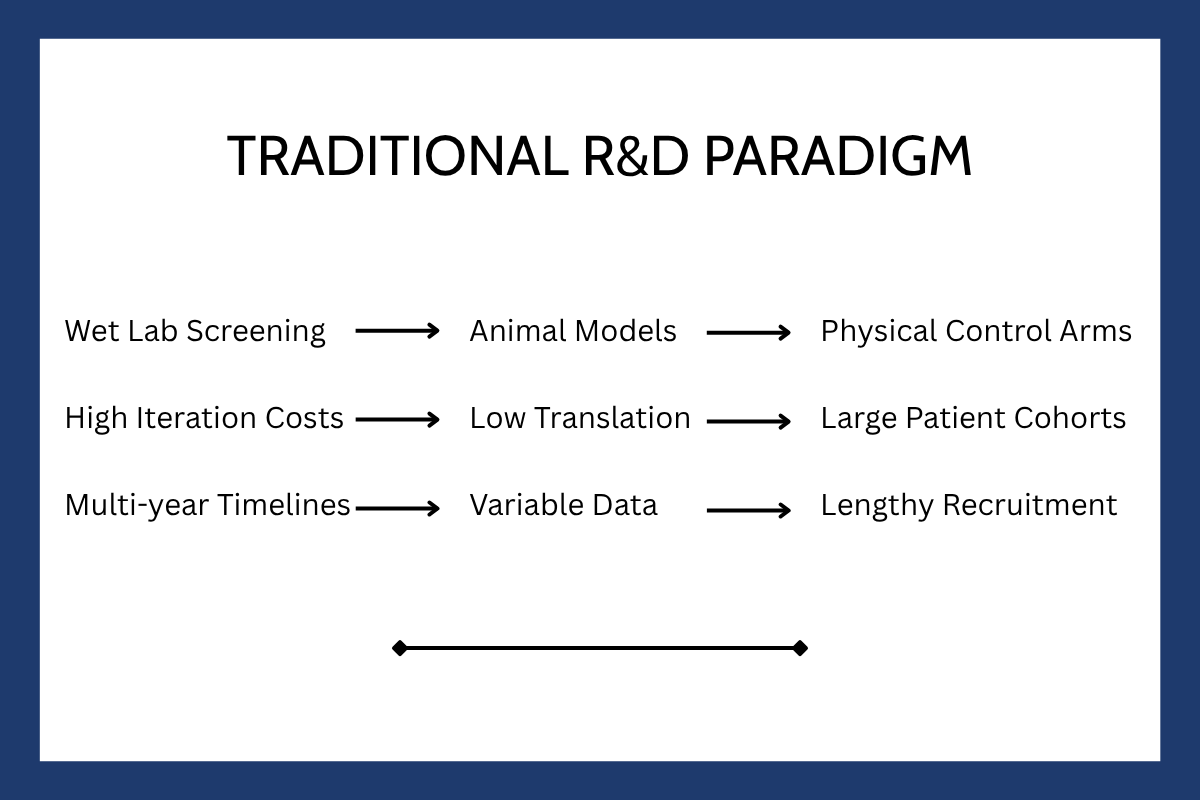
The biopharmaceutical sector is undergoing a massive shift in how new medicines are discovered and brought to market. For decades, the industry relied heavily on experimentation: manual bench work, endless wet lab testing, and risky failure rates once molecules finally reached human trials. Today, that approach is rapidly changing. Modern drug design increasingly relies on predictive algorithms, molecular modeling, and virtual patient simulations to guide key decisions before physical testing begins.
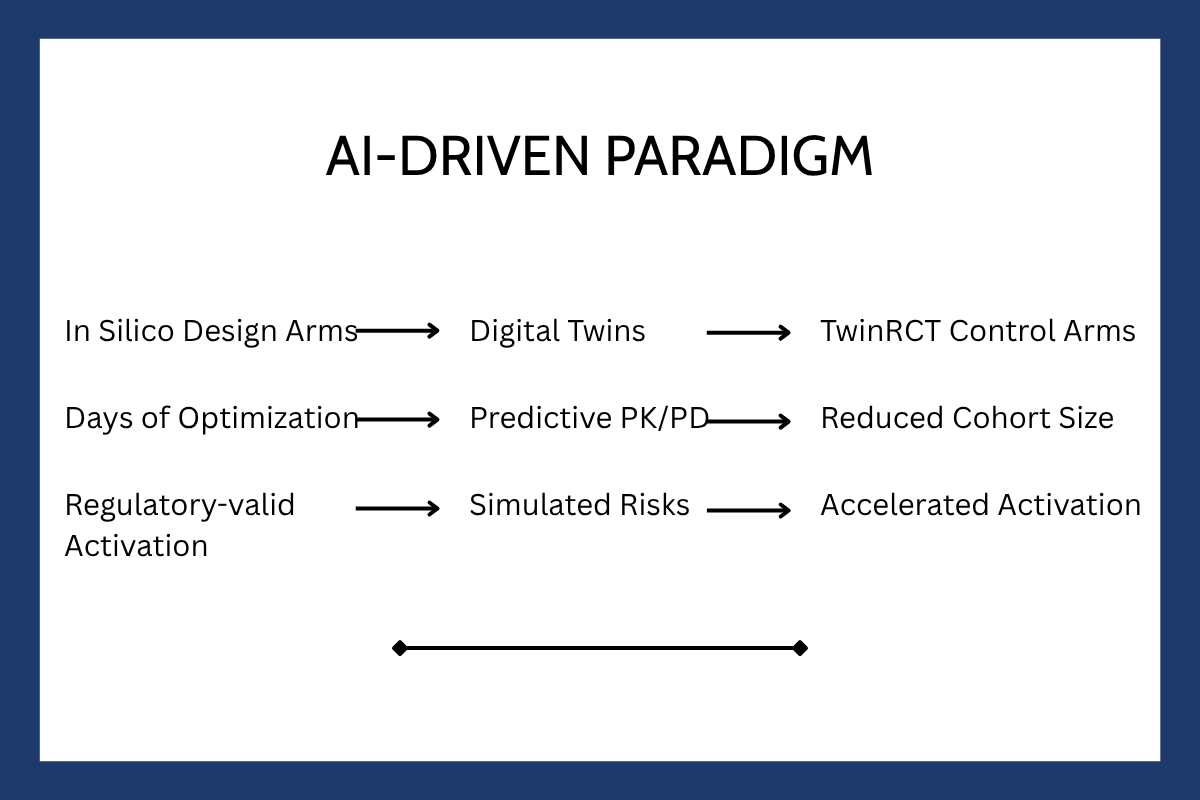
Biotech and pharmaceutical companies are shifting away from traditional trial-and-error methods toward a design-first scientific workflow. Instead of spending months on manual lab iterations, research teams can now optimize molecules computationally in just a few days. Artificial intelligence models are no longer treated as experimental side projects; they are routinely cited inside Investigational New Drug (IND) applications and Biologics License Applications (BLA) submitted to major regulators like the US Food and Drug Administration. At the same time, using digital twins in early-phase trial design has moved from a novel idea to a practical tool for managing trial data, site logistics, and patient cohorts.
Regulatory Reality: AI Models in IND and BLA Submissions
For a long time, the biggest barrier to using computer models in drug development was regulatory acceptance. Health authorities required proof from lab cultures and animal studies, treating computational predictions as secondary background information. That line has blurred significantly over the last few years. Regulators now regularly review AI-generated structural models, machine learning predictions, and algorithmic data packages as part of official filings.
Moving Beyond Basic Screening
Early computational tools were mostly used for simple screening, helping scientists filter massive collections of compounds down to smaller lists. Today, machine learning systems can design target-specific molecules from scratch, predict how tightly they will bind to proteins, spot potential off-target side effects, and forecast how a compound will move through the human body.
When biotechs submit IND filings containing AI-designed compounds, regulatory reviewers evaluate the algorithm's design, training data, and validation tests right alongside standard preclinical lab results. This change cuts down the time required to turn an initial hit into a lead compound. Instead of making and testing dozens of physical variations one by one, teams can test multiple chemical properties at once inside a computer model.
Regulatory Frameworks Supporting Computational Science
Health authorities around the world have updated their working policies to keep pace with these technologies. Regulatory initiatives like Model-Informed Drug Development (MIDD) and Quantitative Systems Pharmacology (QSP) give sponsors clear paths to include algorithmic data in formal applications.
These frameworks lay out rules for testing predictive software, making sure algorithms are transparent, tracking data sources, and checking machine learning outputs for accuracy. By setting clear standards, regulators give biotech companies a reliable way to use synthetic data and predictive models to justify starting doses in humans, map out metabolic pathways, and avoid unnecessary animal testing.
Digital Twins in Early Phase Clinical Trials
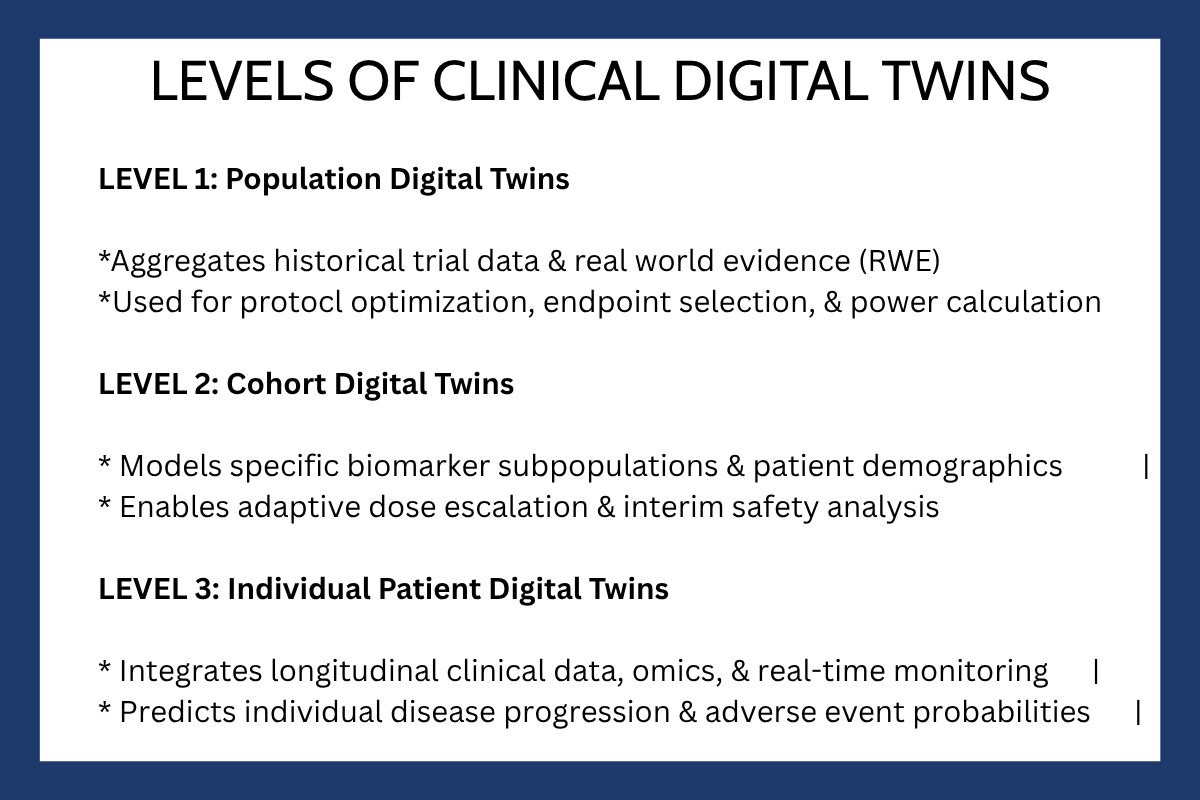
While AI algorithms handle molecule design, digital twin technology is helping reshape early-phase clinical trials. A clinical digital twin is a dynamic, detailed computer model of a biological system. It can represent a single organ, a disease pathway, or an individual patient participating in a trial.
In Phase 1 and Phase 2 trials, digital twin platforms pull in past trial records, real-world health evidence, genomic data, and patient tracking metrics. Using that information, the system simulates how different types of patients are likely to respond to a new treatment.
Building Synthetic Control Arms
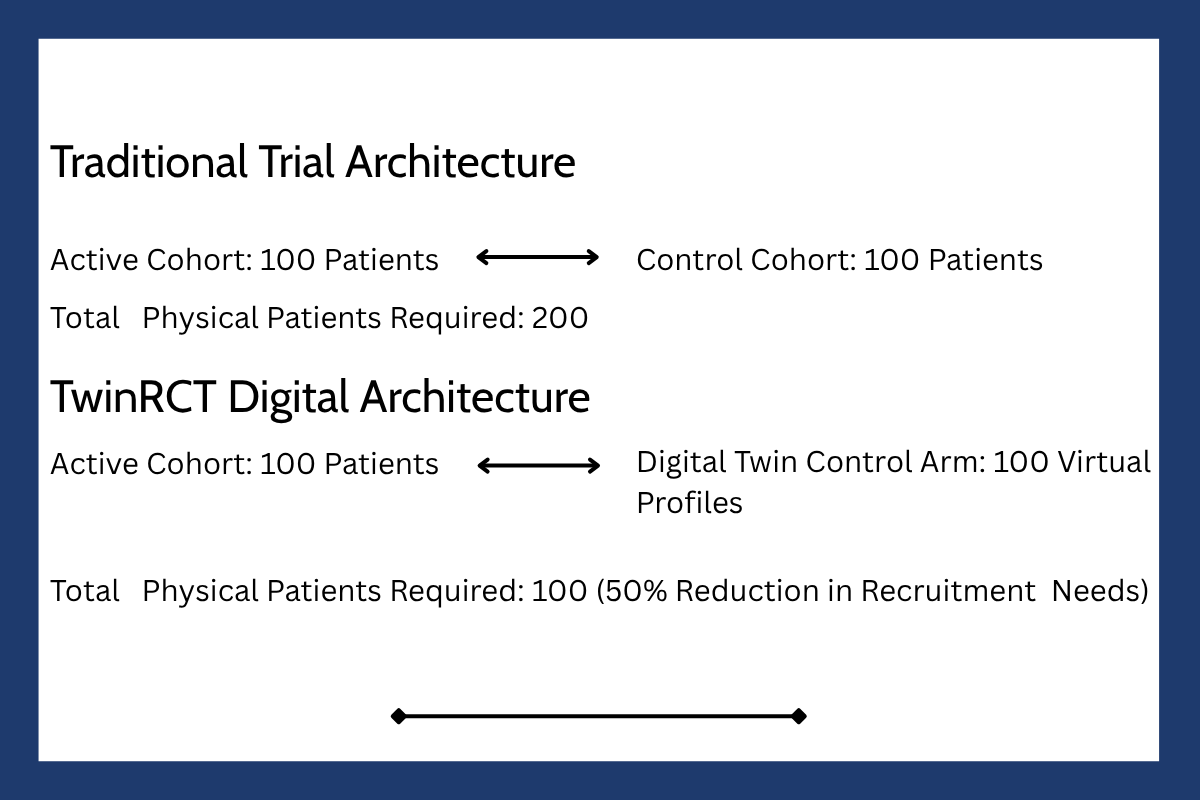
One of the most practical uses of digital twins is building synthetic or external control arms. Recruiting control patients for early-phase studies can be slow, expensive, and ethically tricky, especially when dealing with rare diseases or aggressive cancers where giving a placebo is hard to justify.
Digital twin software helps solve this problem by generating virtual control subjects matched to the real patients receiving the new treatment. Projecting how a patient's disease would normally progress under current standard care boosts the statistical strength of small studies without requiring companies to recruit large physical control groups. This approach, often called a TwinRCT, lets biotechs run smaller, faster trials that still meet strict regulatory standards for statistical proof
Improving Trial Protocols Before Enrolling Patients
Poorly designed trial protocols are a primary reason many drug candidates fail early in clinical testing. Problems like wrong dosing schedules, overly strict entry rules, or poorly chosen goals frequently derail promising drugs.
Digital twin simulations give research teams a risk-free way to test trial plans in advance. Teams can run thousands of virtual trial runs under different dosing schedules and rules long before the first real patient signs up. These virtual runs help highlight potential safety issues, find better dose levels, and spot places where patients might drop out. As a result, phase transitions go smoother, and teams have to make fewer costly changes once the trial is live.
Measuring the Impact: Manual Work vs Computational Design
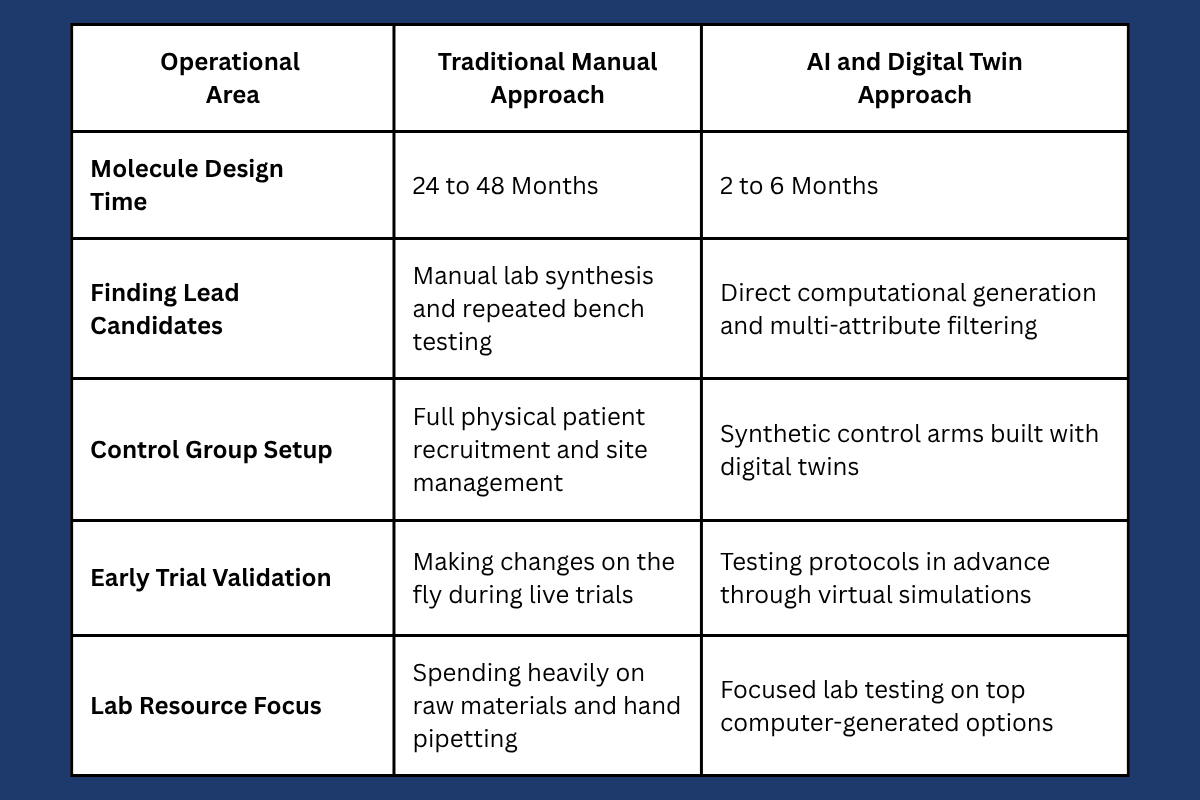
Swapping manual lab work for computational design changes both the timeline and economics of early research.
Reducing the Wet Lab Bottleneck
In traditional drug discovery, chemists make a batch of compounds, test them in cell dishes, study the results, and tweak the chemical structures to fix issues with performance or safety. This loop usually takes years and still ends with high failure rates once molecules reach living organisms.
Computational design turns that model upside down. Deep learning models can evaluate millions of virtual structures at once, checking them for target fit, ease of chemical synthesis, safety risks, and body absorption. Instead of using the physical lab to explore endless possibilities, scientists use it to double-check top computer predictions. Lab teams can focus on making a small, high-quality set of optimized candidates rather than hundreds of random shots in the dark.
Keeping Supply Chains and Lab Logistics Up to Speed
When software cuts compound design times from months down to days, physical labs run into immediate supply bottlenecks if they cannot order testing supplies fast enough.
Modern research relies heavily on digital procurement networks to streamline how teams order chemicals, cell lines, and standard lab supplies. Automating supply ordering ensures physical testing keeps pace with fast digital output, preventing material shortages from slowing down discovery timelines.
Overcoming Practical Challenges to Adoption
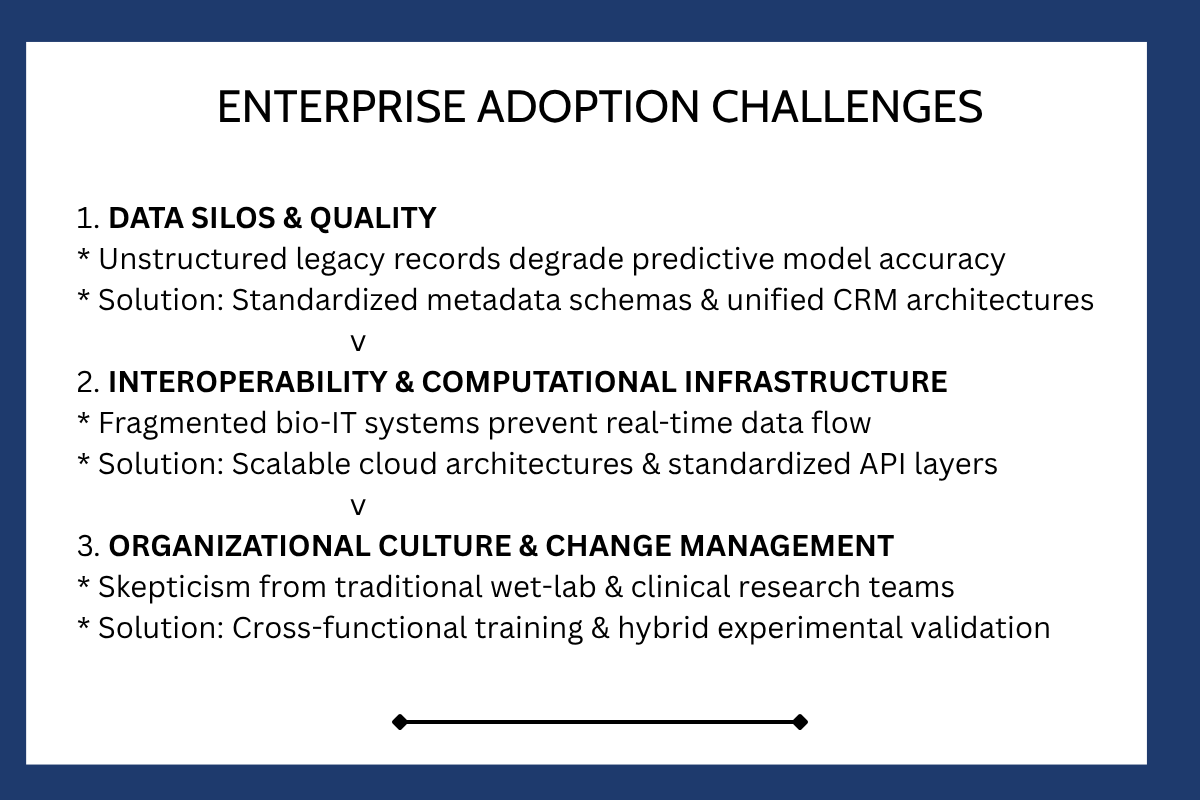
Even with clear benefits, adding AI models and digital twins to an existing pharma operation comes with real-world hurdles.
Data Quality and System Integration
An AI model or digital twin is only as reliable as the data used to train it. Messy historical records, poorly logged assay results, and missing trial details introduce errors into predictions. If a digital twin is built on incomplete or unbalanced trial data, its predictions will reflect those same flaws.
Companies need clear standards for managing their information. Setting up clean data formats, organizing electronic health records, and continuously gathering high-quality real-world evidence are necessary steps for building models teams can trust.
Connecting Lab Tools to Global Infrastructure
Linking computer models directly to daily trial operations requires solid software and infrastructure. IT departments must connect computational tools, lab data management software, and global logistical systems so information moves without friction.
Global management groups help biopharma organizations set up reliable operational frameworks, manage complex international logistics, and handle clinical trial supply chains across different countries. Ensuring software platforms talk to real-world logistics guarantees that digital discoveries transition smoothly into physical trial execution.
Bridging Team Gaps
Shifting to a predictive model requires cultural adjustments within research teams. There can sometimes be friction between computer scientists and traditional lab biologists or clinical staff. Lab veterans may feel skeptical of computer predictions, preferring physical test results they can see with their own eyes.
Overcoming this requires building mixed teams where computational scientists and lab staff work side by side throughout the project. When researchers see computer tools as helpful aids rather than replacements for human expertise, adoption happens naturally.
What This Means for Pharma Leadership
For executive teams, project leads, and clinical directors, adopting AI tools and digital twins is becoming a core practical requirement rather than a distant goal. Running multi-year discovery programs that end in high clinical failure rates is simply too risky and expensive for modern biotechs.
Smarter Spending and Risk Management
Developing new drugs takes enormous capital, with most of that money lost on clinical candidates that fail late in the process. Using digital twin simulations to stress test trial plans helps companies spot weak drug candidates much earlier.
Stopping dead-end projects early saves capital that can be redirected toward stronger candidates. In addition, using synthetic control arms cuts down on the number of physical patients needed for early trials, lowering recruiting costs and shortening trial setup times.
Key Steps for Building a Modern R&D Setup
To stay competitive, leadership teams should focus on three main operational goals:
Clean Up Data Pipelines: Build central data repositories that gather clean, organized trial and lab data from all internal teams and external partners.
Engage Regulators Early: Work with regulatory agencies early in the planning process using programs like MIDD to confirm computational methods and virtual control groups before launching trials.
Automate Operational Logistics: Connect computer design tools directly with digital ordering networks and automated lab hardware to keep physical testing moving at full speed.
Moving Toward Predictive Medicine
Combining artificial intelligence with digital twin models marks a permanent change in how drugs are researched and clinically tested. By including computational models inside IND and BLA regulatory packages and using digital twins to design smarter early-phase trials, life science companies are building a direct, efficient path to market.
Moving from manual experimentation to a design-first methodology lets companies swap months of slow trial and error for quick computational testing. Businesses that update their software systems, clean up their data pipelines, and connect their operational logistics will bring safer, more effective treatments to market with far fewer delays.
Sources:
Harvard, AI in Health Care: From Strategies to Implementation, Harvard Medical School, October 14, 2026
MIT, MIT Management Executive Education
Intglobal, Your Technology Sherpa
Clinical Digital Twins in Trial Design
Contact Metis Consulting Services to discover how we can help elevate your regulatory readiness and streamline your path to market.

The Grand Convergence of Compliance and Cutting-Edge Science
How the intersection of strict regulatory enforcement and breakthrough molecular science is redefining the modern pharmaceutical business model. This week in the Guardrail, we discuss The Grand Convergence of Compliance and Cutting-Edge Science

How the intersection of strict regulatory enforcement and breakthrough molecular science is redefining the modern pharmaceutical business model. This week in the Guardrail…
By Michael Bronfman
July 27, 2026
The global pharmaceutical landscape is undergoing a massive shift. For decades, drug discovery and commercial operations existed in separate silos. Scientists designed molecules in quiet laboratories, and supply chain managers built delivery pipelines in isolation, while legal teams handled regulatory compliance only after clinical data emerged. That disconnected era is officially over. Today, regulatory strategy, end-to-end tracing, and molecular design are merging into a single interconnected science.
As we progress through twenty twenty-six, developers face a dual challenge. They must navigate some of the strictest operational enforcement mandates in history while simultaneously scaling highly complex, personalized therapies that do not fit traditional manufacturing or licensing models. From the sudden end of drug tracing exemptions in the United States to clinical trials that target chronic diseases with “one-and-done " genetic edits, the rules of commercialization are being rewritten. The organizations finding success in this landscape are those that treat supply chain resilience and local regulatory intelligence not as administrative hurdles, but as core elements of their research and development strategy.
Supply Chain Risk and Serialization: The End of DSCSA Exemptions
In the United States, the safety net of regulatory grace periods has officially vanished. The Drug Supply Chain Security Act, a long-standing federal effort to protect patients by creating an interoperable electronic tracing system for prescription drugs, has entered its final era of absolute enforcement. The phased rollout reached a critical milestone when exemptions for manufacturers and repackagers expired in May 2025, followed closely by the expiration of wholesale distributor exemptions in August 2025.
The final transition occurred when dispenser exemptions for larger organizations ended in November 2025, pushing the entire domestic market into full unit-level serialization. Today, every single trading partner must possess the infrastructure to electronically trace, verify, and exchange transaction data at the individual package level. A helpful breakdown of these hard boundaries and the necessary internal tracking milestones is here: Intelliguard DSCSA Compliance Guide.
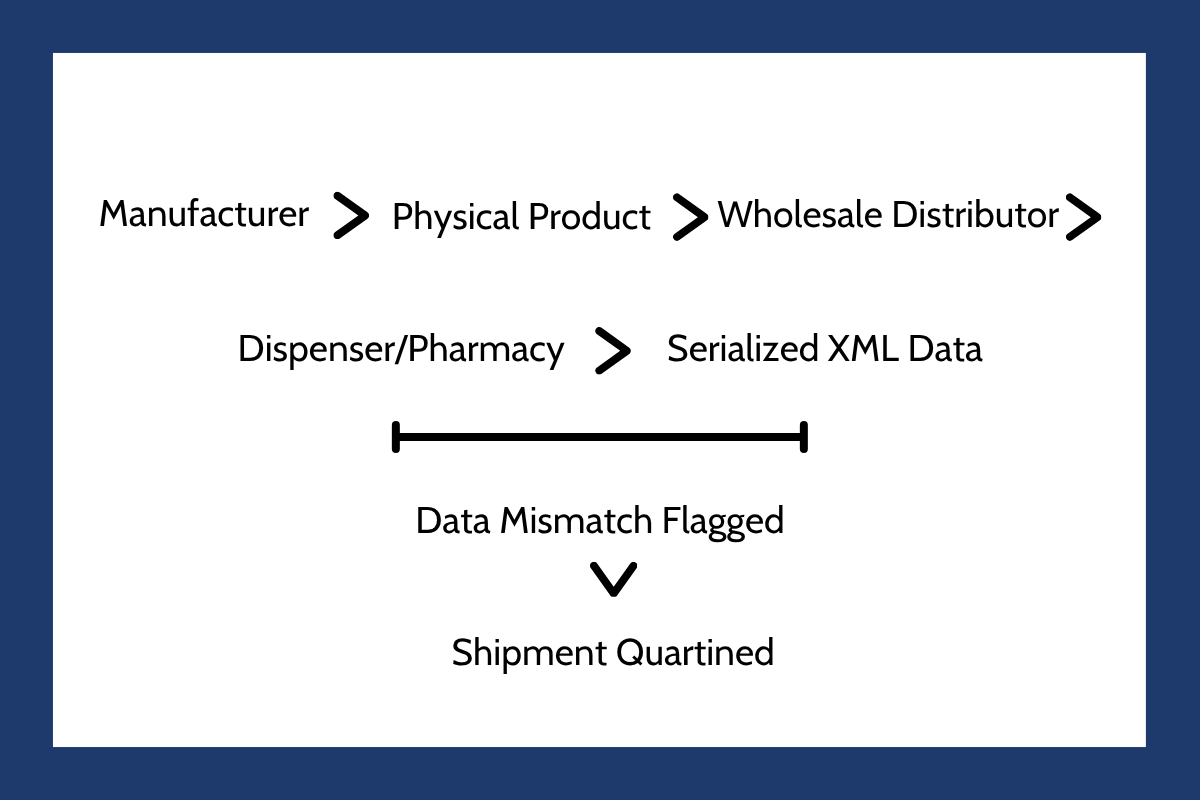
This complete transition to unit-level serialization has exposed a deep vulnerability in global logistics. The modern pharmaceutical pipeline is incredibly fragile. A single supplier failure, raw material bottleneck, or cold chain temperature excursion can instantly halt clinical progression. Under the current strict rules, the stakes are even higher. If physical drug packages arrive at a distributor or pharmacy but their accompanying digital data contains a clerical error, the entire shipment must be quarantined.
Even physically perfect, safe medicines are routinely blocked from distribution because of minor electronic data mismatches. For a detailed look at how organizations must update their standard operating procedures to handle these digital bottlenecks, the Two Labs DSCSA Exception Handling Analysis highlights the operational necessity of treating serialization data as a product-critical asset.
Because of these tight restrictions, biotech firms advancing candidates through clinical trials must construct highly resilient logistics networks years before submitting a Biologics License Application or New Drug Application. If a developer cannot guarantee the integrity of their data or the security of their active pharmaceutical ingredients, they risk sudden clinical holds or devastating launch delays. Supply chain resilience is no longer a post-approval operational concern; it is a primary metric that regulators evaluate during initial product reviews.
Base Editing and the Dawn of One and Done Chronic Disease Therapies
While compliance teams secure the physical supply chain, geneticists are shifting the boundaries of what is possible in preventative medicine. For years, the scientific community viewed genomic medicine through the lens of oncology and ultra-rare genetic mutations. However, a major paradigm shift is occurring as base editing moves into the domain of common, chronic diseases that affect millions of people globally.
Unlike early gene editing systems that rely on double-stranded DNA breaks, base editing allows scientists to make single-letter chemical transitions in a highly targeted, precise manner. This technology provides an incredibly clean way to silence specific disease-causing genes without triggering the cellular damage associated with double-stranded cuts.
The commercial reality of this science became undeniable following the landmark acquisition of Verve Therapeutics by Eli Lilly. At the center of this momentum is the base editing candidate known as VERVE one-hundred-two. Designed to permanently reduce low-density lipoprotein cholesterol, this therapeutic candidate has entered expanded Phase two clinical trials. The medicine functions by targeting and durably inactivating the PCSK9 gene directly within the human liver.
According to clinical updates published in the Eli Lilly PCSK9 Base Editor Press Release, a single infusion of the treatment achieved highly promising results, demonstrating an 88% reduction in PCSK9 protein levels and a sustained 62% drop in low-density lipoprotein cholesterol. This approach challenges the entire business model of chronic disease management. Historically, conditions like hyperlipidemia, hypertension, and cardiovascular disease required decades of daily oral pills or monthly subcutaneous injections. Compliance was notoriously poor, as patients frequently forgot doses or lost access to insurance. Transitioning to a “one-and-done genetic cure completely eliminates noncompliance.
However, it also presents an unprecedented challenge for drug developers, who must figure out how to manufacture, distribute, and price a single-dose therapy that permanently cures a common chronic disease. The manufacturing process relies heavily on lipid nanoparticles, requiring incredibly specialized raw materials that must be tracked under the newly enforced US serialization rules.
Epigenome Editing: The Next Reversible Frontier
As base editing demonstrates clinical success, another groundbreaking platform is rising to prominence. Epigenome editing is quickly emerging as the next major boundary beyond traditional CRISPR and base editing systems. While existing technologies focus on rewriting the physical letters of the genetic code, epigenome editing leaves the underlying DNA sequence completely untouched. Instead, it targets the molecular tags and histone modifications that dictate whether a gene is actively turned on or shut off.
This subtle approach is highly attractive to both drug developers and regulatory agencies because of one major feature: reversibility. Because the physical DNA sequence is never cut or permanently altered, the risk of permanent, dangerous off-target mutations is dramatically minimized. If an unexpected side effect occurs, or if a patient's biological requirements change over time, epigenetic modifications can theoretically be adjusted or reversed.
Pioneering biotechnology companies like nChroma Bio are actively developing proprietary epigenetic platforms to silence disease-causing proteins in real time. Because these therapies rely on complex post-translational modifications, their success hinges on extremely precise cellular delivery systems. Developers are investing heavily in customized chemical vectors that can reliably locate target tissues, dial down aberrant gene expression, and then safely exit the patient's system. This science offers a flexible middle ground between traditional small molecule drugs and permanent genetic modifications, establishing a highly versatile therapeutic class.
CAR-T Beyond Cancer: Resetting the Autoimmune System
The concept of cellular reprogramming is also sparking a major revolution within immunology. Chimeric antigen receptor T cell therapies, which were once reserved exclusively for terminal blood cancers, are proving to be exceptionally powerful tools for treating severe autoimmune disorders.
Under normal circumstances, autoimmune diseases like systemic lupus erythematosus and systemic sclerosis are managed with chronic immunosuppressive drugs. These conventional therapies do not cure the underlying disease; they merely suppress the entire immune system, leaving patients highly vulnerable to severe infections.
This dynamic is shifting rapidly. Early clinical data from trials running throughout 2026 have confirmed that CD19-targeted CAR-T therapies can achieve deep, durable remission in patients with severe autoimmune conditions. By collecting a patient's own immune cells, engineering them to target the CD19 antigen on aberrant B cells, and reintroducing them, clinicians can completely eliminate the autoantibody-producing cells responsible for the disease. Once these problematic B cells are cleared, the bone marrow naturally produces a fresh, healthy population of immune cells, effectively resetting the patient's immune system.
The clinical data supporting this profound shift has been highlighted by researchers globally. During presentations at the EULAR 2026 Congress CAR T Research Panel, clinical trial data demonstrated that dual target cell therapies could successfully clear skin fibrosis and stabilize progressive lung damage in systemic sclerosis patients. The safety profile of these therapies in autoimmune populations has also proven to be superior to that seen in oncology. Because the overall tumor burden is absent, the severe side effects that often complicate cancer treatments, such as severe cytokine release syndrome, are rarely observed in autoimmune cohorts.
This clinical expansion has triggered a scramble among biopharmaceutical companies to secure manufacturing capacity. Unlike oncology products, which are often produced in highly centralized facilities, autoimmune treatments require rapid, local delivery models to ensure that autologous cell products can be harvested, engineered, and returned to patients without operational delays.
Bespoke and Personalized Gene Editing: Baby KJ and N of 1 Paradigms
Perhaps the most inspiring and challenging frontier in modern medicine is the rise of bespoke, personalized gene editing. For decades, the pharmaceutical industry operated on a high-volume model, designing single therapies for millions of identical patients. However, for individuals suffering from ultra-rare genetic mutations, no commercial market existed. Developing a traditional drug for a population of one was simply too expensive and logistically impossible.
That paradigm changed forever with the historic treatment of an infant known as Baby KJ. Born with a lethal genetic condition that prevents the body from clearing toxic ammonia, called carbamoyl phosphate synthetase deficiency, his survival was highly unlikely.
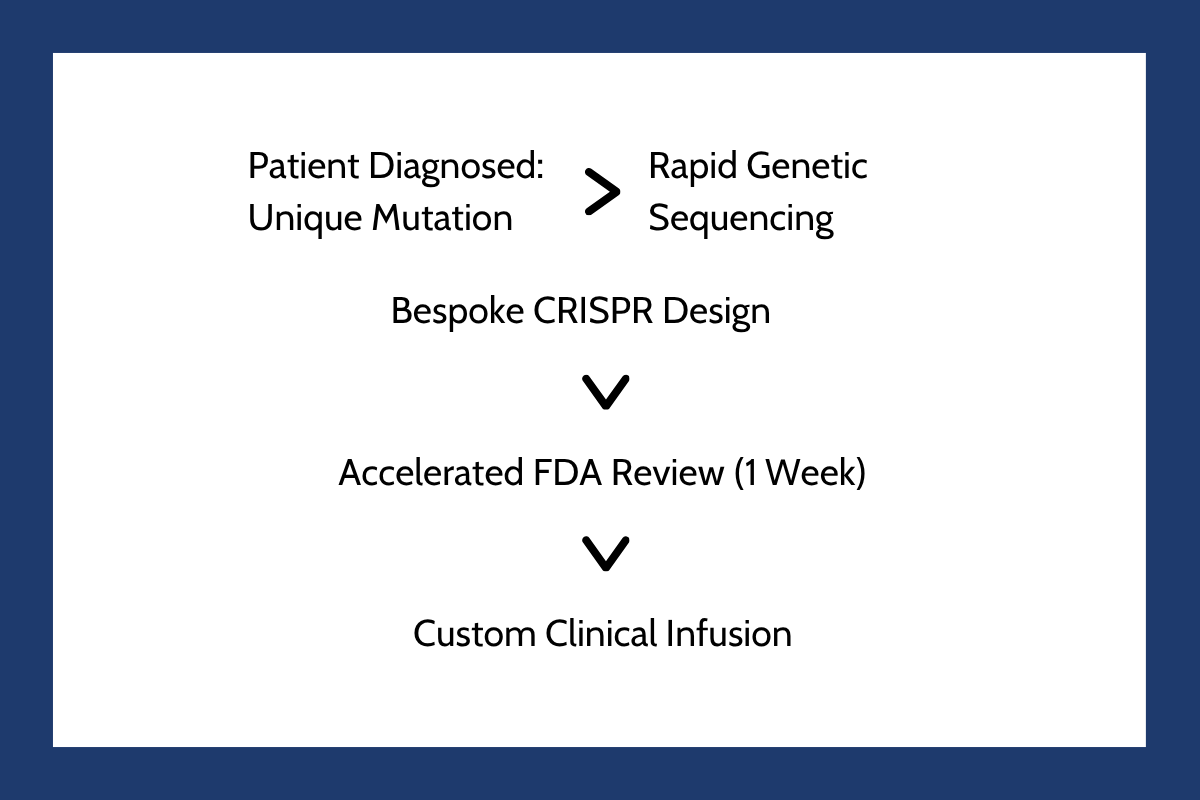
In an unprecedented collaboration, researchers at the Children's Hospital of Philadelphia and the University of Pennsylvania engineered a customized, first-of-its-kind base editing therapy designed to correct the exact, single-point mutation in his DNA. The timeline of this historic medical achievement is detailed in The Future of Personalized Medicine: KJ's Story.
The regulatory response was equally historic. Recognizing the immediate threat to the child's life, the Food and Drug Administration reviewed the investigational application on an accelerated timeline, granting clearance in just one week. The success of this custom therapy has proven the technical feasibility of “N of 1 medicine,” opening a brand new avenue for patients with highly specific genetic conditions. An analytical review of this rapid development pipeline is featured on the Friends of Cancer Research Personalized Medicine Portal.
However, scaling these bespoke treatments remains an immense challenge. Traditional drug licensing and safety evaluation protocols are built around large-scale, multicenter trials with thousands of participants. A personalized, “N of 1” therapy cannot undergo standard Phase three clinical testing because there are no other patients to enroll.
To prevent these life-saving scientific breakthroughs from becoming stalled in regulatory paperwork, regulatory bodies must adopt highly flexible, platform-based approval pathways. Under this proposed model, regulators would evaluate and approve the editing tool and delivery system itself, allowing clinicians to simply swap out the genetic guide RNA sequence to match an individual patient's unique mutation.
Balancing Agile Operations with Unprecedented Medical Innovation
As we move forward through this year and beyond, the pharmaceutical sector finds itself at an incredible crossroads. The scientific capabilities of gene editing, epigenetics, and cellular reprogramming are advancing faster than ever before. Yet, the physical and electronic pathways required to deliver these miracles to patients have never been more tightly regulated or logistically complex.
Whether an organization is scaling a major cardiac base editor to treat millions of patients, or engineering a custom cell therapy to cure a single child, success requires deep operational agility. By integrating regulatory compliance directly into the earliest phases of molecular research, managing supply chain data as a critical asset, and building flexible manufacturing models, the global medical community can ensure that these historic discoveries successfully make their way from the laboratory bench to the patient bedside.
Don't let complex serialization mandates or strict regulatory hurdles delay your life-saving therapies. Contact Metis Consulting Services today to build flexible, bulletproof quality operations that keep your cutting-edge science moving seamlessly from lab to patient.
The Real Stakes of Phase 2: You Cannot Afford to Wait
Phase 2 is the ultimate "make or break" moment for drug development and why cutting corners now leads to catastrophic failure later. This Guard Rail blog breaks down the essential risk-mitigation strategies needed to bridge the treacherous gap between initial proof of concept and a successful Phase 3 trial.
This week, we explore why Phase 2 is the ultimate "make or break" moment for drug development and why cutting corners now leads to catastrophic failure later. This Guard Rail blog breaks down the essential risk-mitigation strategies needed to bridge the treacherous gap between initial proof-of-concept and a successful Phase 3 trial.
By Michael Bronfman
In the world of drug development, Phase 2 is often called the "Lands of Proof." This is the moment when a company moves from testing safety in a few healthy people to seeing whether the drug actually works in patients with the disease. It is an exciting time, but it is also the most dangerous part of the journey.
Many teams make the mistake of thinking they can fix small problems later in Phase 3. They might say, "We will figure out the final dose later," or "We will refine the manufacturing process once we have more data." In the pharmaceutical industry, this "wait and see" approach is a recipe for disaster.
Risk mitigation must happen right now. If you do not resolve your biggest uncertainties during Phase 2, you are not just delaying a problem. You are risking billions of dollars and years of hard work.
The Massive Cost of Failure in Phase 3
The jump from Phase 2 to Phase 3 is a giant leap in terms of cost and complexity. While Phase 2 might involve a few hundred patients, Phase 3 often requires thousands.
If a drug fails in Phase 3 because of a risk that could have been identified earlier, the financial hit is devastating. According to reports from Deloitte, the cost to bring a single drug to market has climbed to over two billion dollars.
Most of that money is spent during the final stage. If you enter Phase 3 with a "weak" dose or a "fuzzy" understanding of which patients benefit most, you are gambling with the future of the company. Fixing a mistake in Phase 2 costs thousands. Fixing that same mistake in Phase 3 costs millions.
Solving the Dosage Puzzle
One of the biggest risks in Phase 2 is choosing the wrong dose. This is known as "dose finding."
If the dose is too low, the drug will not show enough benefit, and the trial will fail. If the dose is too high, the side effects might be too many for the government to approve it.
Many companies rush through this. They pick a dose that looks "good enough" so they can start the big trials faster. However, the Food and Drug Administration (FDA) has become much stricter about this. They want to see that you have tested several different doses to find the "sweet spot."
By spending the extra time in Phase 2 to run a robust dose-ranging study, you build a solid foundation. You go into Phase 3 with total confidence that you are giving patients the best possible chance of success.
Identifying the Right Patient Population
Not every patient with a specific disease reacts to a drug the same way. One of the best ways to mitigate risk is to figure out exactly who your "super responders" are.
During Phase 2, researchers look for biomarkers. These are biological signs in the blood or tissue that suggest a patient will respond well to the treatment.
If you ignore these signs and try to test the drug on everyone in Phase 3, your results might get "watered down." The drug might work great for 20 percent of people but not at all for the other 80 percent. If you mix them all together, the average result might look like the drug does not work.
By using Phase 2 to narrow down the target group, you make your Phase 3 trial much smaller, faster, and more likely to succeed. You can find more information on how patient selection impacts trials HERE.
Manufacturing and Supply Chain Hurdles
It is easy to make a small amount of a drug in a lab. It is very hard to make enough for ten thousand people while keeping the quality exactly the same every single time.
A major risk that teams "kick down the road" is the manufacturing process. They use a "Version 1" process for Phase 2 and plan to switch to a "Version 2" for Phase 3.
The problem is that the FDA considers the manufacturing process to be part of the drug itself. If you change how you make the drug, you have to prove that the "new" drug is the same as the "old" drug. This can lead to massive delays or even require you to redo your studies.
Addressing manufacturing risks during Phase 2 ensures that what you test in the final stages is exactly what will be sold in pharmacies. Consistency is the key to safety and approval.
The Regulatory Conversation
You should never treat the government regulators as a surprise at the end of the race. Risk mitigation involves talking to the FDA or the European Medicines Agency early and often.
Phase 2 is the perfect time for an "End of Phase 2" meeting. This is where you present your data and plan to the regulators for the big trial. If they have concerns about your safety data or your goals, you want to know that now.
Waiting until after Phase 3 to find out the FDA does not like your study design is a nightmare scenario. Early transparency reduces the risk of rejection and builds trust with the people who hold the keys to the market.
Protecting the Patients
Beyond the money and the business goals, the most important reason to mitigate risk is the people. Every person who signs up for a clinical trial is a volunteer who wants to help find a cure.
If we move into Phase 3 with known risks that we chose not to solve, we are putting those volunteers at unnecessary risk. We owe it to the patients to be as certain as possible about the safety and the logic behind the study before we ask thousands of people to participate.
High-quality science in Phase 2 leads to safer trials. When we prioritize risk management early, we protect the integrity of the medical profession and the lives of the people we serve.
Key Actions
To ensure a successful transition out of Phase 2, teams should focus on these three pillars:
Data Certainty: Do not settle for "maybe." Use Phase 2 to get clear answers on dose and efficacy.
Process Stability: Finalize how the drug is made and how it will be delivered before the big spend.
Open Dialogue: Work with regulators to make sure the finish line is clearly defined.
The motto for Phase 2 should always be: Fail fast or fix it now. Dealing with the hard truths today is the only way to ensure a breakthrough tomorrow. Waiting to resolve these issues later is not a strategy; it is a gamble that the industry simply cannot afford.
Don’t leave your clinical legacy to chance—master the "Lands of Proof" before the stakes become insurmountable. Contact Metis Consulting Services today to fortify your strategy, optimize your data, and turn your scientific vision into a regulatory reality.