

Pharma's Future: Addressing Political Challenges to DEI
As national debates over diversity, equity, and inclusion (DEI) continue to intensify, these conflicts are beginning to shape biomedical policy, clinical research, workforce development, and the long-term direction of American innovation.

This week in the Guardrail, Michael Bronfman analyzes the intensifying national debate surrounding diversity, equity, and inclusion (DEI) and how the rejection of these ideas by certain political movements is beginning to reshape biomedical policy, clinical research, and the pharmaceutical sector.
Written by Michael Bronf, for Metis Consulting Services
December 8, 2025
The pharmaceutical sector does not exist in isolation. It depends on public trust, scientific talent, federal research funding, and a stable regulatory environment. It also depends on a workforce that understands the needs of patients from many backgrounds. As national debates over diversity, equity, and inclusion continue to intensify, these conflicts are beginning to shape biomedical policy, clinical research, workforce development, and the long-term direction of American innovation.
Much of the current cultural debate centers on disagreement over who benefits from DEI programs. These frameworks often support groups that have historically faced barriers in education, employment, and health care. This list is wide because real patient populations are wide. It includes women, pregnant women, non binary people, transgender people, the LGBTQ+ community, young people, older adults, Black people, Indigenous people, Latinos, Asian Americans, Pacific Islanders, Middle Eastern communities, North African communities, mixed race individuals, people with disabilities, neurodivergent individuals, people with chronic illnesses, people with mental health conditions, military veterans, active duty service members, military spouses, military families, first generation college students, low income individuals, people from rural communities, formerly incarcerated individuals, people experiencing homelessness, religious minorities, Muslims, Jews, Sikhs, atheists, secular individuals, refugees, immigrants, working parents, caregivers, union workers, gig workers, and freelancers.
Critics argue that supporting such a broad list transforms DEI into an ideological system. Supporters argue that these are simply the people that the health care system already serves. These disagreements form the foundation of a cultural conflict that increasingly influences life sciences policy.
The Rise of Organized Opposition to DEI
DEI programs expanded across universities, hospitals, national laboratories, and scientific training programs over the past two decades. Supporters inside the biomedical and pharmaceutical sectors argue that these programs improve representation in clinical trials, strengthen the science workforce, and help reduce disparities in health outcomes. The National Institutes of Health has long published guidance supporting diverse enrollment to produce more reliable trial results.
Opponents offer a different view. Many state lawmakers and national political figures argue that DEI encourages selection based on identity rather than scientific merit. They say that these programs add unnecessary bureaucracy, restrict academic freedom, and fail to improve overall performance. A growing number of states, including Florida, Texas, and several Midwestern states, have passed laws that restrict or remove DEI policies from public universities and state agencies.
These policies now influence medical schools, residency training, and state research funding. Over time, they will affect the talent pathways that feed into pharmaceutical innovation.
How Opposition to DEI Connects to the Term Woke
The term “woke” has become a broad label for progressive cultural ideas, such as awareness of racial disparities, gender inclusion, and the ongoing effects of historical discrimination. Supporters argue that these concepts help organizations understand how policies may affect different communities. Critics argue that the term describes a rigid belief system that demands compliance and discourages open debate.
Several political commentators and media influencers have built large audiences by claiming that woke culture shapes hiring, education, and scientific research in ways that limit open inquiry. They argue that institutions should avoid cultural messaging and instead emphasize neutrality and performance.
The pharmaceutical sector now operates at the center of this conflict. Large companies depend on diverse global talent and international regulatory systems. However, many lawmakers want to limit or remove DEI practices from government agencies, universities, and medical systems. This tension will influence the scientific workforce for years to come.
Why Some Conservative Figures Criticize Senators Who Support DEI or Moderate Positions
Although many conservative senators strongly oppose DEI, others take more balanced positions or support limited forms of diversity programming. This has created friction within political movements that want a total removal of DEI from public institutions.
During election cycles, these disputes become more visible. Commentators often accuse moderate senators of being too close to universities, technology companies, or multinational corporations. They argue that these institutions promote cultural values that weaken national identity. They also say that these lawmakers fail to confront DEI programs inside medical research, federal grants, or regulatory agencies.
These disagreements matter for the pharmaceutical sector because the Senate controls agency confirmations, federal budgets, and the long-term direction of the National Institutes of Health and the Food and Drug Administration.
How Opposition to DEI May Affect Medical Research
Clinical trials offer the clearest example. Trial accuracy depends on participants who reflect real patient populations. Without broad enrollment, trial outcomes may not predict how a drug performs once it reaches the market. The Food and Drug Administration has reported that many trials still lack representation from Black, Latino, Indigenous, and rural populations.
Supporters of DEI programs argue that inclusive enrollment strategies protect public safety. Critics argue that these requirements slow development and add burdens to research sponsors. They also say that clinical trial design should focus on speed rather than representativeness.
This disagreement matters because the United States faces rising rates of heart disease, diabetes, cancer, autoimmune disorders, and neurodegenerative conditions. These conditions affect communities differently. If trial enrollment becomes less diverse, the accuracy of safety and efficacy data may weaken.
How DEI Shapes the Talent Pipeline
The life sciences sector faces a growing shortage of skilled workers in biomanufacturing, regulatory affairs, clinical operations, and data science. Many industry leaders argue that expanding opportunities for students from underrepresented backgrounds strengthens the long-term workforce.
Opponents of DEI argue that mentorship and training programs for specific groups create unfair advantages. They say that evaluation should occur without any consideration of identity. They also claim that DEI statements in hiring reduce open expression in academic and industrial settings.
If political pressure eliminates programs that support early interest in science and medicine, then the life sciences sector may face a long term talent shortage. Companies may struggle to hire clinical researchers, regulatory specialists, and biomanufacturing staff. This would slow the development of new therapies and increase costs.
How Cultural Conflict Shapes Public Trust
Public trust in health agencies has declined in recent years. Critics blame this decline on cultural conflict. They argue that agencies have adopted ideological messages that distract from their core mission. They claim that DEI training and cultural outreach weaken neutrality.
Supporters argue the opposite. They say that respectful communication builds trust, especially among communities that have experienced unequal treatment in the health system. A well-known example is the communication strategy used during the national COVID-19 vaccination campaign.
Pharmaceutical companies will need to understand how these debates influence risk perception, trial participation, and treatment acceptance.
The Objectives of the Anti-DEI Movement and Why They Matter to Pharma
Opponents of DEI describe three main goals.
Removal of identity-based programs from public institutions
Reduction of ideological influence in science and education
A shift toward what they call merit-based evaluation
If this movement succeeds, the pharmaceutical sector will see meaningful changes. Medical schools may cut DEI offices. Universities may remove diversity training from research programs. Federal agencies may reduce or eliminate expectations for inclusive clinical trial enrollment.
A deeper objective also exists. Many DEI critics want to move public institutions away from international collaboration and toward a nationalist approach to science in scientific research.
A nationalist model would limit the exchange of international talent, weaken cross-border research partnerships, and increase regulatory variability. All of these changes could raise development costs and slow progress toward new therapies.
What the Pharmaceutical Sector Should Watch in the Next Five Years
Several trends deserve close attention.
More states may restrict DEI in universities, teaching hospitals, and public research centers.
Congressional debates may influence whether the National Institutes of Health continues to fund diversity-based training grants.
The Food and Drug Administration may face political pressure to revise its trial diversity expectations.
Universities may adjust hiring practices due to legal challenges, reducing the academic pipeline that feeds industry research.
Cultural conflict may influence how patients interpret scientific guidance, which will affect enrollment, adherence, and overall health outcomes.
The debate over DEI and woke culture is more than a political argument. It is a policy struggle that directly affects pharmaceutical innovation, clinical research, workforce development, and public trust. Some political movements see DEI as a threat to fairness and national identity. They want to remove it from government, education, and scientific institutions. Their efforts are already reshaping state laws, federal debates, and the future of medical research.
The pharmaceutical sector depends on broad research diversity, a strong and reliable talent pipeline, and stable levels of public trust. As political movements push for major changes in DEI policy, industry leaders will need to understand these forces and adapt strategies to protect innovation and patient safety.
These are complex and evolving policy waters. To get the best data and maintain public trust, it's important to develop an adaptable strategy proactively—contact Metis Consulting Services today to ensure your company is prepared for the future, and keep the patient as the priority. Email: hello@metisconsultingservices.com or stop by our website metisconsultingservices.com

Is Coffee Bad for the Heart? What a New Trial Says About Coffee and Atrial Fibrillation
For many years, people have heard that coffee is bad for the heart. Doctors often warn patients with heart rhythm problems to stay away from caffeine because it might trigger an irregular heartbeat. This belief has been part of common medical advice for decades. Coffee is one of the most popular drinks in the world, and many people depend on it to start their day. As a result, the question of whether coffee harms or benefits the heart has become very important for both patients and clinicians.

Written by Michael Bronfman, for Metis Consulting Services
December 1, 2025
If you have heart rhythm issues, ditch the caffeine, is good advice, right? Not necessarily. A groundbreaking new trial challenges that long-held belief with surprising evidence. Read the full article below in this week’s Guard Rail:” Your morning cup might be safe—and possibly even good for you and your heart.
Is Coffee Bad for Irregular Heartbeat?
For many years, people have heard that coffee is bad for the heart. Doctors often warn patients with heart rhythm problems to stay away from caffeine because it might trigger an irregular heartbeat. This belief has been part of common medical advice for decades. Coffee is one of the most popular drinks in the world, and many people depend on it to start their day. As a result, the question of whether coffee harms or benefits the heart has become very important for both patients and clinicians.
A new randomized clinical trial offers an answer to a question that has not been thoroughly studied before. The study asked a simple but essential question. Does drinking caffeinated coffee help, harm, or not affect the risk of having another episode of atrial fibrillation after a patient has been treated for it?
What is Atrial Fibrillation?
Atrial fibrillation is a common heart rhythm disorder. In atrial fibrillation, the top chambers of the heart beat in a fast and irregular way. This can cause symptoms such as shortness of breath or chest discomfort. It can also increase the risk of stroke. Many people who have atrial fibrillation undergo a procedure called cardioversion. This procedure uses controlled electrical energy to restore a normal heart rhythm. Cardioversion works for many patients, but the irregular rhythm often comes back because of that, doctors are always looking for ways to reduce the risk of another episode.
This new trial enrolled 200 adults with persistent atrial fibrillation. These adults came from five hospitals in the United States, Canada, and Australia. Every person in the study had a history of drinking coffee either currently or in the past five years. All patients were scheduled to undergo cardioversion, and the researchers wanted to know what would happen if some continued drinking coffee and others stopped completely.
The study design was simple. Half of the patients were asked to drink at least 1 cup of caffeinated coffee daily for 6 months after their cardioversion. The other half were asked to avoid all coffee and all products that contain caffeine. This included decaffeinated coffee because decaffeinated products still contain a small amount of caffeine.
The main question the researchers wanted to answer was whether there would be a difference in the number of patients who had another episode of atrial fibrillation during the six-month follow-up period. The study was open-label. This means both the patients and the researchers knew which group each patient was in. The random assignment helped ensure the groups were similar so that any difference in outcomes could be linked to the coffee exposure.
The average age of the people in the study was sixty-nine years. About seventy-one percent of the participants were men. Before the trial began, the typical patient in each group drank about seven cups of coffee per week. During the study, the coffee group continued to drink an average of seven cups a week. The abstinence group drank almost no coffee.
Results of the AFib and Coffee Trial
The results were surprising to many people who still believe that caffeine is dangerous for people with abnormal heart rhythms. Forty-seven percent of the people in the coffee group had another episode of atrial fibrillation or atrial flutter. That number is high, but it is expected because atrial fibrillation often returns even with good treatment. However, sixty-four percent of the abstinence group had another episode. This means the patients who drank coffee had a lower risk of having the rhythm problem return.
The researchers used a measurement called a hazard ratio to compare the two groups. A hazard ratio of one point zero would mean there is no difference. In this study, the hazard ratio was 0.61. This means the coffee group had a thirty-nine percent lower risk of a repeat episode than the group that did not drink coffee. The difference was strong enough that it was very unlikely to be due to chance.
There was another result that is important for patients and doctors. There was no difference in serious side effects between the two groups. This means that drinking coffee did not cause harm in this specific population of patients. There were no signals that coffee triggered dangerous events or led to worse outcomes.
This result challenges a long-standing belief. Many people assumed that caffeine would make atrial fibrillation more likely. The idea was based mostly on older theories and not on solid clinical data. Earlier observational research often found a neutral effect or even a small protective effect from coffee. However, observational research can be influenced by outside factors. That is why a randomized trial is important. A randomized trial is the strongest way to test cause and effect in medicine.
Coffee May Reduce the Risk of AFib Episodes
The results of this trial suggest that moderate consumption of caffeinated coffee may be safe for patients who have atrial fibrillation and who have recently undergone cardioversion. In fact, the results suggest that coffee may reduce the risk of having another episode. The study does not fully explain why this happens. There are several possible reasons.
Coffee beans contain many natural compounds beyond caffeine. Some of these compounds may reduce inflammation. Some may improve blood vessel function. Some may affect how electrical signals travel through the heart muscle. These effects might help protect the heart from irregular rhythms. It is also possible that regular coffee drinkers in the study had better health behaviors or routines that supported heart health. The randomized design helps limit this type of bias, but it cannot remove every possible factor.
The amount of coffee in the study is also important. The patients were encouraged to drink at least one cup of coffee a day. They did not drink extremely high amounts. Very high caffeine intake can cause problems such as anxiety and trouble sleeping. It can also lead to temporary increases in heart rate. The study did not test very high levels of caffeine intake. Therefore, the results apply only to moderate coffee intake.
The study also did not include people who have never consumed coffee. The results only apply to people who already drink coffee and have a history of tolerating it. Patients who feel unwell after drinking coffee or who have other medical issues may not respond the same way.
Doctors may need to rethink old advice about caffeine. Telling all patients with atrial fibrillation to avoid coffee may not be helpful, and in some cases, it may take away a drink that brings comfort and routine to their day. People often enjoy the taste and social experience of coffee. Removing it without strong evidence can reduce quality of life.
More Research is Needed
This trial is one piece of evidence. More research will be needed to understand how coffee affects different types of heart rhythm disorders. It is possible that the benefit seen in this group would not apply to other cardiac conditions. It will be important to study patients with very high caffeine intake and patients with severe structural heart disease. It will also be important to understand how other caffeinated products, such as tea or energy drinks, compare to regular coffee.
For now, the results of this study offer reassurance. Patients who enjoy coffee may be able to continue drinking it after cardioversion. They should always talk with their cardiologist because each patient is different. This study gives patients and clinicians useful evidence to guide those conversations.
For the pharmaceutical and medical community, this trial also reminds us why randomized research remains essential. Many assumptions in medicine come from a long tradition or theories that were never tested. When a question is tested directly, sometimes the answer surprises us. That is what happened here.
The key message is simple. For patients with atrial fibrillation who have undergone cardioversion and who already drink coffee, moderate caffeinated coffee intake may reduce the risk of another episode. It also appears to be safe in this context. This allows clinicians to give more balanced advice and to reduce unnecessary restrictions on patients' lives.
Coffee has always been more than a drink. It is part of daily rituals, cultures, and routines. For many patients, it brings comfort during stressful periods of illness. It is helpful to know that for many people with atrial fibrillation, one cup a day may be both safe and possibly even helpful.
Does your organization operate on long-standing assumptions that haven't been rigorously tested? At Metis Consulting Services, we specialize in evidence-based strategy, helping you move beyond conventional wisdom Contact us today to ensure your decisions are grounded in the strongest current evidence. hello@metisconsultingservices.com .
Sources
Clinical Trial Registration NCT05121519 https://www.clinicaltrials.gov/study/NCT05121519
Journal article summary from JAMA Network: https://jamanetwork.com/journals/jama/fullarticle/2822040

The Rise of Patient-Centric Packaging in Pharmaceuticals
In recent years, the pharmaceutical industry has begun to rethink its approach to drug packaging. No longer is packaging only a protective shell for medicines. Today, it is evolving into something much more meaningful: a bridge between drug makers and patients. This shift is called patient-centric packaging. In this post, we will explore what patient-centric packaging is, why it matters, and how it is transforming the way medicines are delivered and used.

This week in the Guardrail... we examine the fundamental shift occurring in pharmaceutical outsourcing as companies recognize that packaging is no longer just a container but a critical tool for improving patient adherence and safety.
By Michael Brofman, for Metis Consulting Services
Monday November 24, 2025
In recent years, the pharmaceutical industry has begun to rethink its approach to drug packaging. No longer is packaging only a protective shell for medicines. Today, it is evolving into something much more meaningful: a bridge between drug makers and patients. This shift is called patient-centric packaging. In this post, we will explore what patient-centric packaging is, why it matters, and how it is transforming the way medicines are delivered and used.
What Is Patient-Centric Packaging?
Patient-centric packaging means designing medicine packaging around the needs, abilities, and experiences of the people who will use it. According to Esko, a leader in packaging design, this kind of packaging considers three key elements: patient adherence, patient outcomes, and patient experience.
Traditionally, pharmaceutical packaging focused on safety, regulatory compliance, and product protection. But patient-centric design adds a new layer. It makes packaging more accessible, more intuitive, and more supportive of patients as they take their treatments.
Why Is This Shift Happening Now?
There are several reasons why pharmaceutical companies are embracing patient-centric packaging. Here are the main drivers:
Medication Adherence Problems
Many patients do not take their drugs exactly as prescribed. Poor adherence can lead to worse health outcomes and higher costs for the healthcare system.Aging Population
As more people grow older, there is a bigger need for packaging that is easy to open, read, and use. Many older patients have physical challenges, such as arthritis or reduced vision.Rise of Home Therapies
Treatments that were once administered in hospitals are now used at home, which includes biologics and injectables. For patients to self-manage safely, the packaging must help guide them.Trust and Safety Concerns
Patients need to know their medicines are authentic, safe, and appropriately stored. Innovative packaging helps build this trust.Digital Innovation
Technologies such as QR codes, NFC chips, RFID tags, and “smart labels” enable packaging to interact with the patient, provide information, and monitor use.Regulatory and Industry Pressure
Regulatory bodies and patient advocacy groups encourage more patient involvement in drug design, including packaging.Contract Packaging Growth
Pharmaceutical companies are outsourcing more packaging to experts who focus on patient-centric design.
What Does Patient-Centric Packaging Look Like?
Patient-centric packaging can take many forms. Here are some standard design features:
Blister Packs with Calendars
These are packs arranged by day and time so patients can clearly see when to take their medicine. For example, a 3 × 7 blister layout displays a three-week course in a single view.Multi-Compartment Containers / Pill Boxes
These let patients sort their medicine by dose. A meta-analysis shows that using these types of packaging improves adherence.Braille or Large-Print Labels
Some packaging provides accessibility for those with low vision or other challenges.Ergonomic Closures
Packaging that is easy to open, even for people with limited hand strength, is growing in demand.Smart Packaging
Innovative Packaging includes connected features: QR codes or NFC can link patients to digital leaflets, video instructions, or reminders.Serialization & Anti-Counterfeiting
Packaging can include RFID tags, tamper-evident seals, and other security features to assure patients that their drug is genuine.Sensor-Enabled Packaging
For temperature-sensitive medicines (such as biologics), packaging can include sensors that monitor storage conditions.
Real-World Examples
One well-known example of patient-centric packaging is ClearRx, a redesign of the standard medicine bottle created by designer Deborah Adler. The ClearRx bottle stands on its cap so the label folds over the top, which makes the drug name easy to see. The label also uses a large font, and there is a place for a color ring so different people in a household can tell their medicines apart.
Big pharmaceutical companies are also doing more. In several studies, companies have reported that patient-centered packaging makes medicine use more intuitive and self-explanatory.
Benefits of Patient-Centric Packaging
Why does patient-centric packaging matter? Here are some significant advantages:
Improves Adherence
By helping patients remember when and how to take their medication, patient-centric packaging supports better adherence.Reduces Errors
Clear instructions, intuitive layouts, and better labeling reduce the risk of misuse.Builds Trust
Innovative packaging features help patients verify authenticity and track storage conditions, building confidence in their treatment.Supports Accessibility
Packaging designs that consider older adults or people with disabilities make medications more straightforward to use.Enables Better Communication
Digital packaging can connect patients directly to educational content, helplines, or telehealth services.Helps Sustainability
More innovative packaging can reduce waste and support environmental goals, especially as the industry moves toward more sustainable materials.Regulatory Alignment
Innovative packaging helps companies meet regulatory requirements for serialization, traceability, and other requirements.
Challenges and Risks
While patient-centric packaging offers many benefits, it also comes with real challenges:
Cost
Designing and manufacturing new packaging solutions costs more than simply using traditional containers.Regulatory Burden
Changes to packaging must comply with strict regulations. Any redesign may require new approvals.Technology Adoption
Not all patients will use or trust digital features like QR codes or smart sensors. Some may lack smartphones or digital literacy.Supply Chain Complexity
Connected packaging and smart labels may require new logistics, serialization, and supply chain management.Privacy and Data Security
If packaging tracks use or transmits data, companies must protect patient privacy and secure their systems.Sustainability Trade-offs
While some innovative packaging is eco-friendly, others may require more materials or electronic components, which create waste.
What Is the Industry Doing to Overcome These Challenges?
Pharma companies, packaging firms, and contract manufacturers are working on solutions:
Outsourcing to Packaging Experts
Many drug makers are hiring contract packaging organizations that specialize in patient-focused designs.Engaging Patients Early
In some projects, companies talk to patients during development to learn what works best for them.Using Human-Factor Engineering
Designers apply what is known as “human factors” to make packaging more straightforward to use (for example, easier caps, larger print).Implementing Smart Technologies
Packaging developers are embedding NFC chips, QR codes, sensors, and serialization to bring packaging into the digital age.Developing Digital Information Services
Instead of relying solely on paper leaflets, companies are offering electronic patient information leaflets (ePIL) that users can access via smartphones.Improving Multi-Compartment Packaging
By building better blister packs, MDDS (multi-dose dispensing systems), and pill boxes, pharma companies are making it easier for patients to manage their regimen.Balancing Innovation and Sustainability
Firms are exploring sustainable materials while still adding innovative features.
What Does the Future Hold?
Looking ahead, patient-centric packaging is likely to become even more common. According to recent market forecasts, connected and intelligent packaging will continue to grow as key areas of innovation.
We can expect to see:
More personalized packaging tailored to individual patients (for example, dose-specific packets for personalized medicine).
Smart sensors that monitor conditions like temperature and communicate with patient apps or providers.
Multimedia support (video, audio) built into packaging to help patients understand how to take their medicines safely.
Greater regulatory support for patient-centered designs, especially as patient engagement becomes a priority in health care.
Sustainability integration, where eco-friendly materials align with patient safety and usability.
Why This Matters for Patients and Pharma
For patients, the rise of patient-centric packaging means better experiences, fewer mistakes, and more substantial confidence in their treatment. It may help people take their medicine correctly, avoid serious health risks, and live with more independence.
For pharmaceutical companies, focusing on patient-centric design is not only the right thing to do, it also makes good business sense. Better adherence means more effective therapies. Innovative packaging can reduce recalls, improve brand trust, and even open new opportunities for patient engagement.
Final Thoughts
The rise of patient-centric packaging marks a fundamental shift in how the pharmaceutical industry sees its role. Packaging is no longer just a box or a bottle. It is a key part of the patient journey. By designing packaging that is thoughtful, accessible, and smart, companies are placing patients at the center of their innovation.
This change is more than a trend; it is a movement toward safer, more effective, and more human care. As technology advances and patient voices grow stronger, we can expect packaging to become even more deeply rooted in meeting real-world patient needs.
The era of patient-centric packaging is here, demanding innovation, regulatory compliance, and a revamped supply chain. Don't let these complex challenges become a risk; contact Metis Consulting Services today at Hello@Metisconsultingservices to guide your team’s strategy, aligning your packaging design with human-factor engineering and digital technologies to capture value and ensure patient trust.
References
Esko. “Patient-Centered Packaging – Changing the Pharma Focus.” Esko.
Pharma Manufacturing. “Building stronger patient trust through packaging design.”
MDPI. “Patient Centric Pharmaceutical Drug Product Design: The Impact on Medication Adherence.”
Carli Lorenzini G, Olsson A. Exploring How and Why to Develop Patient-Centered Packaging: A Multiple-Case Study with Pharmaceutical Companies. Ther Innov Regul Sci. 2022 Jan;56(1):117-129. doi: 10.1007/s43441-021-00338-0. Epub 2021 Sep 28. PMID: 34581997; PMCID: PMC8688390.Röchling Medical. “Patient-Centric Pharmaceutical Packaging Design.”
CPHI Online. “2025 Pharmaceutical Packaging Market Prospects.”PubMed. “Exploring How and Why to Develop Patient-Centered Packaging: A Multiple-Case Study with Pharmaceutical Companies.” Lund University Publications.
GreyB. “Pharma Packaging: Top Challenges and Solutions in 2025.”
Exploring how and why to develop patient-centered packaging: A multiple-case study with pharmaceutical companies | Lund University Publications. https://lup.lub.lu.se/search/publication/3f185851-48e5-4929-9886-2b7ae69671f5

The $1 Trillion Gender Gap in Medical Research
This week in the Guardrail, Michael Bronfman of Metis Consulting Services tackles the $1 Trillion Data Gender Gap in medical research, arguing that the persistent exclusion and merging of female data in R&D not only results in dangerous health outcomes but also represents the single largest untapped market opportunity for Pharma and MedTech

This week in the Guardrail, Michael Bronfman of Metis Consulting Services tackles the $1 Trillion Data Gap in healthcare, arguing that the persistent exclusion and merging of female data in R&D not only results in dangerous health outcomes but also represents the single largest untapped market opportunity for Pharma and MedTech.
By Michael Bronfman, for Metis Consulting Services
Monday, November 17, 2025
Introduction: The Default Patient Problem
Imagine a world where closing a major health gap could boost the global economy by as much as one trillion dollars by 2040. That is the magnitude of opportunity when we stop treating women as simply smaller men in healthcare research and innovation. The medical industry’s long-standing habit of assuming the default patient is male has created dangerous health outcomes for women and represents one of the largest untapped markets in healthcare R&D.
But this is not simply a matter of “including women” in trials; it is about systematically collecting and analysing sex-disaggregated data at every stage of development.
The Historical & Ongoing Disparity in Research
For decades, the underlying default in medical research was that “male = normal,” and women were treated as deviations from that norm. The origin of this exclusion lies in the 1977 guideline from the U.S. Food & Drug Administration (FDA), which excluded women of child-bearing potential from early-phase clinical trials, a policy born from fears following tragedies like Thalidomide.1 In 1993, the FDA reversed course and mandated inclusion of women in research unless scientifically justified otherwise.2 Yet more than 20 years later, women remain under-represented in trials for diseases that affect them most.3
A 2025 Nature commentary reported that fewer than 30 percent of early-phase trial participants are women, and most published studies still fail to analyse results by sex.3 Even when women are included, their data is often merged with men’s, concealing real biological differences. This persistent “female data gap” means we still lack a complete understanding of how women respond to drugs, devices, and diagnostic algorithms.1,2
Case Studies: The Human Cost of Data Blindness
A. Failure in Medical Devices: The Vaginal Mesh Scandal
Transvaginal mesh implants were once marketed as quick, minimally invasive fixes for stress urinary incontinence (SUI) and pelvic organ prolapse (POP). Yet many devices reached the market through the FDA’s 510(k) clearance pathway, which only requires proof of “substantial equivalence” to an existing product — not new clinical trials.4
Because early mesh devices were rarely tested specifically in women, thousands suffered devastating complications: organ perforation, mesh erosion, chronic pain, and sexual dysfunction. The FDA has since issued multiple warnings and product withdrawals.5 Investigations by the International Consortium of Investigative Journalists found that women were indeed more likely to experience harm because testing and reporting did not account for female anatomy and tissue response.6
This case shows how insufficient sex-specific data and fast-track approvals can combine into catastrophic outcomes avoidable with rigorous, sex-aware testing.
B. The Diagnostic Blind Spot: Cardiovascular Disease (CVD)
Cardiovascular disease is the leading cause of death among women.7 Yet for decades, public campaigns and medical education focused on “classic” male symptoms, crushing chest pain and left-arm discomfort, while overlooking the subtler signs common in women: nausea, jaw pain, shortness of breath, and fatigue.8
As a result, women are less likely to be correctly diagnosed or receive timely intervention. Fewer than half of women in the U.S. even recognise heart disease as their top health threat.9 The failure to design diagnostic criteria, awareness campaigns, and treatment pathways around female physiology has cost countless lives.
When clinical models, algorithms, and medical devices are trained on male data, women’s symptoms fall outside the expected range, leading to delayed care or misdiagnosis. This is not a small oversight; it is systemic data blindness.
The Opportunity: Leveraging Data for Innovation
If the problem is large, the opportunity is larger. Closing the women’s health data gap is both a moral and commercial imperative.
In the era of precision medicine, we understand that sex is a biological variable in every cell. Differences in hormones, metabolism (pharmacokinetics and pharmacodynamics), and organ size mean drugs and devices designed around men often behave differently in women. Accounting for these differences improves safety, efficacy, and patient trust.
1. Sex-Disaggregated R&D
Clinical trials should mandate sex-specific subgroup analysis from Phase I through Phase III.10 Protocols must recruit adequate numbers of women and predefine endpoints that reflect both male and female physiology. Even preclinical animal and cell research should include both sexes, as early exclusion compounds the downstream data gap.
2. Next-Generation Diagnostics & Analytics
Artificial intelligence and machine learning hold enormous potential, but only if trained on diverse, representative datasets. AI tools must be exposed to female-specific data for cardiovascular disease, autoimmune disorders, chronic pain, and menopausal transitions.10
Real-world data from wearables, telemedicine, and patient-reported outcomes can further reveal unique female health patterns. Building algorithms that “see” women accurately will save lives and reduce liability.
3. Underserved Markets: Female-Specific Conditions
Endometriosis, Polycystic Ovary Syndrome (PCOS), and menopause-related disorders have historically received a fraction of the research funding allocated to male-dominant conditions. McKinsey & Company estimates that endometriosis alone represents a $180–250 billion market in unmet medical need.10
Investing in women’s health is not a niche play, it is a high-growth sector that directly improves half the population’s quality of life while offering strong returns.
Beyond Equity to Economic Value
Closing the women’s health data gap is not only ethically right; it is economically smart.
When pharma and MedTech companies prioritise sex-disaggregated research, they reduce liability (as shown in the mesh crisis), improve outcomes (as in CVD awareness), and open vast new markets in female-specific conditions.
Executives and regulators should embed sex- and gender-based analysis into every layer of R&D governance. Success should be measured not just in total enrollment, but in how effectively male and female outcomes are understood and optimised.
Ethical innovation and commercial success are aligned. The future of precision medicine is sex-specific medicine, one that finally recognises that women are not smaller men.
Footnotes
Association of American Medical Colleges (AAMC) – “Why We Know So Little About Women’s Health,” 2025.
https://www.aamc.org/news/why-we-know-so-little-about-womens-healthUniversity of Utah Health – “Why We Know So Little About Women’s Health,” 2025.
https://uofuhealth.utah.edu/notes/2025/01/why-we-know-so-little-about-womens-healthNature – “Closing the Gender Data Gap in Clinical Research,” 2025.
https://www.nature.com/articles/d44151-025-00036-yCenter for Research on Women & Families – “FDA Lets Women Down,” 2024.
https://www.center4research.org/drugwatch-fda-lets-women-down/U.S. Food and Drug Administration (FDA) – “Surgical Mesh for Pelvic Organ Prolapse and Stress Urinary Incontinence,” 2024.
https://www.fda.gov/media/152350/downloadInternational Consortium of Investigative Journalists (ICIJ) – “Are Women More Likely to Be Harmed by Medical Device Failures?” 2023.
https://www.icij.org/investigations/implant-files/are-women-more-likely-to-be-harmed-by-medical-device-failures/Centers for Disease Control and Prevention (CDC) – “Women and Heart Disease,” 2024.
https://www.cdc.gov/heart-disease/about/women-and-heart-disease.htmlCleveland Clinic – “Women and Cardiovascular Disease,” 2024.
https://my.clevelandclinic.org/health/diseases/17645-women–cardiovascular-diseaseAmerican Heart Association (AHA) – “The Slowly Evolving Truth About Heart Disease and Women,” 2024.
https://www.heart.org/en/news/2024/02/09/the-slowly-evolving-truth-about-heart-disease-and-womenMcKinsey & Company – “Closing the Women’s Health Gap: Biopharma’s Untapped Opportunity,” 2024.
https://www.mckinsey.com/industries/life-sciences/our-insights/closing-the-womens-health-gap-biopharmas-untapped-opportunity.
Transform this ethical imperative into a commercial advantage. Your organization must operationalize sex-disaggregated data and AI readiness. Contact Metis Consulting Services today: hello@metisconsultingservices.com

Pharmaceutical Marketing Lessons Learned from the Crack Epidemic of the 80s
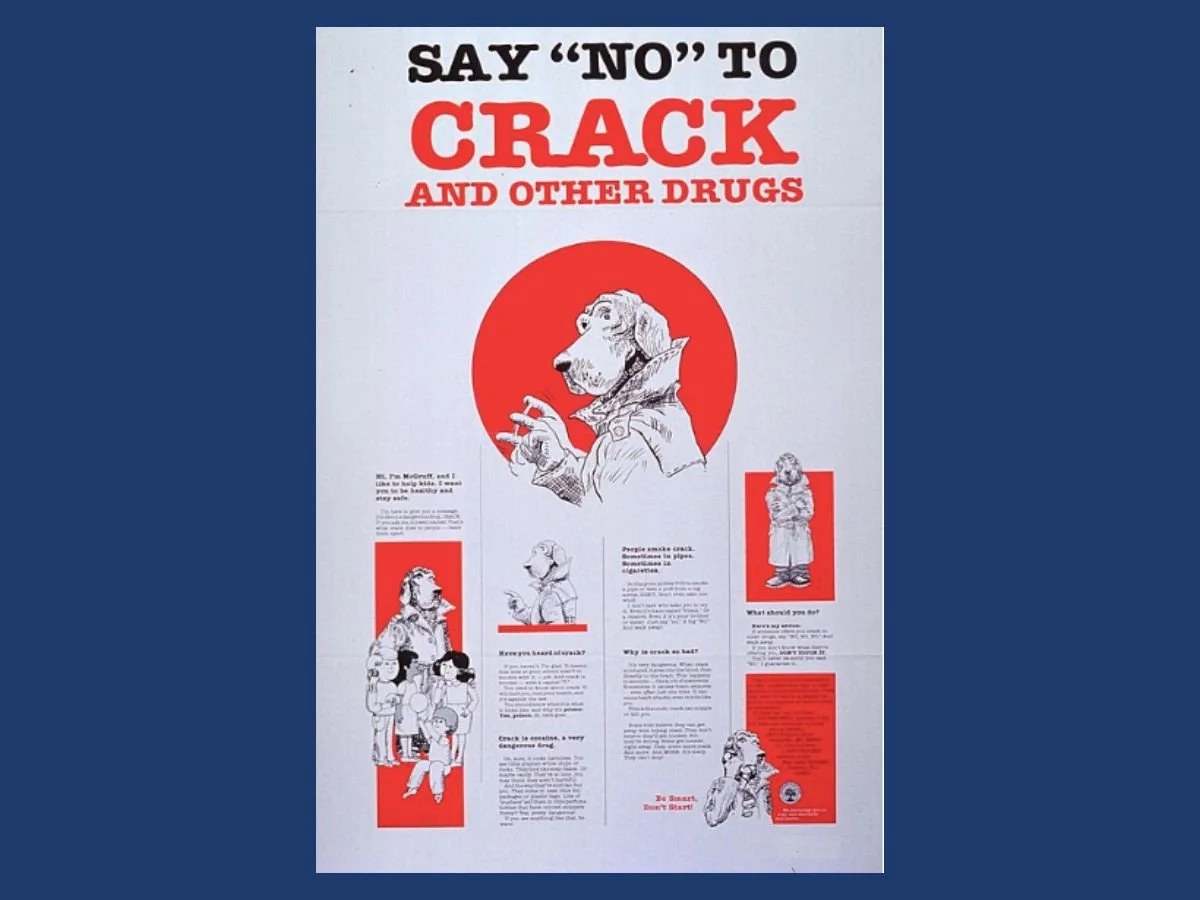
This week at The Guard Rail, we take a unique approach to marketing analysis. Instead of focusing on traditional advertising, we delve into a product that rapidly saturated the American market without a single paid ad campaign. By dissecting its distribution and cultural impact, we uncover how a dark chapter in U.S. history offers chilling lessons for modern public health and pharmaceutical strategy.
By Michael Bronfman, for Metis Consulting Services
Monday, November 10, 2025
When we think of marketing, we often picture glossy magazine ads, celebrity endorsements, or expensive television campaigns. But what happens when a product spreads nationwide without a single commercial, billboard, or corporate sponsor, yet still becomes one of the most recognized names in modern history? What can leaders in the pharmaceutical and public health fields learn from the story of crack cocaine? And how can what we learn be used to prevent harm?
In the 1980s and 1990s, crack reshaped American culture, fueled a violent underground economy, and led to some of the most severe drug laws ever enacted. Its rapid spread, dominance in the media, and creation of demand in communities that had never been affected by powdered cocaine all underscore the widespread impact of crack cocaine.
Was crack cocaine an example of the best marketing in modern history? And did the federal government, intentionally or not, help amplify its reach? To answer that, we need to look at what marketing truly means, how crack met every element of that formula, and what lessons the pharmaceutical and public health sectors can take from this dark and complex chapter.
What Marketing Really Means
At its foundation, marketing is more than advertising. It is described through the four Ps:
Product – What is sold
Price – How much does it cost?
Place – Where is it available?
Promotion – How people hear about it
A product does not need Madison Avenue to succeed. If it captures these four elements and meets real or perceived needs, it can spread rapidly. Crack cocaine, tragically, matched each of these elements with devastating accuracy.
The Product: Crack as a Chemical and Cultural Force
Powdered cocaine had long been associated with nightclubs, Wall Street, and Hollywood. It carried an image of wealth and status. Crack transformed that image by turning cocaine into a form that was accessible, powerful, and addictive.
By converting powdered cocaine into small smokeable rocks, dealers created a product with three dangerous traits:
Immediate effect – Smoking crack produced an intense, fast-acting high that snorting powder could not match.
Ease of use – The user required no syringes or complex preparation. A lighter and a simple pipe were enough.
Repeat demand – The short duration of the high created an immediate desire to use again.
From a product design perspective, crack was disturbingly effective. It was compact, easy to distribute, and designed to create repeat customers.
The Price: Cheap Enough for Everyone
Powdered cocaine was expensive, often costing hundreds of dollars for a night of use. Crack removed that barrier—a single hit costs as little as five or ten dollars.
This pricing model worked like a strategic plan, though one with deadly results:
Lowered entry cost – Anyone, regardless of income, could afford to try it.
Broadened customer base – People who could never access powdered cocaine suddenly had a stronger and cheaper alternative.
Created repeat buyers – The low price made it easy to return for more.
The price turned crack into a drug for the masses. Its accessibility was a key driver of its explosive growth.
The Place: Local and Immediate Availability
A product’s location determines how fast it spreads. Crack’s distribution model was direct, immediate, and local.
Street corners as retail space – Open-air markets made crack visible and convenient.
Apartments as distribution centers – Residential buildings became key supply points, embedding the trade within neighborhoods.
Constant supply – Users did not need to travel far or navigate formal systems; crack was always nearby.
This presence created an appearance of inevitability. In many cities, it became part of the urban landscape. From a marketing perspective, its availability strategy was flawless.
The Promotion: Media, Music, and Word of Mouth
Crack had no paid promotion, yet its visibility was unmatched. It spread through three dominant forces:
News coverage – Television news focused nightly on the so-called crack epidemic. Scenes of arrests, raids, and devastated families filled the screen. The constant exposure acted as free advertising, ensuring every household in America knew what crack was.
Music and culture – Hip hop in the 1980s and 1990s reflected the impact of crack on daily life. Artists spoke about the realities of addiction, poverty, and survival, unintentionally amplifying awareness.
Street communication – Word of mouth spread quickly. In many neighborhoods, everyone knew where to find crack and how powerful it was.
Promotion was viral long before digital media. Without spending a single dollar, crack became a national phenomenon.
The Federal Government’s Role
While dealers and users drove the market, the United States government also played a significant part in shaping the story. Some actions were deliberate, others unintentional, but together they magnified the attention crack received.
Harsh Sentencing Laws
In 1986, Congress enacted laws that punished crack possession one hundred times more severely than powdered cocaine. Five grams of crack carried the same penalty as five hundred grams of powder. These laws disproportionately impacted poor Black communities and reinforced crack’s reputation as America’s most dangerous drug.
Publicity Campaigns
Government officials kept crack in the spotlight. Presidents displayed it during televised speeches. In one case, agents arranged a drug sale across from the White House so that a crack bag could be held up before cameras. What was meant as a warning became a national advertisement.
Foreign Policy and Perception
During the same era, the United States supported military operations in Latin America. Some cocaine traffickers had indirect connections to those operations. However, no evidence proved that the government intentionally spread crack; the perception that officials ignored it fueled lasting public suspicion.
Uneven Response
Instead of pairing enforcement with treatment and prevention, federal policy focused heavily on arrests and incarceration. This imbalance allowed addiction and violence to grow unchecked.
Together, these actions turned the government into an unintentional partner in amplifying crack’s visibility. Through continuous headlines and televised events, officials ensured that the drug remained at the center of public attention.
Why Crack’s Marketing Worked
Viewed through the lens of the four Ps, the reasons are clear:
Product – Potent, addictive, and easy to use
Price – Cheap and widely accessible
Place – Available everywhere, particularly in vulnerable communities
Promotion – Fueled by nonstop media coverage, music, and political attention
From a technical perspective, cracks spread resembles a marketing success story. But unlike legitimate products, its impact was devastating.
The Social Cost
The results were catastrophic:
Addiction – Families and communities were devastated by soaring dependency rates.
Violence – Crime and territorial conflict increased sharply as dealers competed for control.
Public health collapse – Overdose deaths, mental health breakdowns, and infectious diseases followed.
Mass incarceration – Sentencing laws targeted poor communities and left lasting social damage.
The apparent success of crack’s marketing came at an unbearable human cost.
Lessons for the Pharmaceutical and Public Health Sectors
Although tragic, the crack epidemic offers valuable lessons for healthcare leaders today:
Product design drives adoption – Crack’s formulation made it irresistible. In healthcare, the design and delivery of medicines, such as pills, patches, or injectables, strongly influence patient acceptance.
Price determines access – Low cost fueled crack’s spread. Conversely, high pharmaceutical prices prevent many patients from accessing essential treatments.
Availability shapes outcomes – Crack’s local accessibility drove high use. Making vaccines and therapies readily available within communities improves uptake.
Promotion must align with culture – Crack awareness grew through music and media. Effective public health campaigns must use cultural channels to reach real audiences.
Messaging matters – Sensational coverage of crack may have glamorized it. Public health communication must inform without glamor or shock.
Was It the Best Marketing Ever
If best means fastest, cheapest, and broadest reach, then crack cocaine stands as one of the most effective marketing phenomena in modern history. Yet calling it the best overlooks the devastation it caused.
A more accurate description is that crack was the most powerful underground marketing story of the late twentieth century, and its success came with an unbearable cost.
Crack cocaine never had a commercial, a billboard, or a spokesperson. Yet it spread across the United States more effectively than most legal products. It succeeded because it checked every marketing box: a potent product, a low price, constant availability, and relentless cultural visibility.
The federal government, through sentencing laws, publicity efforts, and foreign policy decisions, amplified its reach rather than containing it. These actions helped make crack a household name.
But the cost of that success was profound. Families collapsed, crack usage destroyed communities, and generations were lost to addiction and incarceration.
For leaders in the pharmaceutical and public health fields, the story of crack cocaine is not one to admire but one to analyze. It stands as a warning of what happens when the mechanics of marketing align with desperation and inequality. The real challenge is to use those same principles of product, price, place, and promotion to expand health, access, and equity rather than harm.
Share your thoughts on how these lessons can be applied constructively in today's healthcare landscape by reaching out to us directly: email us at hello@metisconsultingservices.com or stop by our website: Metisconsultingservices.com .
Key references
The rapid rise of the crack era:
“Between 1982 and 1985, the number of cocaine users increased by 1.6 million people.” Encyclopedia Britannica
“Crack, a smokable rock form of cocaine, became prevalent in the 1980s, especially among those of lower socioeconomic status as it was sold in small, cheap quantities (e.g. …).” PMC
“The crack epidemic in the United States refers to a significant surge in crack cocaine use that spanned from the early 1980s to the early 1990s. This form of cocaine could be sold in smaller quantities at a much lower price than powder cocaine.” EBSCO+1Availability, price, and socioeconomic conditions:
“This smokable rock form of cocaine … sold in small, cheap quantities … became prevalent in the 1980s, especially among those of lower socioeconomic status.” PMC
The article “The Setting for the Crack Era: Macro Forces, Micro Consequences” describes how structural economic decline, inner-city distress, and decreased opportunities in manufacturing upheld the environment in which crack flourished. PMCPromotion/media coverage and framing:
“Early news coverage of the rapid expansions and horrors associated with the use of crack in the mid-1980s led to a great panic.” PubMed
“Popular media coverage of the crack epidemic in the 1980s helped rile up enthusiasm for more punitive laws.” JSTOR Daily
“In the U.S., crack cocaine … the U.S. response to crack cocaine was driven by media depictions of an urban, public health crisis primarily affecting Black communities in American cities.” PMCGovernment/policy role:
“The 1986 bill created minimum sentencing laws with a 100:1 disparity between powder and crack cocaine …” HistoryLabs+1
“Federal laws were passed that imposed a 100:1 ratio on cocaine versus crack offenses …” O'Neill.
“A bill to provide an emergency Federal response to the crack cocaine epidemic through law enforcement, education and public awareness, and prevention.” (S. 2715, 1985-86) Congress.gov
The OIG report on “CIA-Contra-Crack Cocaine Controversy” gives details on alleged links between contras, CIA, and networks of cocaine/ crack supply. Office of the Inspector GeneralSocial cost: violence, crime, long-term effects:
“Using cross-city variation in crack’s arrival … we estimate that the murder rate of young black males doubled soon after these markets were established, … and their rate was still 70 percent higher 17 years later.” Andrew Young School of Policy Studies
“The crack epidemic had a host of new problems for the public health and drug treatment communities.” U.S. Government Accountability Office