
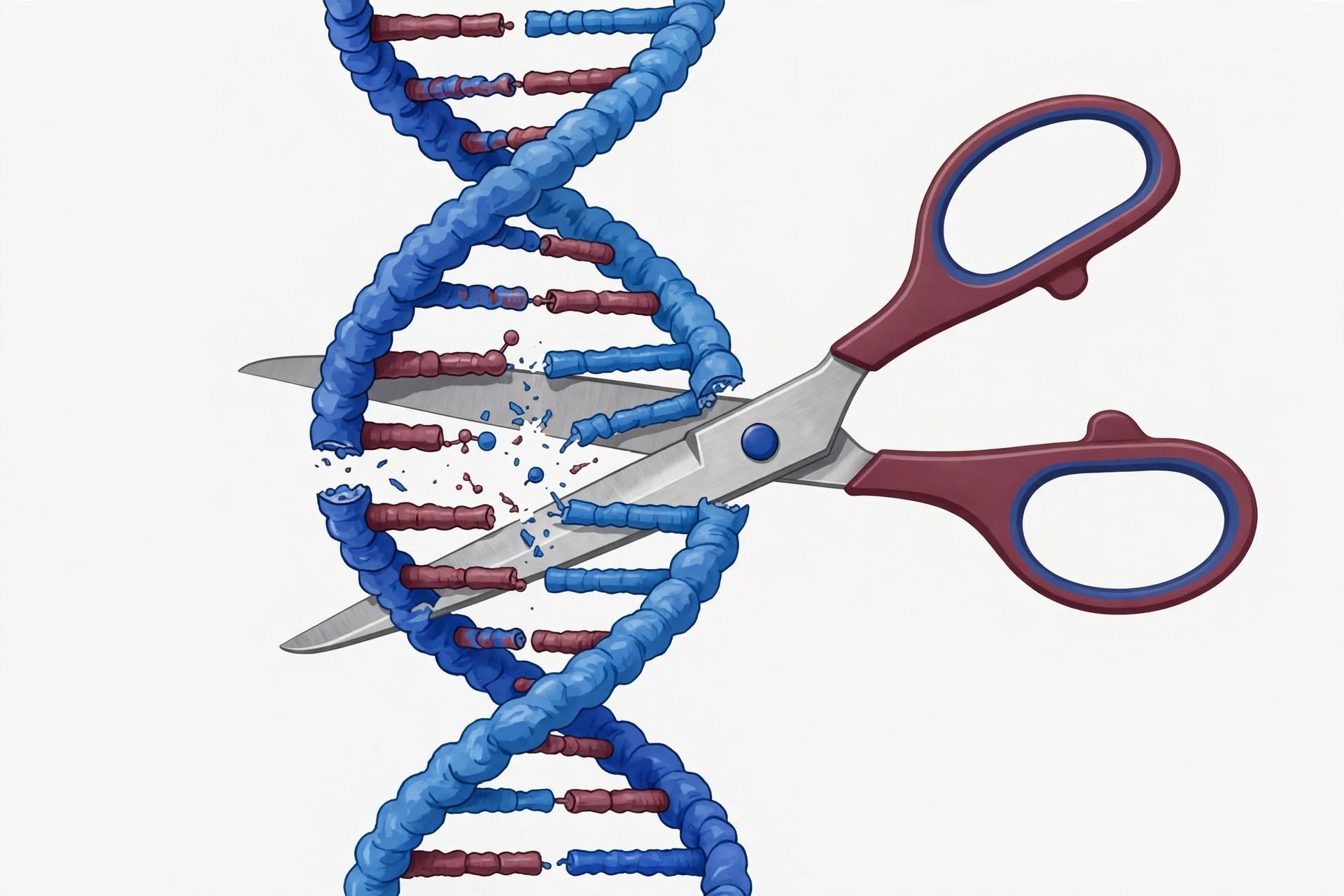
Prime Editing: Changing How We Fix Broken Genes
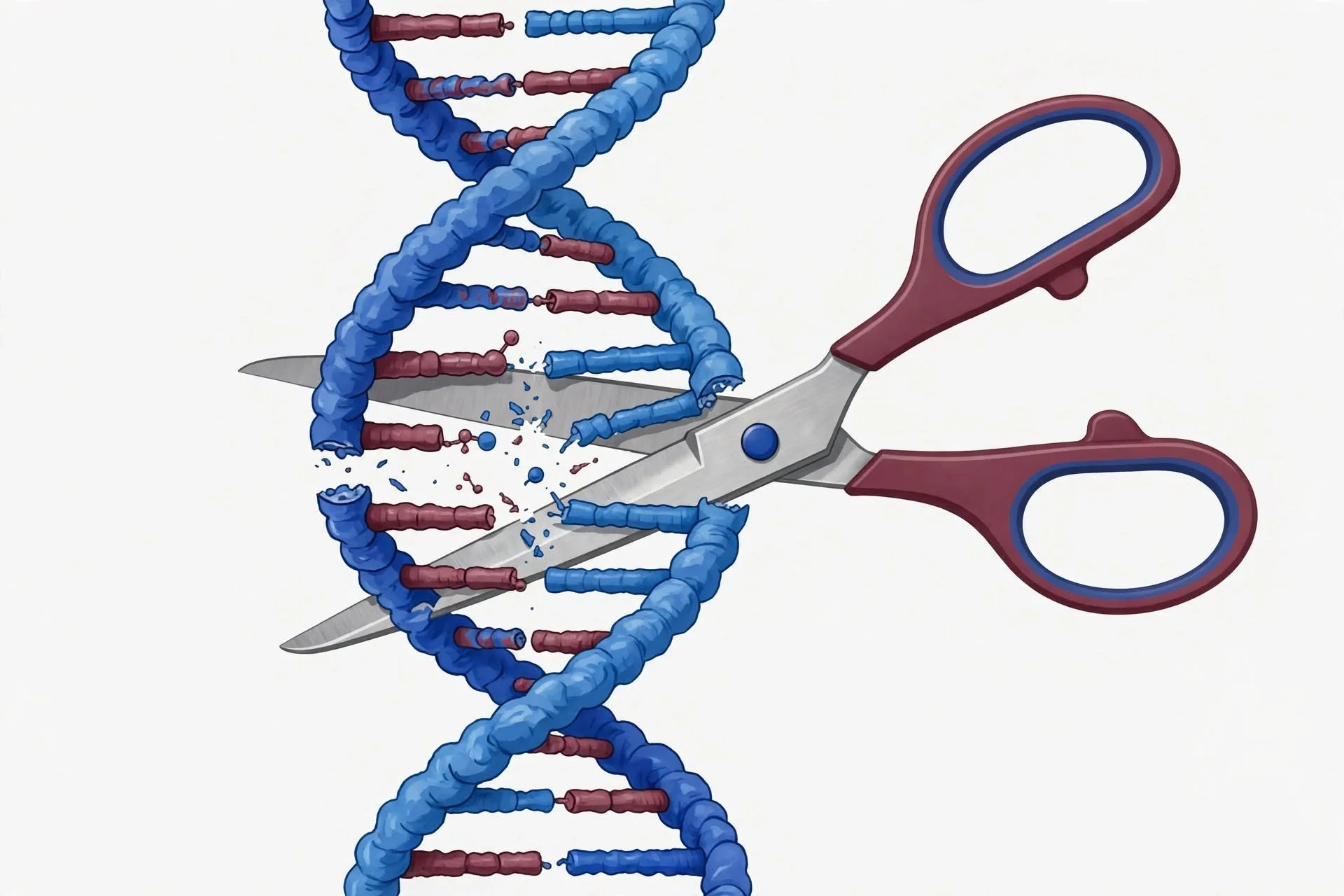
This week in the Guardrail, we explore how next-generation gene editing is moving beyond rougher cellular cuts toward surgical precision.
By Michael Bronfman
September 7, 2026
Think of it like a search-and-replace tool for human DNA.
For years, genetic medicine relied on older CRISPR tools. Older CRISPR works like molecular scissors. It cuts both strands of human DNA at a specific spot. Then, the cell tries to patch the broken DNA back together. This process can create mistakes. It can cause unwanted cuts in other parts of the genome. These mistakes are called off-target effects.
Prime editing is different. It does not cut both strands of the DNA double helix. Instead, it cuts only one single strand. This makes the editing process much safer and more precise.
Right now, prime editing is moving into a major human testing phase. Researchers are running clinical trials to see how well it works inside the human body. Early trial data focuses on diseases that affect the liver and the lungs.
How Prime Editing Works
To understand prime editing, it helps to review the main parts of the cell system.
The Target Site
Every cell carries DNA. DNA holds the instructions for life. These instructions are written in four chemical letters. They are A, T, C, and G. Sometimes, a single letter is wrong. That small error can cause a severe genetic disease.
The Search Tool
Prime editing uses a modified protein to find the exact location of the error. The system includes a custom guide sequence. This guide moves through the cell and locks onto the matching spot in the genome.
The Replace Tool
Once the tool finds the target, an enzyme goes to work. This enzyme is a reverse transcriptase. It reads new genetic instructions carried by the prime editing guide. Then, it writes those new letters directly into the target single strand of DNA. The cell integrates this corrected sequence, fixing the original error.
What is the Difference between Prime Editing and Older CRISPR Tools?
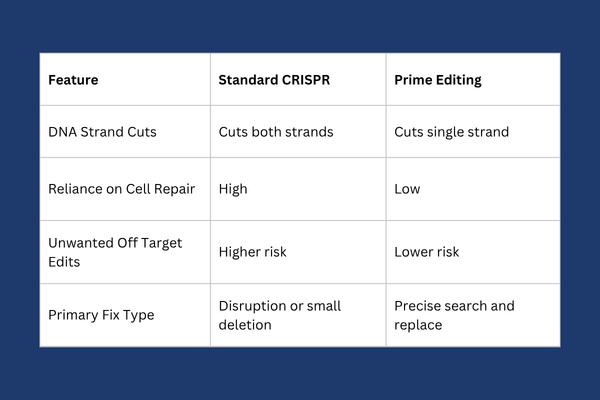
Standard CRISPR acts like a rough-cut tool. It is great for breaking a target gene so it stops working. However, standard CRISPR is less effective at making tiny, precise repairs.
Prime editing acts more like a word processor. It allows scientists to insert new DNA sequences, delete bad sequences, or swap individual chemical letters without causing double-strand breaks.
Key Medical Applications
Scientists are testing prime editing across several major therapeutic areas.
Liver Diseases
The liver is an ideal target for initial genetic treatments. Liver cells readily take up therapeutic delivery vehicles like lipid nanoparticles. Conditions such as alpha-1 antitrypsin deficiency cause toxic proteins to build up in liver cells. Prime editing can target the exact point mutation that causes the bad protein. By correcting the single-letter mistake, liver cells can start making normal, healthy proteins.
Lung Diseases
Lung tissue presents distinct challenges, but new delivery tools are making progress possible. Conditions like cystic fibrosis stem from errors in specific genes that regulate salt and fluid balance in lung tissue. Prime editing can swap out these faulty genetic sequences in lung stem cells. This can restore normal mucus flow and clear airway pathways.
Blood Disorders
Sickle cell disease and beta thalassemia stem from single-letter errors in the hemoglobin gene. Prime editing can rewrite those specific letters back to their healthy form. Because this fix avoids double-strand DNA breaks, it reduces the risk of dangerous chromosome rewiring in blood stem cells.
The Path Through Clinical Trials
Taking a new genetic therapy from the lab to patients requires careful clinical evaluation.
Preclinical Testing: Scientists test the editor in human cells grown in dishes and in animal models. They measure editing efficiency and check for off-target cuts across the whole genome.
Phase 1 Human Trials: A small group of patients receives the treatment. The main goal here is safety. Doctors monitor patients closely to ensure the immune system does not overreact to the editing tools.
Phase 2 Human Trials: Researchers test the therapy in a larger group of patients. They measure efficacy. For liver and lung diseases, doctors test if the organ begins functioning normally and if disease symptoms improve.
Phase 3 Human Trials: Large trials compare the new prime editing therapy against current standards of care. If successful, the therapy moves toward regulatory approval.
Challenges to Overcome
While prime editing holds enormous promise, several technical hurdles remain.
Delivery Mechanisms
Getting the prime editing tools inside the correct human cells remains a key challenge. Researchers use lipid nanoparticles or modified viral vectors to transport the editors. Ensuring these delivery systems reach the lung or liver without causing unwanted inflammation is a major focus of ongoing trials.
Editor Size
Prime editing systems are larger than basic CRISPR systems. The combined molecular machinery includes the nickase protein, the reverse transcriptase enzyme, and the extended guide RNA strand. Packing all these components into a single delivery vector requires advanced engineering.
Editing Efficiency
In some cell types, prime editing works with high efficiency. In non-dividing cells, the efficiency rates can drop. Researchers are tweaking the guide RNA structures and protein enzymes to boost edit success rates across all human tissue types.
Prime editing expands the capabilities of modern genetic medicine by refining how scientists interact with the human genome. Traditional gene editing frameworks often rely on creating double-strand breaks in the DNA backbone. While these early methods successfully disrupt harmful genetic pathways, they rely heavily on unpredictable cellular repair mechanisms that can introduce unwanted insertions, deletions, or structural chromosomal rearrangements. Prime editing avoids these outcomes by acting as a targeted search-and-replace system.
The architecture of a prime editor combines a modified Cas9 protein with a reverse transcriptase enzyme and a custom prime editing guide RNA. The modified Cas9, known as a nickase, cuts only a single strand of the target DNA helix rather than severing both strands completely. The engineered guide RNA performs two vital roles simultaneously: it directs the protein complex to a specific sequence within the genome and provides the fresh template sequence for the repair. Once the guide locates its matching target site and the single strand is nicked, the attached reverse transcriptase reads the new instructions written on the guide RNA and directly synthesizes the corrected DNA strand at the target site. The cell then incorporates this pristine sequence while replacing the original erroneous sequence, correcting single-letter mutations, small deletions, or precise insertions without relying on random cellular repair pathways.
Moving this technology into human clinical applications requires addressing significant biological and engineering demands, particularly surrounding delivery and tissue specificity. In vivo applications depend on delivering large molecular machinery into non-dividing or specialized adult cells. For targeted therapies focusing on the liver and lungs, researchers utilize lipid nanoparticles and viral vectors designed to protect the fragile RNA components until they cross the cellular membrane. Once inside the cytoplasm, the machinery translates into functional proteins, enters the nucleus, and executes the precise rewrite. Clinical studies monitor therapeutic efficacy alongside off-target activity across non-target tissues, ensuring that the prime editor operates solely within designated cellular populations.
Beyond single-organ applications, the broader potential of prime editing includes complex hematologic conditions, muscular dystrophies, and neurodegenerative disorders. Many human genetic diseases stem from point mutations—single nucleotide changes within a sequence of billions of base pairs. Traditional editing methods struggled to repair these point mutations cleanly without leaving behind unwanted genomic scars. By offering pinpoint accuracy, prime editing establishes a foundation for curative therapies that correct root causes rather than managing lifelong symptoms. Ongoing advancements in protein engineering continue to shrink the physical size of the reverse transcriptase domain, improve editing efficiency in quiescent cell types, and optimize guide RNA stability, bringing precise genome surgery closer to standard clinical practice.
For comprehensive background on genome editing protocols and clinical developments, explore research resources available through the National Institutes of Health at https://www.nih.gov.
Looking Ahead
Prime editing represents a major leap forward for genetic medicine. By avoiding double-strand cuts and offering true “search and replace” capability, it opens the door to treating thousands of inherited genetic conditions.
Over the next few years, clinical data from ongoing liver and lung trials will show how safely and effectively this tool operates in humans. If these trials succeed, prime editing could become the new gold standard for precise genomic medicine.
Prime editing is changing how scientists fix broken genes. For years, genetic medicine relied on older CRISPR tools. These older tools work like molecular scissors. Older CRISPR cuts both strands of human DNA at a specific spot. Then, the cell tries to patch the broken DNA back together. This process can create mistakes. It can cause unwanted cuts in other parts of the genome. These mistakes are called off-target effects.
Prime editing is different. It does not cut both strands of the DNA double helix. Instead, it cuts only one single strand. This makes the editing process much safer and more precise.
Right now, prime editing is moving into a major human testing phase. Researchers are running clinical trials to see how well it works inside the human body. Early trial data focuses on diseases affecting the liver and lungs.
Streamline your clinical development, navigate regulatory hurdles, and bring groundbreaking therapies from the lab to the clinic faster. Contact Metis Consulting Services now.

The Mitochondrial Switch: How Silencing MTCH2 Could Redefine Obesity Therapeutics

This week in the Guardrail, we explore groundbreaking research from the Weizmann Institute of Science on MTCH2—a mitochondrial target that could solve the industry's biggest GLP-1 challenge
By Michael Bronfman
August 3, 2026
The metabolic landscape has undergone a massive shift over the past few years. Incretin-based therapeutics, particularly GLP-1 receptor agonists and dual GLP-1 and GIP receptor agonists, have transformed how clinicians treat obesity and metabolic disease. Patients routinely see body weight reductions ranging from 15% to 25%, alongside improvements in glycemic control, cardiovascular risk profiles, and liver fat accumulation.
Yet, as clinical adoption expands, a significant challenge has emerged. Standard calorie restriction combined with incretin therapy causes loss of lean muscle tissue alongside fat mass. In many clinical trials, muscle loss accounts for anywhere between 25% and 40% of total weight reduced. For older adults, individuals with pre-existing sarcopenia, or patients undergoing long-term metabolic treatment, losing lean muscle mass poses genuine risks to metabolic rate, functional mobility, and overall longevity.
To solve this problem, researchers at the Weizmann Institute of Science directed their attention toward fundamental cellular energy dynamics. Their research, published in The EMBO Journal, explores Mitochondrial Carrier 2, a protein commonly known as MTCH2 or Mitch.
By silencing this single protein in human cells, scientists uncovered a cellular mechanism that increases energy expenditure while simultaneously stopping immature preadipocytes from transforming into mature, fat-storing cells.
What Is MTCH2 and Why Does It Matter?
MTCH2 is an outer mitochondrial membrane protein that plays a key role in regulating mitochondrial dynamics, lipid transport, and apoptotic signaling pathways. Mitochondria are constantly changing structures. They fuse together into connected networks or divide into smaller, individual units through a process known as mitochondrial dynamics.
Under normal physiological conditions, MTCH2 acts as a metabolic gatekeeper. It supports mitochondrial fusion and maintains organelle stability. When mitochondria fuse into dense networks, they operate at peak efficiency, generating adenosine triphosphate through oxidative phosphorylation while minimizing energy wastage.
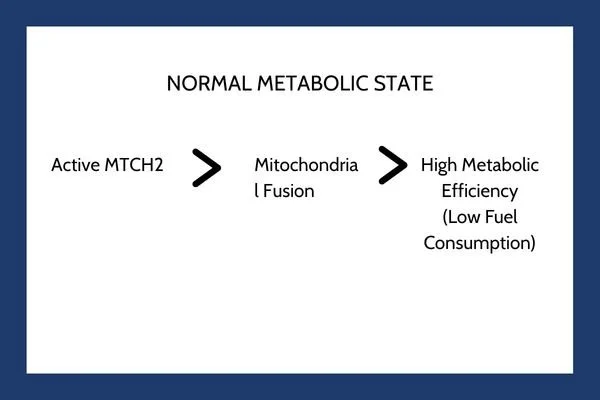
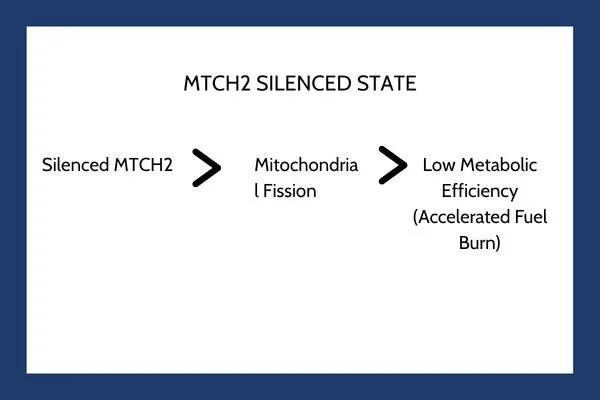
When researchers generated mouse models lacking MTCH2 in previous studies, the animals demonstrated a striking phenotype. They remained lean even when fed high fat diets and exhibited remarkable physical endurance. Translating these findings from animal models to human cellular biology remained a critical milestone.
The Mechanism: Mitochondrial Fission and Energy Demand
To evaluate whether this phenomenon holds true in humans, the research team used genetic engineering techniques to knock down or silence MTCH2 in human cell lines. The outcome was immediate and distinct.
Without MTCH2, the mitochondrial network loses its ability to fuse efficiently. Instead, the mitochondria separate into smaller, fragmented organelles through fission. This structural alteration significantly impacts cellular bioenergetics.
When mitochondria shift into a fragmented state, their coupling efficiency drops. They produce less ATP per unit of nutrient substrate consumed. To compensate for this sudden energy drop and maintain basic cellular functions, the cell undergoes a energetic scramble. It ramps up metabolic flux, consuming stored triglycerides, fatty acids, and glucose at an accelerated rate.
Key Takeaway: Silencing MTCH2 forces human cells into a continuous state of high metabolic demand. Rather than storing excess nutrients as triglycerides, the cell burns through available fuel sources just to maintain basic energetic equilibrium.
This forced energy expenditure occurs independently of classical uncoupling proteins like UCP1, which drives thermogenesis in brown adipose tissue. Instead, MTCH2 silencing fundamentally alters structural energy transfer within the outer mitochondrial membrane.
Blocking Adipogenesis: Stopping Fat Cells at the Source
The acceleration of metabolic rate is only one half of the story. The study demonstrated a second critical effect: blocking adipogenesis.
Adipogenesis is the multi step differentiation pathway through which precursor cells evolve into mature, lipid laden adipocytes. During normal adipose tissue expansion, precursor cells take up fatty acids, upregulate key transcription factors like PPAR gamma and C/EBP alpha, and accumulate large lipid droplets.
When the researchers silenced MTCH2 in human preadipocytes, the differentiation cascade halted. The cells could no longer execute the metabolic reprograming necessary to build lipid storage vessels.
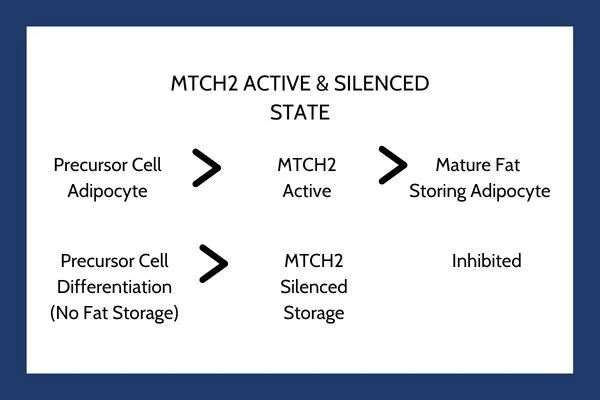
By preventing precursor cells from expanding into fully mature adipocytes, MTCH2 inhibition creates cellular resistance against fat storage. Excess carbohydrates and lipids circulating in the extracellular environment are either oxidized immediately to meet elevated baseline mitochondrial demand or cleared through alternative metabolic pathways.
Comparing Treatment Modalities: Incretins vs. MTCH2 Targets
Understanding where MTCH2 targeted mechanisms fit into the current obesity treatment landscape requires comparing them directly with established incretin therapies.
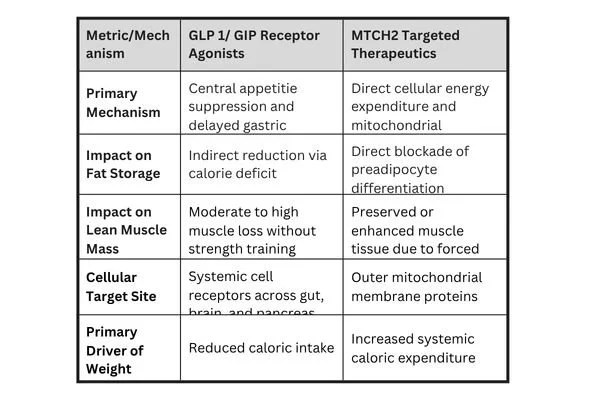
Current GLP-1 therapies act primarily through the central nervous system to reduce hunger and slow digestion, as documented in clinical resources on NCBI PubMed. While effective at reducing overall food intake, a calorie deficit created purely through reduced consumption causes the body to break down both adipose tissue and skeletal muscle protein for gluconeogenesis.
In contrast, an MTCH2-targeted mechanism acts directly at the organelle level. Because the cell demands higher energy flux to sustain itself, skeletal muscle tissue, which is dense with mitochondria, retains its structural requirement for fuel. Animal models lacking MTCH2 exhibited increased endurance capacity, suggesting that mitochondrial fragmentation in muscle tissue encourages fatty acid oxidation without promoting tissue atrophy.
Addressing the Lean Muscle Loss Dilemma
Preserving skeletal muscle during weight reduction is one of the most pressing goals in modern pharmaceutical development. Skeletal muscle is not simply a structural tissue; it is a major site of insulin-mediated glucose disposal, amino acid storage, and basal metabolic output.
When patients lose significant muscle mass during rapid weight loss:
Resting metabolic rate drops sharply, increasing the likelihood of weight regain once therapy stops.
Insulin sensitivity gains can plateau, as muscle tissue accounts for up to 80% of postprandial glucose uptake.
Physical strength and bone mineral density decrease, raising long-term cardiovascular and musculoskeletal risks.
By shifting the primary therapeutic driver from overall caloric restriction to targeted cellular energy expenditure, MTCH2 pathways offer a potential strategy for selective lipid reduction. Because the mechanism directly blocks adipogenesis while driving lipid burning within existing cells, it spares structural proteins needed for skeletal muscle integrity.
Challenges and Considerations for Drug Development
Translating cellular discovery into safe, orally bioavailable or injectable therapeutics presents significant pharmacological challenges. Because MTCH2 is expressed across multiple tissue types, drug developers must address several critical factors:
1. Tissue Specificity and Delivery Mechanisms
MTCH2 exists in cardiac, hepatic, renal, and central nervous system tissues. Inducing indiscriminate mitochondrial fragmentation across all organs could disrupt tissue function, particularly in high-demand organs like the heart. Future therapeutic strategies may require targeted delivery vehicles, such as antibody drug conjugates or lipid nanoparticles designed specifically for white adipose tissue and skeletal muscle.
2. Small Molecule Modulation versus Complete Knockdown
In genetic engineering experiments, researchers completely silence or knock out the target gene. In clinical medicine, total inhibition of an outer mitochondrial membrane protein may trigger unwanted cellular stress or apoptotic cascades over time. Drug discovery efforts will likely focus on allosteric modulators that partially reduce MTCH2 activity or disrupt specific protein-protein interactions without abolishing mitochondrial stability entirely.
3. Monitoring Systemic Biomarkers
Increasing baseline energy expenditure generates metabolic byproducts, heat, and reactive oxygen species. Clinical protocols evaluating MTCH2 modulators will need to monitor serum lactate levels, systemic inflammatory markers, mitochondrial health indicators, and body temperature regulation during early-phase safety trials.
Future Outlook for Next Generation Anti Obesity Therapeutics
The identification of MTCH2 as an energy expenditure switch highlights a fundamental shift in metabolic research. While first-generation anti-obesity drugs focused heavily on central nervous system appetite regulation, next-generation approaches aim to directly modify cellular bioenergetics and tissue composition.
Combinational approaches may represent the future of metabolic medicine. Combining a low-dose GLP-1 receptor agonist to manage appetite with a tissue-targeted MTCH2 modulator could allow clinicians to achieve profound lipid reduction while entirely preventing lean muscle loss.
If your organization is ready for the next frontier of metabolic drug development a. to navigate complex R&D landscapes, with precision strategy and deep scientific foresight, contact Metis Consulting Services today

Background of the Breakthroughs of mRNA
By Michael Bronfman, June 23, 2025

Dr. Katalin Kariko, Nobel Prize winning scientist, mRNA vaccine pioneer
This week, The Guard Rail is diving into a topic that has truly revolutionized modern medicine: Messenger RNA, or mRNA. What was once merely a fascinating concept in biology has rapidly become a groundbreaking platform, and its incredible success in the COVID-19 vaccine development is just the beginning. Join us as we explore the captivating scientific journey of mRNA, highlighting the decades of innovation in molecular biology, chemistry, and nanotechnology that led to its triumph. We will also spotlight the key innovators who made it all possible, with a special nod to the remarkable influence of Dr. Katalin Karikó and Dr. Drew Weissman and peek into the exciting future promise of mRNA-based therapeutics.
The Arrival of a New Therapeutic Frontier
Messenger RNA (mRNA) has rapidly transitioned from a biological curiosity to a revolutionary platform in medicine. Its recent triumph—vaccine success against COVID-19—stemmed from decades of incremental yet transformative molecular biology, chemistry, and nanotechnology breakthroughs.
1. From Molecular Discovery to Therapeutic Aspiration
1961 – mRNA Identified
Scientists first recognized mRNA as the key intermediary transmitting genetic information from DNA to ribosomes. This discovery laid the molecular foundation for engineering mRNA for therapeutic use.
1990 – Synthetic mRNA Demonstrated
Jon A. Wolff and colleagues injected synthetic mRNA into mouse muscle, successfully producing proteins in vivo—an early hint at mRNA's therapeutic potential. See: time.com+3penntoday.upenn.edu+3science.org+3en.wikipedia.org+4en.wikipedia.org+4en.wikipedia.org+4.
Despite the promise, these pioneering experiments raised fundamental obstacles: mRNA's inherent fragility, strong immunogenicity, and inefficient cellular delivery.
2. Cracking the Code: Reducing Immunogenicity via Nucleoside Modification
1997–1998 – The Penn Collaboration Begins
At the University of Pennsylvania, biochemist Katalin Karikó and immunologist Drew Weissman formed a partnership driven by a shared interest in harnessing mRNA. See: nature.com+15bu.edu+15teenvogue.com+15.
2005 – Seminal Discovery
They revealed that unmodified synthetic mRNA activates Toll‑like receptors in dendritic cells, triggering inflammation. Crucially, swapping out uridine with pseudouridine (or other modified nucleosides) dramatically suppressed this response, mitigating immunogenicity and enhancing protein translation. See: jbiomedsci.biomedcentral.com+15nobelprize.org+15jci.org+15.
These findings marked a watershed—chemical modification of mRNA transformed it into a viable therapeutic candidate, earning the duo the 2023 Nobel Prize in Physiology or Medicine. See: en.wikipedia.org+3time.com+3nobelprize.org+3
3. Packaging Success: Lipid Nanoparticles Enable Delivery
Origins from siRNA Therapeutics
Before mRNA use, lipid nanoparticle (LNP) technology had been trialed for siRNA drug delivery and achieved FDA approval in 2018 with Onpattro. See: pubmed.ncbi.nlm.nih.gov+15en.wikipedia.org+15statnews.com+15.
Development of mRNA-LNP Systems
Research in the late 2000s and 2010s refined LNP formulations tailored to shield mRNA from degradation, enable cellular entry, and facilitate efficient endosomal escape. See: mdpi.compubs.rsc.org.
Notable innovations include ionizable lipids, helper lipids, cholesterol, and PEGylated lipids, collectively optimizing pharmacokinetics, stability, and safety. See: mdpi.com.
Clinical Translation
This chemistry and engineering synergy culminated in the approval and deployment of the first lipid nanoparticle-based mRNA vaccines during the COVID-19 pandemic.
4. Pre-Pandemic Explorations
Even before 2020, mRNA therapeutics were under active development:
Cancer Vaccines: Preclinical and early clinical trials featured mRNA encoding tumor-specific antigens delivered via LNPs to prime anti‑tumor immunity.
Infectious Disease Vaccines: mRNA vaccines targeting rabies, Zika, influenza, and HIV entered early human trials, demonstrating both feasibility and promise. See: arxiv.org+3teenvogue.com+3wired.com+3.
Protein Replacement and Gene Editing: Applications using LNP-delivered mRNA for protein replacement therapies and CRISPR editing emerged in preclinical stages. See: mdpi.com+2pmc.ncbi.nlm.nih.gov+2pubs.rsc.org+2.
Pioneering Companies: Moderna (founded 2010) and BioNTech (2008) both built platforms centered on Karikó/Weissman technology and LNPs. BioNTech later partnered with Pfizer to develop its COVID-19 vaccine regimen.
5. The COVID‑19 Catalyst & Rapid Deployment
When SARS-CoV‑2 emerged in early 2020, the platform's modular nature and advanced formulations enabled unprecedented speed:
Fast Translation: Within days of the SARS‑CoV‑2 genome release, Moderna and Pfizer‑BioNTech initiated vaccine development. See: penntoday.upenn.edu+9nature.com+9en.wikipedia.org+9.
Clinical Trials: Moderna began human trials in March 2020. By December, both mRNA‑1273 (Moderna) and BNT162b2 (Pfizer‑BioNTech) secured Emergency Use Authorization based on ~95% efficacy. See: nature.com.
This success validated decades of incremental innovation: nucleoside-modified mRNA + optimized LNPs = real-world impact.
6. Recognition: The Nobel and Beyond
The scientific community honored Karikó and Weissman's pivotal contributions:
2023 Nobel Prize: Awarded "for their discoveries concerning nucleoside base modifications that enabled the development of effective mRNA vaccines against COVID‑19". See: statnews.comtime.com+6en.wikipedia.org+6time.com+6.
Media Spotlight: Wired even labeled it "the beginning of an mRNA vaccine revolution". See: penntoday.upenn.edu+3wired.com+3en.wikipedia.org+3.
7. Beyond Vaccination: Broadening the mRNA Horizon
The mRNA platform's adaptability has ignited diverse research avenues:
Infectious Diseases: Ongoing trials for HIV, influenza, RSV, CMV, EBV, and even pan-coronavirus vaccines. See: teenvogue.com+1frontiersin.org+1.
Cancer Therapies: Personalized mRNA vaccines targeting neoantigens, mRNA‑encoded cytokines, and CAR-T therapies are progressing in clinical evaluation.
Gene Editing & Protein Replacement: mRNA-driven CRISPR approaches for in vivo editing, and LNP-encoded enzyme replacement therapies (e.g., for genetic disorders) are expanding mdpi.com+1jbiomedsci.biomedcentral.com+1.
Neurological Disorders: Research is underway to deliver mRNA across the blood‑brain barrier—potentially addressing Alzheimer's, Parkinson's, and others mdpi.com+2teenvogue.com+2theguardian.com+2.
Autoimmunity & Regenerative Medicine: Early-stage efforts are exploring mRNA-induced immune tolerance and tissue regeneration applications.
8. Continued Innovation & Challenges
Despite remarkable success, key areas require continued innovation:
Delivery Precision: Next-gen LNPs (e.g., organ-selective or SORT nanoparticles) aim to enable tissue-specific targeting beyond the liver en.wikipedia.org+1arxiv.org+1.
Stability & Design Optimization: Advanced methods like codon optimization and structure-prediction algorithms (e.g., LinearDesign) enhance mRNA stability and translational efficiency arxiv.org.
Manufacturing Scale & Supply: Scaling up mRNA and LNP production, maintaining cold chain logistics, and ensuring global access remain formidable obstacles wired.com+1mdpi.com+1.
Safety & Regulation: Comprehensive long-term safety monitoring—especially with novel ionizable lipids and repeated dosing—is critical pmc.ncbi.nlm.nih.gov.
Cost & Accessibility: Ensuring equitable pricing and widespread distribution, especially to low- and middle-income countries, remains essential.
9. Timeline of Key Milestones
Year Breakthrough
1961 Discovery of mRNA
1990 Synthetic mRNA expression in mice
1997–98 Karikó & Weissman collaboration begins
2005 Pseudouridine‑modified mRNA suppresses immune activation
2018 FDA approves LNP‑siRNA therapy Onpattro
2020 First mRNA COVID‑19 vaccine trials and rollout
2023 Nobel Prize for Karikó & Weissman
10. In Conclusion: A Platform Reborn
The mRNA story is a testament to scientific persistence, collaboration, and cumulative innovation. From a molecular curiosity to a global vaccine solution, the ascent of mRNA illustrates how challenges—fragility, immunogenicity, delivery—were methodically overcome with modified nucleosides and precision lipid carriers.
The result? A modular, adaptable therapeutic platform poised to revolutionize vaccines, cancer therapy, gene editing, and more. Let this narrative serve both as a chronicle of what has been achieved and a roadmap for what's next in the pharma world.
Your Organization and bench-to-bedside Drug Development with Metis Consulting Services
The groundbreaking advancements in mRNA technology demonstrate the power of specialized expertise and meticulous scientific guidance in navigating complex drug development landscapes. Just as decades of dedicated research led to the mRNA revolution, your next therapeutic breakthrough requires seasoned insight and strategic direction.
Don't leave your innovative drug development projects to chance. Let Metis Consulting Services help to leverage unparalleled expertise in navigating the intricate pathways of pharmaceutical research and development. We provide comprehensive guidance, from early-stage discovery to clinical translation, ensuring your projects are optimized for success.
Contact Metis Consulting Services today to unlock the full potential of your drug development pipeline and turn scientific aspirations into real-world impact.
Be sure to check out our podcast, Queens of Quality for more informative and interesting conversations about this and more bio/pharma hot topics.

What Advances in Medicine and Healthcare Look Like: And Why We Must Keep Striving for More
We delve into the cutting edge of medical innovation, highlighting advancements in precision medicine, the revolutionary potential of mRNA and next-generation vaccines, and the transformative power of regenerative medicine and gene editing.

Written by Michael Bronfman, June 18, 2025
Welcome back to the Guard Rail! Metis Consulting Services’ Weekly Blog.
We delve into the cutting edge of medical innovation, highlighting advancements in precision medicine, the revolutionary potential of mRNA and next-generation vaccines, and the transformative power of regenerative medicine and gene editing. It also explores how digital health and artificial intelligence are changing the delivery and monitoring of care. And why continuous striving for more is so important, as is our continued commitment to pushing the boundaries of what's possible. In the past century, medicine has undergone a truly remarkable transformation, shaping how we live, age, and survive. Diseases that once claimed millions of lives are now largely under control, and concepts once confined to science fiction, like organ transplantation and mRNA vaccines, are now routine. This article reminds us that these incredible achievements are not endpoints, but rather stepping stones.
Let’s dig in,
The Ever-Expanding Frontier of Medical Progress
Advances in medicine and healthcare come in many forms: new drugs, improved diagnostics, better delivery systems, and increasingly personalized care. The 21st century has ushered in an era of biomedical innovation characterized by speed, precision, and complexity. Yet, many of the most transformative advances are those still in progress or just beyond the horizon.
1. Precision Medicine
Precision medicine has evolved from a buzzword into a foundational approach to healthcare. By tailoring treatment to an individual's genetic makeup, environment, and lifestyle, we are beginning to deliver more effective and less harmful therapies. In oncology, for instance, biomarker-driven therapies now allow oncologists to match cancer patients with targeted drugs for specific genetic mutations. Drugs like trastuzumab (Herceptin) for HER2-positive breast cancer or osimertinib (Tagrisso) for EGFR-mutant lung cancer are just the beginning.
In the future, precision medicine could redefine treatment not just in cancer but in cardiovascular disease, neurodegenerative disorders, autoimmune conditions, and rare genetic diseases. Combined with AI and real-world data, it offers a future where treatments are not just reactive but preemptive.
2. mRNA and Next-Generation Vaccines
The COVID-19 pandemic showcased the power of mRNA technology. In less than a year, mRNA vaccines were designed, tested, and deployed at scale, protecting millions from a novel virus. But this was only the tip of the iceberg.
mRNA platforms are now being explored for a range of infectious diseases:Zika, malaria, influenza, as well as for personalized cancer vaccines and autoimmune conditions. Unlike traditional vaccines, mRNA-based therapies can be rapidly adjusted and manufactured, making them ideal tools for a world facing increasingly complex public health threats.
3. Regenerative Medicine and Gene Editing
Stem cell therapies and regenerative medicine offer the tantalizing possibility of repairing damaged tissues or organs. From restoring sight in retinal diseases to regenerating heart muscle after a heart attack, regenerative medicine is becoming more real every year.
Meanwhile, CRISPR and other gene-editing technologies are poised to revolutionize the treatment of genetic disorders. In 2023, the first CRISPR-based therapy for sickle cell disease and beta-thalassemia gained regulatory approval. As the technology matures, the list of treatable genetic conditions will grow, possibly eradicating inherited diseases at their source.
4. Digital Health and AI
From wearable biosensors to smartphone-enabled diagnostics, digital health is changing how care is delivered and monitored. Artificial intelligence enhances radiology, pathology, and even clinical decision-making by detecting patterns invisible to the human eye. Remote monitoring tools allow for chronic conditions like diabetes and hypertension to be managed at home, increasing adherence and reducing hospitalizations.
Large language models (LLMs) and AI assistants are beginning to support physicians with documentation, diagnosis, and even treatment recommendations. While these tools require careful validation and oversight, they also promise to alleviate clinician burnout and democratize access to medical expertise.
Why Keep Striving for More?
While the current landscape of healthcare innovation is impressive, resting on these laurels would be a mistake. Here is why:
1. Unmet Medical Needs Still Abound
For all our advances, there remain countless diseases without effective treatments. Alzheimer's disease continues to ravage millions, and current therapies only modestly slow progression. Pancreatic cancer has a 5-year survival rate of just 12%. Rare diseases, affecting an estimated 300 million people worldwide, remain largely untreated or undiagnosed due to limited commercial incentive and research funding.
Infectious disease threats, both familiar (tuberculosis, HIV) and new, (Nipah virus, antimicrobial resistance) persist and evolve. The rise of antibiotic resistance is especially concerning, with the World Health Organization labeling it a "silent pandemic" that could kill 10 million people annually by 2050 if left unchecked.
2. Health Inequities Persist
Medical advances often reach the privileged before they reach the vulnerable. From access to diagnostics and medicines to disparities in healthcare delivery, equity remains a persistent challenge. We must strive for more innovation and broader access to its benefits.
Digital health, telemedicine, and decentralized clinical trials have shown promise in expanding access. However, innovation must be coupled with policy, infrastructure, and global health initiatives that prioritize underserved populations to truly close the gap.
3. Climate Change and New Public Health Threats
The climate crisis is reshaping health landscapes. Heatwaves, natural disasters, and changing disease vectors are increasing the burden of respiratory illness, mental health conditions, and vector-borne diseases. Innovations in public health surveillance, mobile health clinics, and environmental diagnostics will be essential to mitigate these risks.
Moreover, as the COVID-19 pandemic proved, we must be prepared for future pandemics. Continued R&D into vaccine platforms, diagnostic agility, and global response frameworks is non-negotiable.
4. The Pace of Science Is Accelerating—We Can't Afford to Fall Behind
Biomedical science today is not incremental—it is exponential. Tools like CRISPR, AI, spatial omics, and quantum computing are accelerating discovery at unprecedented speed. If we stop investing in innovation, we won't merely stagnate; we will fall behind a rapidly advancing frontier.
Public and private research funding must match this acceleration. Delays in translating research into practice can mean years of suffering for patients waiting for a cure, or even a diagnosis.
How We Can Continue Advancing
So, how do we ensure that innovation continues, not just in volume but in impact?
1. Sustain Research Funding
Innovation doesn't happen in a vacuum. It requires sustained, strategic investment in basic science, translational research, and early-stage biotech development. Governments, philanthropic organizations, and private investors all play a role.
In the U.S., NIH and NSF funding remain essential drivers of global biomedical leadership. In Europe, initiatives like Horizon Europe support cross-border collaboration. Around the world, new research hubs are emerging in Asia, the Middle East, and Africa, signaling a more globalized innovation ecosystem.
2. Support Regulatory Agility
Medical innovation is only useful if it reaches patients. Regulatory bodies like the FDA, EMA, and MHRA must continue evolving to balance speed with safety. Adaptive trial designs, real-world evidence, and conditional approvals can get life-saving therapies to patients faster without compromising rigor.
Regulators must also engage with emerging technologies early—such as AI and gene editing—so that frameworks evolve alongside innovation rather than lagging behind.
3. Strengthen Public-Private Collaboration
Some of the most significant medical breakthroughs—like the COVID-19 vaccines—have emerged from partnerships between academia, industry, and government. We need more of this.
Collaboration is critical, whether it is developing antibiotics, advancing rare disease research, or launching digital health platforms. When aligned around patient needs, these partnerships can combine the agility of startups, the rigor of academia, and the scale of industry.
4. Foster Ethical Innovation
With new capabilities come new responsibilities. As we edit genes, collect personal health data, and automate medical decisions, we must build systems that protect individual rights, ensure transparency, and prioritize patient trust.
Ethical frameworks, patient involvement, and inclusive trial design must be built into innovation from the ground up—not added on after the fact.
A Call to Keep Pushing Forward
It's easy to marvel at the milestones we've achieved in healthcare and medicine. From genome sequencing to CAR-T therapy, the progress is undeniable. This is not a time to become complacent. Innovation in medicine is not a luxury, it is a necessity. Every disease left untreated, every patient without access, and every preventable death is a reminder of why we must keep striving for more. The future of healthcare is not just about curing diseases, it is about creating systems that are smarter, more equitable, and more resilient.
Pharma and biotech leaders, clinicians, regulators, investors, and policymakers all have a part to play. By supporting science, embracing collaboration, and championing the patient's voice, we can ensure that the next chapter of medicine is even more transformative than the last.
In the end, the reason we keep pushing is simple: because our lives are worth it.