

Public Health and the Future of Psychedelics
We’re diving into how the medical community is trading in the "daily pill" grind for a total brain reboot using some very trippy natural allies. "The Guard Rail Blog" breaks down how these old-school plants, (psychedelics) are becoming the new heroes of mental health.

We’re diving into how the medical community is trading in the "daily pill" grind for a total brain reboot using some very trippy natural allies. "The Guard Rail Blog" breaks down how these old-school plants are becoming the new heroes of mental health.
By Michael Bronfman
April 6, 2026
The way we look at mental health is going through a massive change. For many years, people who struggled with deep sadness or fear had very few options. They could talk to a therapist, or they could take a daily pill. While these things help many people, they do not help everyone. This is why scientists are now looking at a group of natural medicines called psychedelics. These are not new, but the way we use them in medicine is very fresh. This shift could change public health for every person on the planet.
What Are Psychedelics
Psychedelics are substances that change how a person perceives the world. Some come from plants like certain types of mushrooms or cacti. Others are made in labs by chemists. When a person takes them, they often experience changes in their thoughts and feelings. In the past, people thought of these as drugs for parties. Today, the medical community sees them as a way to reboot the human brain.
The most famous of these is psilocybin, which is found in mushrooms. Another is MDMA, which is being studied for people who have lived through very scary events. There is also ketamine, which is already being used in many clinics today. These tools are being tested to see if they can fix the root of mental health problems instead of just covering up the pain.
The Mental Health Crisis
Public health officials are worried because mental health issues are rising. More people than ever feel lonely or stressed. This is a problem for the whole community. When people are not mentally healthy, they have a harder time working and taking care of their families. It costs the economy a lot of money, and it causes a lot of suffering.
Traditional medicines often take weeks to start working. Sometimes they have side effects that make people want to stop taking them. Psychedelics are different because they often work very fast. In some studies, people feel better after just one or two sessions. This speed is why public health experts are so interested. If we can help people faster, we can improve the health of the entire public.
How the Brain Changes
To understand why this is the future, we have to look at how the brain works. Think of your brain like a hillside covered in snow. Your thoughts are like sleds going down that hill. Over time, you go down the same paths so many times that deep ruts form. These ruts are like habits of thinking. If you are depressed, your sled is stuck in a sad rut.
Psychedelics act like a fresh layer of snow. They cover up those old ruts so you can slide in a new direction. This is a scientific process called neuroplasticity. It means the brain is able to change its shape and its connections. This gives people a chance to learn new ways of thinking and feeling. You can learn more about this process at the National Institutes of Health website, which tracks brain research.
The Role of Therapy
One big mistake people make is thinking that the medicine does all the work. In the future of public health, the medicine is only half of the treatment. The other half is talking to a professional. This is called psychedelic-assisted therapy.
A patient takes the medicine in a quiet room with a doctor or a guide. After that experience, they spend many hours talking about what they felt. This helps them make sense of their thoughts. Without the therapy, the medicine might not lead to a permanent change. Public health systems are now trying to figure out how to train enough therapists to help millions of people. This is a huge task.
Why This Matters for the Public
If these treatments become legal and common, they could save the public health system billions of dollars. People who are mentally healthy are more likely to stay physically healthy, too. There is a strong link between the mind and the body. When the mind is at peace, the heart and the immune system work better.
We are also seeing that these medicines might help with more than just sadness. They are being studied for people who want to quit smoking or drinking. Addiction is a major public health crisis. If a mushroom can help someone stop a serious addiction, it saves lives and keeps families together. The Johns Hopkins Center for Psychedelic and Consciousness Research is doing incredible work to prove how this works.
The Challenges Ahead
Even though the future looks bright, there are many hurdles to jump. First, these medicines are still illegal in many places. Governments have to revise older laws in light of new science. This takes a long time because leaders want to be sure that it is safe for everyone.
Second, these treatments can be expensive. Since you need a doctor and a therapist to be with you for many hours, the cost adds up. For this to be a true public health win, insurance companies need to help pay for it. If only rich people can access this help, then it is not a solution for the whole public. We need to make sure that everyone has access to the best care, regardless of how much money they have.
Safety and Education
Public health is also about education. We need to teach the public that these are powerful tools. They are not toys. Taking them without a doctor can be dangerous for some people, especially those with certain heart conditions or family histories of specific mental health issues.
Education helps remove the stigma. For a long time, people were ashamed to talk about using these substances. Now that the science is coming out, the shame and fear are lessening. When people are not afraid, they are more likely to seek help. You can find excellent resources for education at the Multidisciplinary Association for Psychedelic Studies. They have been working for decades to bring this science to the public.
The Future of Clinics
In the next ten years, you might see clinics opening in your neighborhood that look very different from a standard hospital. These clinics will be designed to be comfortable and calm. They will focus on the whole person. You might go there for a session and then have a follow-up plan that includes exercise and healthy eating.
This is what many experts call integrative medicine. It means combining the best of nature with the best of modern technology. This is the ultimate goal for public health. We want a system that does not just give out pills but actually helps people build a better life.
New Research in 2026
As we move through 2026, the data is becoming very clear. New papers are showing that the benefits of these treatments can last for a year or longer after just a few sessions. This is a huge deal for public health. Most mental health pills have to be taken every single day for years. If we can give someone a treatment that lasts for a year, it is much better for their body and their wallet.
The research is also looking at how these medicines can help the elderly. As people get older they sometimes feel more isolated or afraid. Helping the older generation feel connected and happy is a major goal for health officials. The future of psychedelics includes people of all ages.
Impact on Communities
When even one person in a community gets healthy, it has a ripple effect. They are a better parent, a better neighbor, and a better worker. This is how public health truly works. It is about the health of the group. If we can use these new tools to heal the minds of many people, we will see safer and happier cities.
We are already seeing some cities and states change their rules. This is like a laboratory where we can see what happens when these tools are available. So far, the results are very promising. People are finding relief where they could not find it before.
How to Get Involved
If you are interested in the future of these medicines, you can stay informed by reading reputable sources. It is important to look at websites that use real science and data. The National Alliance on Mental Illness is a great place to start. They provide information on all kinds of treatments and how to find support in your area.
You can also talk to your local leaders about the importance of mental health research. The more the public asks for these tools, the faster the government will work to make them safe and legal. Public health is a team effort, and every voice matters.
The future of public health and psychedelics is full of hope. We are moving away from old ideas and embracing a new way of healing the brain. By using natural substances and therapy together, we can fix the root causes of mental suffering.
This journey will take time, but the science is on our side. We are learning how to regrow brain cells and how to break bad habits. We are learning how to connect with each other again. This is more than just medicine. It is a new way to live. The future is bright, and it is growing right under our feet. Appendix 1California Psychedelic Research Centers
Capitalize on the Neuro-Revolution. The next multi-billion dollar frontier in healthcare isn't just about managing symptoms—it’s about rewriting the brain’s architecture. Contact Metis Consulting Services today to strategically position your organization or your portfolio at the intersection of breakthrough science and scalable public health solutions.
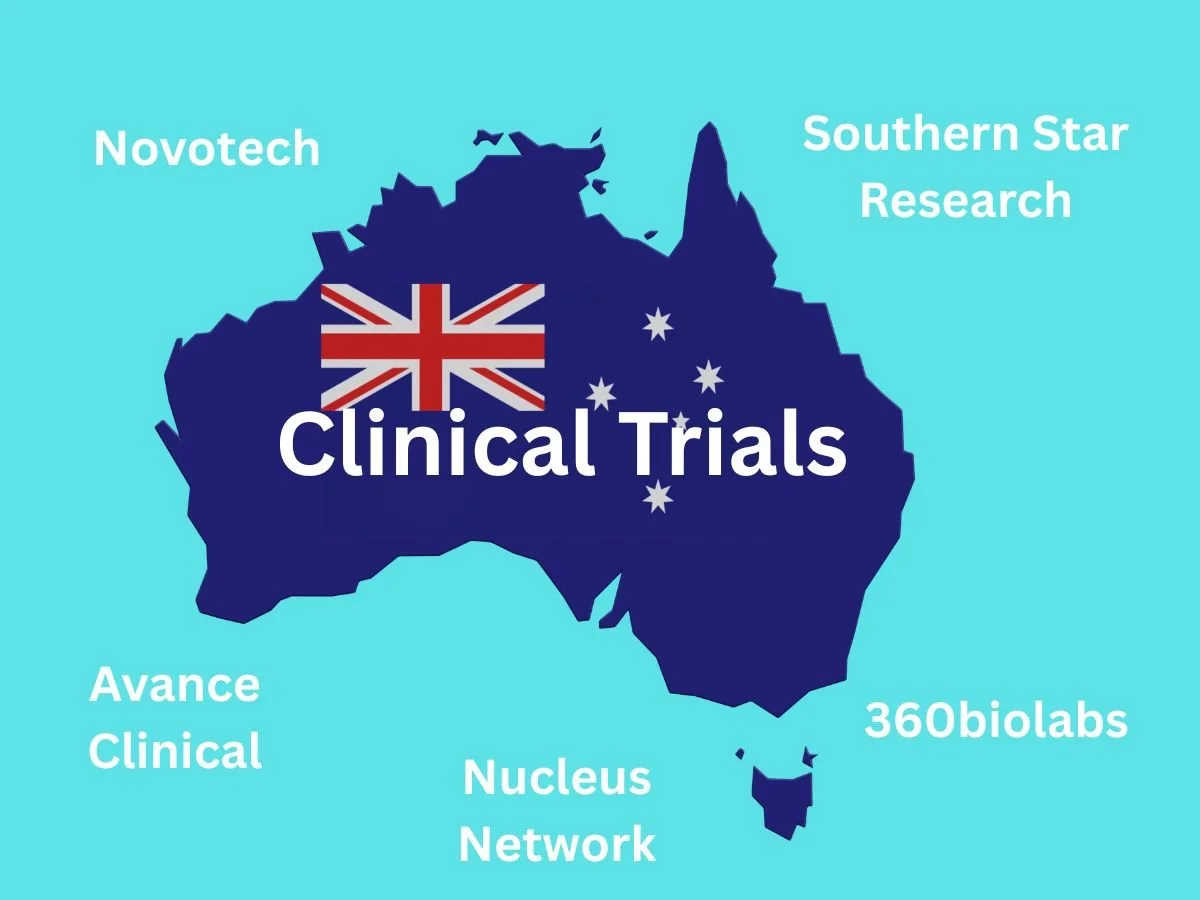
The Australian Advantage in Early Stage Clinical Trials
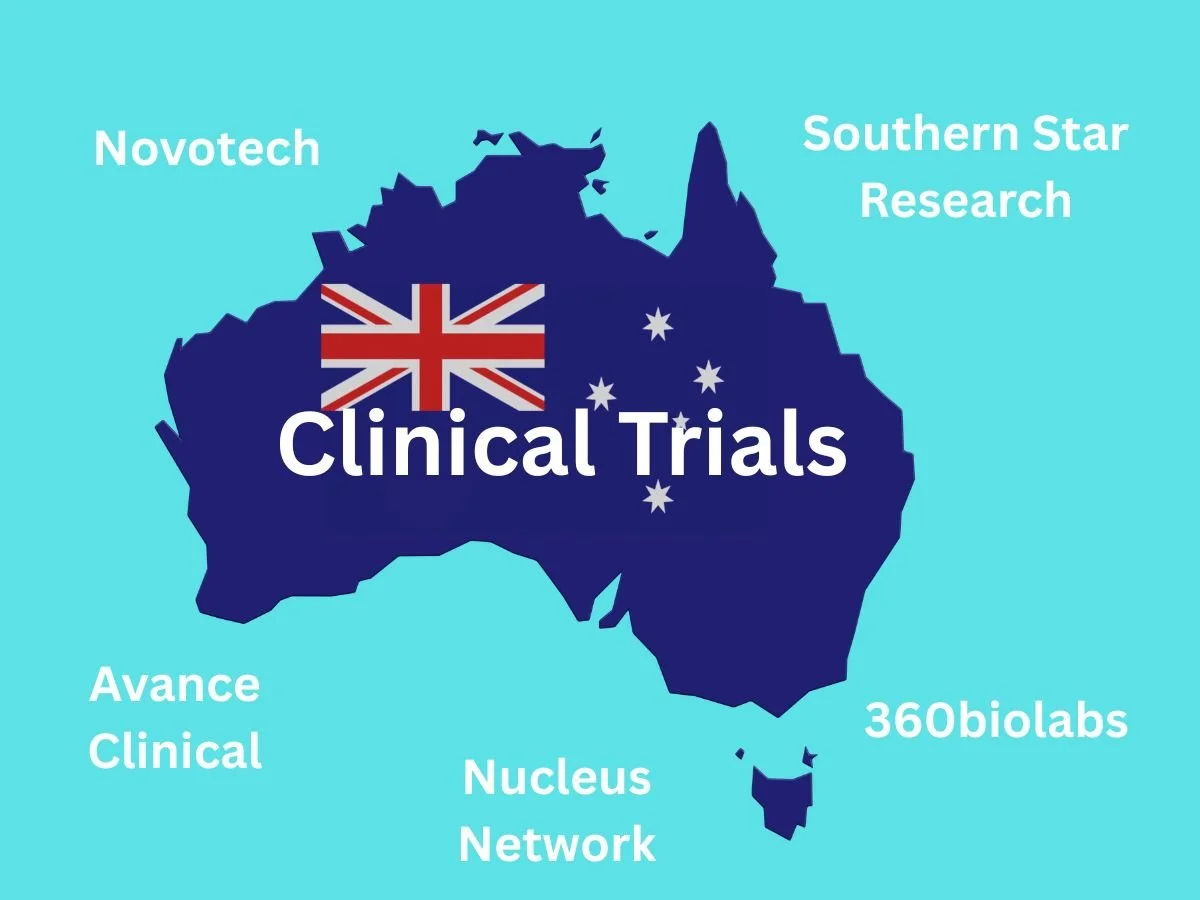
This week in the Guardrail, we explore how the Aussie Advantage-how Australia has leveraged rapid regulatory timelines and aggressive financial incentives to solidify its position as the premier global destination for Phase 1 clinical trials.
By Michael Bronfman
March 30, 2026
When a pharmaceutical company creates a new medicine, the most exciting and scary step is the first time it is given to a human. This is called a “First in Human” or Phase 1 trial. For decades, many companies sent their studies to the United States or Europe. Today, the world is looking at Australia. This country has become a global leader for early-stage clinical trials. In 2026, the "Australian Advantage" is a major topic in the medical world. Here is why so many biotech companies are heading down under to start their research.
Speed Is the Greatest Tool
In the world of medicine, time is everything. If a company can start a trial faster, it can help patients sooner. Australia has a very special system for approving trials that is much faster than that in the United States. In the US, companies must wait months for the Food and Drug Administration to review their plans. In Australia, the process is streamlined.
The Australian system uses a scheme called the Clinical Trial Notification (CTN) scheme. Instead of a long government review, the trial is reviewed by a local ethics committee at a hospital or research center. Once the committee says the trial is safe, the company simply notifies the government. This allows trials to start in just five or six weeks. This speed helps companies save money and move their science forward without waiting for paperwork. You can see how this process works on the Therapeutic Goods Administration website.
A Massive Financial Incentive
Running a clinical trial is very expensive. It can cost millions of dollars to test a new drug. The Australian government wants to help companies do this work in their country. To do this, they offer one of the best tax breaks in the world.
Small and medium companies can get a cash refund of 43.5 percent for every dollar they spend on research in Australia. This means if a company spends one million dollars on a trial, the government gives them back over four hundred thousand dollars in cash. This is not just a tax credit for the future. It is real money that companies can use to fund more research right away. This financial help makes Australia about 60 percent cheaper than the United States for early-stage studies. Many companies use this to stretch their budget and test more ideas.
World Class Quality and Data
Speed and money are important, but they do not matter if the data is not good. Australia is famous for having some of the best doctors and hospitals in the world. The scientists there follow the highest international rules for research. These rules are called Good Clinical Practice.
Because the quality is so high, the data from Australian trials is accepted by major health groups like the US Food and Drug Administration and the European Medicines Agency. A company can conduct its initial tests in Australia and then use the same data to apply for a license in the US or Europe. They do not have to repeat the work. This makes Australia a perfect "launchpad" for global medical development.
A Diverse and Willing Population
For a clinical trial to work, you need people to participate. Australia is a very multicultural country. It has people from many different backgrounds and ethnicities. This is important because medicines can affect different people in different ways. Researchers need a diverse group of people to make sure a drug is safe for everyone.
Australians are also known for being very supportive of medical research. Many people are excited to join trials to help find cures for diseases like cancer or Alzheimer's. There are even special networks, such as the NSW Early Phase Clinical Trials Alliance, that help connect patients with new trials across the country. This makes it much easier for companies to find the volunteers they need.
Advanced Technology and Innovation
In 2026, Australia is at the cutting edge of new medical technologies. They are leaders in areas like gene editing and cell therapy. The labs in cities like Sydney and Melbourne have the latest equipment to study how new drugs work at a microscopic level.
Australian companies and researchers are also using artificial intelligence to help design better trials. This technology helps them predict which patients will respond best to a new treatment. By using the best technology, Australia ensures that every trial is as smart and efficient as possible. Organizations like Novotech help companies from all over the world navigate this high-tech environment.
Seasonal Advantages for Research
One unique advantage of Australia is its location in the Southern Hemisphere. When it is winter in the US and Europe, it is summer in Australia. This is very helpful for testing medicines for seasonal issues like the flu or allergies. Researchers can follow the seasons around the world to keep their studies going year-round. Instead of waiting for next winter in the North, they can simply move their study to the South. This "seasonal bridge" is a clever way to save time in the drug development process.
Strong Protection for Ideas
Companies spend a lot of time and money creating new medicines. They want to be sure that their ideas are safe. Australia has very strong laws to protect intellectual property. This means that when a company brings a new discovery to Australia, they own it completely. They do not have to worry about someone else stealing their hard work. This safety gives business leaders the confidence to bring their most important projects to Australian soil.
The Future of Global Medicine
As we look at the future of public health, Australia will continue to play a big role. The country is not just a place for early tests anymore. It is becoming a hub where the next generation of life-saving cures is born. By making trials faster, cheaper, and higher-quality, Australia is helping the whole world access better medical care.
For a young scientist or a biotech founder, Australia is the place to be in 2026. The combination of government support and scientific excellence is hard to find anywhere else. As more companies realize this, the Australian biotech sector will only continue to grow. BioPharma APAC keeps track of the latest news in the region.
The Australian Advantage is real, and it is growing. By focusing on speed and quality, Australia has made itself the top choice for “first in human” trials. Whether it is the 43.5 percent tax refund or the fast five-week startup time, the benefits are clear. Most importantly, this system helps get new medicines to the people who need them faster than ever before. Australia is proving that you do not have to be the biggest country to be a leader in the world of medicine.
Australia’s Leading Partners for First in Human Clinical Trials
When a biotech company decides to use the Australian Advantage, they usually hire a local expert called a Contract Research Organization ( CRO). These groups handle all the paperwork and find the best hospitals for the study.
Here is a list of the top partners in Australia for early-stage trials in 2026.
1. Novotech
Novotech is the largest independent CRO in the Asia Pacific region. They are experts at helping companies from the United States and Europe move their trials to Australia. They focus on fast startup times and high-quality data.
Specialty: Biotechnology and oncology (cancer) research.
Website: Novotech Health
2. Avance Clinical
Avance Clinical is known for being very agile. They specialize in Phase 1 trials and have a very high success rate with the Australian government’s 43.5 percent tax incentive. They often work with small companies that need to move quickly.
Specialty: Rare diseases and early-stage vaccines.
Website: Avance Clinical
3. Nucleus Network
This group is unique because they have their own dedicated clinics in Melbourne and Brisbane. They have over 150 beds specifically for people participating in First-in-Human trials. This means they do not have to wait for space at a public hospital.
Specialty: Complex Phase 1 studies and healthy volunteer trials.
Website: Nucleus Network
4. Southern Star Research
Southern Star is a boutique CRO based in Sydney. They offer a very personal service for international clients. They are experts in the Clinical Trial Notification (CTN) scheme which allows for that famous five-week trial startup time.
Specialty: Medical devices and respiratory medicine.
Website: Southern Star Research
5. 360biolabs
While the other groups manage the trials, 360biolabs is the leading laboratory in Australia. They test the blood and tissue samples from the trials to see exactly how the new medicine is working. Their data is world-class and accepted by every major global health agency.
Specialty: Specialty laboratory services and virology.
Website: 360biolabs
How to Choose an Australian Partner
Choosing the right partner is the most important decision for a new medical project. Here are three things to look for when researching these groups.
Look for Local Knowledge
A good partner should know the Australian tax system inside and out. They should be able to tell you exactly how to get your 43.5 percent cash refund from the Australian Tax Office. If they cannot explain the finances clearly, they might not be the right fit.
Check Their Track Record
Ask the CRO how many First in Human trials they have managed in the last three years. Speed only matters if the trial is done correctly. You can verify their experience by checking the public database of every trial happening in the region. The Australian New Zealand Clinical Trials Registry.
Verify Their Global Status
Ensure that the CRO has experience working with the US FDA. Since most companies eventually want to sell their medicine in the United States, the Australian data must be perfect. A partner that understands global rules will save you a lot of time later on.
Maximizing the Aussie Advantage requires a global perspective and sophisticated tactical execution. Metis Consulting Services combines deep-seated technical expertise with the strategic capabilities necessary to help you bridge the gap between Australian early-stage success and global regulatory approval.
The Way We Fight the Flu is Changing: New Developments in Flu Vaccines
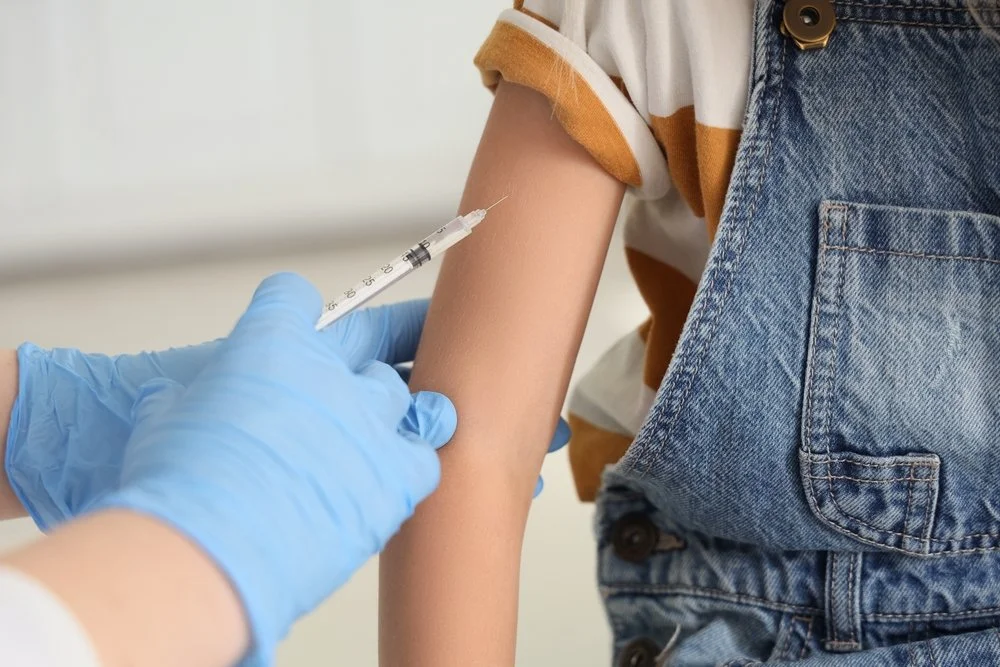
This week in the Guardrail: How the 2025–2026 flu season is being defined by a transition to a trivalent flu vaccine. Read about the high-stakes logistics of the medical cold chain. From the rise of self-administered nasal sprays to the shift toward mRNA technology, the landscape of preventative healthcare is evolving to meet the challenges of a more mobile and diverse population
By Michael Bronfman for Metis Consulting Services
March 23, 2026
The way we fight the flu is changing. For a long time, the process was the same every year: scientists would guess which flu strains would be popular, factories would make millions of shots using chicken eggs, and people would head to the doctor in October to get their jab. But in 2026, the story of the flu vaccine is about more than just a shot in the arm. It is about a massive, invisible network called the supply chain and a new push to make sure everyone, no matter where they live, can get the protection they need.
The Invisible Journey of a Flu Shot Vaccine
Most of us only think about the flu vaccine when we see the "Get Your Flu Shot Here" signs at the pharmacy. We do not often see the incredible journey that little glass vial took to get there. This journey is what experts call the supply chain.
For the 2025–2026 season, companies are supplying about 154 million doses for the United States alone. That is a lot of medicine to move, and it has to stay cold the entire time. If a flu shot gets too warm or even accidentally freezes, it can lose its power to protect you. This is why the "cold chain" is so important. Special trucks with built-in refrigerators carry the vaccines from the factory to big warehouses, then to local hospitals and drugstores.
One big change this year is that all flu vaccines in the U.S. are now trivalent. This means they protect against three different types of flu. In the past, they protected against four, but scientists realized one of those flu types had actually disappeared from the world. By focusing on three, they can make the vaccines more efficiently.1,2
The Rural Gap: Why Location Matters
Even though there are millions of doses available, not everyone finds it easy to get one. If you live in a big city, there is a pharmacy on almost every corner. But if you live in a rural area, the nearest clinic might be a thirty-minute drive away.
For many families in small towns, "Supply Chain" issues are not about trucks on the highway; they are about access. Recent studies show that people in rural areas are much less likely to get vaccinated than people in cities. There are a few reasons for this:
Distance: When the doctor is far away, it is hard to find time to go, especially for people who work long hours.
Storage: Small country clinics sometimes struggle to keep expensive medical fridges running or do not have enough space to store a large supply of shots.
Trust: In many small communities, people prefer to get health advice from someone they know personally. If the local pharmacy closes down, that trusted connection is lost.
To fix this, some groups are using mobile units. These are basically doctors' offices on wheels that drive directly to farms, schools, and community centers. It brings the supply chain right to the person's front door. 3
Expanding the Study: Inclusion in Research
Another way we are improving the flu vaccine is by changing how we study it. Before a vaccine is allowed to be sold, it goes through "clinical trials" to make sure it is safe and works well. In the past, these studies often happened in big university hospitals. This meant most of the people in the studies were from the same types of backgrounds.
But the flu affects everyone differently. A 70-year-old person’s body reacts to the flu differently than a 10-year-old’s. Someone living in a crowded city might have different risks than someone on a quiet ranch.
In 2026, researchers are working harder to include underrepresented groups in their studies. This includes people of different races, ages, and health backgrounds. By expanding who gets to be in the study, scientists can make sure the vaccine works for everybody.
Did You Know?
Some new studies are testing "self-administered" vaccines. For the 2025–2026 season, the FDA has approved the first nasal spray flu vaccine that can be given by a person at home or by a caregiver! 4
Challenges on the Horizon
Even with all this progress, the 2025–2026 season has some hurdles. A new version of the flu, called "Subclade K," started showing up recently. Because vaccines take months to make, they were already finished before this new version became common. This is a classic supply chain problem: the "product" (the vaccine) has to be designed so far in advance that the "market" (the flu virus) has time to change.
To solve this, scientists are looking into mRNA technology. You might remember this from the COVID-19 vaccines. mRNA vaccines can be made much faster than the old egg-based ones. If a new flu strain pops up, factories could potentially pivot and make a new batch in weeks instead of months.5
What Can You Do?
The supply chain and the scientific studies are huge projects, but the final step is up to the individual. Whether it is through a mobile clinic in a rural town or a quick trip to a local pharmacy, getting vaccinated is the best way to keep the community safe.
When more people get vaccinated, the virus has fewer places to go. This "community immunity" protects the people who are too young or too sick to get a shot themselves.
A list of the specific flu strains included in this year's trivalent vaccine
For the 2025–2026 season, all flu vaccines in the United States are trivalent. This means they protect against three specific strains of the virus. Scientists chose these three because they are the most likely to spread based on global health data.
Because there are two different ways to make vaccines, the specific "look-alike" virus used in your shot might vary slightly depending on whether it was made using eggs or through a cell-based process.
Strains for Egg-Based Vaccines
These are the traditional shots most people receive.
A/Victoria/4897/2022 (H1N1)pdm09-like virus
A/Croatia/10136RV/2023 (H3N2)-like virus
B/Austria/1359417/2021 (B/Victoria lineage)-like virus
Strains for Cell or Recombinant Vaccines
These are often used for people with egg allergies or in newer production facilities.
A/Wisconsin/67/2022 (H1N1)pdm09-like virus
A/District of Columbia/27/2023 (H3N2)-like virus
B/Austria/1359417/2021 (B/Victoria lineage)-like virus
Why the Change?
You might notice that the B/Yamagata strain is missing. This strain has not been seen in the world since March 2020. Because it seems to have disappeared, health experts at the FDA and WHO decided to remove it to make the vaccine more efficient. This allows manufacturers to focus all their resources on the three strains that are actually still a threat.6,7
A Note on Subclade K
While these three strains were chosen carefully, nature always moves fast. A new version of the H3N2 virus called Subclade K started spreading after these vaccines were already being manufactured.
Even though it is not a perfect match, doctors still recommend the current vaccine. Early data from the 2025–2026 season suggests that the vaccine still provides a "cross-protection" effect, which can keep you out of the hospital even if you do catch the new variant.
1. CDC: Seasonal Influenza Vaccine Supply FAQ
2. FDA: 2025–2026 Influenza Vaccine Composition
3. Study: Determinants of Influenza Vaccine Uptake Among Rural Populations
4. NIH: Universal Influenza Vaccine Research
5. CDC: FluMist for Self or Caregiver Administration
6. FDA: Influenza Vaccine Composition 2025–2026
7. Trivalent Influenza Vaccines | Influenza (Flu) | CDC
Optimize Your Impact with Metis
The complexities of the 2026 flu season prove that a robust supply chain and inclusive outreach are not just logistics—they are lifelines. Your organization needs someone who understands the intersection of data and human health. Contact Metis Consulting Services today

The Green Tea Matrix: Evaluating Caffeine Concentration and Its Interactions
This week in the Guardrail, we explore the pharmacological profile of green tea, specifically examining how its modest caffeine content interacts with unique compounds like L-theanine. Read more for essential insights into the drink's distinctive stimulant effects and metabolic influence.

This week in the Guardrail, we explore the pharmacological profile of green tea, specifically examining how its modest caffeine content interacts with unique compounds like L-theanine. Read more for essential insights into the drink's distinctive stimulant effects and metabolic influence.
By Michael Bronfman, for Metis Consulting Services
March 16, 2026
Caffeine Content, Pharmacology, and Clinical Relevance
Green tea is one of the most widely consumed beverages in the world. It is often associated with cardiovascular health, metabolic support, and cognitive function. In pharmaceutical and nutritional research, green tea has also attracted attention because of its caffeine content and how caffeine interacts with other compounds found in tea leaves.
Understanding how much caffeine is present in green tea matters for clinicians, researchers, and consumers. Caffeine affects the central nervous system and can influence alertness, sleep, cardiovascular function, and drug metabolism. This article reviews how much caffeine is found in green tea, how it compares with other beverages, and why the pharmacological profile of green tea differs from other caffeine sources.
What Is Caffeine and How Does It Work
Caffeine is a naturally occurring chemical compound found in more than sixty plant species, including coffee beans, cacao, and tea leaves. It acts primarily as a central nervous system stimulant. After consumption, caffeine is rapidly absorbed through the gastrointestinal tract and reaches peak blood levels within about 30 to 60 minutes.
Caffeine works mainly by blocking adenosine receptors in the brain. Adenosine is a neurotransmitter that promotes sleep and relaxation as it builds up during waking hours. When caffeine blocks these receptors, the feeling of tiredness is reduced and alertness increases.
Caffeine has also been shown to increase dopamine signaling, which contributes to improved mood and attention. In addition, it can increase metabolic rate and enhance physical performance in some individuals.1
While caffeine is widely consumed and generally safe in moderate amounts, sensitivity varies between individuals. Body weight and other factors, including genetics, can influence how caffeine affects the body.
Average Caffeine Content in Green Tea
An eight-ounce cup of green tea typically contains between thirty and fifty milligrams of caffeine. This amount is considerably lower than the caffeine content of most coffee preparations but higher than that of many non-caffeinated beverages.
The caffeine content of green tea is not fixed. Several factors influence the final amount present in a cup. These include the variety of tea plant growing conditions, processing methods, and brewing techniques.
Tea made from younger leaves often contains more caffeine than tea made from older leaves. Processing methods also play a role because mechanical crushing of leaves increases caffeine extraction during brewing.
Bagged teas often contain smaller broken leaves, which can release caffeine more efficiently into hot water. Loose-leaf tea may contain slightly less caffeine depending on leaf size and brewing time. 2,3
Influence of Brewing Method and Preparation
Preparation methods significantly affect caffeine concentration in green tea. Water temperature, brewing time, and tea quantity all influence extraction.
Longer brewing times allow more caffeine to dissolve into the beverage. Higher water temperatures also increase extraction efficiency. For example, tea brewed for three to five minutes generally contains more caffeine than tea brewed briefly.
Powdered green tea preparations such as matcha contain higher levels of caffeine because the entire leaf is consumed rather than infused and discarded. Even though serving sizes are smaller, caffeine intake can approach levels comparable to those of strong brewed tea.
These variables explain why caffeine estimates are typically presented as ranges rather than exact values.
Comparison With Other Caffeinated Beverages
Green tea contains less caffeine than most commonly consumed caffeinated drinks. This difference is important when evaluating stimulant exposure in both clinical and lifestyle settings.
An eight-ounce serving of brewed coffee typically contains around one hundred milligrams of caffeine or more, depending on preparation. Espresso preparations may contain substantially higher concentrations in smaller volumes. Black tea generally contains more caffeine than green tea, while soft drinks and energy drinks vary widely based on formulation.
Because green tea delivers lower caffeine per serving, it is often recommended for individuals seeking mild stimulation without the stronger physiological effects associated with coffee.4
L-Theanine and the Unique Profile of Green Tea
One feature that distinguishes green tea from other caffeine sources is the presence of L-theanine. This amino acid occurs naturally in tea leaves and has been studied for its effects on relaxation and cognitive function.
L-theanine appears to promote alpha brain wave activity, which is associated with a calm but alert mental state. When combined with caffeine, it may reduce feelings of jitteriness that some individuals experience after consuming coffee.
Research suggests that the combination of caffeine and L theanine may improve attention switching accuracy and sustained focus. This interaction has attracted interest within cognitive and pharmaceutical research because it represents a naturally occurring example of synergistic activity between compounds.5
Pharmacokinetics and Individual Response
After ingestion, caffeine is metabolized primarily in the liver by the enzyme CYP1A2. The rate of metabolism varies significantly between individuals. Some people metabolize caffeine quickly, while others experience prolonged effects.
This variability has clinical relevance. Slow metabolizers may experience sleep disruption, anxiety or elevated heart rate at lower doses. Certain medications, including some antidepressants and antibiotics, can also affect caffeine metabolism.
Green tea’s lower caffeine content may reduce the likelihood of adverse effects compared with higher caffeine beverages. However, cumulative intake across multiple servings should still be considered.
Safety and Recommended Intake Levels
Regulatory and health authorities generally consider caffeine safe when consumed within recommended limits. For healthy adults, a total daily intake of up to 400 milligrams is commonly cited as a safe upper limit.
An eight-ounce serving of green tea containing 30 to 50 milligrams of caffeine represents a relatively small contribution to this total. Even several servings per day typically remain within recommended limits for most adults.
However, individuals who are pregnant, sensitive to stimulants, or managing cardiovascular conditions are often advised to monitor total caffeine intake more closely.6
Clinical and Research Implications
From a pharmaceutical perspective, green tea represents an interesting delivery system for low-dose caffeine combined with biologically active compounds. Unlike isolated caffeine products, green tea contains polyphenols, catechins, and amino acids that may modify physiological responses.
This complexity makes green tea relevant in studies examining mild cognitive enhancement, metabolic regulation, and cardiovascular outcomes. The lower caffeine exposure may also make green tea suitable for populations that cannot tolerate higher doses of stimulants.
Researchers continue to study whether long-term consumption influences neurodegenerative risk, metabolic disease, or cardiovascular health. While caffeine contributes to some observed effects, other components of green tea likely play important roles.
Is Caffeine in Green Tea a Concern
For most healthy adults, caffeine in green tea is not a major concern when consumed in moderation. The relatively low caffeine concentration reduces the risk of overstimulation compared with coffee or energy drinks.
Nevertheless, individual tolerance varies. Symptoms such as restlessness, insomnia or palpitations may occur in sensitive individuals or when caffeine intake accumulates from multiple sources throughout the day.
Spacing caffeine consumption and avoiding late-evening intake can help minimize sleep disruption.
Green tea contains a moderate amount of caffeine, typically ranging from 30 to 50 milligrams per 8-ounce serving. This level is lower than that of coffee and many other caffeinated beverages, while still providing measurable stimulant effects.
Caffeine in green tea acts through the same biological mechanisms as caffeine from other sources, but its effects may be moderated by compounds such as L-theanine. This results in a milder stimulation profile that has drawn interest in both nutrition and pharmaceutical research.
When consumed within recommended limits, green tea represents a low-risk source of caffeine for most adults. Its combination of modest caffeine exposure and additional bioactive compounds continues to make it a subject of ongoing clinical investigation.7
Sources:
Is Loose Tea Better Than Bagged?, Althea Chang-Cook, Consumer Reports 90, October 25, 2024
Dietary Supplement Fact Sheets, National Institutes of Health
Caffeine: How much is too much?, Mayo Clinic Staff, Mayo Clinic, February 21, 2025
The combined effects of L-theanine and caffeine on cognitive performance and mood, Nutr Neurosci, 2008 Aug., Randomized Controlled Trial
The Safety of Ingested Caffeine: A Comprehensive Review, Front Psychiatry, National Library of Medicine, May 2027
The safety of green tea and green tea extract consumption in adults - Results of a systematic review, Regulatory Toxicology and Pharmacology, Science Direct, June 2018
Is your organization navigating the complex intersection of botanical ingredients and shifting health regulations? Ensure your products meet the highest standards of safety and efficacy by partnering with the experts. Contact Metis Consulting Services today for Strategic Regulatory, Compliance, and Risk Mitigation Services to safeguard your brand and lead the market with confidence.
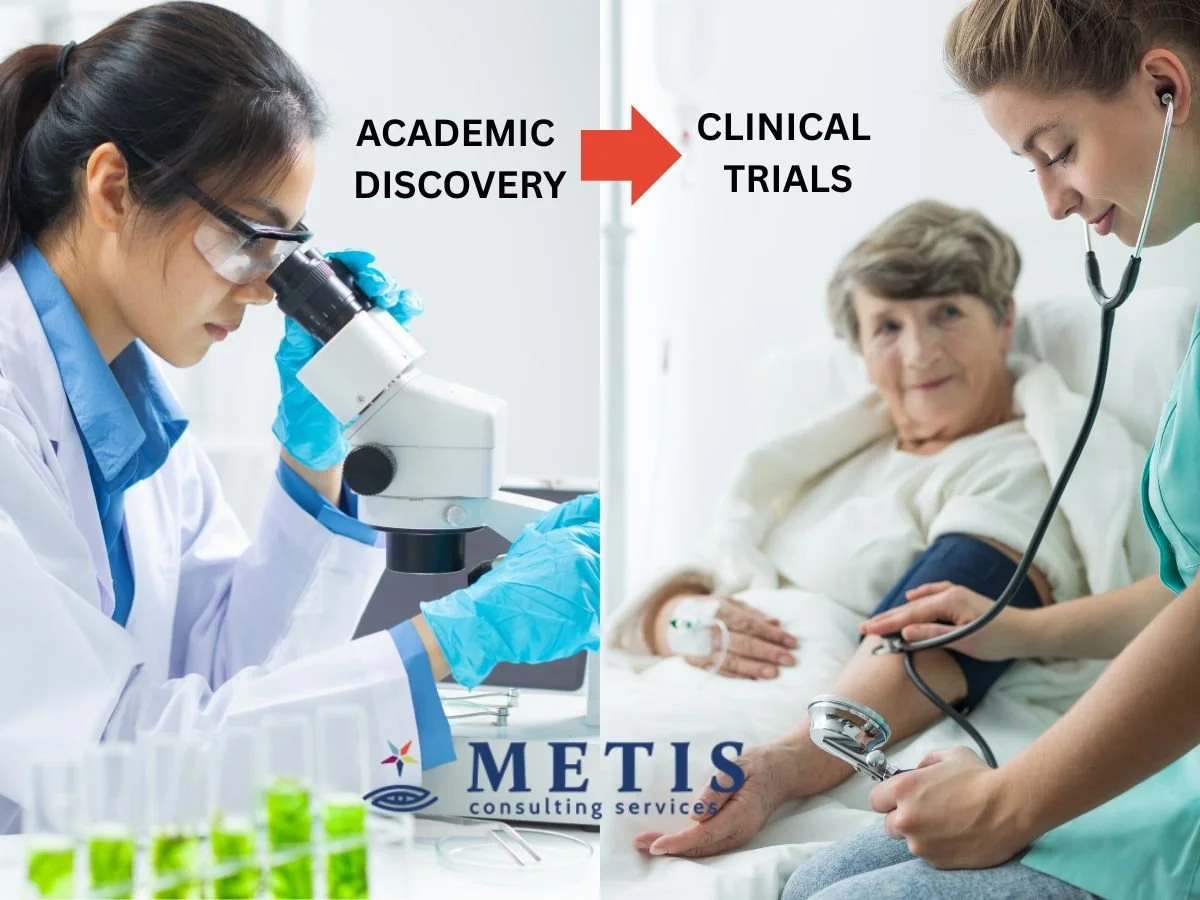
From Academic Discovery to Clinical Trials: Transitional Priorities
Moving a drug from academic discovery to clinical trials is one of the most critical phases in pharmaceutical development. Academic research often focuses on understanding disease mechanisms and identifying potential targets
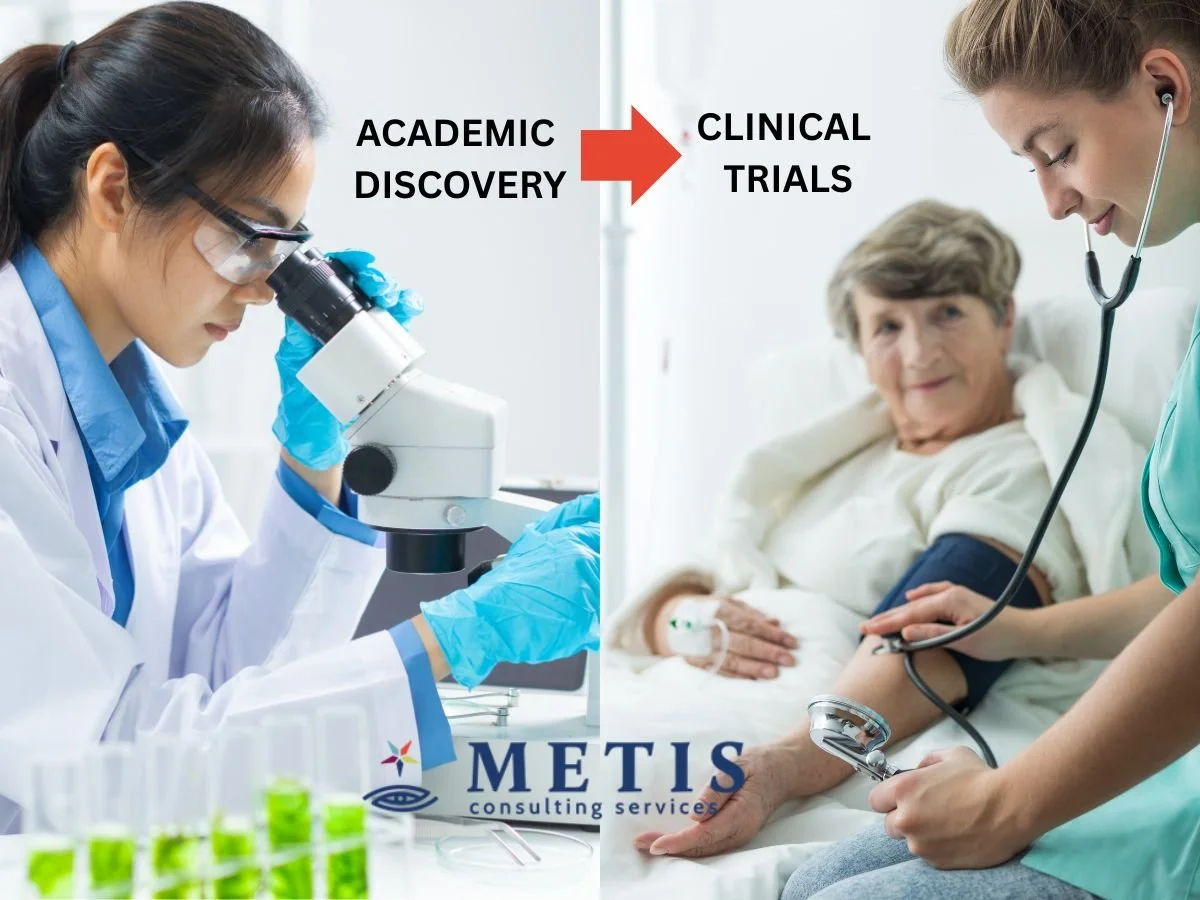
This week in the Guardrail, we explore the rigorous journey between bench-side innovation and bedside application. Read the article for the essential regulatory and manufacturing milestones necessary to successfully transition a drug from academic discovery into human clinical trials
By Michael Bronfman
March 9, 2026
Moving a drug from academic discovery to clinical trials is one of the most critical phases in pharmaceutical development. Academic research often focuses on understanding disease mechanisms and identifying potential targets. Translating those discoveries into therapies that can be tested in humans requires careful planning, rigorous validation, and a strong focus on regulatory and operational priorities.
The transition from academic discovery to clinical development is not automatic. Many promising compounds fail to progress because key priorities are overlooked. Companies that understand these priorities can increase the likelihood of successful trials and regulatory approval.
Understanding the Gap Between Discovery and Development
Academic labs are excellent at generating novel ideas and identifying biological targets. However, academic research is usually exploratory. Experiments may be small-scale, conditions controlled, and outcomes focused on understanding mechanisms rather than therapeutic benefit.
Clinical development requires a shift. Compounds must be reproducible, manufacturable, and safe for human testing. Regulatory requirements for documentation, quality, and ethics become central.
Filling this gap requires early planning for pharmacology, toxicology, and chemistry manufacturing and controls, known as CMC.
Establishing a Strong Preclinical Package
Before a drug can enter clinical trials, an extensive preclinical package is essential. Preclinical studies show safety and provide dosing guidance for first-in-human studies.
Key areas include:
Pharmacokinetics and pharmacodynamics, understanding how the drug behaves in the body and its mechanism of action
Toxicology, assessing possible harmful effects in relevant animal models
Formulation and stability, guaranteeing the drug can be reliably manufactured and stored
The FDA provides guidance on preclinical safety evaluation at https://www.fda.gov/regulatory-information/search-fda-guidance-documents/s6r1-preclinical-safety-evaluation-biotechnology-derived-pharmaceuticals
A strong preclinical package increases confidence for regulatory submission and trial planning.
Regulatory Engagement Early and Often
Early engagement with regulators is critical. Discussions with the FDA or EMA can clarify what data is needed to move into clinical trials.
Pre-IND (pre-Investigational New Drug (pre-IND) meetings or Scientific Advice meetings with EMA allow sponsors to present plans and receive feedback. This reduces the risk of surprises during submission review.
Regulatory guidance and meeting information can be found at:
Translating Academic Findings Into Clinical Protocols
Academic studies often use models that may not fully reflect human disease. Translating findings into a clinical protocol calls for careful consideration.
Clinical trial design must define endpoints, patient populations, and dosage regimens. Safety monitoring must be rigorous. Feasibility and patient recruitment plans should be realistic.
Collaboration between discovery scientists, clinical experts, and regulatory professionals ensures that the transition maintains scientific integrity while meeting clinical standards.
Manufacturing and Quality Considerations
Academic labs rarely operate under Good Manufacturing Practice (GMP) standards. Moving into clinical trials requires that compounds be manufactured under controlled conditions.
GMP ensures consistency, purity, and traceability. Sponsors must validate manufacturing processes, control raw materials, and document production.
FDA guidance on GMP requirements is available at
Early attention to manufacturing reduces delays and supports regulatory confidence.
Intellectual Property and Commercial Considerations
Transitioning a compound to clinical trials also demands focus on intellectual property. Patents protect innovations and support investment in development.
Sponsors must assess freedom-to-operate, patent coverage, and potential competitor activity. These considerations impact strategy and partnerships.
Establishing Risk Management Plans
Clinical development entails inherent risk. Safety, efficacy, and operational risks must be identified and mitigated.
Developing a risk management plan includes monitoring safety signals, contingency planning, and guaranteeing compliance with regulatory requirements.
This proactive method supports smooth trial conduct and regulatory inspection readiness.
Building Cross-Functional Teams
Successful transition entails collaboration across multiple disciplines. Discovery scientists, clinical operations, regulatory affairs, quality, and commercial teams must work together.
Effective coordination and mutual objectives avoid misalignment and accelerate progress.
Training and clear role definitions are essential to uphold compliance and accountability.
Patient Considerations and Ethics
Moving from discovery to human trials introduces ethical obligations. Patients must be protected via informed consent, risk minimization, and oversight by institutional review boards or ethics committees.
Clinical study protocols must clearly define inclusion and exclusion criteria, monitoring procedures, and termination rules.
Ethical conduct is mandatory and foundational to regulatory approval.
Timeline Planning and Milestones
Transition planning includes realistic timelines and milestones. From preclinical studies to IND submission and first patient dosing, each stage has dependencies.
Delays frequently occur due to insufficient data, regulatory questions, or manufacturing issues. Detailed planning helps teams foresee obstacles and allocate resources optimally.
Project management tools, milestone tracking, and clear communication reduce bottlenecks and improve efficiency.
Documentation and Data Validity
Data from discovery and preclinical studies must be well documented. Traceability from raw data to reports supports regulatory review and internal decision-making.
Audit-ready records, standardized reporting, and quality checks guarantee that evidence can be defended during inspections.
FDA guidance on data validity can be found at https://www.fda.gov/inspections-compliance-enforcement-and-criminal-investigations
Partnerships and External Expertise
Many organizations rely on external partners to support the transition. Contract research organizations, academic collaborators, and consultants bring specialized expertise.
Sponsors must manage these relationships carefully. Contracts, oversight, and communication plans ensure that responsibilities are clear and quality standards are met.
Glancing Ahead
The transition from academic discovery to clinical trials is a defining phase in drug development. Attention to preclinical data, regulatory engagement, manufacturing, risk management, and team alignment sets the stage for successful clinical programs.
Organizations that plan deliberately, execute rigorously, and sustain compliance are more likely to advance therapies safely and efficiently to patients.
The transition from discovery to development is fraught with complexity, but you don’t have to navigate it alone. Contact Metis Consulting Services today to leverage our deep regulatory expertise and strategic oversight, ensuring your breakthrough therapy moves from the lab to the clinic with precision, speed, and total compliance.