
How to Seamlessly Plan and Launch Your Personalized Marketing Strategy
This week, guest Blogger Lance Cody-Valdez discusses a practical framework for small businesses looking to seamlessly plan, test, and scale a content personalization strategy without overwhelming their marketing stack. By taking a phased, data-driven approach, companies can turn complex integrations into a predictable, high-impact engine for growth.
By Lance Cody-Valdez
August 10, 2026
For small business owners, a personalized marketing strategy often sounds simple until content personalization integration starts tugging on every part of the marketing stack. The core challenge is that personalization touches data, tools, and day-to-day workflows at the same time, so quick add-ons can create messy handoffs and inconsistent customer experiences. With a clear project planning approach, personalization becomes a coordinated rollout instead of a patchwork of fixes. The payoff is marketing that feels relevant and stays manageable.
Quick Summary: Planning Content Personalization
● Define clear content personalization goals that align with business outcomes and audience needs.
● Audit your technology stack to confirm data sources, integrations, and delivery capabilities.
● Segment audiences thoughtfully and prioritize data security and privacy from the start.
● Launch in phases with cross-departmental collaboration to reduce risk and improve adoption.
● Track performance metrics consistently to validate impact and guide ongoing optimization.
Where Personalization Fits in Your Marketing Tools
Start with the bigger picture.
Content personalization tools are not a standalone magic button. They sit between the systems that store customer details (your CRM), send messages (email and automation), measure behavior (analytics), and sometimes even trigger offers after a purchase (payments). The core idea is mapping what you already use, then checking what data can actually flow between tools, and which foundational systems matter most for revenue and growth, as outlined in essential small business technology.
This matters because most small businesses have tools, but not a clean system. When only 18 percent of SMBs feel “very confident” in marketing effectiveness, gaps often come from disconnected data and unclear ownership. A simple inventory helps you fix the right problem first.
Think of it like a kitchen setup. You can buy a blender, but you still need ingredients, a power outlet, and a recipe. Your reference list is the checklist: CRM fields, email list source, tracking tags, and purchase history access.
With your stack mapped, you can set goals and confirm compatibility before building personas and pilots.
Build a Simple Personalization Launch Plan
This process helps you turn “we want personalization” into a practical project plan you can actually run. You will define what success looks like, confirm your tools can support it, and launch a small pilot without creating data or ownership headaches.
1. Step 1: Set one clear personalization objective
Start with a single outcome tied to a business goal, like increasing email clicks on a key offer or improving repeat purchases from recent buyers. Define one primary metric and one timeframe so you can tell if personalization worked without debate. This keeps your first rollout focused and easier to resource.
2. Step 2: Confirm tech compatibility and data access
Review which system will be your “source of truth” for customer details, and list the exact fields you need (for example: product category purchased, lead source, last visit date). Then check whether those fields can reliably flow into the channels you will personalize, even if it is a basic import or a simple integration. If the data cannot move cleanly, adjust the objective or simplify the audience rules.
3. Step 3: Build 2 to 3 actionable personas from real signals
Choose segments you can identify with data you already have, such as first-time buyers, high-intent browsers, or loyal repeat customers. For each persona, write: the trigger you will use, the message they should see, and the next action you want them to take. Keep it measurable, since personas are only useful if you can target them consistently.
4. Step 4: Check consent, privacy, and basic data hygiene
Document what data you will use, where it came from, and who can access it, then confirm it aligns with your email and cookie consent practices. Clean up the minimum fields required (naming conventions, missing values, duplicates), so your targeting rules do not misfire. This step prevents “creepy” personalization and reduces broken experiences.
5. Step 5: Run a small pilot and align stakeholders on ownership
Pick one channel and one use case, then run an A/B test or a holdout comparison long enough to see a stable signal. Assign a small working group with clear roles, and select representatives with the ability and willingness to represent stakeholder groups so decisions do not stall across teams. Capture results, feedback, and a short list of fixes, then convert them into your rollout checklist.
Plan → Pilot → Learn → Scale
This rhythm turns personalization into a steady integration workflow instead of a one-time campaign push. It keeps your implementation timeline moving, makes coordination predictable, and builds in pilot testing feedback so improvements happen before you scale. It also reduces avoidable failure points since one in three software projects fail to reach completion.
These stages loop on purpose: each pilot produces learnings, and each learning tightens your next run. Strong communication and collaboration keep handoffs clean as you expand to more channels.

Build Reliable Personalization Through Planning, Alignment, and Monthly Learning
Content personalization can feel overwhelming when data, tools, and stakeholders all move at different speeds. The steady way through is the plan → pilot → learn → scale mindset, using project planning benefits like clear ownership, fewer surprises, and a timeline the whole team can follow. When that approach is paired with personalization success factors, data-driven marketing, team alignment importance, and continuous optimization, results become more consistent and easier to defend. Personalization works best when small experiments turn into a repeatable, measured process. Choose one next step: pick a single audience segment and commit to a simple monthly review so improvements stay manageable and build implementation confidence. That cadence turns personalization from a risky launch into a dependable growth habit.
Don't let disconnected tools hold back your growth. You can align your technology stack, structure high-impact strategies, and build a scalable engine tailored to your goals. Contact Metis Consulting Services to get started.

How to Start a Medical Equipment Manufacturing Business: Practical Guidance for Entrepreneurs
Medical equipment manufacturing is the business of designing, producing, and distributing devices used in healthcare settings—from surgical tools and hospital beds to diagnostic devices and patient monitoring systems.

By Guest Blogger Lance Cody-Valdez
August 10, 2026
Medical equipment manufacturing is the business of designing, producing, and distributing devices used in healthcare settings—from surgical tools and hospital beds to diagnostic devices and patient monitoring systems. For entrepreneurs, it offers meaningful impact and strong market demand—but it also comes with regulatory scrutiny, operational complexity, and capital intensity.
Starting well means understanding the risks, the rules, and the realities before you invest heavily.
What Matters Most Before You Begin
Medical equipment is not just another product category. You’re entering a regulated industry where safety, documentation, and quality systems are foundational—not optional.
Here’s the big picture:
You must comply with federal regulations (in the U.S., the FDA oversees medical devices).
Quality management systems are often expected by buyers and partners.
Product classification determines your approval pathway and timeline.
Hospitals and distributors care deeply about reliability, documentation, and after-sales support.
Cash flow can be tight early due to tooling, certification, and inventory costs.
If you treat compliance and quality as core design features—not administrative tasks—you dramatically increase your odds of long-term success.
Choosing the Right Product Category
Not all medical devices are equal in complexity or risk.
Below is a simplified comparison to help frame your strategic choice:
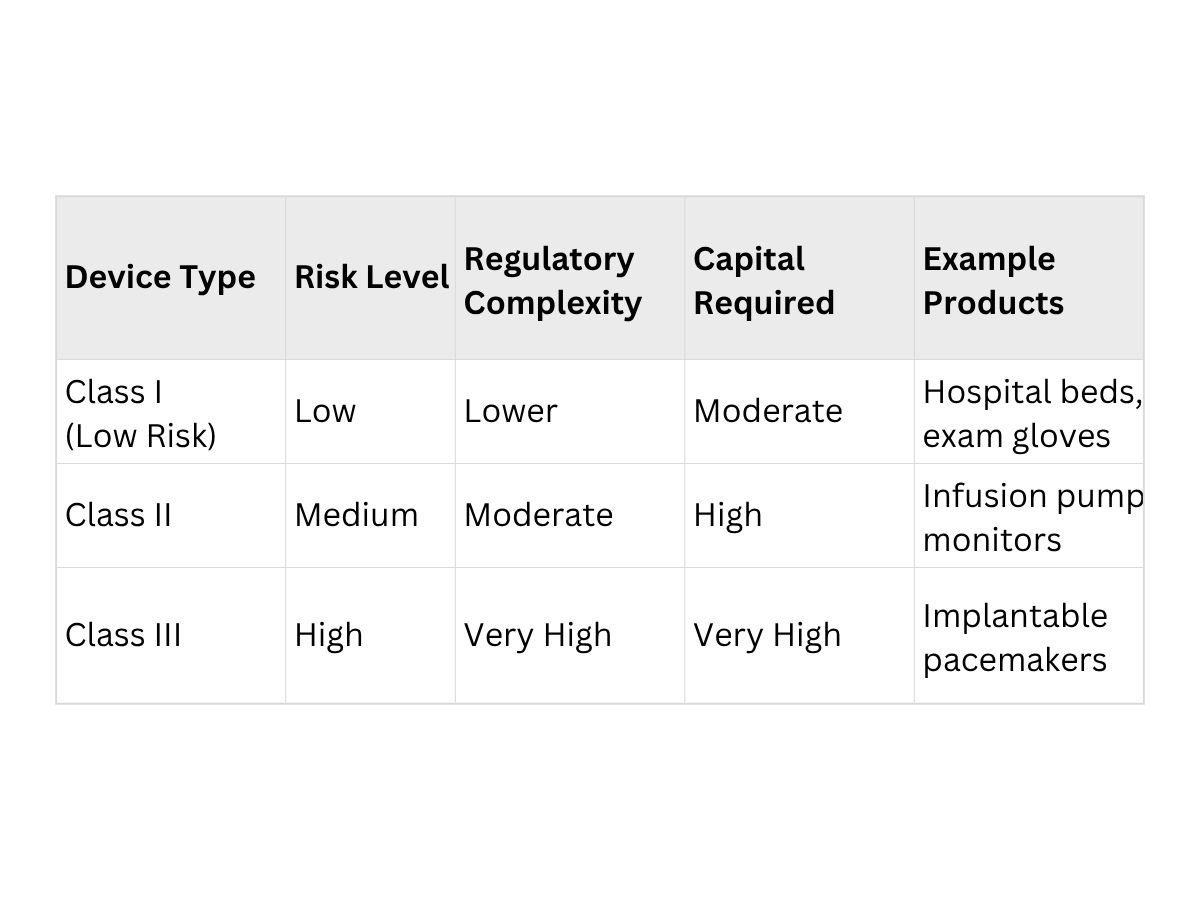
If you’re a first-time entrepreneur in this space, starting with lower-risk devices can reduce time to market and regulatory burden.
Building a Strong Foundation: Legal Structure
Forming a legal entity protects your personal assets and signals credibility to investors, partners, and regulators. Many entrepreneurs choose to register as a limited liability company (LLC) because it separates personal and business liability while maintaining operational flexibility.
Registering as an LLC can also simplify tax treatment and ownership structures, especially if you plan to bring on investors. You can reduce registration costs by self-filing with your state or using an online formation service. If you’re launching operations in California, you can explore options for setting up your LLC in California with ZenBusiness, which compares formation services and filing approaches.
The key is to formalize early. Manufacturers handling medical products should not operate informally.
A Practical Setup Checklist
Before you begin production, walk through this operational checklist:
1. Regulatory Planning
Determine device classification.
Identify required approvals or registrations.
2. Quality System Design
Implement documented manufacturing procedures.
Create traceability systems for materials and batches.
Train staff in quality control protocols.
3. Supplier Vetting
Audit suppliers for reliability and compliance.
Establish written quality agreements.
Avoid single-source dependency where possible.
4. Facility & Equipment
Ensure your manufacturing space meets safety and cleanliness standards.
Calibrate and validate production equipment.
5. Insurance Coverage
Secure product liability insurance.
Consider errors and omissions coverage if applicable.
Skipping any of these steps can create delays—or worse, product recalls.
Financing the Operation
Medical manufacturing often requires significant upfront investment. Tooling, molds, testing, and certifications are expensive.
Consider:
SBA loans or equipment financing.
Strategic partnerships with established distributors.
Angel or seed investment if developing innovative devices.
Pre-orders or pilot programs with local clinics.
Cash management matters more than flashy growth. Plan for longer sales cycles, especially when targeting hospitals.
Marketing & Distribution Strategy
Hospitals and clinics are cautious buyers. Trust is earned through:
Certifications and documented compliance.
Demonstrated product reliability.
Clear training materials and service agreements.
Responsive post-sale support.
Build relationships with:
Group purchasing organizations (GPOs).
Regional distributors.
Procurement officers in healthcare networks.
Reputation spreads quickly in healthcare—both good and bad.
Frequently Asked Questions
Do I need FDA approval for all medical devices?
Not always. Some low-risk devices require only registration and compliance with general controls, while others require premarket notification or approval. Classification determines the pathway.
How long does it take to launch?
For lower-risk devices, timelines may range from several months to over a year. Higher-risk devices can take multiple years due to testing and approval processes.
Is ISO certification mandatory?
Not always legally required, but many buyers expect compliance with recognized quality standards like ISO 13485.
Can I outsource manufacturing?
Yes, but you remain responsible for regulatory compliance and quality control. Oversight is critical.
A Helpful Industry Resource
For deeper insight into regulatory pathways and device classification, visit the U.S. Food and Drug Administration’s official medical device page. This resource provides up-to-date guidance on device categories, compliance expectations, and approval pathways. Always rely on official regulatory sources when making compliance decisions.
Common Early Mistakes to Avoid
Underestimating regulatory timelines
Neglecting documentation
Overbuilding before validating market demand
Choosing complex, high-risk products too early
Ignoring post-sale service planning
Entrepreneurs who thrive in this space treat quality, compliance, and customer trust as strategic assets—not overhead.
Starting a medical equipment manufacturing business requires discipline, capital, and patience. The opportunity is real—but so is the responsibility. Build slowly, document everything, and prioritize quality from day one. If you respect the regulatory environment and design your operations around compliance and reliability, you position your company for sustainable growth in a mission-critical industry.
Navigating regulatory hurdles, quality management, and market entry shouldn't hold back your medical innovation. Contact Metis Consulting Services to turn your healthcare vision into commercial reality.

The Mitochondrial Switch: How Silencing MTCH2 Could Redefine Obesity Therapeutics

This week in the Guardrail, we explore groundbreaking research from the Weizmann Institute of Science on MTCH2—a mitochondrial target that could solve the industry's biggest GLP-1 challenge
By Michael Bronfman
August 3, 2026
The metabolic landscape has undergone a massive shift over the past few years. Incretin-based therapeutics, particularly GLP-1 receptor agonists and dual GLP-1 and GIP receptor agonists, have transformed how clinicians treat obesity and metabolic disease. Patients routinely see body weight reductions ranging from 15% to 25%, alongside improvements in glycemic control, cardiovascular risk profiles, and liver fat accumulation.
Yet, as clinical adoption expands, a significant challenge has emerged. Standard calorie restriction combined with incretin therapy causes loss of lean muscle tissue alongside fat mass. In many clinical trials, muscle loss accounts for anywhere between 25% and 40% of total weight reduced. For older adults, individuals with pre-existing sarcopenia, or patients undergoing long-term metabolic treatment, losing lean muscle mass poses genuine risks to metabolic rate, functional mobility, and overall longevity.
To solve this problem, researchers at the Weizmann Institute of Science directed their attention toward fundamental cellular energy dynamics. Their research, published in The EMBO Journal, explores Mitochondrial Carrier 2, a protein commonly known as MTCH2 or Mitch.
By silencing this single protein in human cells, scientists uncovered a cellular mechanism that increases energy expenditure while simultaneously stopping immature preadipocytes from transforming into mature, fat-storing cells.
What Is MTCH2 and Why Does It Matter?
MTCH2 is an outer mitochondrial membrane protein that plays a key role in regulating mitochondrial dynamics, lipid transport, and apoptotic signaling pathways. Mitochondria are constantly changing structures. They fuse together into connected networks or divide into smaller, individual units through a process known as mitochondrial dynamics.
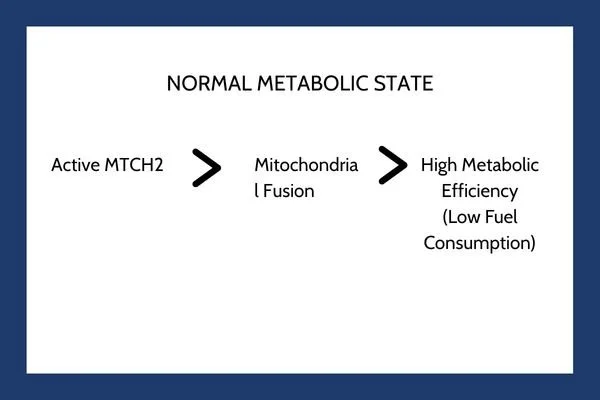
Under normal physiological conditions, MTCH2 acts as a metabolic gatekeeper. It supports mitochondrial fusion and maintains organelle stability. When mitochondria fuse into dense networks, they operate at peak efficiency, generating adenosine triphosphate through oxidative phosphorylation while minimizing energy wastage.
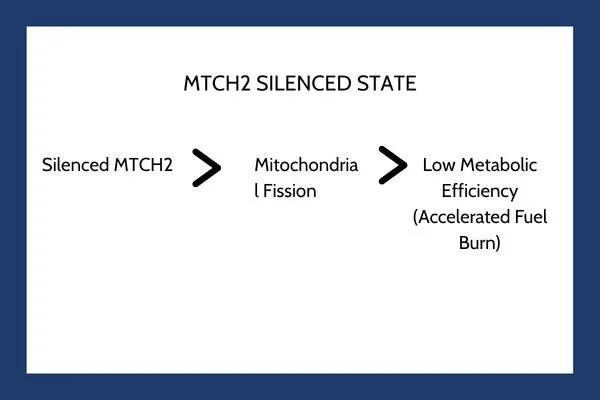
When researchers generated mouse models lacking MTCH2 in previous studies, the animals demonstrated a striking phenotype. They remained lean even when fed high fat diets and exhibited remarkable physical endurance. Translating these findings from animal models to human cellular biology remained a critical milestone.
The Mechanism: Mitochondrial Fission and Energy Demand
To evaluate whether this phenomenon holds true in humans, the research team used genetic engineering techniques to knock down or silence MTCH2 in human cell lines. The outcome was immediate and distinct.
Without MTCH2, the mitochondrial network loses its ability to fuse efficiently. Instead, the mitochondria separate into smaller, fragmented organelles through fission. This structural alteration significantly impacts cellular bioenergetics.
When mitochondria shift into a fragmented state, their coupling efficiency drops. They produce less ATP per unit of nutrient substrate consumed. To compensate for this sudden energy drop and maintain basic cellular functions, the cell undergoes a energetic scramble. It ramps up metabolic flux, consuming stored triglycerides, fatty acids, and glucose at an accelerated rate.
Key Takeaway: Silencing MTCH2 forces human cells into a continuous state of high metabolic demand. Rather than storing excess nutrients as triglycerides, the cell burns through available fuel sources just to maintain basic energetic equilibrium.
This forced energy expenditure occurs independently of classical uncoupling proteins like UCP1, which drives thermogenesis in brown adipose tissue. Instead, MTCH2 silencing fundamentally alters structural energy transfer within the outer mitochondrial membrane.
Blocking Adipogenesis: Stopping Fat Cells at the Source
The acceleration of metabolic rate is only one half of the story. The study demonstrated a second critical effect: blocking adipogenesis.
Adipogenesis is the multi step differentiation pathway through which precursor cells evolve into mature, lipid laden adipocytes. During normal adipose tissue expansion, precursor cells take up fatty acids, upregulate key transcription factors like PPAR gamma and C/EBP alpha, and accumulate large lipid droplets.
When the researchers silenced MTCH2 in human preadipocytes, the differentiation cascade halted. The cells could no longer execute the metabolic reprograming necessary to build lipid storage vessels.
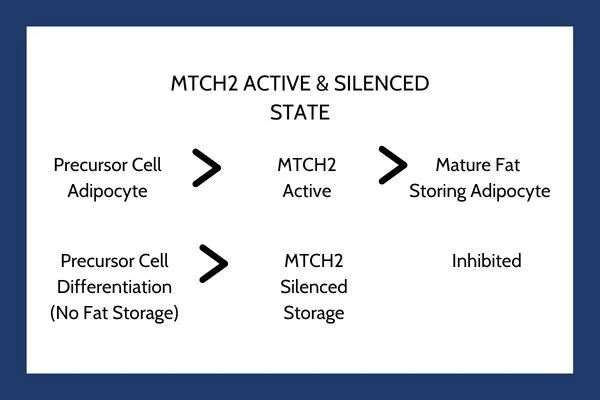
By preventing precursor cells from expanding into fully mature adipocytes, MTCH2 inhibition creates cellular resistance against fat storage. Excess carbohydrates and lipids circulating in the extracellular environment are either oxidized immediately to meet elevated baseline mitochondrial demand or cleared through alternative metabolic pathways.
Comparing Treatment Modalities: Incretins vs. MTCH2 Targets
Understanding where MTCH2 targeted mechanisms fit into the current obesity treatment landscape requires comparing them directly with established incretin therapies.
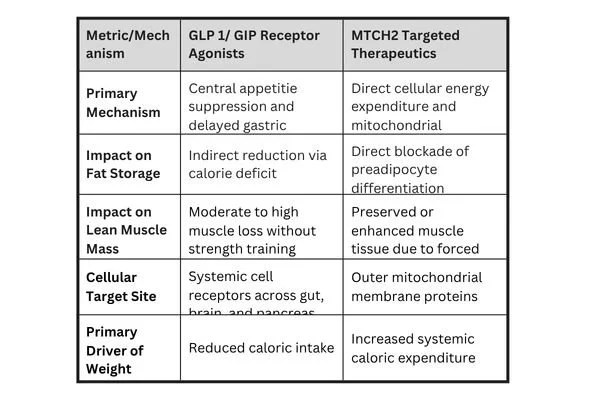
Current GLP-1 therapies act primarily through the central nervous system to reduce hunger and slow digestion, as documented in clinical resources on NCBI PubMed. While effective at reducing overall food intake, a calorie deficit created purely through reduced consumption causes the body to break down both adipose tissue and skeletal muscle protein for gluconeogenesis.
In contrast, an MTCH2-targeted mechanism acts directly at the organelle level. Because the cell demands higher energy flux to sustain itself, skeletal muscle tissue, which is dense with mitochondria, retains its structural requirement for fuel. Animal models lacking MTCH2 exhibited increased endurance capacity, suggesting that mitochondrial fragmentation in muscle tissue encourages fatty acid oxidation without promoting tissue atrophy.
Addressing the Lean Muscle Loss Dilemma
Preserving skeletal muscle during weight reduction is one of the most pressing goals in modern pharmaceutical development. Skeletal muscle is not simply a structural tissue; it is a major site of insulin-mediated glucose disposal, amino acid storage, and basal metabolic output.
When patients lose significant muscle mass during rapid weight loss:
Resting metabolic rate drops sharply, increasing the likelihood of weight regain once therapy stops.
Insulin sensitivity gains can plateau, as muscle tissue accounts for up to 80% of postprandial glucose uptake.
Physical strength and bone mineral density decrease, raising long-term cardiovascular and musculoskeletal risks.
By shifting the primary therapeutic driver from overall caloric restriction to targeted cellular energy expenditure, MTCH2 pathways offer a potential strategy for selective lipid reduction. Because the mechanism directly blocks adipogenesis while driving lipid burning within existing cells, it spares structural proteins needed for skeletal muscle integrity.
Challenges and Considerations for Drug Development
Translating cellular discovery into safe, orally bioavailable or injectable therapeutics presents significant pharmacological challenges. Because MTCH2 is expressed across multiple tissue types, drug developers must address several critical factors:
1. Tissue Specificity and Delivery Mechanisms
MTCH2 exists in cardiac, hepatic, renal, and central nervous system tissues. Inducing indiscriminate mitochondrial fragmentation across all organs could disrupt tissue function, particularly in high-demand organs like the heart. Future therapeutic strategies may require targeted delivery vehicles, such as antibody drug conjugates or lipid nanoparticles designed specifically for white adipose tissue and skeletal muscle.
2. Small Molecule Modulation versus Complete Knockdown
In genetic engineering experiments, researchers completely silence or knock out the target gene. In clinical medicine, total inhibition of an outer mitochondrial membrane protein may trigger unwanted cellular stress or apoptotic cascades over time. Drug discovery efforts will likely focus on allosteric modulators that partially reduce MTCH2 activity or disrupt specific protein-protein interactions without abolishing mitochondrial stability entirely.
3. Monitoring Systemic Biomarkers
Increasing baseline energy expenditure generates metabolic byproducts, heat, and reactive oxygen species. Clinical protocols evaluating MTCH2 modulators will need to monitor serum lactate levels, systemic inflammatory markers, mitochondrial health indicators, and body temperature regulation during early-phase safety trials.
Future Outlook for Next Generation Anti Obesity Therapeutics
The identification of MTCH2 as an energy expenditure switch highlights a fundamental shift in metabolic research. While first-generation anti-obesity drugs focused heavily on central nervous system appetite regulation, next-generation approaches aim to directly modify cellular bioenergetics and tissue composition.
Combinational approaches may represent the future of metabolic medicine. Combining a low-dose GLP-1 receptor agonist to manage appetite with a tissue-targeted MTCH2 modulator could allow clinicians to achieve profound lipid reduction while entirely preventing lean muscle loss.
If your organization is ready for the next frontier of metabolic drug development a. to navigate complex R&D landscapes, with precision strategy and deep scientific foresight, contact Metis Consulting Services today

The Grand Convergence of Compliance and Cutting-Edge Science
How the intersection of strict regulatory enforcement and breakthrough molecular science is redefining the modern pharmaceutical business model. This week in the Guardrail, we discuss The Grand Convergence of Compliance and Cutting-Edge Science

How the intersection of strict regulatory enforcement and breakthrough molecular science is redefining the modern pharmaceutical business model. This week in the Guardrail…
By Michael Bronfman
July 27, 2026
The global pharmaceutical landscape is undergoing a massive shift. For decades, drug discovery and commercial operations existed in separate silos. Scientists designed molecules in quiet laboratories, and supply chain managers built delivery pipelines in isolation, while legal teams handled regulatory compliance only after clinical data emerged. That disconnected era is officially over. Today, regulatory strategy, end-to-end tracing, and molecular design are merging into a single interconnected science.
As we progress through twenty twenty-six, developers face a dual challenge. They must navigate some of the strictest operational enforcement mandates in history while simultaneously scaling highly complex, personalized therapies that do not fit traditional manufacturing or licensing models. From the sudden end of drug tracing exemptions in the United States to clinical trials that target chronic diseases with “one-and-done " genetic edits, the rules of commercialization are being rewritten. The organizations finding success in this landscape are those that treat supply chain resilience and local regulatory intelligence not as administrative hurdles, but as core elements of their research and development strategy.
Supply Chain Risk and Serialization: The End of DSCSA Exemptions
In the United States, the safety net of regulatory grace periods has officially vanished. The Drug Supply Chain Security Act, a long-standing federal effort to protect patients by creating an interoperable electronic tracing system for prescription drugs, has entered its final era of absolute enforcement. The phased rollout reached a critical milestone when exemptions for manufacturers and repackagers expired in May 2025, followed closely by the expiration of wholesale distributor exemptions in August 2025.
The final transition occurred when dispenser exemptions for larger organizations ended in November 2025, pushing the entire domestic market into full unit-level serialization. Today, every single trading partner must possess the infrastructure to electronically trace, verify, and exchange transaction data at the individual package level. A helpful breakdown of these hard boundaries and the necessary internal tracking milestones is here: Intelliguard DSCSA Compliance Guide.
This complete transition to unit-level serialization has exposed a deep vulnerability in global logistics. The modern pharmaceutical pipeline is incredibly fragile. A single supplier failure, raw material bottleneck, or cold chain temperature excursion can instantly halt clinical progression. Under the current strict rules, the stakes are even higher. If physical drug packages arrive at a distributor or pharmacy but their accompanying digital data contains a clerical error, the entire shipment must be quarantined.
Even physically perfect, safe medicines are routinely blocked from distribution because of minor electronic data mismatches. For a detailed look at how organizations must update their standard operating procedures to handle these digital bottlenecks, the Two Labs DSCSA Exception Handling Analysis highlights the operational necessity of treating serialization data as a product-critical asset.
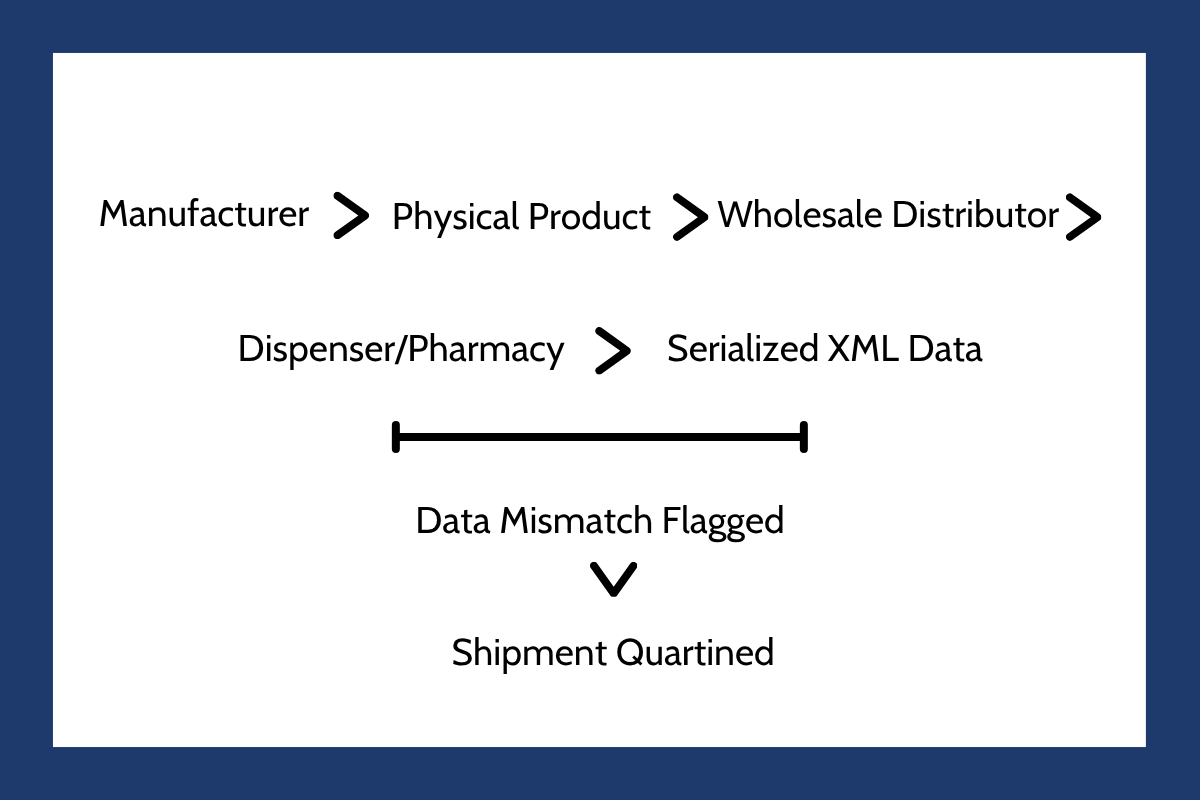
Because of these tight restrictions, biotech firms advancing candidates through clinical trials must construct highly resilient logistics networks years before submitting a Biologics License Application or New Drug Application. If a developer cannot guarantee the integrity of their data or the security of their active pharmaceutical ingredients, they risk sudden clinical holds or devastating launch delays. Supply chain resilience is no longer a post-approval operational concern; it is a primary metric that regulators evaluate during initial product reviews.
Base Editing and the Dawn of One and Done Chronic Disease Therapies
While compliance teams secure the physical supply chain, geneticists are shifting the boundaries of what is possible in preventative medicine. For years, the scientific community viewed genomic medicine through the lens of oncology and ultra-rare genetic mutations. However, a major paradigm shift is occurring as base editing moves into the domain of common, chronic diseases that affect millions of people globally.
Unlike early gene editing systems that rely on double-stranded DNA breaks, base editing allows scientists to make single-letter chemical transitions in a highly targeted, precise manner. This technology provides an incredibly clean way to silence specific disease-causing genes without triggering the cellular damage associated with double-stranded cuts.
The commercial reality of this science became undeniable following the landmark acquisition of Verve Therapeutics by Eli Lilly. At the center of this momentum is the base editing candidate known as VERVE one-hundred-two. Designed to permanently reduce low-density lipoprotein cholesterol, this therapeutic candidate has entered expanded Phase two clinical trials. The medicine functions by targeting and durably inactivating the PCSK9 gene directly within the human liver.
According to clinical updates published in the Eli Lilly PCSK9 Base Editor Press Release, a single infusion of the treatment achieved highly promising results, demonstrating an 88% reduction in PCSK9 protein levels and a sustained 62% drop in low-density lipoprotein cholesterol. This approach challenges the entire business model of chronic disease management. Historically, conditions like hyperlipidemia, hypertension, and cardiovascular disease required decades of daily oral pills or monthly subcutaneous injections. Compliance was notoriously poor, as patients frequently forgot doses or lost access to insurance. Transitioning to a “one-and-done genetic cure completely eliminates noncompliance.
However, it also presents an unprecedented challenge for drug developers, who must figure out how to manufacture, distribute, and price a single-dose therapy that permanently cures a common chronic disease. The manufacturing process relies heavily on lipid nanoparticles, requiring incredibly specialized raw materials that must be tracked under the newly enforced US serialization rules.
Epigenome Editing: The Next Reversible Frontier
As base editing demonstrates clinical success, another groundbreaking platform is rising to prominence. Epigenome editing is quickly emerging as the next major boundary beyond traditional CRISPR and base editing systems. While existing technologies focus on rewriting the physical letters of the genetic code, epigenome editing leaves the underlying DNA sequence completely untouched. Instead, it targets the molecular tags and histone modifications that dictate whether a gene is actively turned on or shut off.
This subtle approach is highly attractive to both drug developers and regulatory agencies because of one major feature: reversibility. Because the physical DNA sequence is never cut or permanently altered, the risk of permanent, dangerous off-target mutations is dramatically minimized. If an unexpected side effect occurs, or if a patient's biological requirements change over time, epigenetic modifications can theoretically be adjusted or reversed.
Pioneering biotechnology companies like nChroma Bio are actively developing proprietary epigenetic platforms to silence disease-causing proteins in real time. Because these therapies rely on complex post-translational modifications, their success hinges on extremely precise cellular delivery systems. Developers are investing heavily in customized chemical vectors that can reliably locate target tissues, dial down aberrant gene expression, and then safely exit the patient's system. This science offers a flexible middle ground between traditional small molecule drugs and permanent genetic modifications, establishing a highly versatile therapeutic class.
CAR-T Beyond Cancer: Resetting the Autoimmune System
The concept of cellular reprogramming is also sparking a major revolution within immunology. Chimeric antigen receptor T cell therapies, which were once reserved exclusively for terminal blood cancers, are proving to be exceptionally powerful tools for treating severe autoimmune disorders.
Under normal circumstances, autoimmune diseases like systemic lupus erythematosus and systemic sclerosis are managed with chronic immunosuppressive drugs. These conventional therapies do not cure the underlying disease; they merely suppress the entire immune system, leaving patients highly vulnerable to severe infections.
This dynamic is shifting rapidly. Early clinical data from trials running throughout 2026 have confirmed that CD19-targeted CAR-T therapies can achieve deep, durable remission in patients with severe autoimmune conditions. By collecting a patient's own immune cells, engineering them to target the CD19 antigen on aberrant B cells, and reintroducing them, clinicians can completely eliminate the autoantibody-producing cells responsible for the disease. Once these problematic B cells are cleared, the bone marrow naturally produces a fresh, healthy population of immune cells, effectively resetting the patient's immune system.
The clinical data supporting this profound shift has been highlighted by researchers globally. During presentations at the EULAR 2026 Congress CAR T Research Panel, clinical trial data demonstrated that dual target cell therapies could successfully clear skin fibrosis and stabilize progressive lung damage in systemic sclerosis patients. The safety profile of these therapies in autoimmune populations has also proven to be superior to that seen in oncology. Because the overall tumor burden is absent, the severe side effects that often complicate cancer treatments, such as severe cytokine release syndrome, are rarely observed in autoimmune cohorts.
This clinical expansion has triggered a scramble among biopharmaceutical companies to secure manufacturing capacity. Unlike oncology products, which are often produced in highly centralized facilities, autoimmune treatments require rapid, local delivery models to ensure that autologous cell products can be harvested, engineered, and returned to patients without operational delays.
Bespoke and Personalized Gene Editing: Baby KJ and N of 1 Paradigms
Perhaps the most inspiring and challenging frontier in modern medicine is the rise of bespoke, personalized gene editing. For decades, the pharmaceutical industry operated on a high-volume model, designing single therapies for millions of identical patients. However, for individuals suffering from ultra-rare genetic mutations, no commercial market existed. Developing a traditional drug for a population of one was simply too expensive and logistically impossible.
That paradigm changed forever with the historic treatment of an infant known as Baby KJ. Born with a lethal genetic condition that prevents the body from clearing toxic ammonia, called carbamoyl phosphate synthetase deficiency, his survival was highly unlikely.
In an unprecedented collaboration, researchers at the Children's Hospital of Philadelphia and the University of Pennsylvania engineered a customized, first-of-its-kind base editing therapy designed to correct the exact, single-point mutation in his DNA. The timeline of this historic medical achievement is detailed in The Future of Personalized Medicine: KJ's Story.
The regulatory response was equally historic. Recognizing the immediate threat to the child's life, the Food and Drug Administration reviewed the investigational application on an accelerated timeline, granting clearance in just one week. The success of this custom therapy has proven the technical feasibility of “N of 1 medicine,” opening a brand new avenue for patients with highly specific genetic conditions. An analytical review of this rapid development pipeline is featured on the Friends of Cancer Research Personalized Medicine Portal.
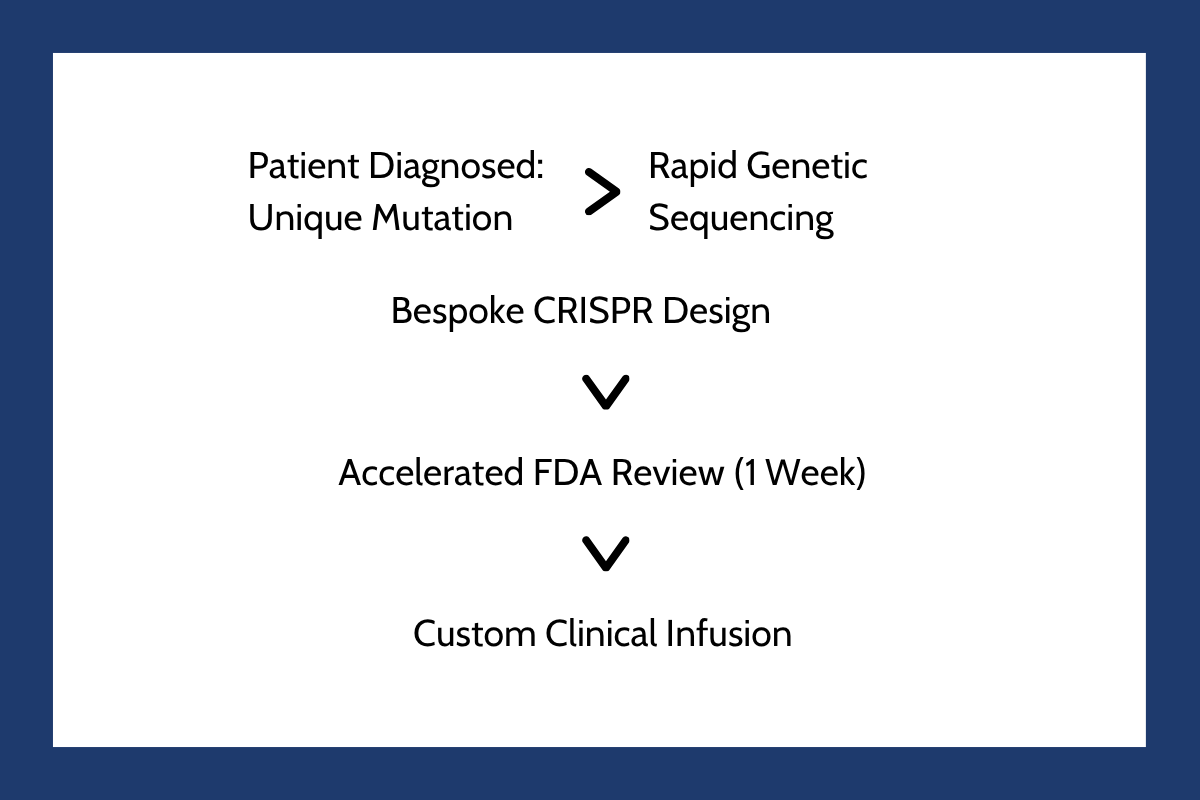
However, scaling these bespoke treatments remains an immense challenge. Traditional drug licensing and safety evaluation protocols are built around large-scale, multicenter trials with thousands of participants. A personalized, “N of 1” therapy cannot undergo standard Phase three clinical testing because there are no other patients to enroll.
To prevent these life-saving scientific breakthroughs from becoming stalled in regulatory paperwork, regulatory bodies must adopt highly flexible, platform-based approval pathways. Under this proposed model, regulators would evaluate and approve the editing tool and delivery system itself, allowing clinicians to simply swap out the genetic guide RNA sequence to match an individual patient's unique mutation.
Balancing Agile Operations with Unprecedented Medical Innovation
As we move forward through this year and beyond, the pharmaceutical sector finds itself at an incredible crossroads. The scientific capabilities of gene editing, epigenetics, and cellular reprogramming are advancing faster than ever before. Yet, the physical and electronic pathways required to deliver these miracles to patients have never been more tightly regulated or logistically complex.
Whether an organization is scaling a major cardiac base editor to treat millions of patients, or engineering a custom cell therapy to cure a single child, success requires deep operational agility. By integrating regulatory compliance directly into the earliest phases of molecular research, managing supply chain data as a critical asset, and building flexible manufacturing models, the global medical community can ensure that these historic discoveries successfully make their way from the laboratory bench to the patient bedside.
Don't let complex serialization mandates or strict regulatory hurdles delay your life-saving therapies. Contact Metis Consulting Services today to build flexible, bulletproof quality operations that keep your cutting-edge science moving seamlessly from lab to patient.

Outsourcing Oversight: FDA Form 483
Learn why maintaining rigorous third-party quality management is just as vital to your drug pipeline as the science itself. Read about why the critical operational risks highlighted in the FDA Form 483 Warning Letter are important to be aware of, and what dangerous oversight gaps exist in pharmaceutical outsourcing.

By Michael Bronfman
July 20, 2026
This week, discover why maintaining rigorous third-party quality management is just as vital to your drug pipeline as the science itself. Unpack with the "Guard Rail" the critical operational risks highlighted by FDA Form 483 citations and the dangerous oversight gaps in pharmaceutical outsourcing.
Imagine you are running a business that makes life-saving medicines. Because your business is growing fast, you decide to hire outside partners to manufacture the raw chemical ingredients, print the medical labels, and package the final pills. You sign the contracts, assuming these expert partners will handle everything perfectly.
Months later, an official investigator walks into your office and hands you a strict warning paper. The investigator found that your outside partner was using dirty equipment, and because you are the brand owner, your company is legally responsible.
This nightmare scenario happens constantly in the biotech world. The warning paper is called an FDA Form 483, which is the official document issued by investigators when they notice serious violations during factory visits.
A major blind spot in medicine manufacturing involves supplier quality management. Many biotech brands fail to realize that outsourcing production does not mean outsourcing legal liability. When a company fails to watch its external partners closely, it creates an oversight gap.
This gap frequently results in regulatory penalties, frozen pipelines, and missing medicines. Managing supplier risk is no longer just a minor paperwork requirement handled by a background department; it is a critical strategy needed to keep a pharmaceutical pipeline alive.
What is an FDA Form 483 and Why Does It Matter
To understand how this oversight gap happens, you have to understand how government monitoring works. The United States Food and Drug Administration conducts routine, unannounced physical inspections of factories where medicines are created. At the end of an inspection, if the investigator finds problems, they issue a Form 483 list of observations.
A Form 483 is not a final legal punishment, but it is a serious warning. If a business fails to fix the listed problems quickly, the situation can escalate into an official Warning Letter, which can shut down production entirely. You can read about the exact rules for these notices directly on the Inspection Observations Page of the FDA Website. This resource explains how field investigators evaluate factory conditions to ensure public safety.
In recent years, an increasing number of these forms point directly to poor supplier oversight. Government investigators are realizing that while biotech brands claim their products are pure, the brands rarely visit the third-party providers who supply the primary chemical components. This lack of visibility triggers immediate red flags during safety audits.
The Danger of Inadequate Supplier Qualification
The first place the oversight gap appears is during the initial hiring process, known as supplier qualification. Before a pharmaceutical firm buys a single gram of raw material from a third-party provider, they are required by law to run a deep background check on that supplier. This check ensures the provider follows current good manufacturing practices, which are the official quality rules for medicine creation.
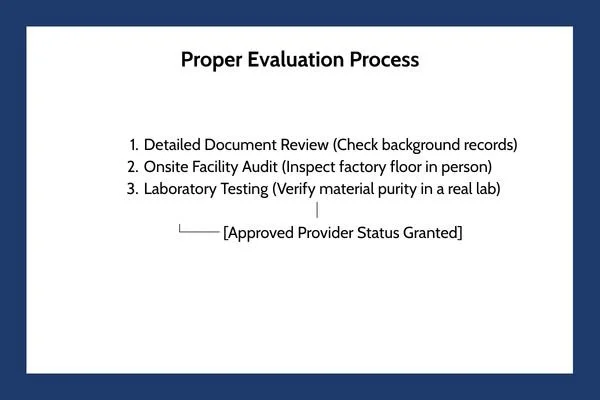
Too often, growing biotech firms take shortcuts during this stage. Instead of sending a trained inspector to physically walk through a provider's facility, a firm might simply send a basic text questionnaire through email. They ask the provider if their facilities are clean, the provider checks a box saying yes, and the firm grants them approved status.
This careless approach is called paper qualification, and it fails to satisfy modern regulators. A paper survey cannot spot broken air ventilation systems, leaking pipes, or untrained factory workers. When government inspectors find out that a pharmaceutical company approved a critical material provider based solely on an emailed questionnaire, they issue a severe citation on a Form 483.
Insufficient Oversight of Contract Manufacturers
As biotech companies discover complex new therapies, they rely heavily on specialized partners called Contract Development and Manufacturing Organizations. These partners act as hired factories, taking a drug design from a small startup and mass-producing it inside large industrial facilities.
While outsourcing production makes financial sense, it frequently causes a breakdown in quality control. The biotech brand often adopts a hands-off attitude, believing the hired manufacturer is entirely responsible for daily safety. This is a massive mistake. Under international health frameworks, the brand owner always retains ultimate responsibility for the purity of the drug.
The official global expectations for this relationship are outlined in detail within the FDA Guidance Document on the Q10 Pharmaceutical Quality System. This international framework states that a comprehensive quality management system must extend to the control and review of outsourced activities.
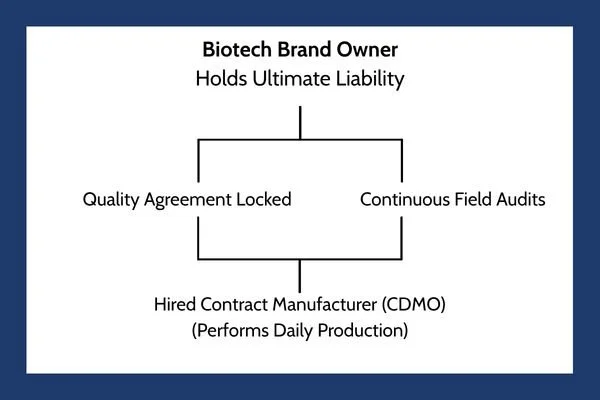
To eliminate the oversight gap, a biotech firm must treat their hired manufacturer as an extension of their own company. This integration requires:
Clear Quality Agreements: A legally binding document that states exactly which company handles specific testing steps, who approves batches, and how mistakes are corrected.
Continuous Person-in-Plant Oversight: Sending a full-time quality expert from the biotech brand to live at the hired manufacturer's facility, monitoring the production lines in person as your drug is made.
Shared Quality Data Tracking: Utilizing unified digital networks so the brand owner can review batch records, laboratory errors, and clean room data in real time, rather than waiting weeks for a text summary report.
The Hidden Risk of Incomplete Supplier Change Notifications
The third area where the oversight gap creates havoc involves supplier change notification processes. Medicine manufacturing is an incredibly delicate science. A microscopic shift in the raw materials can change how a drug behaves inside the human body, altering how fast a pill dissolves or causing unexpected allergic reactions.
Because the science is so sensitive, third-party providers are legally required to inform the biotech brand before making any modifications to their own facilities, raw materials, or testing tools. If a chemical supplier switches to a new raw material provider, or if a label printer updates their machine software, they must submit a formal change notification to the pharmaceutical brand owner.
Unfortunately, communication channels across these supply networks are often broken. A raw material provider might update a chemical purification tool, thinking the change is too minor to mention. If the pharmaceutical brand does not have a strict, mandatory system for tracking and forcing these updates, they remain completely unaware of the alteration.
When a government inspector reviews a biotech company's records and discovers that a raw chemical ingredient was altered without a formal evaluation, the factory receives an immediate Form 483 observation. The brand owner must prove they evaluated every single modification to ensure it did not alter the safety, identity, strength, quality, or purity of the distributed medicine.
Why Quality Management is a Major Pipeline Risk
When a pharmaceutical brand treats supplier oversight as an annoying checklist item rather than a core survival skill, they put their entire business pipeline at risk. The financial and operational damage caused by a single bad supplier can ruin years of scientific research.
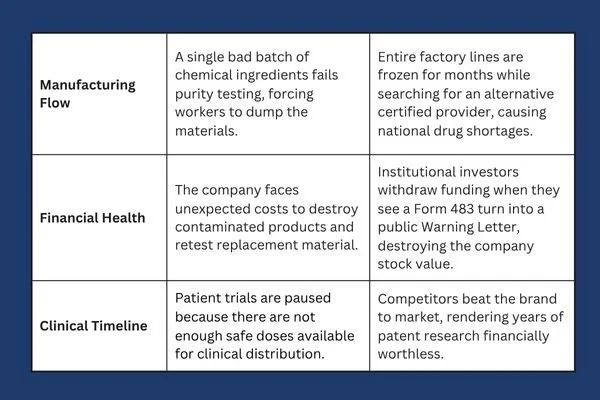
This table shows why supply chain monitoring is a critical commercial necessity. If your external partner fails a government inspection, your entire product launch can stall out, allowing rival businesses to capture the market.
Building a Modern Vendor Review Program
Fixing the oversight gap requires a complete shift in corporate mindset. Biotech organizations must stop choosing their partners based solely on the lowest price or the fastest timeline. Instead, they must construct an aggressive, data-driven vendor review program that treats safety as an active investment.
A modern vendor review strategy replaces casual trust with continuous verification. This process starts by ranking every partner based on risk. A vendor supplying the active chemical ingredient for an injection receives the highest risk rating and requires constant in-person monitoring and quarterly laboratory audits. A vendor supplying external cardboard shipping boxes receives a lower risk ranking, requiring fewer document checks.
Furthermore, companies must establish clear corrective and preventive action programs with their partners. If an external manufacturer makes a mistake, the biotech brand cannot simply accept a brief apology. The brand must force the partner to run a deep root cause analysis to discover why the error happened and prove that systemic changes were implemented to prevent the mistake from ever happening again.
Balancing Rapid Innovation with Supply Security
The biotech world is moving at a breathtaking pace, creating gene therapies and personalized medicines that were science fiction a decade ago. To bring these innovations to reality, companies must rely on a vast web of global suppliers. This interconnected network brings incredible strength, but it introduces immense vulnerability.
The persistent stream of Form 483 citations issued by health authorities is a clear warning that the industry is moving too fast for its own safety infrastructure. Designing an incredible molecule is meaningless if the third-party partner you hire to build it contaminates the batch with residue from a dirty machine.
As we look through 2026, the businesses that survive will be the ones that bridge the oversight gap completely. By treating supplier qualification, active partner communication, and strict change controls as vital priorities, biotech innovators protect their corporate reputation, satisfy tough regulators, and ensure a steady flow of safe therapies reaches the patients who depend on them.
Don't let your outsourcing strategy put your entire pipeline at risk: an unexpected FDA Form 483 or a partner's compliance oversight can derail years of clinical breakthroughs and market value. Contact Metis Consulting Services and establish an ironclad vendor review program, implement excellent quality agreements, and secure your global supply chain against regulatory friction.